


Quantitative Chemical Analysis 10e By Daniel Harris
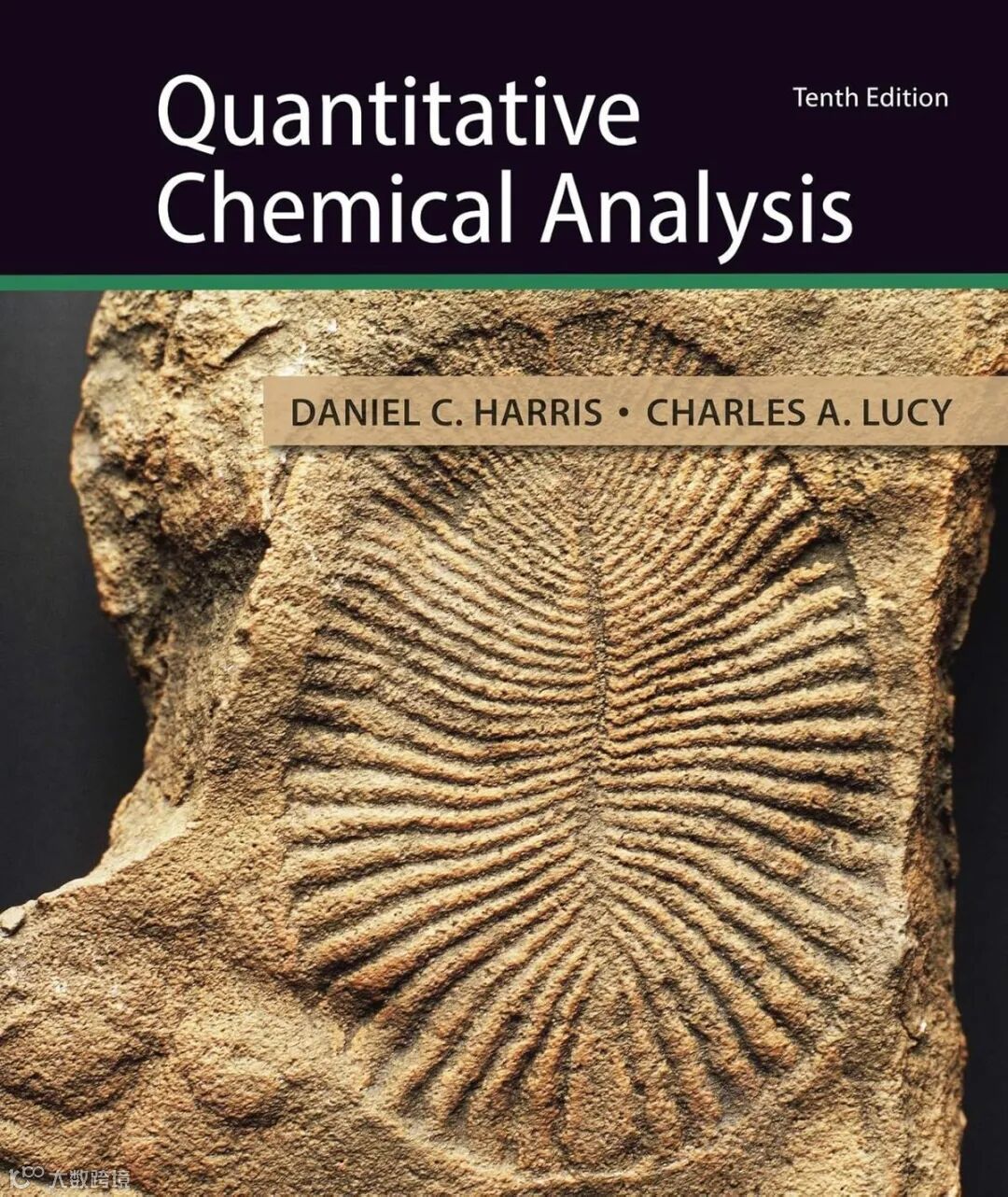
Introducing Quantitative Chemical Analysis (10th Ed.) by Harris & Lucy 📘
For students, instructors, and researchers in analytical chemistry, Quantitative Chemical Analysis (10th edition) by Daniel C. Harris and Charles A. Lucy stands as a modern benchmark in teaching and understanding how to measure, analyze, and interpret chemical data with precision and rigor. Published in 2020 by Macmillan Learning, this edition updates and refines its predecessors with new co-authorship, enhanced pedagogy, and digital tools.
Authors & Authority
- 「Daniel C. Harris」
is a veteran in chemical education and analytical chemistry. His career spans decades, with solid credentials (MIT, Caltech, etc.) and a strong commitment to clarity and correctness. - 「Charles A. Lucy」
, Professor Emeritus, brings fresh energy and expertise — especially in chromatography, spectrophotometry, and statistics — enriching the text with more up-to-date content and pedagogical improvements.
What’s New / What’s Improved
-
Addition of Lucy as co-author enhances certain topics (statistics, spectrophotometry, chromatography) both in depth and clarity. -
Inclusion of 「digital learning tools」: the Achieve platform, which gives access to interactive e-book, assessments, adaptive quizzes, and visualizations. This aligns with many programs pushing for more blended/hybrid instruction. -
Updated end-of-chapter problems that include research literature, primary sources, and experiments. Also more emphasis on graphical analysis of data.
Scope & Structure
This is not a light read. The 10th edition spans 「1056 pages」 and covers 28 main chapters plus appendices, glossary, reference materials.
Some major topics include:
-
Analytical Process -
Chemical Measurements -
Tools of the Trade -
Experimental Error -
Statistics -
Quality Assurance & Calibration Methods -
Chemical Equilibrium 7-10. Various acid-base systems & titrations including monoprotic, polyprotic, EDTA titrations 11-17. Electrochemistry, redox titrations, electroanalytical techniques 18-22. Spectrophotometry, atomic spectroscopy, mass spectrometry 23-26. Analytical separations: chromatographic methods (gas chromatography, HPLC, capillary electrophoresis) 27 Gravimetric & combustion analysis, precipitation methods, plus sample preparation.
Pedagogical Strengths
-
Ideal for 「first-encounter analytical chemistry students」, yet detailed enough for advanced undergraduates. The explanations are rigorous but accessible. -
Strong treatment of 「error, uncertainty, and statistics」 early in the book, which is critical (and often underemphasized) in analytical measurement. -
Good balance of theory (chemical equilibria, electrochemistry, spectroscopy) and practical applications. Including worked-examples and real datasets helps students bridge the gap from abstract principles to handling actual chemical data. -
The problems are varied: some computational, some conceptual, some rooted in instrumentation or real lab scenarios. The inclusion of problems drawing on recent literature is especially useful to push students toward thinking like researchers.
Weaknesses / Things to Be Mindful Of
(To be fair: nothing is perfect. Because I like being nitpicky.)
-
The sheer volume of material can be overwhelming. Students without strong foundations in math (especially statistics, algebra) may struggle. -
Because it covers so many techniques, some chapters may feel more shallow in instrumentation detail compared to specialized texts (e.g. a text dedicated solely to spectroscopy or chromatography). -
Cost and size may be a downside. Hardcover, nearly 1,100 pages. Carrying it around is a workout. Also the digital access tools help, but those sometimes require institutional subscriptions or additional fees.
Why It Matters / Its Significance
-
Sets a high standard for analytical chemistry education. Many other textbooks aim to match its clarity, scope, and rigor. -
Encourages students to become precise, critical thinkers about measurement. Not just “what result?” but “how precise and accurate?”, “what are the possible sources of error?”, “how to choose appropriate methods?”. -
Helps tie together multiple subfields: equilibrium chemistry, electrochemistry, spectroscopy, separations—all under the umbrella of possible analytical challenges. This integration is valuable for both theoretical understanding and practical problem solving.
Final Thoughts
If you are embarking on a course in analytical chemistry, Quantitative Chemical Analysis, 10th Ed. is among the best companions you could choose. It delivers both depth and breadth. For instructors, it's a rich source of teaching materials. For students, it demands seriousness but rewards it: mastering this book means you understand how measurement underpins almost everything in chemistry and related sciences.
https://alllinkbranch1.blogspot.com/2025/09/quantitative-chemical-analysis-10e-by.html