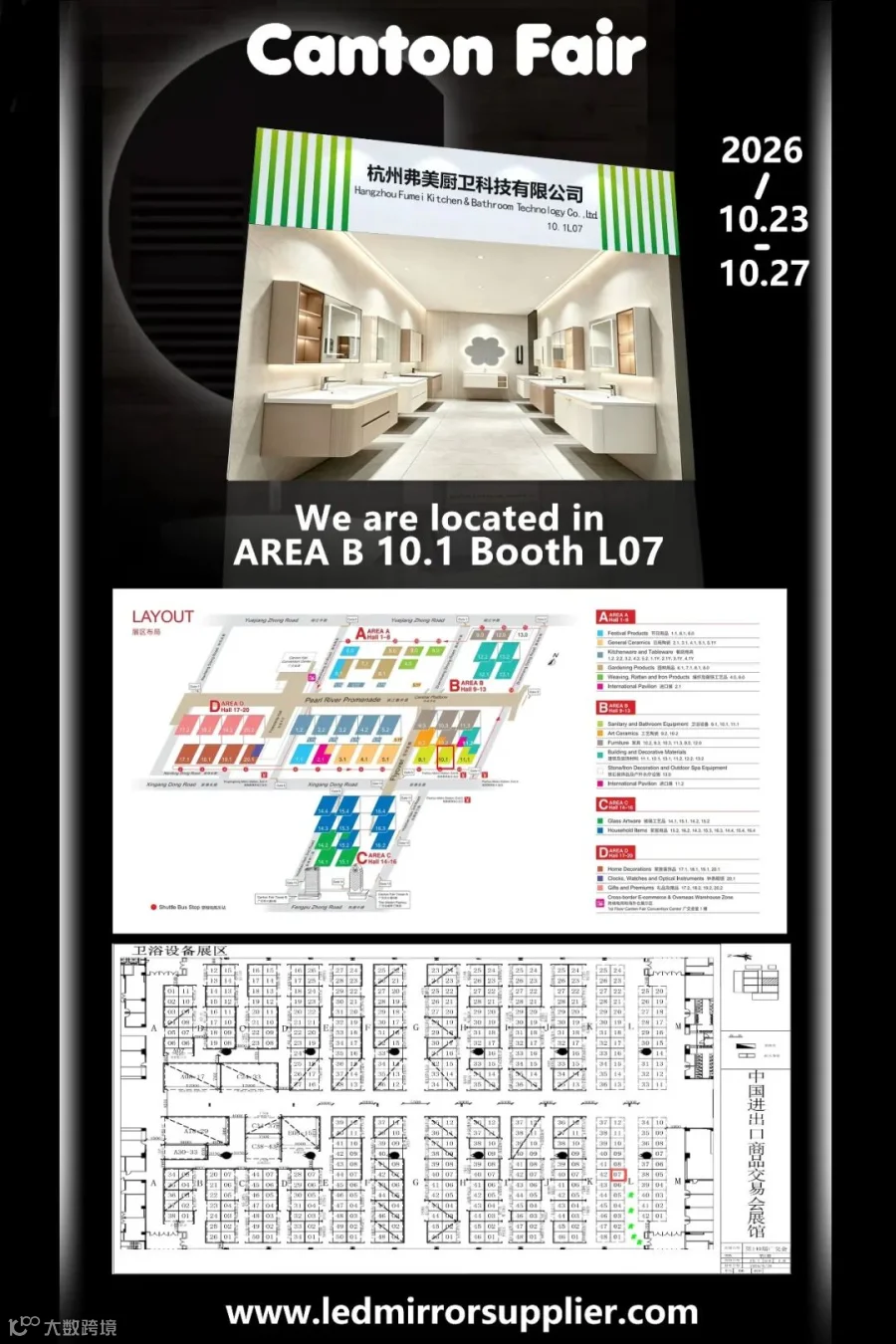
广交会第二期“品质家居”将于10月23日开幕,第三期紧随其后于10月31日接棒。对于参展商而言,展位最大的隐性成本并非特装或样品,而是因沟通低效导致的客户流失。
广交会英语交流的核心不在于语音语调的完美,而在于能否在三秒内吸引客户驻足,并在面对价格异议时有效应对。本文基于展位实际动线,梳理五大关键场景的实战话术与逻辑。
场景一:高效拦截,替代无效的“Welcome”
策略核心

“Welcome to our booth”往往被视为无效寒暄。客户在展位前的停留判断时间仅约两三秒,有效的拦截需提供具体的停留理由,直击市场、成本、交期或认证等痛点。
推荐话术:
1. 针对关注特定产品的客户:
“I noticed you were looking at this model. The latest version reduces power consumption by about 20% compared to the previous generation.”
(逻辑:通过具体数据体现产品优势,比形容词更具说服力。)
2. 针对浏览目录或观望的客户:
“Are you sourcing for [his category]? We’re currently supplying three retailers in [his region] with this line.”
(逻辑:主动推测采购身份,即使猜错也能开启对话,避免使用泛泛的“Can I help you”。)
3. 针对关注运费或包装的客户:
“Our new packaging fits about 15% more units into one container. It brings the landed cost down without touching the unit price.”
(逻辑:对价格敏感型买家,降低落地成本比强调质量更易打开话题。)
注意:开口后应先聊产品,待客户建立兴趣后再逐步询问国家、公司及采购量等信息。
场景二:快速甄别真实买家意向
策略核心

值得深入洽谈的是愿意提供具体采购信息的客户。可通过以下三个问题快速判断买家资质:
1. 明确目标市场:
“What market are you mainly selling to?”
(逻辑:根据回答判断认证要求及价格带。如欧洲需CE及能效认证,北美需UL及特定包装规格。)
2. 挖掘现有痛点:
“What’s the biggest challenge you’re facing with your current supplier—quality, lead time, or price?”
(逻辑:提供选项式提问,引导客户吐槽,从而找到切入机会。)
3. 了解供应商选择标准:
“What do you look for in a supplier?”
(逻辑:若客户正在寻找新供应商,此问题比“What do you need”更能揭示其深层需求。)
针对有现有供应商的客户:
“Are you open to evaluating a backup supplier, just to have a benchmark?”
(逻辑:“备选供应商”比“替换”更易被接受,先进入比价清单是更务实的目标。)
场景三:应对“价格太高”异议的策略
策略核心

面对价格异议,切忌立即降价。应遵循“先问、再说、最后决定”的三步走策略。
第一步:确认比较基准
“May I know what price you’re comparing it with?”
(逻辑:确认规格、包装及贸易条款是否一致,排除非同等条件下的比价。)
第二步:探询目标价
“What is your target price for this quantity?”
(逻辑:客户愿给数字说明有诚意;若无法给出,可能仅为习惯性压价。)
第三步:绑定让步条件
“Let me check whether we can offer a better price based on your order quantity.”
(逻辑:让价必须换取数量、付款条件或年度框架等利益,避免无条件降价。)
替代方案:调整配置
“If we adjust the material to [alternative], we can meet your target price. Would you like to see a sample of that specification?”
(逻辑:将“降价”转化为“换方案”,既满足价格敏感客户需求,又保护主力产品价格体系。)
场景四:沟通受阻时的救场技巧
策略核心

英语流利度并非首要因素,诚实与专业更为重要。遇到沟通障碍时,可采用以下策略:
1. 未听清时:
“Could you say that again, please? / Could you speak a little more slowly?”
2. 确认理解时(复述法):
“So what you’re saying is, you need the goods to arrive before [date], not just ship before that date—is that right?”
(逻辑:区分“发货日期”与“到货日期”至关重要,复述可避免重大误解。)
3. 不确定具体参数时:
“Let me confirm that with our production team and send you the exact figure by email today.”
(逻辑:切勿随意报价或承诺交期,事后通过邮件准确反馈更能赢得信任。)
场景五:锁定下一步行动与展后跟进
离场前动作

为避免客户遗忘,离场前需完成三个关键动作:
1. 获取高质量联系方式:
“Can I have your WhatsApp? I’ll send the quotation and HD photos of the models you liked tonight.”
(逻辑:WhatsApp打开率高于邮箱,“今晚发送”的承诺体现效率。)
2. 落实具体承诺:
“I’ll send you the quotation by [specific date], with the MOQ and lead time clearly stated.”
(逻辑:明确发送内容与时间,建立客户预期,避免邮件被当作垃圾信息。)
3. 拍摄合影记忆锚点:
“Let’s take a quick photo with the product you liked. It’ll help both of us remember the details when we follow up.”
展后邮件:标题决定打开率
策略核心

展后24小时内买家收件箱拥堵,通用标题极易被忽略。建议采用以下结构提升打开率:
标题公式:[客户名] + [具体产品/规格] + Canton Fair Follow-up
示例:David – 316L valve spec & tooling lead time (Booth 4.1 E12)
正文要点:
1. 直接提及现场细节,如:“You mentioned that your current supplier’s lead time in peak season is the main bottleneck...”
2. 附件控制:PDF控制在10MB以内或使用在线目录链接,避免大附件被拦截。
展前五分钟速查卡
核心话术总结

拦截:“I noticed you were looking at this model. The latest version cuts [key metric] by about [number].”
判断买家:“What’s the biggest challenge with your current supplier—quality, lead time, or price?”
价格异议:“May I know what price you’re comparing it with, and what quantity that’s based on?”
救场:“Let me confirm that and send you the exact figure today.”
锁客:“I’ll send the quotation by [date/time]. Can I have your WhatsApp so it reaches you directly?”
广交会英语交流的本质是展现解决问题的能力。相较于口音和语法,客户更看重业务员能否协助其达成商业目标。