1月5日,商务部等9部门联合发布《关于实施绿色消费推进行动的通知》。
On January 5, nine Chinese ministries jointly released the Notice on Implementing the Green Consumption Promotion Initiative.
这是一次国家层面系统性重塑消费结构的顶层设计。
This marks a top-level redesign of China’s consumption structure at the national level.
文件明确提出:要以绿色消费为抓手,推动发展方式与消费模式的深度转型。
The document makes it clear that green consumption will be the key lever for transforming both development and consumption models.
其中,“促进汽车绿色消费”被单独点名,信号极其清晰。
Among all sectors, automotive green consumption is explicitly highlighted, sending a strong policy signal.
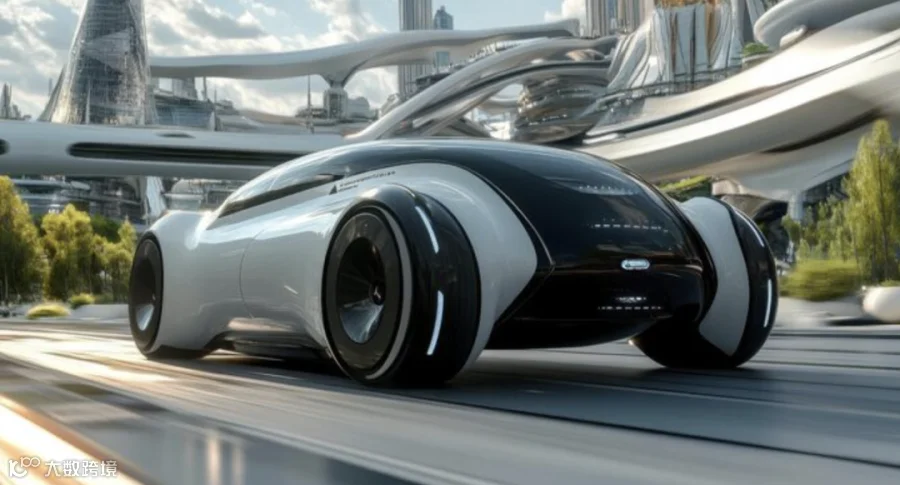
新能源不是终点,而是入口
New Energy Vehicles Are Not the End, but the Entry Point
政策首先明确:支持消费者购买新能源汽车。
The policy first emphasizes supporting consumers in purchasing new energy vehicles (NEVs).
这并不新鲜,但真正的变化在后半句。
This is not new—but the real shift lies in what follows.
文件首次在国家级行动中,将二手车、租赁、改装、共享等汽车“后市场”并列为重点方向。
For the first time at the national level, used cars, leasing, modification, and car-sharing are listed as key development areas.
这意味着,政策视角正在从“卖新车”,转向“盘活一辆车的全生命周期价值”。
This signals a shift from selling new cars to unlocking the full lifecycle value of each vehicle.
盘活闲置车辆,汽车开始具备“资产属性”
Revitalizing Idle Vehicles: Cars as Income-Generating Assets
通知提出:探索盘活闲置车辆增收。
The notice proposes exploring ways to monetize idle vehicles.
这句话背后,是一次深刻的消费逻辑变化。
Behind this line lies a fundamental shift in consumption logic.
汽车不再只是一次性消费品,而是可以被租、改、共享、再利用的流动资产。
Cars are no longer one-off consumer goods, but circulating assets that can be rented, modified, shared, and reused.
这为二手车流通、汽车金融、平台化运营打开了政策空间。
This opens policy space for used-car circulation, automotive finance, and platform-based operations.
房车露营、自驾游、汽车影院,消费场景全面外扩
RV Camping, Road Trips, Drive-in Cinemas: Expanding Automotive Scenarios
政策明确支持发展:房车露营、汽车影院、自驾游等新型消费。
The policy explicitly supports RV camping, drive-in cinemas, and road-trip consumption.
这意味着,汽车正在从“出行工具”,升级为生活方式载体。
This indicates a shift from cars as transportation tools to lifestyle platforms.
汽车+文旅、汽车+夜经济、汽车+户外,正在成为新的消费增长点。
Cars combined with tourism, night economy, and outdoor lifestyles are emerging as new consumption growth drivers.
为什么国家此时押注“汽车后市场”?
Why Is the State Betting on the Auto Aftermarket Now?
答案很现实:新车销量的边际拉动正在放缓。
The answer is pragmatic: the marginal growth from new car sales is slowing.
但中国的汽车保有量已经突破3亿辆。
Meanwhile, China’s vehicle ownership has surpassed 300 million units.
只要一辆车还能被持续使用、改造、共享,它就能持续创造消费。
As long as a vehicle can be reused, modified, or shared, it continues to generate consumption value.
从宏观角度看,这是稳消费、扩内需、促就业的最优解之一。
From a macro perspective, this is one of the most efficient ways to stabilize consumption, expand domestic demand, and create jobs.
新能源车,正在成为绿色消费的“基础设施”
NEVs as the Infrastructure of Green Consumption
新能源车不仅是低碳工具,更是连接能源、出行与服务的节点。
NEVs are not just low-carbon vehicles, but nodes linking energy, mobility, and services.
当汽车进入共享、租赁、露营、自驾等场景,其使用效率和社会价值被极大放大。
When cars enter sharing, leasing, camping, and road-trip scenarios, their utilization efficiency and social value multiply.
这正是绿色消费的核心逻辑:提高单位资源的使用效率。
This is the core logic of green consumption: maximizing resource efficiency per unit.
一条被低估的产业主线,正在被政策点亮
An Underrated Industrial Mainline Is Being Lit Up by Policy
这份通知,表面上谈的是“绿色消费”。
On the surface, the notice focuses on “green consumption.”
但在汽车领域,它真正释放的是一个信号:
But in the automotive sector, it sends a deeper signal:
下一阶段的竞争,不只在新能源车本身,而在围绕汽车的服务体系、运营能力和场景创新。
The next phase of competition will not center on vehicles alone, but on services, operations, and scenario innovation around them.
谁能率先把“车”变成“平台”,谁就能吃到下一轮增长红利。
Whoever turns cars into platforms first will capture the next wave of growth.
#西亚跨境视角 #绿色能源转型 #新能源发展趋势 #新能源汽车 #汽车资讯早知道 #绿色新能源 #电车和油车 #燃油车 #电动汽车 #新能源 #让燃油车再次破防#品牌出海 #品牌运营 #品牌 #出海 #汽车出口 #出口贸易#汽车AI印象榜#帝豪#哈弗H6#瑞虎8#朗逸PRO#别克“至境”#智能化与AI