


一、政策重构的底层逻辑
2026年,新能源汽车购置税减半政策正式落地,“两新”补贴政策同步延续。这并非一次简单的市场刺激,而是一轮系统性的结构重构。
政策逻辑正在从“短期拉动销量”,转向“长期引导产业方向”,中国车市正从政策驱动,走向真正的市场驱动。
In 2026, the implementation of the NEV purchase tax reduction and the continuation of the “two-new” subsidy policies mark a systemic restructuring rather than a short-term stimulus.
China’s auto market is shifting from policy-driven growth to a fundamentally market-driven phase.
二、传统车企的稳健博弈
在政策背景下,不同类型车企对2026年的判断开始明显分化。
背负燃油车时代存量资产的传统车企,在转型阵痛中普遍选择了“安全优先”的稳健策略。
Against this policy backdrop, automakers are showing sharply diverging views on 2026.
Traditional manufacturers, burdened by legacy ICE assets, are largely opting for conservative and risk-controlled strategies.
吉利汽车:规模与电动化的双重突破
吉利汽车将2026年总销量目标定为345万辆,同比增长14%,成为目前已披露目标中规模最大的车企。
其中,新能源销量目标为222万辆,新能源渗透率将突破64%,体现了其在规模扩张与电动化转型之间的平衡能力。
Geely set its 2026 sales target at 3.45 million units, a 14% year-on-year increase, the highest among disclosed targets.
NEV sales are expected to reach 2.22 million units, lifting penetration beyond 64%.
东风集团:跨越式的新能源野心
东风集团给出了更为激进的规划:2026年总销量325万辆,其中新能源170万辆,出口60万辆,新能源增长目标高达63%。
这一目标释放出清晰信号——东风希望在新能源赛道实现跨越式跃迁。
Dongfeng Group outlined an aggressive plan of 3.25 million total sales in 2026, including 1.7 million NEVs and 600,000 exports.
This implies a bold 63% growth target for its new energy vehicle business.
长城汽车:从规模到利润的战略转向
相比之下,长城汽车选择主动“降速”。
其2026年销量考核目标从249万辆下调至180万辆,明确提出“利润优先”,折射出传统车企在规模与盈利之间的现实权衡。
In contrast, Great Wall Motors deliberately slowed down.
Its 2026 sales target was revised from 2.49 million to 1.8 million units, signaling a strategic shift toward profitability over volume.
三、新势力的进攻姿态
与传统车企形成鲜明对比的是,新势力车企整体处于“进攻模式”。
轻资产结构与纯电基因,使它们对政策红利和市场扩容持更为乐观的判断。
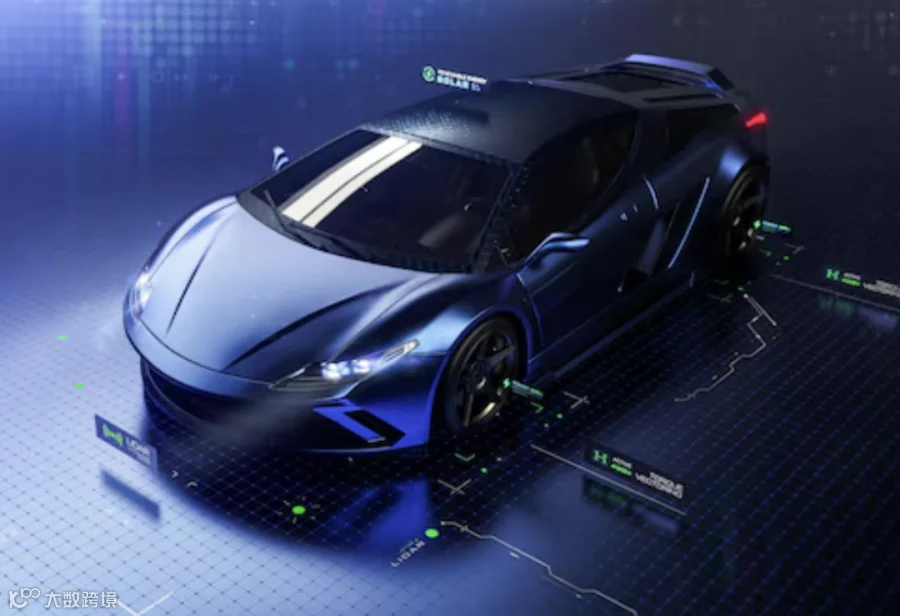
In sharp contrast, new energy startups are largely in “attack mode.”
Their asset-light structures and pure EV DNA make them more confident about policy tailwinds and market expansion.
领跑汽车:冲击百万销量的新势力代表
领跑汽车在2025年实现59.7万辆交付后,明确提出2026年冲击百万销量的目标。
A系列与D系列新品,将成为其规模跃升的关键变量。
After delivering 597,000 units in 2025, Leapmotor officially set a one-million-unit sales target for 2026.
New A- and D-series models are expected to drive its next growth leap.
小米汽车:从爆款到高质量增长
在第二款车型U7爆火后,小米汽车将2026年销量目标定为55万辆,同比增长超过30%。
雷军强调“高质量增长”,标志着小米汽车正从打造爆品,转向构建可持续的商业体系。
Following the success of the U7, Xiaomi Auto set a 2026 sales target of 550,000 units, over 30% growth.
Lei Jun emphasized “high-quality growth,” signaling a shift from viral success to sustainable value creation.
蔚来汽车:可持续发展的长期竞争力
蔚来汽车给出了40%—50%的稳健增长区间,并计划推出ES9、乐道L80等多款新车型。
在“反内卷”趋势下,蔚来更注重长期可持续竞争力,而非短期规模冲刺。
NIO projected a steady 40–50% growth range and plans to launch multiple new models, including ES9 and Onvo L80.
Amid the anti-involution trend, NIO is prioritizing long-term sustainability over short-term expansion.
四、市场分化的深层动因
传统车企背负燃油车时代的存量资产,转型成本高、路径复杂;
新势力则从零构建电动化体系,组织更灵活、决策更激进。
不同的技术路线与战略重心,共同塑造了2026年车市的分化格局。
Traditional automakers face higher transformation costs due to legacy ICE assets, while startups build EV ecosystems from scratch with greater flexibility.
Differences in strategy and technology paths are driving the structural divergence of the 2026 auto market.
五、2026年车市展望
中国乘联会预计,2026年车市将呈现“前低后高”的走势,全年增速有望高于零增长。
当补贴不再决定胜负,真正理解用户需求、控制成本并持续交付价值的车企,才能穿越周期。
The China Passenger Car Association expects a “low-first, high-later” trend in 2026, with overall growth above zero.
As subsidies fade as decisive factors, those who truly understand users, control costs, and deliver value consistently will emerge as winners.
#西亚跨境视角#绿色能源转型#新能源发展趋势#新能源汽车#汽车资讯早知道#绿色新能源#电车和油车#燃油车#电动汽车#新能源#让燃油车再次破防#品牌出海#品牌运营#品牌#出海#汽车出口#出口贸易#工信部新车申报#开年促销#L3级自动驾驶#吉利销量突破#比亚迪新品牌“领汇"#小米汽车维权
