



#ai眼镜
说实话,我一开始也没想到,2025 年最火的智能硬件,会是智能眼镜。
更没想到的是,最先冲进这个赛道的,不是传统消费电子厂商,而是一批车企。
Honestly, I didn’t expect that the hottest smart hardware in 2025 would be smart glasses.
What surprised me even more was that the first players rushing in weren’t consumer electronics brands, but car companies.
理想发布 AI 眼镜之后,讨论最多的并不是参数,而是一个挺有意思的问题:
你喊一句“理想同学”,到底是眼镜在听,还是车在听?
听起来像是细节问题,其实背后是一整套战略选择。
After Li Auto released its AI glasses, most discussions weren’t about specs, but a curious question:
When you say “Li Auto Assistant,” is the glasses responding, or the car?
It sounds trivial, but it actually reveals a much bigger strategy.
如果只把这副眼镜当成车载配件,那就有点看轻它了。
在理想看来,这更像是一个新的入口,是汽车“具身智能”的延伸。
If you see these glasses as just a car accessory, you’re underestimating them.
For Li Auto, they’re a new entry point—an extension of embodied intelligence built around the car.
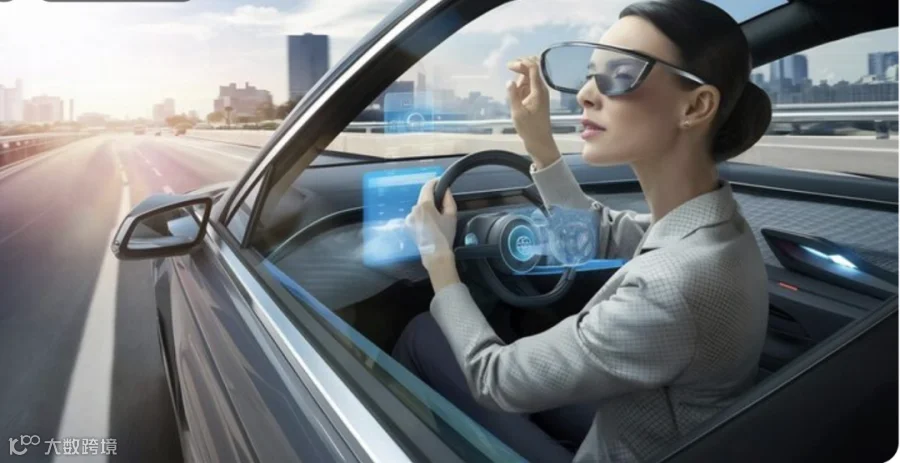
过去几年,智能辅助驾驶反复教育市场,让大家慢慢接受了一件事:
车早就不只是交通工具,而是一套会持续进化的智能系统。
Over the past few years, advanced driver assistance has reshaped user expectations.
Cars are no longer just vehicles—they’re evolving intelligent systems.
当汽车、眼镜、手机开始共用同一个 AI 底座时,事情就变得有意思了。
它们看起来形态不同,但本质上,都在帮同一个“大脑”采集信息、理解世界。
When cars, glasses, and phones share the same AI foundation, things get interesting.
They look different, but essentially they’re all feeding data into the same “brain” to perceive the world.
这也是为什么越来越多车企开始反攻智能硬件。
不是一时兴起,而是行业走到今天的必然选择。
That’s why more automakers are moving back into smart hardware.
It’s not a trend-chasing move, but an inevitable evolution of the industry.
卖车,正在从一次性交易,变成一种长期服务关系。
软件订阅、功能解锁、生态绑定,才是接下来真正的战场。
Selling cars is shifting from one-time transactions to long-term service relationships.
Subscriptions, feature unlocks, and ecosystem lock-in are becoming the real battlefield.
智能眼镜的意义,就在于它比车更轻、更高频、更贴近生活。
你不可能 24 小时坐在车里,但你可以一直戴着一副眼镜。
The value of smart glasses lies in their lightness and high-frequency usage.
You can’t stay in your car all day, but you can wear glasses all day.
对车企来说,这不仅是多卖一件硬件。
更重要的是,它能把用户的日常行为,源源不断地接入自己的 AI 体系。
For automakers, this isn’t just about selling another device.
It’s about continuously connecting users’ daily behavior to their AI systems.
但这条路并不轻松。
AI 对算力、算法和数据的要求极高,真正能跑通这套逻辑的,只会是少数头部玩家。
This path isn’t easy.
AI demands massive computing power, algorithms, and data—and only a few top players can truly make it work.
这意味着,汽车和智能硬件的未来,不会是百花齐放。
而更可能,是强者恒强。
This means the future of cars and smart hardware won’t be evenly distributed.
It will likely follow a “winner-takes-more” pattern.
当车企开始卖眼镜,其实并不是“不务正业”。
而是在为下一个十年的智能生态,提前布局。
When automakers start selling glasses, it’s not a distraction.
It’s a calculated move to shape the intelligent ecosystem of the next decade.
#西亚跨境视角 #绿色能源转型 #新能源发展趋势 #新能源汽车 #汽车资讯早知道 #绿色新能源 #电车和油车 #燃油车 #电动汽车 #新能源 #让燃油车再次破防#品牌出海 #品牌运营 #品牌 #出海 #汽车出口 #出口贸易#AI
