


竹之韵
The Bamboo:Gentlemen of the Plant World
竹,是传统文化里备受推崇的一种植物。它与梅、松并称 “岁寒三友”。哪怕在百花凋谢的冬季,竹子也能凌霜傲雪,从不屈服。它不是花,却与梅、兰、菊并称花中 “四君子”,因为它姿态挺拔修长、四季青翠。自古以来,喜爱竹子的文人墨客数不胜数。他们都是怎样赞美竹子的呢?
Bamboo, a beloved plant in traditional Chinese culture, is known as one of the "Three Companions in Winter" along with plum blossom and pine tree. Even in the depths of winter, when all other flowers wither, bamboo stands tall and unyielding against frost and snow. Though not a flower, it is also counted among the "Four Esquires of the Floral World" with plum, orchid, and chrysanthemum, for its tall, straight form and evergreen grace. Throughout history, countless scholars and artists have cherished bamboo, and their praises for it are endless.
宋代的著名诗人苏轼曾说:“宁可食无肉,不可居无竹”,就算吃不到肉也没关系,只要我住的地方有竹子就足够了。苏轼本是一位才华横溢、想要匡扶天下的士大夫,从政没多久就陷入党争,被小人诬陷。皇帝原本要将他杀死,是老臣们一再求情,才免除死罪。与其他怀才不遇的人不同,苏轼被贬谪之后,没有意志消沉、自怨自艾,相反,他像一根翠竹,在哪里生根就在哪里生长。
The famous Song Dynasty poet Su Shi once said, "I would rather be without meat than live a life without bamboo." For him, even going without meat was fine, as long as bamboo surrounded his home. A brilliant official with lofty ambitions to serve his country, Su Shi was soon framed in political strife and narrowly escaped execution thanks to the pleas of loyal ministers. Unlike many frustrated talents, he did not sink into despair after being exiled. Instead, he took root wherever fate led him, just like a proud bamboo thriving in any soil.
西湖淤塞,严重影响了农业生产和人民的生活,苏轼率众疏浚西湖,并把挖出的淤泥集中起来,筑成一条纵贯西湖的长堤,后人把它叫作 “苏公堤”。除了关心百姓,苏轼也非常热爱生活。他是一个不折不扣的大美食家,发明的东坡肉红艳透亮,软而不烂、肥而不腻,为枯燥的生活增添了一抹亮色。苏轼总是在居所的周围种满竹子,清风拂过,竹叶轻响,竹影错落,翠竹成了他的好友陪伴了苏轼寂寞的人生,治愈了他的内心伤痕。
When West Lake became silted up, hampering local life and agriculture, Su Shi led a dredging project and used the excavated mud to build a long causeway across the lake, later known as "Lord Su's Causeway." A passionate lover of life, he was also a master gastronome. His creation, Dongpo Pork, with its glossy red color, tender texture, and rich flavor, brought joy to his otherwise difficult days. He always planted bamboo around his dwellings; the rustling leaves and shifting shadows in the breeze became his constant companions, soothing his lonely heart and healing his inner wounds.
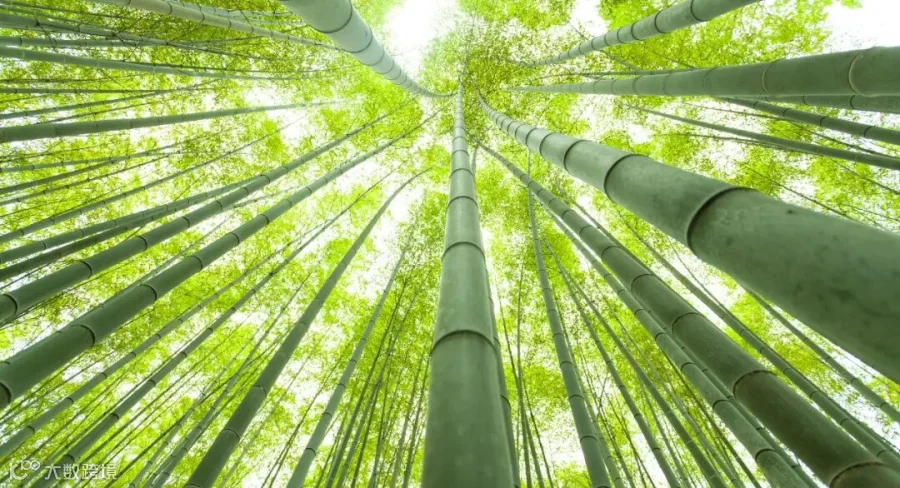
“咬定青山不放松,立根原在破岩中。千磨万击还坚劲,任尔东西南北风。” 这首用来吟咏竹子的小诗,用来形容苏轼非常合适。这首《竹石》的作者是清代著名画家郑板桥,“扬州八怪” 之一,一生爱竹。他赏竹、画竹、咏竹,与竹子结下不解之缘。人们问他:“为何能把竹子画得如此传神?” 他概括出三个词:“眼中之竹”“胸中之竹”“手中之竹”。
The poem "Bamboo in the Rock" perfectly captures Su Shi's spirit: "Clenching the green mountain, I take root in broken rocks; unyielding through a thousand blows, I stand firm against winds from all directions." Its author, the Qing Dynasty painter Zheng Banqiao, one of the "Eight Eccentrics of Yangzhou," was obsessed with bamboo his whole life—admiring it, painting it, and writing about it. When asked how he painted bamboo so vividly, he summed up his art in three stages: "bamboo in the eyes," "bamboo in the mind," and "bamboo in the hand."
所谓 “眼中之竹”,指的是自然中真实的竹子,画家需要对竹子细心观察,从实景中找到画意。所谓 “胸中之竹”,是艺术创作时的构思。苏轼的好朋友文与可擅长画竹,就强调作画之前要 “胸有成竹”,先把要表现的对象在头脑中呈现出来再下笔。所谓 “手中之竹”,指的是艺术创作的过程,艺术家们需要通过自己的技法、能力进行对现实的再创作。郑板桥的这一套理论,道出了艺术创作源于现实、高于现实的道理。
"Bamboo in the eyes" refers to the real bamboo in nature, which the painter must observe closely to find artistic inspiration. "Bamboo in the mind" is the artistic conception formed before creation—Su Shi's friend Wen Yuke, a master bamboo painter, emphasized "having a fully formed bamboo in one's chest" before picking up a brush. "Bamboo in the hand" is the process of artistic creation, where the artist transforms reality through skill and vision. Zheng Banqiao's theory reveals that art springs from life but rises above it.
晋代大书法家王子猷曾指着竹子说:“何可一日无此君!” 中华民族离不开青翠修长的绿竹,也离不开它所蕴含的坚韧不屈、虚怀若谷的民族精神。
The Jin Dynasty calligrapher Wang Ziyou once declared, "How can I go a single day without this noble gentleman?" The Chinese people cannot be separated from the slender green bamboo, nor from the national spirit it embodies: perseverance, resilience, and humility.
双语介绍
竹
竹,是中国传统文化中备受推崇的植物。它与梅、松并称 “岁寒三友”,又与梅、兰、菊共列 “四君子”,以凌霜傲雪的风骨、挺拔修长的姿态和四季常青的特质,成为文人墨客心中的精神象征。
竹身形挺直,宁折不弯,是正直;竹节生长不止,是奋进;外直中空,是虚心;有花不开,是质朴。它所蕴含的坚韧不屈、虚怀若谷,早已融入中华民族的精神血脉。
Bamboo is a highly esteemed plant in traditional Chinese culture. Known as one of the "Three Friends of Winter" alongside plum blossoms and pines, it is also counted among the "Four Gentlemen" together with plum blossoms, orchids and chrysanthemums. With its unyielding spirit against frost and snow, tall and straight posture, and evergreen nature, bamboo has become a spiritual symbol cherished by scholars and literati.
Bamboo stands upright and prefers to bend rather than break, embodying integrity. Its growing nodes represent perseverance; its hollow interior symbolizes modesty; and its plain, unflowered form reflects simplicity. The qualities of resilience and humility embodied in bamboo have long been integrated into the spiritual essence of the Chinese nation.
