


梅妻鹤子(Wife and Son of a Recluse)
北宋隐士林逋,自幼家贫却勤学不辍,终成饱学之士。他厌恶官场束缚,选择归隐杭州西湖,终生不仕不娶,一心追求自在的山林生活。
Lin Bu, a hermit of the Northern Song Dynasty, was born into a poor family but studied diligently, growing into a learned scholar. He abhorred the constraints of officialdom and chose to live in seclusion by West Lake in Hangzhou, refusing to serve as an official or marry for life, wholeheartedly pursuing a free life in the mountains and forests.
林逋淡泊名利,虽擅长诗文,却从不留稿传世。有人问他缘由,他直言:“我隐于山林,不求成名,何须惦念后世声名?”
Indifferent to fame and fortune, Lin Bu was a gifted poet and essayist, yet he never kept his manuscripts for posterity. When asked why, he said plainly, "I live in seclusion in the mountains and have no desire for fame, so why should I care about being remembered by future generations?"
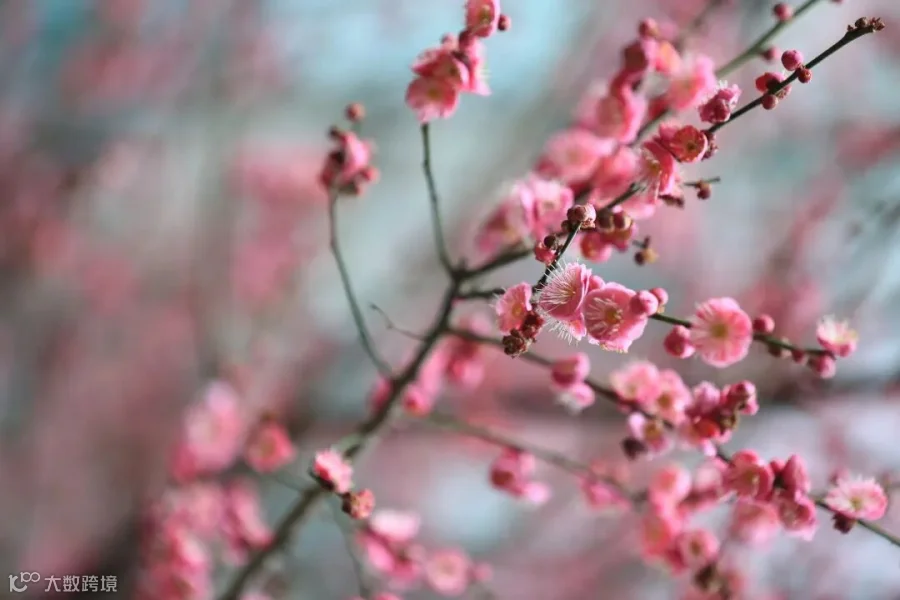
最令世人称道的,是他 “以梅为妻,以鹤为子” 的生活。他在院中遍植梅花,又养鹤为伴。每当有客来访,童子便放鹤寻他,见鹤归来,便知有客。
What made him legendary was his life of "taking plum blossoms as his wife and cranes as his son". He planted numerous plum trees in his courtyard and raised cranes as companions. Whenever visitors came, his servant would release the crane to find him; seeing the crane return, he knew guests had arrived.
林逋逝后,后人建 “放鹤亭” 以作纪念。他的故事,也让梅花的高洁与白鹤的超脱,成为中国人心中淡泊名利、寄情自然的精神象征。
After Lin Bu passed away, later generations built the "Flying Crane Pavilion" in his memory. His story has also made the purity of plum blossoms and the transcendence of cranes a spiritual symbol of eschewing fame and fortune and being close to nature in the hearts of the Chinese people.
双语介绍
梅花
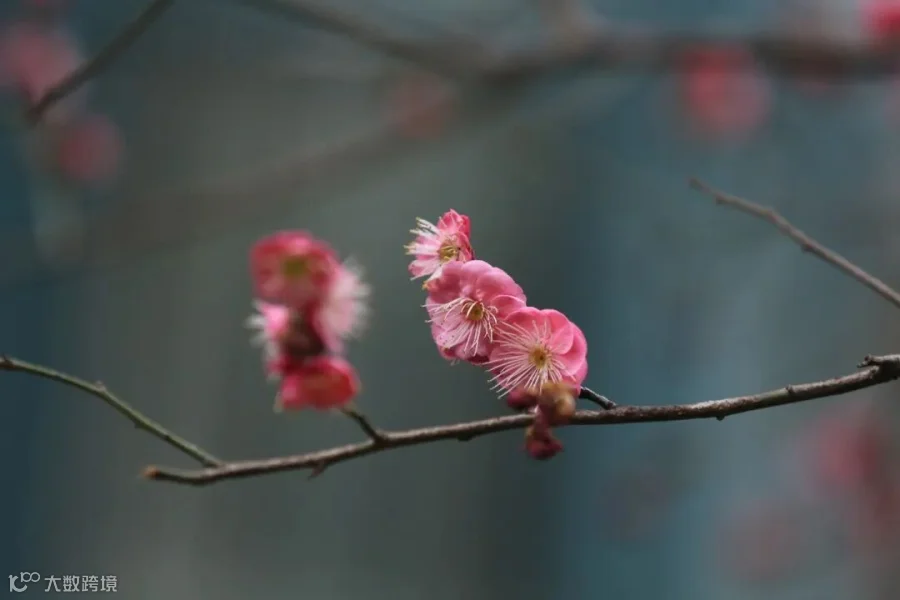
梅花不畏严寒,在寒冬中傲然绽放,是中国传统名花。它与兰、竹、菊并称 “四君子”,与松、竹合称 “岁寒三友”,象征着坚韧、高洁与不屈。梅花不与百花争艳,默默在风雪中吐露芬芳,体现了中华民族自强不息、清雅脱俗的精神品格,是代表中国气质与文化内涵的经典花卉。
Plum blossom braves the severe cold and blooms proudly in winter. As one of China’s most famous traditional flowers, it is known as one of the Four Gentlemen along with orchid, bamboo and chrysanthemum, and also one of the Three Friends of Winter together with pine and bamboo. It symbolizes perseverance, nobility and unyielding spirit. Choosing not to compete with other flowers in bloom, it quietly sends forth fragrance in wind and snow, embodying the Chinese nation’s character of self-improvement and elegance, making it a classic flower representing Chinese temperament and cultural connotation.
