



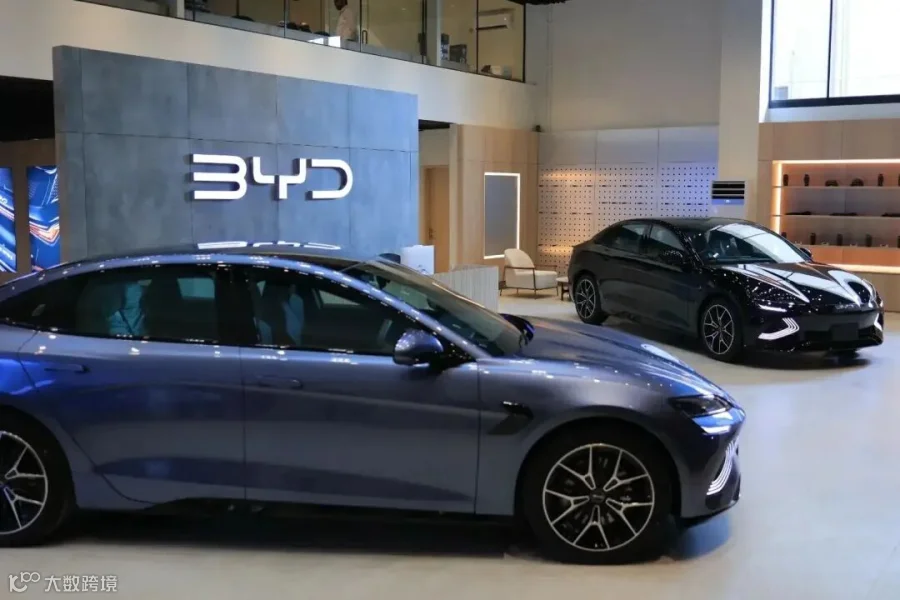
1.比亚迪探讨在巴基斯坦引入超快充(闪充)技术
BYD explores ultra-fast EV charging technology in Pakistan
比亚迪正与其巴基斯坦本地合作伙伴 Mega Motor Company(MMC)商谈,计划将下一代超快充技术引入巴基斯坦,以助推该国新能源汽车的普及。比亚迪股份有限公司副总裁、亚太汽车销售事业部总经理刘学亮在独家专访中表示:"我们目前正与本地合作伙伴 Mega Motor Company 商讨如何最终引入这一技术,以服务巴基斯坦客户。"他指出,比亚迪第二代刀片电池为"兆瓦闪充"技术提供支撑,"其最大优势是大幅缩短充电时间,使电动汽车在日常使用中更加实用,同时加速新能源汽车的普及"。该最新充电技术专为搭载新一代电池平台的车型设计,现有比亚迪车型仍可兼容相关充电设施,但充电速度会有差异。刘学亮表示,该技术在巴基斯坦的落地将取决于基础设施的成熟度、与相关方的磋商以及未来的产品规划。谈及比亚迪在巴基斯坦建设的工厂时,他表示该项目"将在2026年下半年临近投产"。该工厂是比亚迪在中国境外的第六座工厂,年产能为2.5万辆,可扩展至5万辆;预计将创造超过1100个就业岗位,并在2034年前帮助减少约16.5万吨二氧化碳排放。
Chinese electric vehicle giant BYD is in talks with its local partner, Mega Motor Company (MMC), to introduce its next-generation ultra-fast charging technology in Pakistan, as the company looks to support the adoption of new energy vehicles in the country. Liu Xueliang, Vice President of BYD Co., Ltd. and General Manager of BYD's Asia Pacific Auto Sales Division, said in an exclusive interview: "We are currently discussing with our local partner, Mega Motor Company, how this technology could eventually be introduced to serve Pakistani customers." He shared that BYD's second-generation Blade Battery powers its Mega Flash Charging technology. "Its biggest advantage is that it significantly reduces charging time, making electric vehicles far more practical for everyday use while accelerating the adoption of new energy vehicles." The latest charging technology is designed for next-generation vehicles equipped with the new battery platform, while existing BYD vehicles will continue to be compatible with the charging infrastructure, although charging speeds will vary. Liu said the introduction of this technology in Pakistan will depend on infrastructure readiness, discussions with relevant stakeholders and future product planning. Talking about the BYD manufacturing plant being established in Pakistan, he shared that the project is "nearing its launch in the second half of 2026." This is BYD's sixth facility outside of China and has a production capacity of 25,000 units per annum, scalable to 50,000 units per annum. It is expected to generate more than 1,100 jobs and help avoid an estimated 165,000 tonnes of CO2 emissions by 2034.

2.巴基斯坦太阳能市场吸引中国储能企业
Pakistan Solar Market Attracts Chinese Energy Storage Firms
Solar Pakistan 2026 展会于周五在卡拉奇展览中心开幕,为期三天,将持续至10月11日,共有来自15个国家的350多家企业参展。储能解决方案在展会上引发强烈关注,巴基斯坦不断增长的太阳能市场正推高住宅、商业和工业领域对电池的需求。深圳企业 AC NEWENERGY 展示了其储能产品,该公司专注于研发及一体化储能解决方案,产品出口欧洲、南亚和非洲。AC NEWENERGY 巴基斯坦公司首席执行官 Leo Deng 表示,公司进入巴基斯坦市场约一年内便建立了市场影响力,并将此归功于品牌建设、更广泛的销售渠道以及参展。他称,Solar Pakistan 帮助公司获得了销售线索并建立了新的商业合作。数据显示,2026年前七个月巴基斯坦进口了约7.2吉瓦的中国太阳能电池板,成为仅次于荷兰的中国太阳能出口第二大目的地。锂电池需求预计到2030年将达到8.75吉瓦时,到2031年达到40至51吉瓦时。巴基斯坦《2026—2031年国家锂电池制造政策》设定了分阶段的本地化目标和财政激励措施。Deng 表示,作为长期市场战略的一部分,AC NEWENERGY 可能会考虑在巴基斯坦进行本地组装。
Solar Pakistan 2026 opened at Karachi's Expo Centre on Friday. The three-day event, running through October 11, features more than 350 companies from 15 countries. Energy storage solutions are drawing strong interest at the exhibition, as Pakistan's growing solar market is increasing demand for batteries across residential, commercial and industrial sectors. Shenzhen-based AC NEWENERGY is presenting its energy storage products; the company specializes in research, development and integrated energy storage solutions and exports to Europe, South Asia and Africa. Leo Deng, CEO of AC NEWENERGY Pakistan, said the company had built a market presence within roughly one year of operating in Pakistan, crediting brand development, wider distribution channels and participation in industry exhibitions. He added that Solar Pakistan had helped the company generate sales leads and establish new business partnerships. Pakistan imported approximately 7.2 gigawatts of Chinese solar panels during the first seven months of 2026, making it the second-largest destination for Chinese solar exports after the Netherlands. Lithium-ion battery demand is projected to reach 8.75 gigawatt-hours by 2030 and between 40 and 51 GWh by 2031. Pakistan's National Lithium-ion Battery Manufacturing Policy for 2026-31 sets out phased localization targets and fiscal incentives. Deng said AC NEWENERGY may consider local assembly in Pakistan as part of its long-term market strategy.

3.旁遮普大学与中方伙伴签署新能源合作备忘录
Punjab University, Chinese Partners Sign New Energy MoU
拉合尔旁遮普大学与两家中国合作方签署了一份谅解备忘录,以推动新能源教育与研究,旨在为巴基斯坦培养技术人才并加强产业联系。合作方为中国潍坊学院和新能源产业协会,双方于周四签署了该协议。协议将探索联合办学项目和技术培训,重点领域包括太阳能、储能、电池技术和电力电子,合作还将涵盖电动出行和充电基础设施。签约仪式在旁遮普大学校长办公室举行,副校长 Mahmood Saleem 及中国机构代表出席。三方将探索开设新能源工程或技术方向的联合本科项目,并可能引入合作教学模式。拟议的合作包括课程开发、师资培训和职业教育,学生和专业人士还可能受益于短期证书课程,相关院校计划为参与的学生和教师提供中文学习机会。合作旨在将学术学习与实践产业经验相结合,计划开展实习、企业参观、专家讲座和职业指导等活动,三方还将探索联合研究项目和实验室建设。
The University of the Punjab in Lahore has signed an MoU with two Chinese partners to promote new energy education and research. The agreement aims to develop skilled workers and strengthen industry links in Pakistan. The partners are China's Weifang University and the New Energy Industry Association. They signed the agreement on Thursday. The agreement will explore joint academic programs and technical training. Key areas include solar power, energy storage, battery technology and power electronics. The cooperation will also cover electric mobility and charging infrastructure. The signing ceremony took place at the University of the Punjab Vice-Chancellor's office. Pro Vice-Chancellor Mahmood Saleem and representatives of the Chinese institutions attended the event. The three partners will explore launching a joint undergraduate program in new energy engineering or technology, and may also introduce collaborative teaching models. The proposed partnership includes curriculum development, faculty training and professional education. Students and professionals may also benefit from short-term certificate courses. The institutions plan to offer Chinese language learning opportunities to participating students and faculty members. The partnership aims to connect academic learning with practical industry experience. Planned activities include internships, industrial visits, expert lectures and career guidance. The partners will also explore joint research projects and laboratory development.
