


▪
Here in the age of the covid-19 pandemic, the United States GDP has dropped by nearly a third during the second quarter.
Unemployment levels are off the charts, higher than at any time in nearly a century, and corporate earnings prospects are dismal for a record number of businesses.
People in many states can't go out to buy stuff or spend money on eating out and other services like movies or live music, sports have either been canceled or have taken an enormous hit to their bottom line, and everything is much slower now.
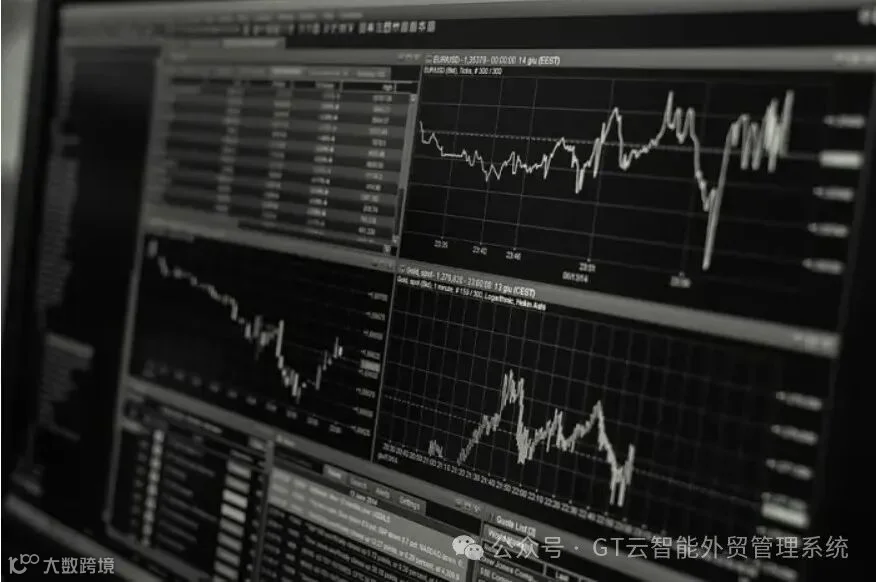
On the flip side, the NASDAQ smashed through record highs, and the S&P 500 and Dow Jones Industrial Average have approached prior highs, experiencing its best quarter in more than 20 years.
So, what gives?
Lollapalooza Effects
In the context of economics and decision-making, the Lollapalooza effect highlights how several cognitive biases, when combined, can lead to significant and sometimes irrational behavior in individuals, markets, or organizations.
Some common cognitive biases that contribute to the Lollapalooza effect include:
Confirmation Bias:
People tend to seek out information that confirms their existing beliefs or preferences while ignoring or discounting contradictory evidence. When multiple individuals or groups exhibit confirmation bias simultaneously, it can reinforce groupthink and lead to exaggerated market trends or bubbles.
Social Proof:
Individuals often look to others for guidance on how to behave, especially in uncertain or ambiguous situations. Social proof can lead to herd behavior, where people imitate the actions of others without independently evaluating the situation. When large numbers of people engage in herd behavior simultaneously, it can magnify market movements and contribute to asset bubbles or crashes.
Overconfidence Bias:
Many people tend to overestimate their own abilities, knowledge, or judgment, leading to overconfidence in their decision-making. When multiple individuals or institutions exhibit overconfidence simultaneously, it can contribute to the formation of speculative bubbles or excessive risk-taking in financial markets.
Loss Aversion:
People generally experience stronger negative emotions from losses than positive emotions from equivalent gains, leading to a tendency to avoid losses at all costs.
Loss aversion can result in irrational decision-making, such as holding onto losing investments for too long or selling winners too soon, particularly when combined with other biases.
Today's Knowledge丨Loss Aversion
What Do People Mean When
they Say "The Stock Market"?
The answer isn't exactly as simple as it might seem, since there are different markets, but in a nutshell, the stock market is where tiny pieces of businesses (stocks) are bought and sold, mainly from individual and institutional investors and traders.
The Dow Jones Industrial Average is probably the one most people are most familiar with. When people talk about the stock market crash of 1929 (Black Tuesday), they're usually citing statistics from the Dow, like this chart:
The DJIA is the 30 largest US companies by market capitalization (what you could buy the whole company for it if was all for sale, according to the share price). So, on that basis, it's maybe not the greatest indicator of how the US is doing overall with regard to business future. Many say the S&P 500 is much better for that. However, the S&P includes companies that aren't in the US- although most are, especially by percentage (Apple, Microsoft, Amazon, etc - those are monstrously large companies, many times larger than many of the other companies combined).

There Is No Alternative
Another consideration: if you're trying to preserve your wealth, where else are you going to put your money?
You know cash is going to be worth less in the future due to inflation, so you'd want to put it somewhere that earns more cash over time. One place might be an investment that's considered safe, like a Treasury bill, but the problem is that the Fed has lowered interest rates so much (thanks to bullying by Trump over the years, and also recently, in an attempt to stimulate the economy), that Treasury yields are almost zero.
In other words, the "safe" bets are the same as holding cash, meaning inflation will just eat your cash away. So, hiding it under your mattress isn't going to work, and buying Treasurys isn't going to work. That's why we are seeing so much money dumped into three areas, and why all three price categories are skyrocketing right now:
1. Stocks
2. Real estate (especially homes - understandable why commercial real estate prices aren't skyrocketing, but homes are)
3. Precious metals
Finally
There's something to be said for the excitement of the stock market. Some folks don't like much risk, and would prefer to stay at home and watch Netflix during their down time (and hey, if you're working from home nowadays, what even is the difference between "down" and "not down" time? do days matter?).
However, there's an entirely different type of person who is much less risk-averse. It's not that these folks have been investing in stocks the entire time, necessarily.


Click the blue word to follow us

NEWS
”
Long press scan code to consult more data management issues ~