


微观
Microscopic
艺 术 家 | 薛 广 陈
A r t i s t | Xue Guangchen
展 览 时 间 | D u r a t i o n
2 0 2 3 . 0 5 . 2 0 - 06 . 2 0
抽象的写实
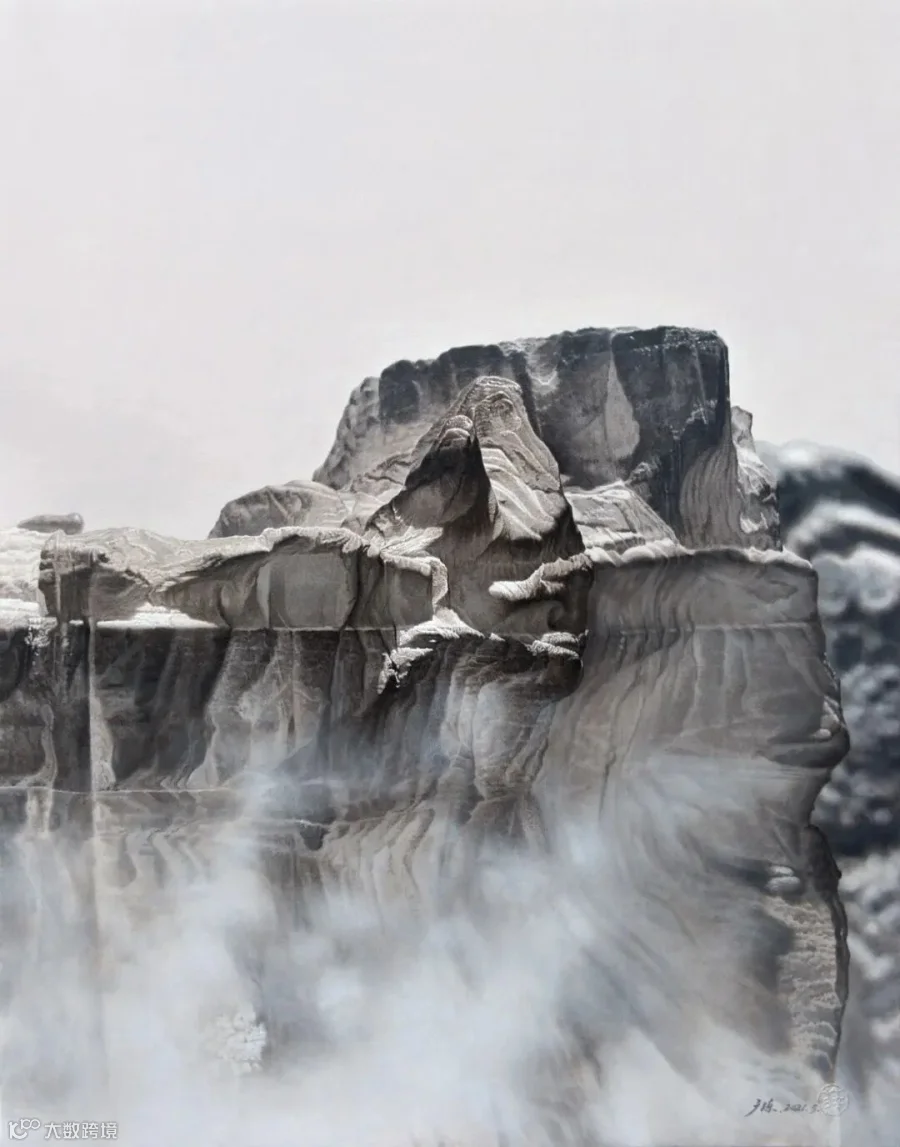
薛广陈的写实绘画在高度写实中其实具有一种高度的抽象意识,他的绘画中那些高度写实的局部其实揭示了自然界内在的抽象。对这种抽象的自觉意识在当代中画家中以陈文骥最为突出,陈文骥30多年来的绘画正是经历了一个从写实向抽象的转换,从极多到极简的转型,即“抽象与具象的结合”。从写实走向“写实抽象”,或者是抽象性的“写实”。这看起来是一个矛盾的表述,但是康定斯基早就在他有关抽象艺术的著作中指出,伟大的抽象与伟大的具象在一个更高的层面上是相通的。我的理解是,那些优秀的写实主义绘画,并不是现实生活中的人与物的堆积,即我们在学院课堂里写生时那种“所画即所见”,而是深入了解自然的内在奥秘之后,将具象的形象与形象背后的抽象结构进行组织构图,从而使画面获得一种坚实的内在结构的力量。
Abstract realism
Xue Guangchen's realistic paintings actually possess a high level of abstract consciousness in highly realistic painting, and the highly realistic parts in his paintings actually reveal the inherent abstraction of nature. Chen Wenji is the most prominent contemporary Chinese painter in terms of this abstract consciousness. Over the past 30 years, Chen Wenji's paintings have undergone a transformation from realism to abstraction, from extreme to minimalism, that is, the combination of abstract and concrete. Moving from realism to "realistic abstraction" or abstract "realism". This seems to be a contradictory statement, but Kandinsky has pointed out in his works on abstract art that great abstraction and great representation are interlinked on a higher level. My understanding is that those excellent realist paintings are not the accumulation of people and objects in real life, that is, the "what we draw is what we see" when we sketch in college classrooms. Instead, after deeply understanding the inner mysteries of nature, we organize and construct the concrete images and the abstract structures behind them, so that the images gain a solid internal structural power.
--Yin Shuangxi
展览现场|Exhibition View
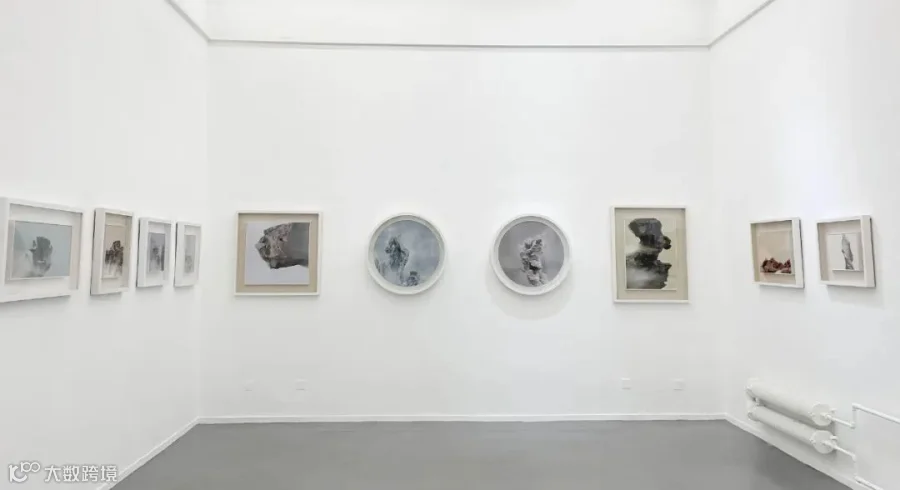
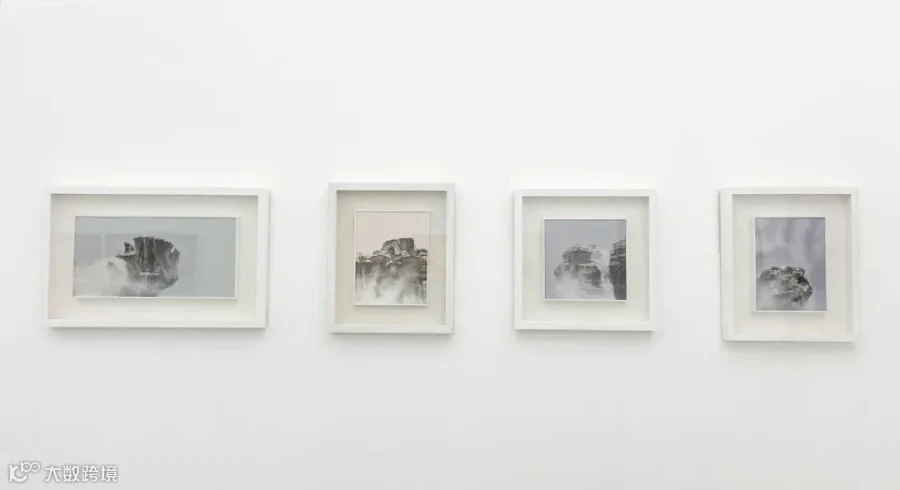
自谢灵运开创出山水诗起,独立的山水欣赏,便开始成为中国文人审美世界里的重要内容。寻求内心的自在成为唯一的目的。南朝画家宗炳性好山水,却因疾病而无法前往,便叹曰:“老疾俱至,名山恐难遍游,当澄怀观道,卧以游之”。宗炳观壁上图画以“卧游”。而后世文人更是将此道扩展至案头供石,院中叠石,纸上生壑。内心的需求与现实的无奈都掩饰不住文人之山水情怀。此次“微观”展是继二零一五年中国美术馆薛广陈“中国式风景”油画个人作品展之后的又一个人作品展。继续以微观的视角揭示个人的观看之道,山水情怀。
英国诗人威廉‧布莱克(WilliamBlake)的作品《天真之歌》里的诗句“一沙一世界,一花一天堂,双手握无限,刹那即永恒”。山水情怀真的是一块供石、几块叠石、一卷山水画能给予的吗?恐怕这些只是外在的形式而已,真正的情怀还是根植于内心的文人精神。佛语“相由心生,境随心转。
当我们心中有山水,谦恭微观,处处皆是水云间。寻常物什蕴山水之道。同理,蔬果,花卉又何尝不是和你我一样的万物生灵呢?艺术可以是视觉的饕餮,也可以是心灵的故乡。通常对于画展我们会讲“看画展”,满足于视觉的享受,然,古人却曰:“品画卷”。享受于心灵的慰籍。一“看”一“品”两种心景。愿此次“微观”能带给观者“看”的愉悦;“品”的滋味!



Foreword to the "Microscopic" Exhibition
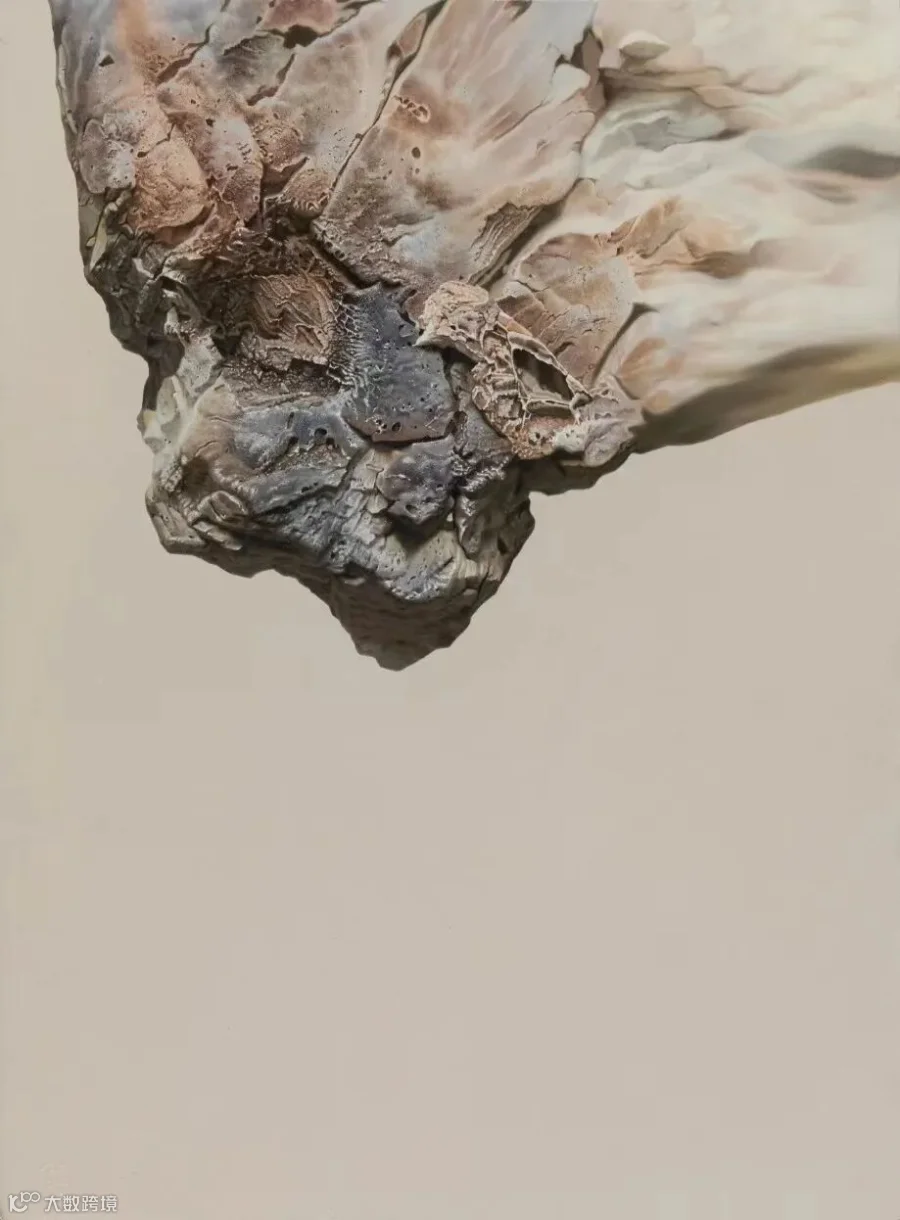
问山4--如风 布面油画 | Oil on canvas 25x34cm , 2014
When we have mountains and rivers in our hearts, humble and humble, everywhere is between water and clouds. Ordinary things contain the path of mountains and rivers. Similarly, are vegetables, fruits, and flowers all creatures like you and me? Art can be a visual feast, or it can be the hometown of the soul. Usually, for art exhibitions, we talk about "watching art exhibitions" and satisfy ourselves with visual enjoyment. However, the ancients said, "tasting art scrolls". Enjoy the comfort of the soul. There are two types of mental landscapes: "seeing" and "tasting". May this' micro 'bring the pleasure of seeing to the audience; The taste of 'product'!
--Xue Guangchen
观看广陈的作品需要绕过技术的迷雾,需要您不被刻画的物相所干扰而持有任何偏见;您要试着沉静下来 看他在一块微石里怎样布局山水,又要有童趣和天真之眼看一块石头变成了一个奇异的可爱的怪兽,奇异精灵里有天地山水,有文人志趣,山水又组合成就一个玲珑精灵或者怪兽…如此刻意寻微小之物,又现天地之大 ,严肃之际又进可爱稚趣……
看他寻常的景物与花果 如果你只看到技术的精湛且止于此 ,那我觉得可能我们还真的有点自我和不认真了,您仔细看那蜜蜂展开双翅奔向花卉果蔬,您也用您的天真之耳听见羽翼振动,甚至蜜蜂自己看到美食的忍抑不住的欢快笑声;如果按照这样的路径 您再看看广陈的螳螂 蝴蝶,您会有同样的忍俊不禁..
广陈作品在妙有艺术的“微观”个展之前 已经有很多前辈师友对他作品的从不同角度发表了诸多不一样的观察结果。个人觉得让人尊重的艺术家无论是什么工作路径,也不用介意你要发现和解决什么问题,如果你用了真心 也并且有能力把你的真心意通过画面让观者知晓 、会意已是让人敬重;但是同理也需要我们观者有一颗不带经验偏见的天真之眼来意会广陈的微观山水氤氲无际,以此来体味虚实 有无 的中国山水观;也可以意会到花果的生命状态与飞禽生灵之间的能量同频的和谐共生的美妙境地。
Watching Guangchen's works requires bypassing the fog of technology, and you need to not be disturbed by the depicted objects and hold any bias; You should try to calm down and watch him layout the landscape in a small stone, while also having a childlike and innocent eye. A stone has turned into a strange and lovely monster, and there are mountains and rivers in the strange spirit, literati's interests, and the combination of mountains and rivers creates a delicate elf or monster... So deliberately searching for small things, revealing the size of heaven and earth, and entering a cute and childlike atmosphere when serious.
Looking at his ordinary scenery and flowers and fruits, if you only see the exquisite technology and stop here, then I think we may be a bit self centered and not serious. You carefully look at the bee spreading its wings and running towards flowers and fruits and vegetables, and you also use your innocent ears to hear the vibration of wings, and even the bees themselves can't help but laugh happily when they see the delicious food; If you follow this path and take a look at the praying mantis butterfly in Guangchen, you will have the same unbearable laughter.
Before the "micro" solo exhibition of Miaoyou Art, many senior teachers and friends had already published many different observations on his works from different perspectives. Personally, an artist who is respected, regardless of their work path, doesn't mind what problems you need to discover and solve. If you use your sincerity and have the ability to convey your sincerity through the screen to the audience, it is already admirable; However, in the same way, we also need our viewers to have an innocent eye without experience bias to understand the vast and intricate micro landscape, in order to appreciate the Chinese landscape view of reality and emptiness; You can also appreciate the wonderful situation of harmonious coexistence between the life state of flowers and fruits and the energy of birds and creatures in the same frequency.
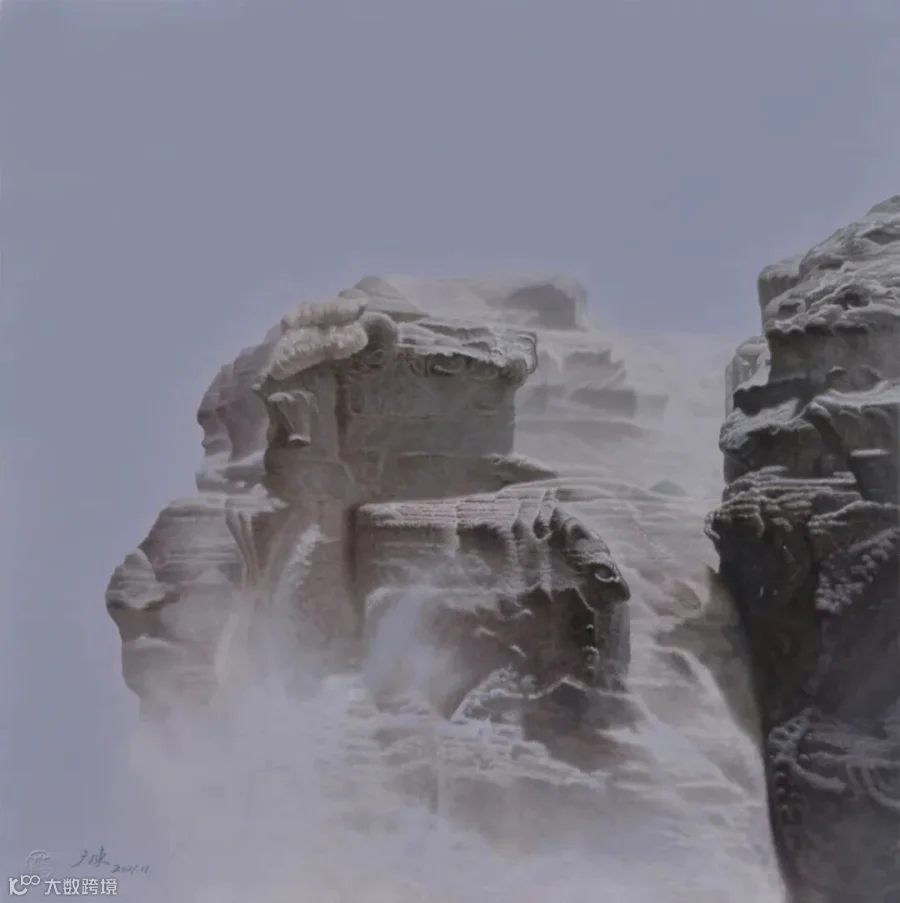
壁立千仞NO2 布面油画 | Oil on canvas30x30cm , 2021
 国风· 太古 布面油画 | Oil on canvas 34x25cm , 2020
薛广陈的作品虽然高度写实,与上个世纪90年代成名的石冲、冷军、常青等在写实技术上不分伯仲,但他的审美取向其实与前述写实画家有很大的差异,他所关注的,其实是形象的变异与陌生化。例如《俯瞰微揽》系列作品中所描绘的砖、面包和火腿等现实物品,其实并非简单地再现,而是通过高度写实与高度抽象的结合,完成观众视觉意象的心理转换。这种抽象不是将形象抽离或隐去,而是将形象截取并置于单一的背景色中,使高度清晰而具真实立体感的“工具”与“静物”,处在一个抽象色彩的平面中。在物体的上下边缘,不存在光影,它不在常见的桌面上,更像是处在一个抽象的空间中。画家试图通过视觉心理学的“完型理论”,使图像在人的视觉中产生误读,从而转换为另一种形象。为了这样一种思路,画家可以将砖块的下半部分以“晕化”方式表达出“岫出浓雾”的渐进过渡,从而增加了形象“横空出世”的突兀感,进而与现实生活中所见的物体拉开了距离。总之,“看山不是山”、“所见非所物”,艺术家与我们进行一场视觉的智力游戏,挑战我们对个人视觉判断能力的自信,让我们在惊诧之后获得一种惊奇。
Although Xue Guangchen's works are highly realistic, which is equal to Shi Chong, Leng Jun, Chang Qing and others who became famous in the 1990s in terms of realism technology, his aesthetic orientation is actually quite different from the aforementioned realistic painters. What he focuses on is actually the variation and defamiliarization of the image. For example, the realistic objects such as bricks, bread, and ham depicted in the "Overlooking the Micro View" series are not simply reproduced, but rather through a combination of high realism and high abstraction, the psychological transformation of the audience's visual imagery is completed. This abstraction is not about extracting or hiding images, but rather capturing them and placing them in a single background color, so that the highly clear and realistic "tools" and "still life" are placed on a plane of abstract colors. At the upper and lower edges of the object, there is no light or shadow. It is not on a common desktop, but rather in an abstract space. The painter attempts to use the "gestalt theory" of visual psychology to make images misread in human vision and transform them into another image. In order to adopt this approach, painters can express the gradual transition of the lower part of the brick in a "halo" manner, which increases the abrupt sense of the image "emerging from the sky", and thus distance it from objects seen in real life. In short, 'seeing mountains is not mountains' and' seeing is not what we see ', artists engage in a visual intelligence game with us, challenging our confidence in personal visual judgment ability, and allowing us to gain a sense of surprise after being surprised.
— 殷双喜 Yin Shuangxi
承载花果的物件,最为用心,也是薛广陈静物作品的一大特色。花果之下,或是破碎的砖块,或是生锈的钢铁,或是历经岁月的木头、废弃的纸板……它们与花果的物性和质感截然相反,在画面中形成极富张力的对比:坚硬与柔软的对比,斑驳与光滑的对比,无生命个体与有生命个体的对比,黯淡与光泽的对比。这般特立独行的“绿叶”,强烈地烘托出花果的饱满和美好,盛夏万物生长的气息、金秋丰收的滋味隐隐破空而来。同时,这种主观过滤后的事物组合和极简的空间安排,使得熟悉的事物陌生化,也使画面获得一种坚实的内在结构的力量,形成奇妙的视觉感受。这一点,与薛广陈的微观山水作品是一脉相承的。
The object that carries flowers and fruits is the most attentive and also a major feature of Xue Guangchen's still life works. Under the flowers and fruits, there are either broken bricks, rusty steel, aged wood, discarded cardboard... They are completely opposite to the physical properties and texture of the flowers and fruits, creating a highly tensile contrast in the picture: the contrast between hard and soft, the contrast between mottled and smooth, the contrast between inanimate and living individuals, the contrast between dim and shiny. This unique "green leaf" strongly highlights the fullness and beauty of flowers and fruits, and the scent of summer and autumn's bountiful harvest looms through the air. At the same time, this subjectively filtered combination of things and the minimalist spatial arrangement make familiar things defamiliarization, and also make the picture obtain a solid internal structural strength, forming a wonderful visual experience. This is in line with Xue Guangchen's micro landscape works.
— 柯茵 Ke Yin
相对于国画,油画家本身出品就不快,而广陈的画法则更慢。这也在一定程度上决定了我们对他进行评价时,尽量保持低调——如同议论孕妇肚里是男是女,或是围观正在孵蛋的母鸡,往往事倍功半。既然,他几乎每一件作品都能带给我们极大的视觉满足感,就足可证明他绘画的诚意与能力。他已经看破和需要他看破的东西都很多,但此刻是他最好的年华,我唯一想对广陈说的是:请先留下精致的快意吧。
Compared with traditional Chinese painting, oil painter themselves are not quick to produce, and the widely used painting rules are slower. This also determines to some extent that when evaluating him, we should try to keep a low profile - just like discussing whether a pregnant woman has a male or female belly, or watching a hen hatching eggs, we usually get twice the result. Since almost every piece of his work can bring us great visual satisfaction, it is sufficient to prove his sincerity and ability in painting. He has seen through and needs to see through many things, but this is his best time. The only thing I want to say to Guang Chen is: please leave behind exquisite pleasure first.
— 王源 Wang Yuan
超写实与超现实,西方艺术史之中两种相去甚远的取向,在此被薛广陈糅合到个人的微观图 像生产里,如果说前者是语言及形式的技术性假借,后者则是意识变迁之后的再结构化。绘画作为表象,超写实则开始成为了表象的表象,如同一层物质的帷幔,隐现着对于古老笔触、文本及审美传统的追思。在最初的这个阶段,物哀只是他个人记忆的具体表征,还没有牵涉更为广大的移情,进入到这个阶段之后,物象的语义也就改变,它成为自我腾空的壳,意欲呼唤和承载亦真亦幻的“道“。
Surrealism and surrealism, two vastly different orientations in Western art history, have been integrated into personal micro image production by Xue Guangchen. If the former is a technical borrowing of language and form, the latter is a re structuring after a change in consciousness. Painting, as a representation, began to become the representation of the representation, like a layer of material curtain, faintly reflecting on ancient brushstrokes, texts, and aesthetic traditions. In the initial stage, material sorrow was only a concrete representation of his personal memory, without involving a broader sense of empathy. After entering this stage, the semantics of the object also changed, becoming a shell of self emptiness, intending to call and carry the true and illusory "Tao".
— 朱朱 Zhu Zhu
 凝润 布面油画 | Oil on canvas 20x60cm , 2021
如今世界文化的多元也给我们的艺术家提供了一个多层次的发展和变化机遇,但薛广陈并没有去“寻膻逐臭”,也无“如圊虫逢秽欣然一饱”,而是全身心的追求着一种中国古代文人“泊然天地初,道心安有染”的不染境界。寂寥大地谁堪共语!
Nowadays, the diversity of world culture also provides our artists with multi-level opportunities for development and change. However, Xue Guangchen did not "seek the smell of the smell" or "satisfy oneself with pleasure when encountering filth". Instead, he wholeheartedly pursued a state of immaturity that ancient Chinese literati believed was "wandering in the beginning of heaven and earth, with a peaceful and infectious heart". Who can speak in the lonely earth!
— 张子康 Zhang Zikang
在薛广陈的作品中我们能够感受到流动的时间在这里凝固,他用画笔为我们撕开了通往内心的一条缝隙,这是一个平静的世界,画面中简单的形象被人格化,他像一面镜子,将人对于物质、文化的思考和对平常物品的使用痕迹反射并放大,通过这些简单的形象,我们可以反观自己对待周围世界的态度,也可以看到我们的思考和行动的结果被这些移动过或被改变的平常事物,触动自我存在的些许事物片段。看薛广陈的这些作品,犹如一道静谧的光洒下来,当把其中所有细节看清以后,也就看到了我们自己。
In Xue Guangchen's works, we can feel the solidification of flowing time here. He uses his paintbrush to tear open a gap to our hearts, which is a peaceful world. The simple images in the picture are personified, like a mirror, reflecting and amplifying people's thoughts on material and cultural aspects and the use of ordinary objects. Through these simple images, we can reflect on our attitude towards the world around us, We can also see that the results of our thinking and actions are moved or changed by these ordinary things, touching some fragments of our own existence. Looking at Xue Guangchen's works, it's like a quiet light shining down. After seeing all the details, we can also see ourselves.
— 劳丁 Lao Ding
《中国式风景系列》
我喜欢从画面上寻找一些东西。我不太同意别人说自己是在画静物,我感觉更准确的说是在画风景画。古代文人画家在大山大水中寄予自己的情感,是自己的精神寄所,而生活在现代城市里的我会从不起眼的实物,从它们的微观局部中找到自己的情感寄托。“夫万事万物之理不外于吾心——王阳明”。我更喜欢从大时空里找绘画的节点,并不是定在某一个具体的时间段。道家强调从宏观的角度去看待自己的世界,我希望自己的画,将来人们看的时候也不仅仅是把它定在某一个特定的时代中来解读。

壁立千仞No.1 布面油画 | Oil on canvas 35x2.3cm , 2021
--Xue Guangchen
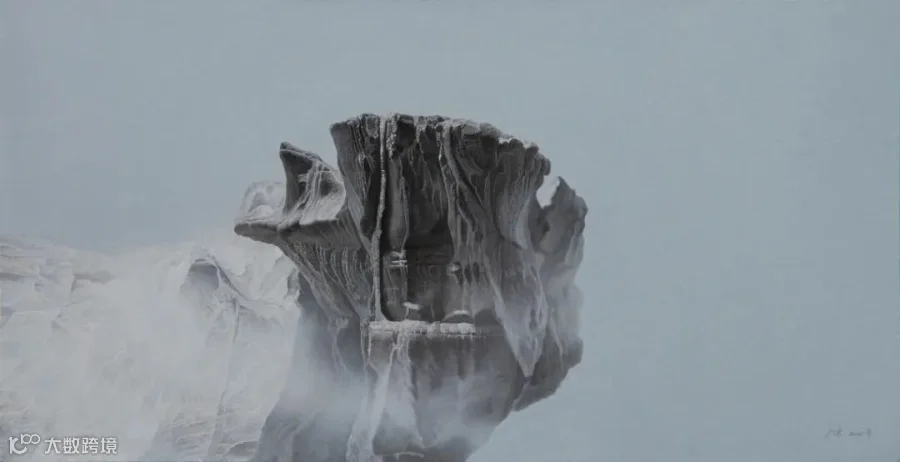
江祖一片石, 青天扫画屏----李白。

壁立千仞No.2 布面油画 | Oil on canvas 30x30cm , 2021
--薛广陈
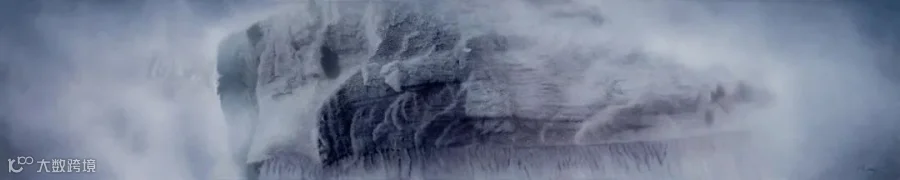
国风·画屏 布面油画 | Oil on canvas 20x100cm , 2022
请向左旋转手机90度观看完整作品

Jiang Zu is a piece of stone, and the blue sky sweeps the painting screen.
-- Li Bai.
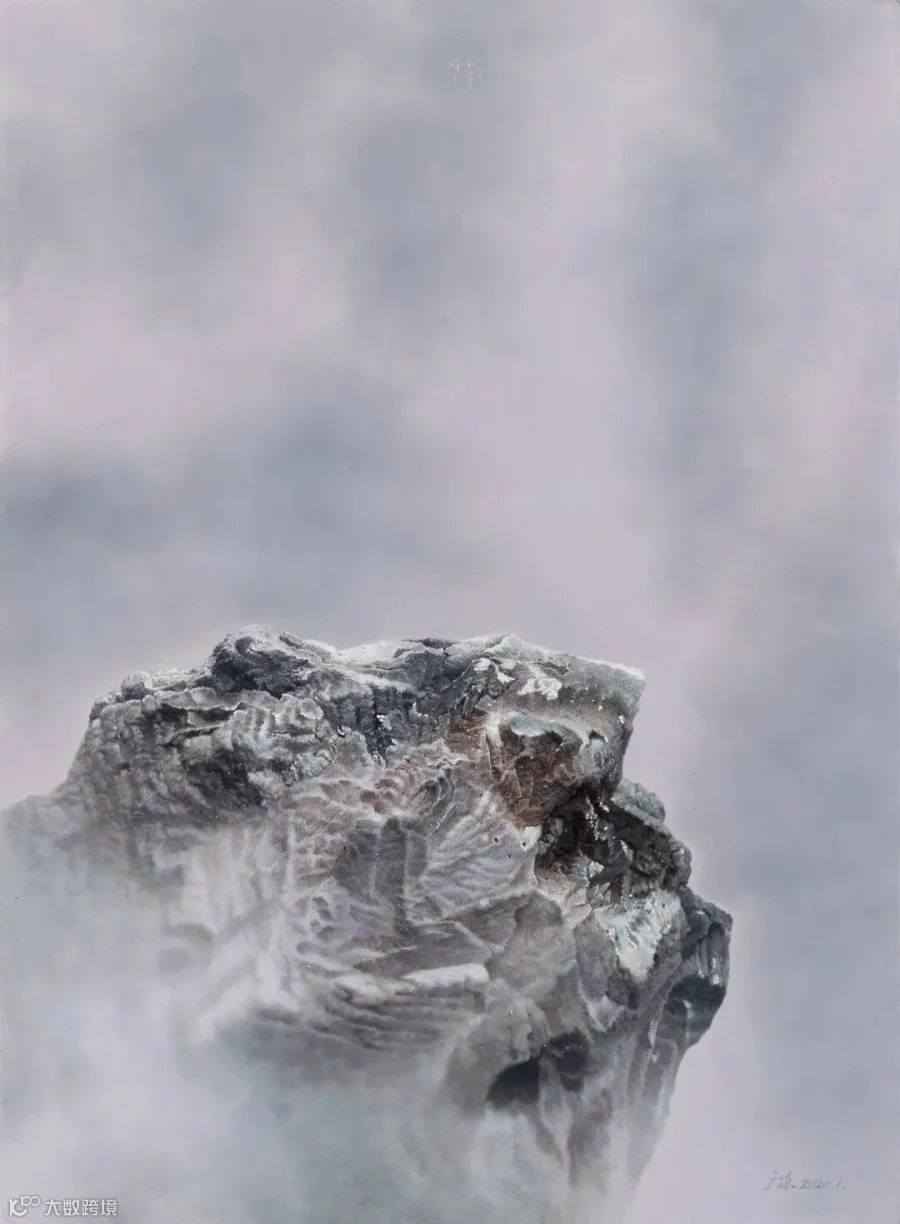

国风·太古 布面油画 | Oil on canvas 34x25cm , 2020
传统的国画书法和治印是我的兴趣爱好,也许是从小受这些中国传统艺术教育的影响。我对中国传统的文化艺术颇有偏爱。学院式的教育让我有机会接触到西方绘画,出于年轻人的反叛好奇性格以及油画迷人丰富的语言表达形式,使我从此与油画结下了不解之缘。但暗藏于内心深处对中国艺术精神的追求却一直环绕于心。倪瓒的遁世超逸、八大的孤傲蔑世是我精神的向往。

问山1--如练 布面油画 | Oil on canvas 25x34cm , 2012
Traditional Chinese painting, calligraphy, and printing are my hobbies, perhaps influenced by these traditional Chinese art education since I was young. I have a strong preference for traditional Chinese culture and art. The academic education gave me a chance to come into contact with Western painting. Because of the rebellious curiosity of young people and the charming and rich language expression forms of oil painting, I have formed an indissoluble bond with oil painting ever since. But the pursuit of the spirit of Chinese art, hidden in the depths of my heart, has always revolved around my heart. Ni Zan's seclusion and transcendence, as well as the aloofness and disdain for the world of the Eight Great Masters, are my spiritual aspirations.

I quite agree with the traditional Chinese Taoist philosophy of "harmony between heaven and man". It is precisely under the influence of this ideology that mountains and rivers have become the spiritual symbols of Chinese art, running through the entire development history of Chinese art. At the same time, traditional Chinese thought emphasizes that "benevolent people enjoy mountains and wise people enjoy water", which is not only a reflection of traditional thought but also a reproduction of Chinese humanistic spirit. Undoubtedly, "landscape" has become the theme of my painting at this stage. In terms of content, I mostly use ordinary objects around me that others do not pay much attention to, guiding the public to discover the "micro landscape" there. In this restless and bustling world, what we lack the most is meditation on the micro level, attention to the small things around us, and self reflection on our inner spiritual pursuit. When we calm down and ask about the scenery within ourselves, when we forget our existence and turn it into something, it is actually around us. As the saying goes, 'Watching the mountains is like seeing the mountains, not just seeing the mountains, but also seeing the mountains.' As long as you have mountains in your heart, there are mountains everywhere.

问山9--山行 布面油画 | Oil on canvas 34x50cm , 2014
明代蒋臣在所著的《天地技堂遗稿》中描写倪赞的《题仿倪云林笔》时写道:“所南翁画兰不作土坡,倪迂画山水不作人物,意各有所寄。世间负奇癖人大略皆萧疎淡远嵌磊落,彼其下视尘寰寻膻逐臭之徒政如圊虫逢秽欣然一饱,寂廖天地谁堪共语。”这段文字是蒋臣谈对倪云林绘画艺术的心灵境界的理解和认知。
第一次见到薛广陈的作品是2009年,我还在今日美术馆工作,当年中央美术学院李帆老师带领他的研修班学员在今日美术馆展出毕业作品。展厅中薛广陈的一组静物画给我留下较深印象。画面安静,原有物体的色彩被剥离了,看似无意间画家把自己的‘想法’传达给了别人,他的这种‘意到’的想法,是画家寻求与观众共语的过程。经2009-2011在今日美术馆的几次展览,画家的作品也在发生着深刻的变化,其中以作品《道》、《决流推波》、《行云推月》及即将在中国美术馆展出的作品《问山》系列,《砖》、《中国式山水》等最为典型。这些通过高度写实与高度抽象表现手法呈现的作品,不再是将形象抽离或隐去,而是一切任由物体对自己产生的‘意想’而发生变化,画随心变、‘意’随心动,使其创作时可以自由随意而无拘束,达到‘逸笔纵横意到成’的境界,真正突出了画家创作时的基点,‘萧疎淡远的情怀和只与天地共语的寂廖’。
--张子康
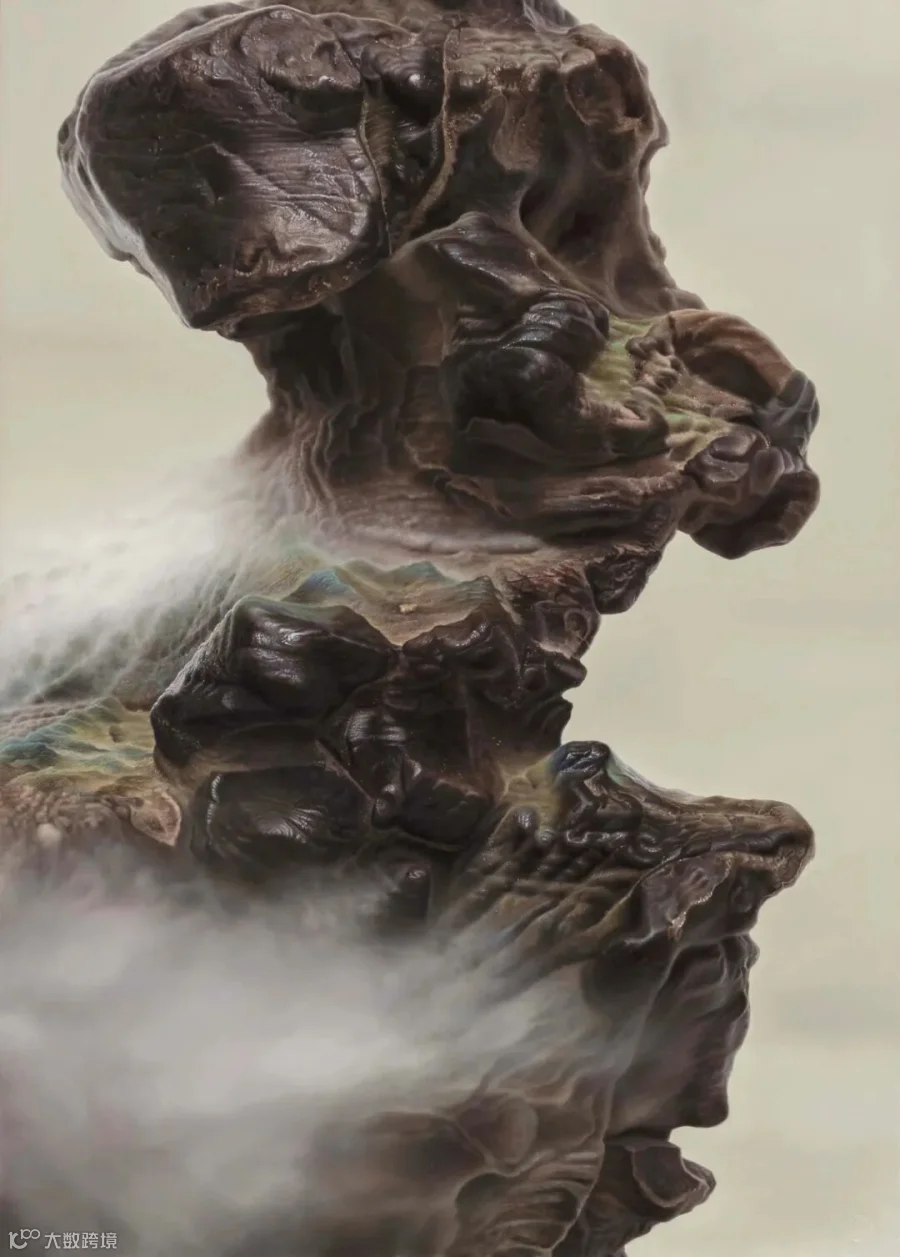
海市蜃景 布面油画 | Oil on canvas 70x50cm , 2014
Who can speak together in the desolate world
In the Ming Dynasty, Jiang Chen described Ni Zan's "Inscription Imitating Ni Yunlin's Brush" in his book "The Posthumous Manuscripts of the Heaven and Earth Skill Hall," he wrote: "The painting of orchids in the southern region does not create earthen slopes, and Ni's painting of mountains and rivers does not create characters. Each person has their own meaning. Most people who are eccentric and eccentric in the world are small and distant, embedded in a dignified atmosphere. Below them, they look at the world to seek the scent of the smell, and the governance of the disciples is like a sexual insect that meets the filth and is content with joy. In the solitude of the world, who can speak together This passage is Jiang Chen's understanding and cognition of the spiritual realm of Ni Yunlin's painting art.

The first time I saw Xue Guangchen's work was in 2009. I was still working in Today Art Museum. In that year, teacher Li Fan of the Central Academy of Fine Arts led his trainees to exhibit their graduation works in Today Art Museum. A group of still life paintings by Xue Guangchen in the exhibition hall left a deep impression on me. The picture is quiet, and the colors of the original objects are stripped away. It seems that the painter unintentionally conveyed his' ideas' to others. His' conscious' thoughts are a process in which the painter seeks to communicate with the audience. After several exhibitions in the Today Art Museum from 2009 to 2011, the painter's works are also undergoing profound changes, among which the works "Tao", "Breaking the Current and Pushing the Wave", "Traveling Clouds and Pushing the Moon", and the works "Ask the Mountain" series, "Brick", "Chinese Landscape" and other works to be displayed in the China Art Museum are the most typical. These works, presented through highly realistic and abstract expression techniques, no longer separate or conceal images, but allow everything to change according to the 'ideas' generated by objects. Paintings change according to the heart and the' ideas' follow the heart, allowing them to create freely and without restraint, reaching the realm of 'effortless brushstrokes, vertical and horizontal strokes, and achieving success', truly highlighting the fundamental point of the painter's creation, Xiao Yan's distant emotions and the solitude that only speaks with heaven and earth.

元真气象 布面油画 | Oil on canvas φ65cm , 2017
Nowadays, the diversity of world culture also provides our artists with multi-level opportunities for development and change. However, Xue Guangchen did not "seek the smell of the smell" or "satisfy oneself with pleasure when encountering filth". Instead, he wholeheartedly pursued a state of immaturity that ancient Chinese literati believed was "wandering in the beginning of heaven and earth, with a peaceful and infectious heart". Who can speak in the lonely earth!
--Zhang Zikang


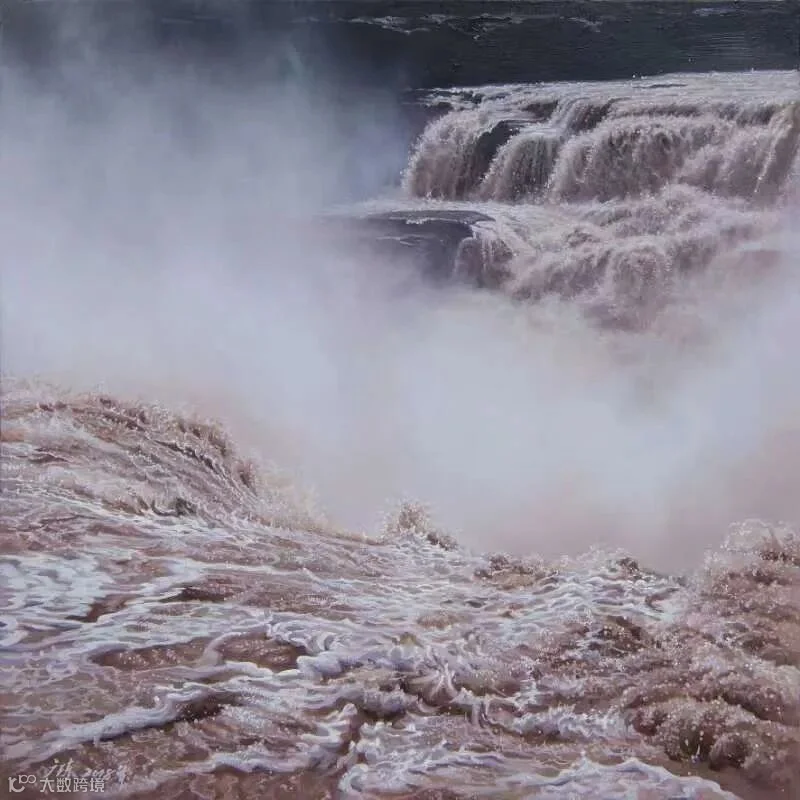
飞流倾泻 布面油画 | Oil on canvas 20x20cm , 2018
My focus on Xue Guangchen's painting process overturned some of my previous speculations about his painting. For example, the Xiao style and fun trap that I was worried about earlier did not show any positive reactions on him. It can be said that he quickly embarked on another path that pursued a more holistic personality, almost in the career positioning where others thought he could easily live comfortably in the domestic concrete painting community with his super realistic ability. The various abilities he had previously acquired became tools that he could randomly call when testing new themes and methods, rather than being constrained by Lei Chi's own limitations. The great road is unobstructed. In the Tao Te Ching, there is a sentence: "When you see a little and restore the Ming Dynasty, guarding softness means being strong. Use its light to restore its brightness, leaving no harm to the body. It is called Inheritance Chang (Chapter 52). Being able to see small things is brightness, and being able to maintain a low-key and weak posture is strength. Using the self nature light of the enlightenment to reflect external objects without causing physical and mental damage due to deviation can be considered as approaching the sustainable path. I think the spiritual dimension that Guangchen strives to approach is relatively appropriate, with the goals of "seeing the small" and "guarding the soft".

In terms of specific language choices, Xue Guangchen seems to be more relaxed. In his micro landscape series, he skillfully adopts techniques such as synesthesia and substitution, as well as mutual differences in texture, to effectively integrate the continuously strengthened local modules into the overall plane with Song painting style, achieving a secondary presentation of his personal face from a technical perspective, feeling the meaning and appreciation. Observing the blurry linearity that escapes from the process of language to text completion, it is not difficult to find the surface and inner sides shaped by Xue Guangchen's aesthetic thinking and methods. He did not equate the ultimate experience of traditional Chinese aesthetics with a methodological process, but instead used a combination of questioning and self questioning to examine specific language choices. This attitude is closer to Wittgenstein's emphasis that language is given by history rather than a priori; Of course, Vickers' significant contribution in philosophy is to make us neither believe in text and logic nor always face unspeakable experiential dilemmas. In this sense, good painting first maintains its original intention of simulating or abstracting the basis of reality. Secondly, the height that images can reach still depends on the author's self judgment of talent and experience.
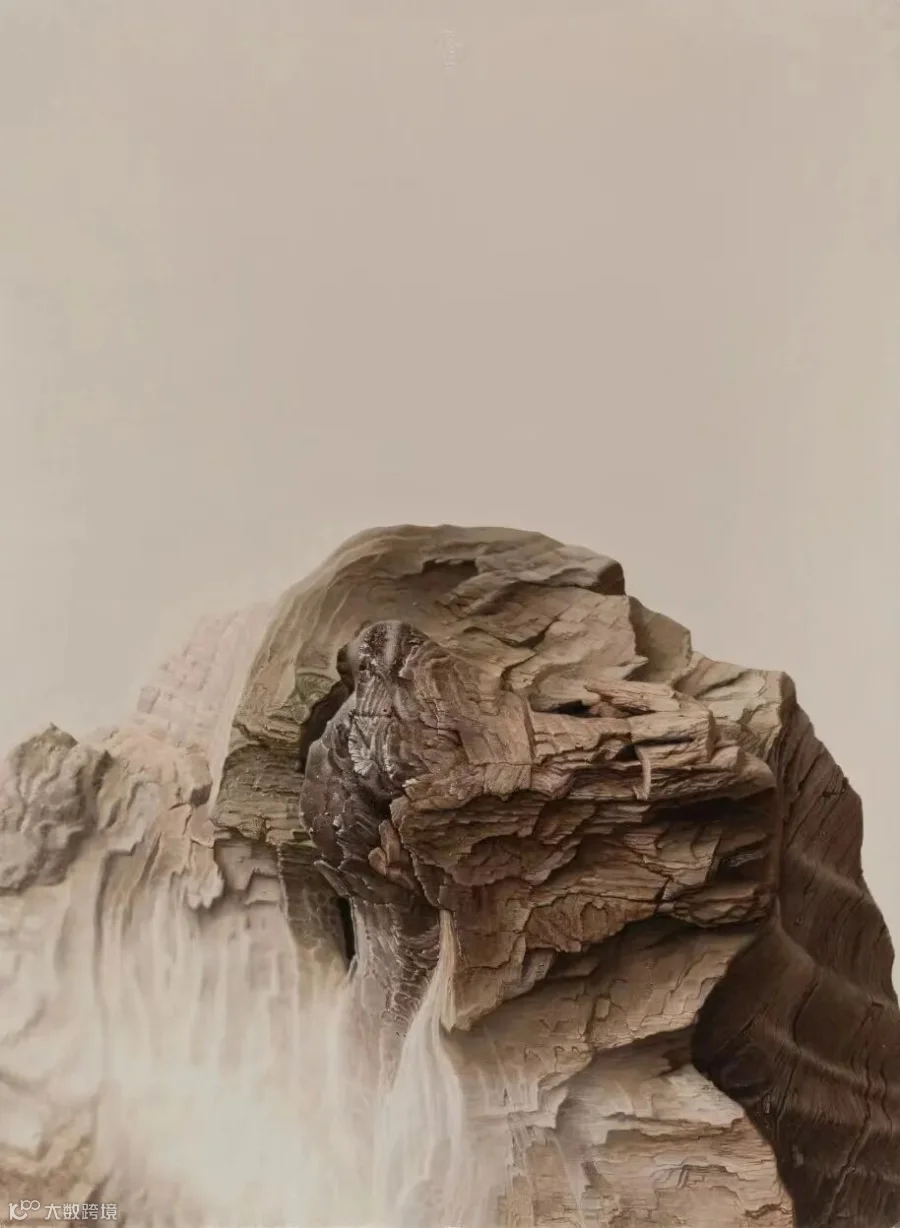 问山5--云起 布面油画 | Oil on canvas 25x34cm , 2014
Compared to previous works, the micro landscape is not only a transfer of themes, but I think the biggest change is the transformation of viewing methods, which has led to a different presentation of results. Taking this thing as another thing, it is called simulacrum in rhetoric. For example, "the shadow of these lightning flashes meanders in the sea and disappears in a flash. (Gorky's Haiyan)" Of course, in classical Chinese poetry, the characters imitate each other. Starting with Zhuang Zhou Mengdie, it is a good way to say that reason and ambition can be expressed easily Tearful eyes ask the flowers without saying a word, and the crimson flies over the swing. The term 'quasi object', when used as a synchronic reference, seems to have a smaller extension and is easier to calibrate or correct than using realistic or freehand brushwork, as well as concrete and abstract categories to label the works of living painters. The various possibilities that painters possess enable them to test different effects and feelings within the same schema, and are no longer easily trapped in a predetermined and monotonous sequence by philosophers or historians. Guangchen's inspiration for imitating objects comes from my limited contact with him, and I only vaguely know that he has a strong interest in tradition. However, from his works, it can be seen that in addition to various descriptive techniques, his understanding of the patterns of objects, legends, and classical works has reached a point of outrage. Faced with such a natural painter, there is no need to be too anxious when a certain stage is inevitably constrained by one's own experience and energy. Even Heidegger, who emphasizes the way of viewing most, his way and perspective of viewing the biggest pain point in history of Germany memory are different from his "suspended viewing" according to the current public common sense. And the historical evaluation of these viewing results, as seen before, will definitely face the possibility of turning points. If we understand this, our appreciation of painters may be much more direct.
--Wang Yuan
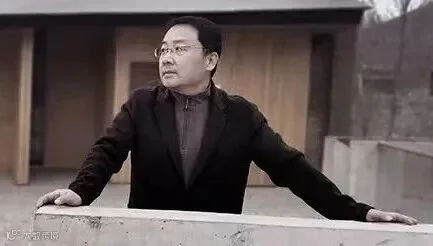
* 图文版权ⓒ 艺术家及妙有艺术