


点击上方 “蓝字”关注我们


云南,不止是一个名词,
更是永不厌倦的风景~
云南位于中国西南部,
与缅甸、老挝、越南接壤。
昆明是云南的省会,四季温暖如春,
故称为“春城”。
在云南,
闲看花开花落、慢观云卷云舒~~


丽江,
位于中国的西南部,
是一座依山伴水的城市。
是我国唯一拥有三项世界遗产桂冠的城市,
世界文化遗产——丽江古城,
世界自然遗产——三江并流,
世界记忆遗产——东巴古籍文献。
Located in the southwest of China, Lijiang is in a region of mountains and streams and is the only city that has 3 world Heritages in China.
The World Cultural Heritage-Lijiang Ancient Town
The World Nature Heritage-Three Parallel Rivers Region
The International Memory of the World Register-Dongba manuscripts
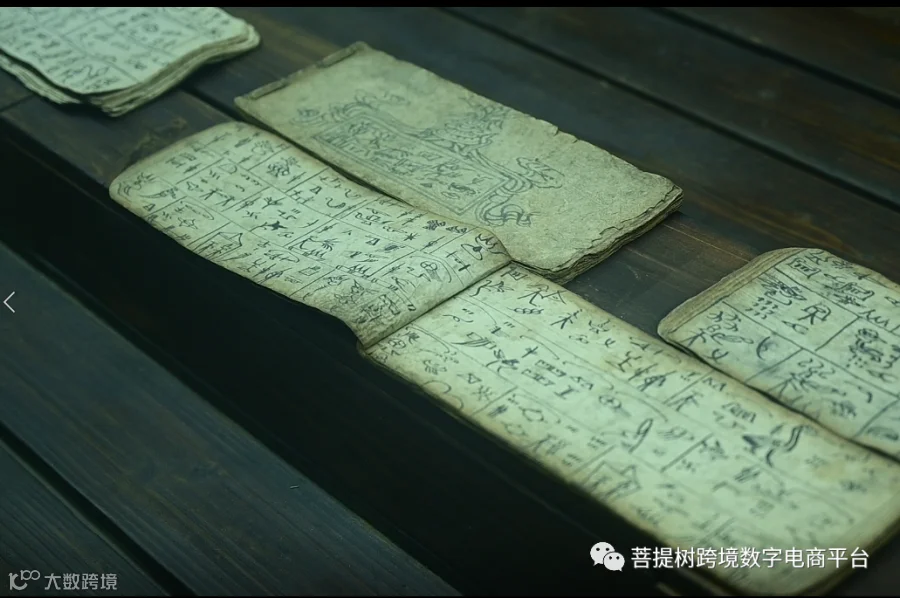
世界记忆遗产,
是联合国教科文组织,
在1992年发起的“世界记忆工程”,
旨在保护具有世界意义的文献遗产,
列入《世界记忆名录》。
迄今为止,
我国仅有10件档案文献入选,
东巴古籍文献便是其中之一。
In 1992, UNESCO established the Memory of the World Programme (MoW), which aims to implement the mission of protecting the world cultural heritage proclaimed in the UNESCO Constitution, promoting access to cultural heritage, and increasing awareness worldwide of the significance of documentary heritage. So far, there is only ten documentaries' heritage inscribed on the International Memory of the World Register in China, and the Dongba manuscript is one of them.

东巴古籍文献,
是由千百年来纳西族
创造和积累起来的,
被誉为“古代纳西族的百科全书”。
纳西文化上千年的历史,
全附着在坚韧的东巴纸上,
陪伴着一代代纳西人一路迁徙,
延续至今。
Naxi people created a unique and distinctive ethnic culture. This culture, taking religion as a primary focus and concentrating on the ancient Naxi civilization accumulated over the past thousands of years, has presented to the world the complete shape of the ancient civilization of Naxi people through the ancient Naxi Dongba literature manuscripts. The Naxi manuscripts are also known as the "ancient Naxi encyclopedia".
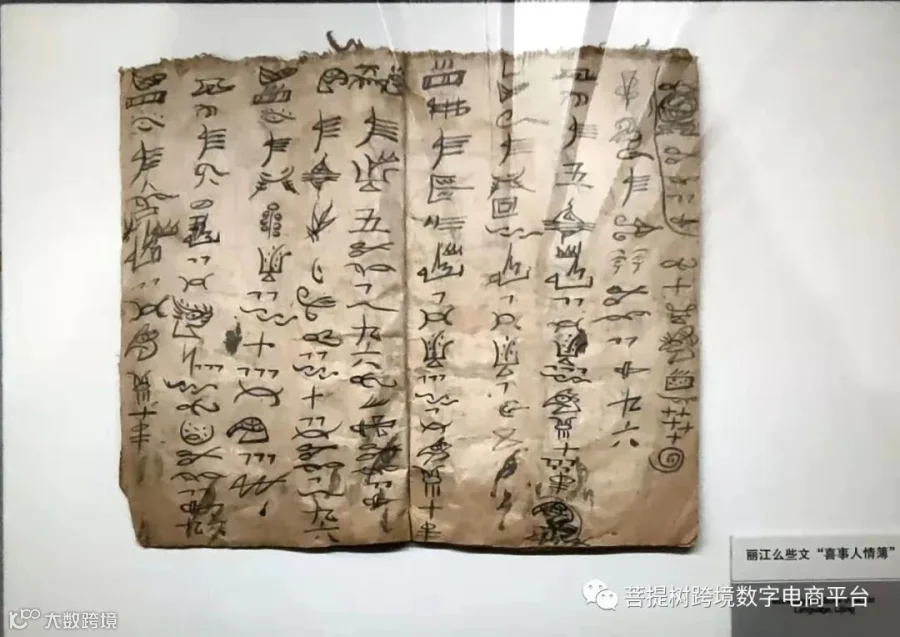

书载千秋
东巴纸的历史,
可追溯到一千二百多年前的唐代,
是当今世界上最古老的、
最原始的造纸术,
堪称人类手工造纸的“活化石”。
东巴纸造纸技艺于2006年
入选第一批国家级非物质文化遗产名录。
The paper used to write ancient Dongba scriptures is called Dongba paper. The traditional manufacturing technique was created by the Naxi ethnic group in Yunnan province. It enjoys a long history, which dates back to the ancient Tang Dynasty in Chinese history, which have been hailed as paper’s “living fossils.” the Dongba papermaking technique was listed within the first batch of National Intangible Cultural Heritage in 2006.
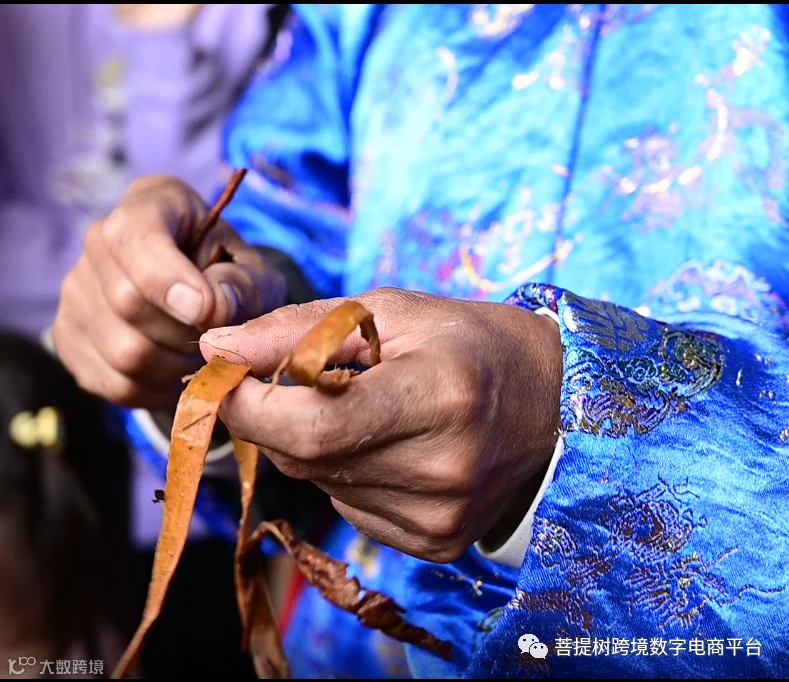
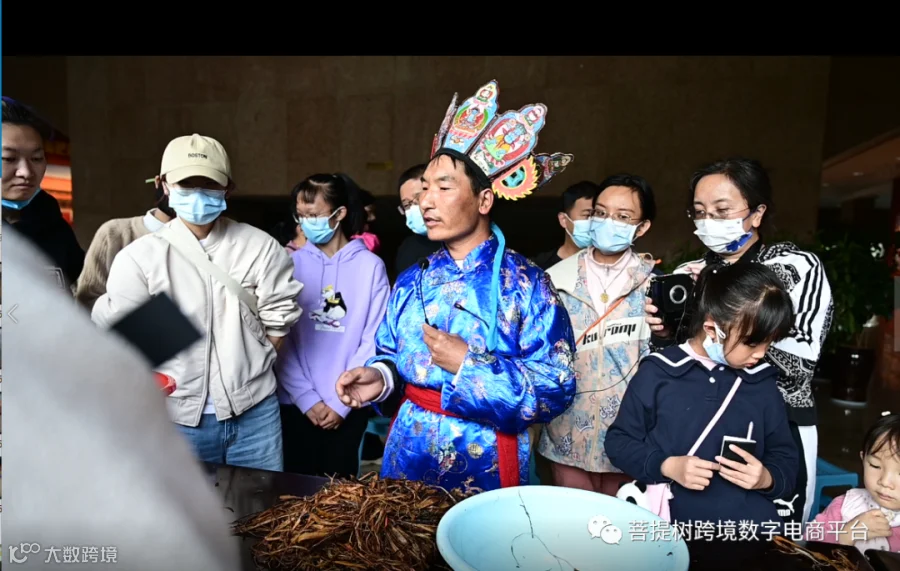
纳西族东巴造纸技艺
兼具汉族抄纸法、
藏族浇纸法造纸的特征,
以有微毒的荛花树皮为原料,
经过十几道工序,
耗时大半个月才能制成。
Featuring a fusion of papermaking crafts from the Han and Tibetan peoples, the manufacturing of Dongba paper is a fairly sophisticated process. and a complete process will take at least half a month. The secret of Dongba paper canescent wikstroemia bark, which is a special and sometimes even magical plant, because it contains a toxin that could effectively inhibit the growth of bacteria after processing.
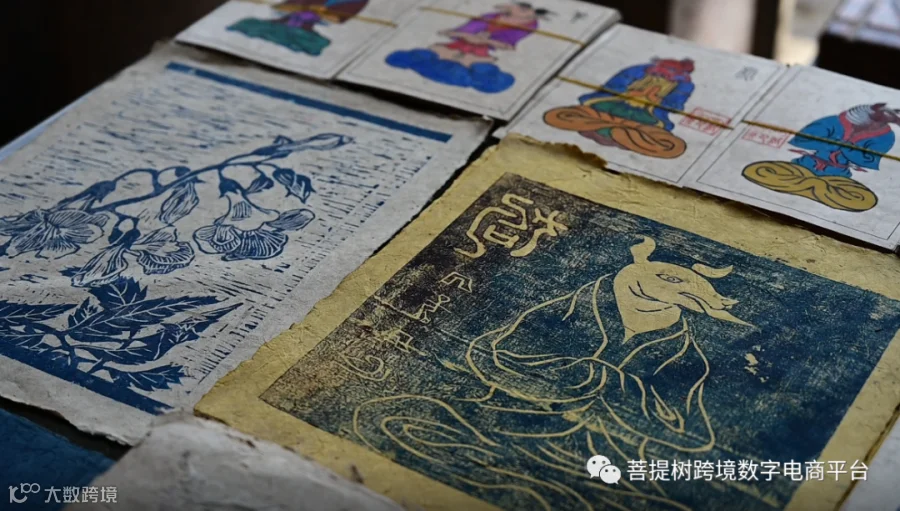
东巴纸,
是纳西族文化传承的重要工具,
为弘扬东巴文化作出了卓著贡献。
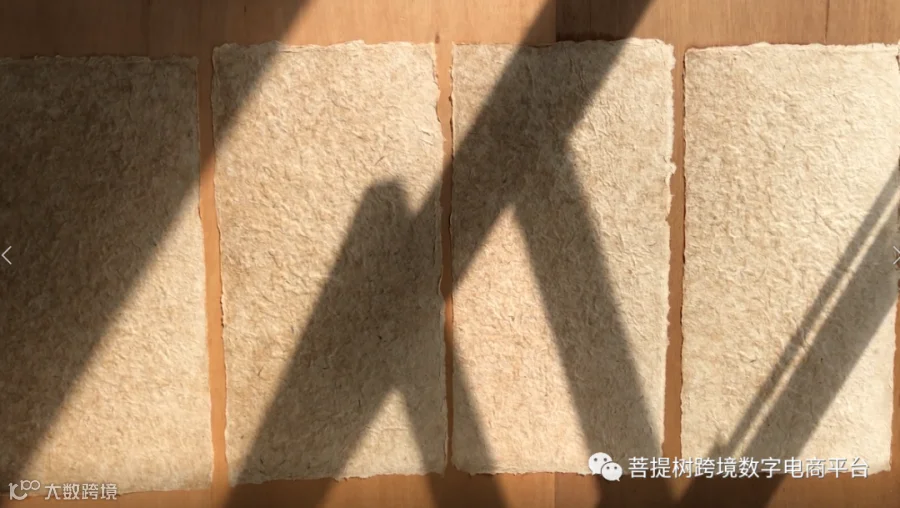
制成的白地东巴纸,色白质厚,
防虫,可长期保存。
这也是被称为
“具有数千年历史的纸张”的原因。
Dongba paper takes a rather special role in the cultural and spiritual life of the Naxi people, the dominant ethnic group in Lijiang. Hence, they are considered an important vehicle to convey and spread the history and culture of Naxi. What is more surprising is the fact that Dongba paper can remain intact and usable for thousands of years without the concern of being decomposed. That’s why it is called the “paper with a longevity of millennia.”


象形万物
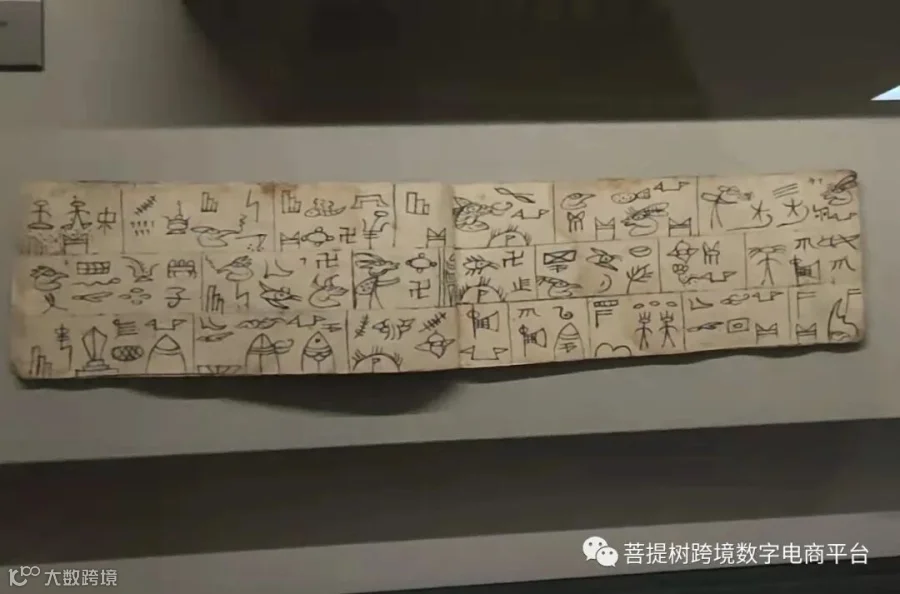
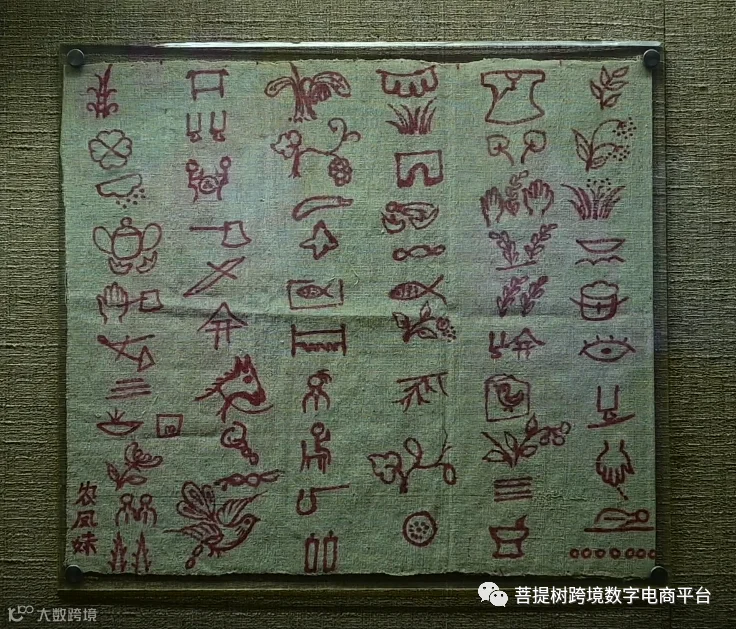
东巴文,
是一种兼具表音和表意的图画象形文字,
被誉为是“世界唯一活着的象形文字”
民族学家费孝通先生称:
“纳西象形文字是一种
比甲骨文还古老的文字。”
相较于甲骨文,
东巴文更具有图画的意味。
Dongba script is both pictographic and ideographic and it is often reputed as the world's last living pictographic script. The ethnographer Fei Xiaotong said: “the history of the Dongba script is longer than the oracle bone script ”Compared with the oracle bone script, the Dongba script tended to draw detailed pictures to record information.

最初的东巴文,
主要是用于宗教祭祀活动,
由东巴(祭司)书写经文。
东巴文字书写的经书,
内容涵盖极为广阔,
包括纳西族的历史、政治、
天文、地理等方方面面。
In fact, the script was historically reserved for the Dongba religious practitioners and was primarily used for ritual, not secular purposes. The books are recited by Naxi people during the performance of religious ceremonies such as funerary rites, or when appeasing a vast pantheon of gods and spirits, which covers a variety of different subjects such as Naxi history, politics, astronomy, and geography.

随着东巴纸造纸技艺的推广,
东巴文的使用更加普遍。
纳西先民,
把他们看到的世间万物用图画、
符号的形式记录下来,
无论是天地日月、山川木石,
还是飞禽走兽、屋舍村落、人物动态等,
都极尽生动传神的记录下来,
慢慢形成了东巴古籍文献。
With the promotion of the Dongba papermaking technology, the Dongba script is more widely used. Dongba script is both pictographic and ideographic. The Naxi people drew detailed pictures to record information, and illustrations were simplified and conventionalized to represent not only material objects but also abstract ideas. For example the beautiful scenery, animals, houses and ordinary life, etc. All of these have been recorded and form today’s Dongba manuscripts.


卷帙浩繁
东巴古籍文献,
是东巴文化传承中最重要的产物。
由于东巴纸的特殊性,
东巴文字的原始性,
东巴古籍成了原始古籍的范本。
它不仅让纳西族的文化得到传承,
也让世界看见了中华文化的多样性。
The Ancient Naxi Dongba Literature Manuscripts is t is the core of the Dongba cultural inheritance. Due to the particularity of Dongba paper, and the originality of the Dongba script, the Dongba manuscripts. have become a very important part of the original ancient books. It not only shows the cultural heritage of Naxi culture but also demonstrated the diversity of Chinese culture to the world.
2003年,
纳西族东巴古籍文献
被联合国教科文组织
列为“世界记忆遗产”,
是中国第三个世界记忆遗产,
中国少数民族第一个记忆遗产。
The Dongba manuscripts were included in UNESCO's Memory of the World Register in 2003. it is China's third Memory of the World heritage, and the first memory heritage of China's ethnic minorities.
经过时间的推移,岁月的沉淀
传承下来的东巴古籍文献约有2万多册,
种类达2000多种,
季羡林曾这样描述过东巴古籍文献:
“东巴古籍文献是用图画象形文字,
记载了人类起源及人与大自然的关系
这一重大主题的文献。”
This script is pictographic, with some 2,000 characters, and some 20,000 volumes written in this script are known to exist and scattered in numerous libraries throughout the world. Ji Xianlin once described Dongba Manuscripts as follows: “the Dongba manuscripts record the origin of human beings and the relationship between man and nature with pictographic scripts”.
东巴古籍文献,
是人类古文明的写照,
承载了云南这片土地上古老的民族文化记忆,
也希望古老的纳西文化,
继续传承下去。
Spread through the Dongba religion, the Dongba culture permeated a few thousand years of Naxi social development, thus influencing every aspect of social life and becoming a demonstration of the ancient human civilization and the cultural memory of Yunnan ethnic society. The Naxi people cherish these traditions and they will continue to work on these traditions.

E N D

往期回顾

 鸣凤胜景 | 金殿朝晖