


点击上方 “蓝字”关注我们


云南,不止是一个名词,
更是永不厌倦的风景~
云南位于中国西南部,
与缅甸、老挝、越南接壤。
昆明是云南的省会,四季温暖如春,
故称为“春城”。
在云南,
闲看花开花落、慢观云卷云舒~~


云南临沧,
古称缅宁,
以濒临澜沧江而得名。
这里生活着佤、傣、拉祜、
布朗、彝、景颇等23个少数民族,
是佤族文化发祥地之一。
Lincang in Yunnan Province, known in ancient times as Maenning, was named for its proximity to the Lancang River. Lincang is home to 23 ethnic minorities, including Wa, Dai, Lahu, Brown, Yi, and Jingpo, and is one of the birthplaces of Wa culture.
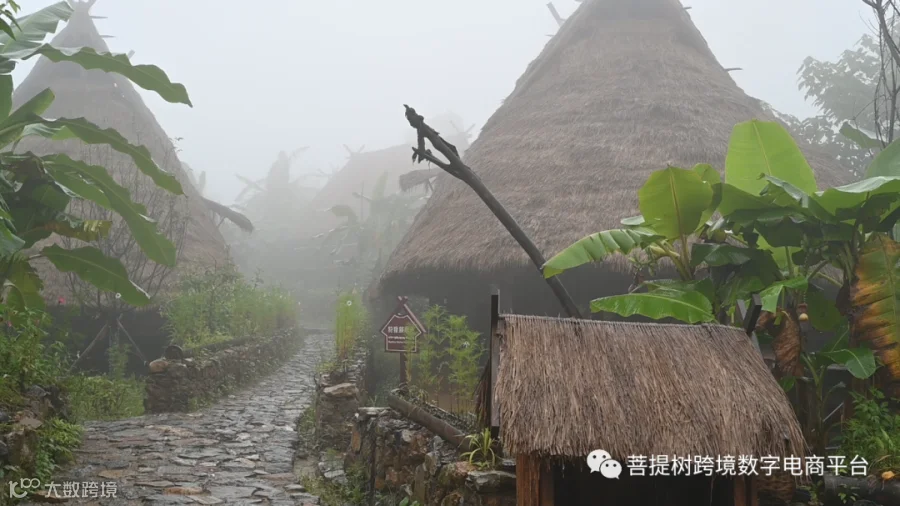

远山云,近山雾,
佤族云中住。
佤族是古代濮人的一个支系,
在中国和缅甸均有分布,
是一个跨境而居的少数民族。
佤族有语言,没有文字,
民族文化却非常鲜明、独特。
翁丁佤寨是阿佤山(佤族居住的地区)历史的缩影,
记录着佤山的远古和现今,
它隐藏在大山深处,却伴随着岁月,
沉淀出独特的佤山风景与文化。
The Wa, who live in both China and Myanmar, are an ethnic minority living across the border. The Wa have only a spoken language and no written language, and their ethnic culture is very distinct and unique. Ongdene is like the epitome of the history of Wa Mountain, recording the distant past and present of Wa Mountain. It is hidden deep in the mountains, but over the years it has created a unique Wa landscape and culture.
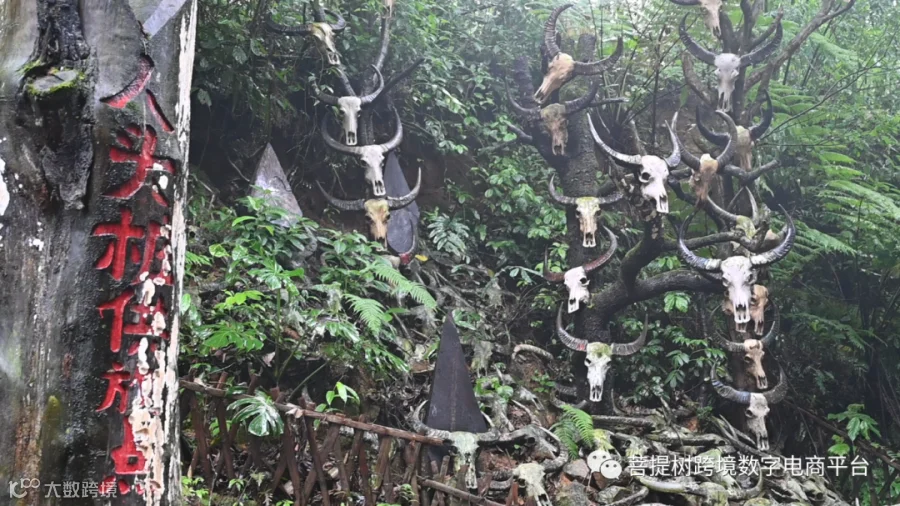
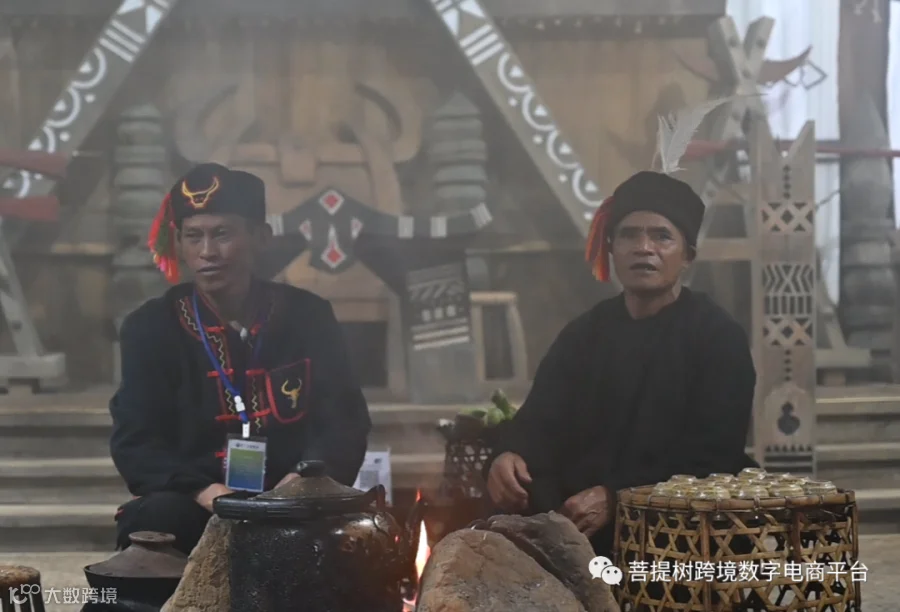
翁丁,
佤语意为“云雾缠绕的地方”,
已经有四百多年的历史,
这里被国家地理杂志
誉为“中国最后一个原始部落”。
翁丁佤寨,
建在云雾缭绕的山麓之间,
这里年平均有147天雾日,
形成极为壮观的佤山云海奇美气候景观。
Wengding, which means "a place where clouds and mist intertwine" in the Wa language, has a history of more than four hundred years and is considered by National Geographic magazine to be "the last primitive tribe in China". Wengding Wa Village is built in the foothills of the Misty Mountains, where there is an average of 147 days of fog a year, creating a sea of clouds in the Wa Mountains.
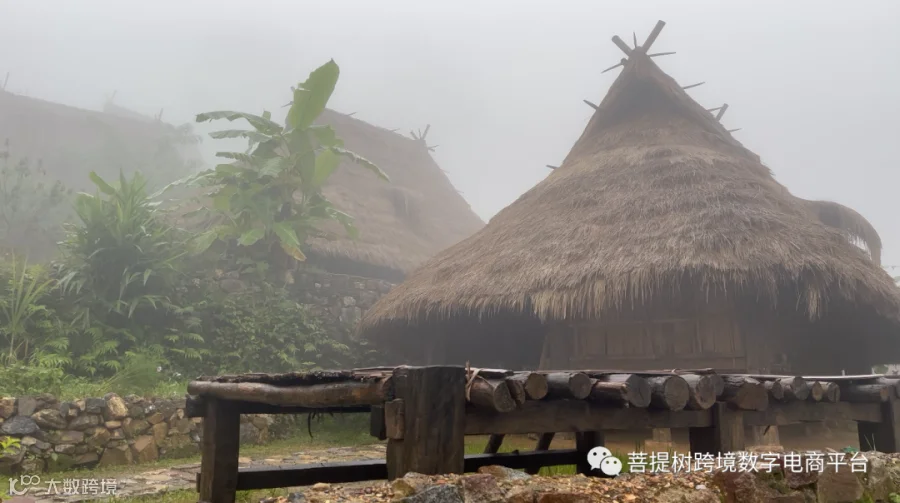
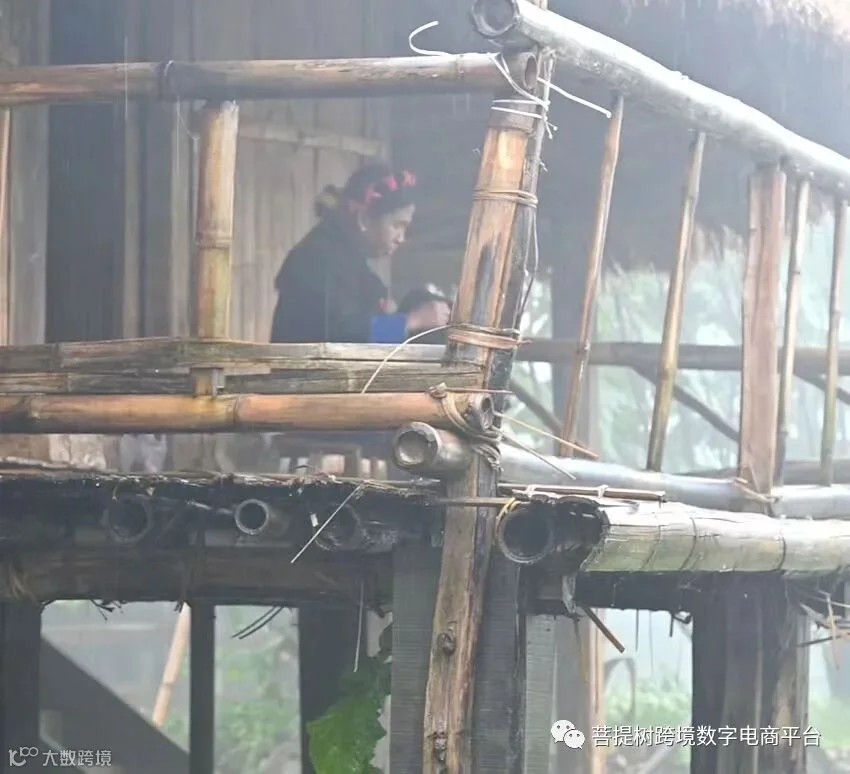
翁丁佤寨四周被山林围绕,
寨里还有着一弯清澈的溪流,
佤族人所搭建的茅草屋、
竹筒楼散落在山林间。
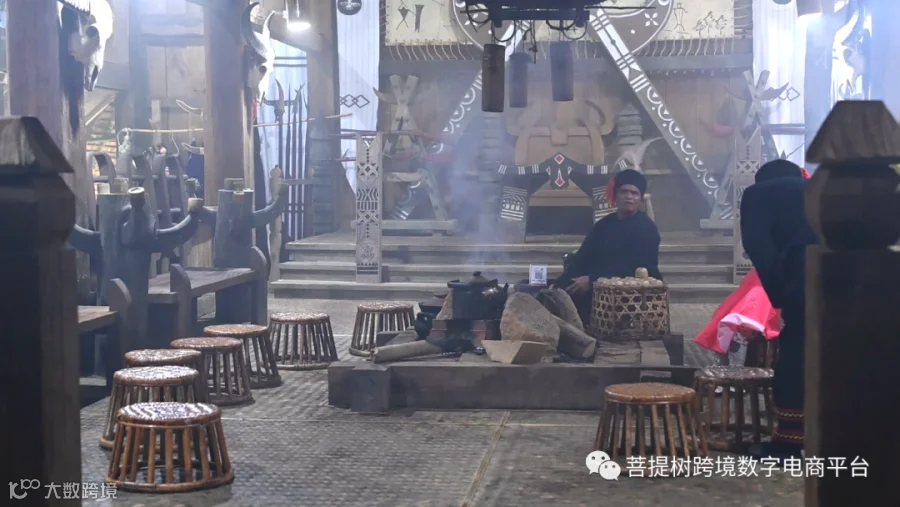
翁丁佤寨内保留着佤族寨门、图腾柱、
寨桩、祭祀房、神林、木鼓房、
传统手工艺作坊和佤族杆栏式茅草房等。
佤族民居建筑风格
和原始佤族风土人情代代传承沿袭。
Surrounded by mountains and a clear stream, the Wa people's thatched-roof and bamboo buildings are scattered throughout the village. Inside the Wa walled city, there are Wa gates, totem poles, stakes, ritual houses, sacred forests, wooden drum houses, traditional handicraft workshops Wa poles and rail thatched houses, etc. The architectural styles of Wa dwellings and original Wa customs are inherited and passed on from generation to generation.

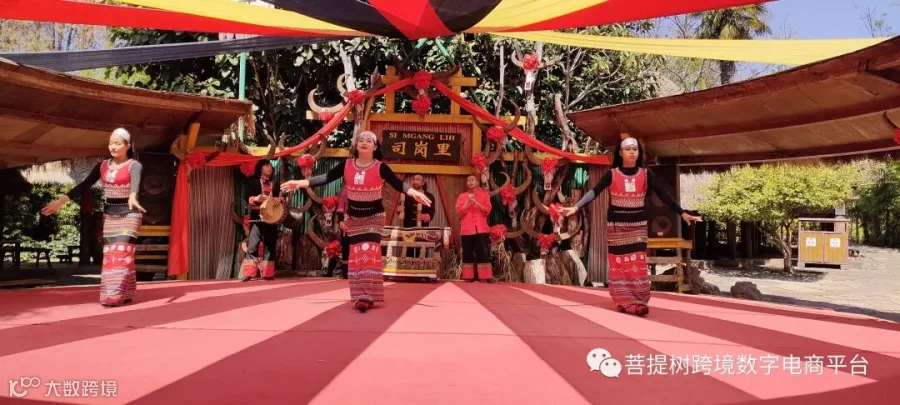
佤族传统服饰,
以黑、红为主色调,
习惯用牛头、崖画图案、山形、方块形,
以及银器、贝壳、石苇粒等进行装饰。
佤族服饰中
最能体现佤族生活妙韵的当属“佤锦”。
佤锦按质地分为麻质、棉质,
和混质三种类型,全用腰机坐织。
在内容反映着佤山的天自然景观
和佤族人信仰、风俗等情景。
The Wa traditional costumes are mainly black and red in color and are usually decorated with bullheads, rock painting patterns, mountain shapes, square shapes, silverware, shells, and stone reeds. Among the Wa costumes, Wa brocade can best reflect the wonderful charm of Wa life. Wa brocade is divided into three types according to its texture: linen, cotton, and mixed texture, and is woven on waist looms. Their contents reflect the natural landscape of Wa Mountain and the beliefs and customs of the Wa people.


佤族文化,
有极大多元性和包容性,
佤族信奉原始宗教——万物有灵。
在翁丁的蓝天、白云、
高山、溪流之间,
静静地传颂着阿佤人的神话——《司岗里》。
《司岗里》被称为佤族的创世史诗,
佤语中“司岗里”意为从崖洞里出来,
佤族是一个自认从岩洞里走出来的民族,
有着神奇独特木鼓通神的习俗。
Wa culture is very diverse and inclusive. Under the blue sky, white clouds, high mountains, and streams of Ondine, the mythological story of "Sigangli" is quietly recited. Sigangli" is known as the creation epic of the Wa people, and "Sigangli" in the Wa language means to come out of a rock cave.

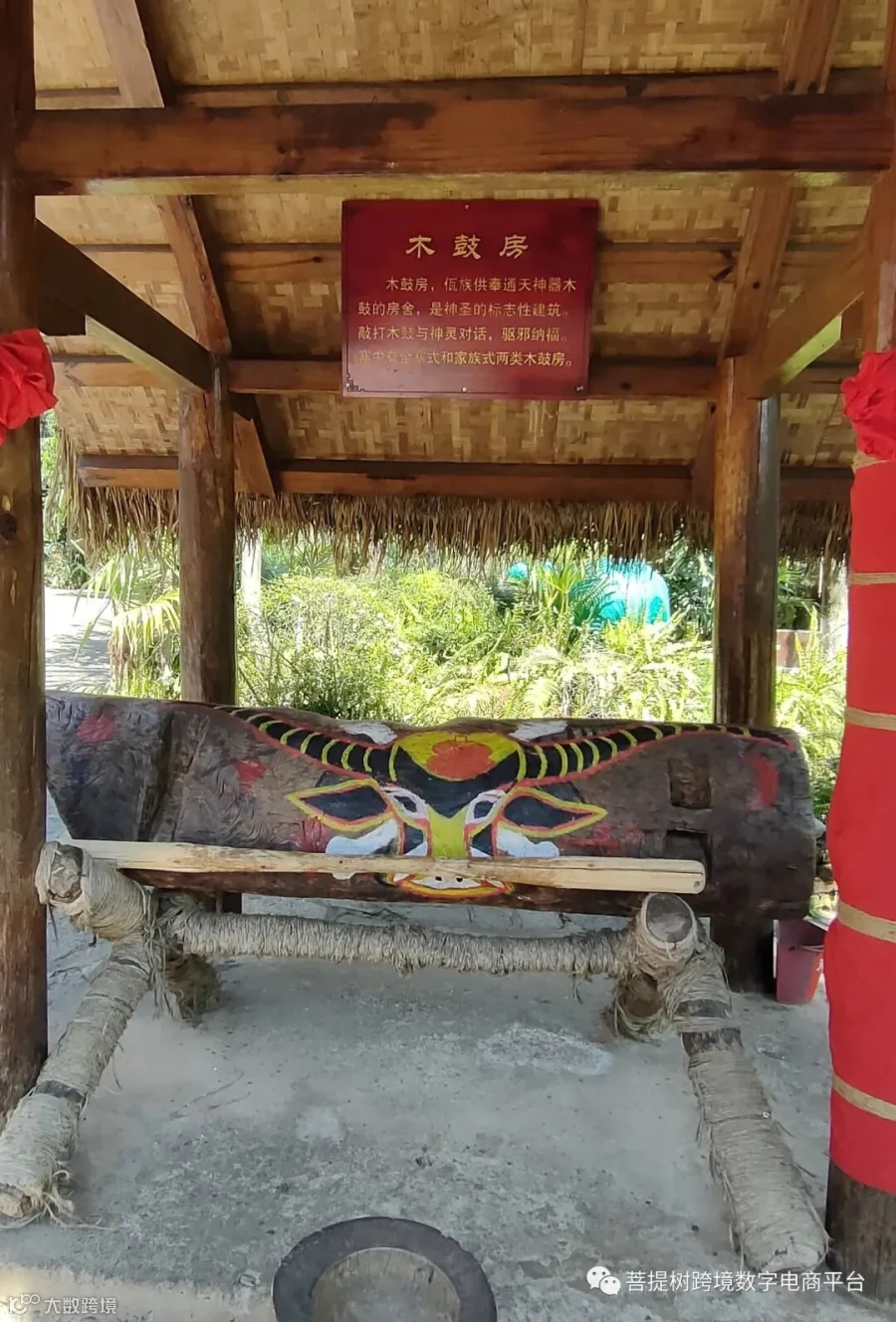
木鼓为佤族独创和独有之鼓
是最原始、奇异而神圣的鼓种。
木鼓是佤族崇拜的吉祥物,
信号联络的工具和古老的乐器,
被封为“一寨之母”和“生命之源”。
每年的木鼓节,
村寨的男女老少身着盛装,
把拴好的木鼓一路拉回寨口。
Wooden drums are unique to the Wa ethnic group and are the most primitive, exotic, and sacred drums. It is the most primitive, exotic, and sacred type of drum. In Wa villages, the wooden drum is regarded as the 'source of life'. Wooden drums are the auspicious objects of Wa worship. It is also a tool for signaling and liaison and an ancient musical instrument.
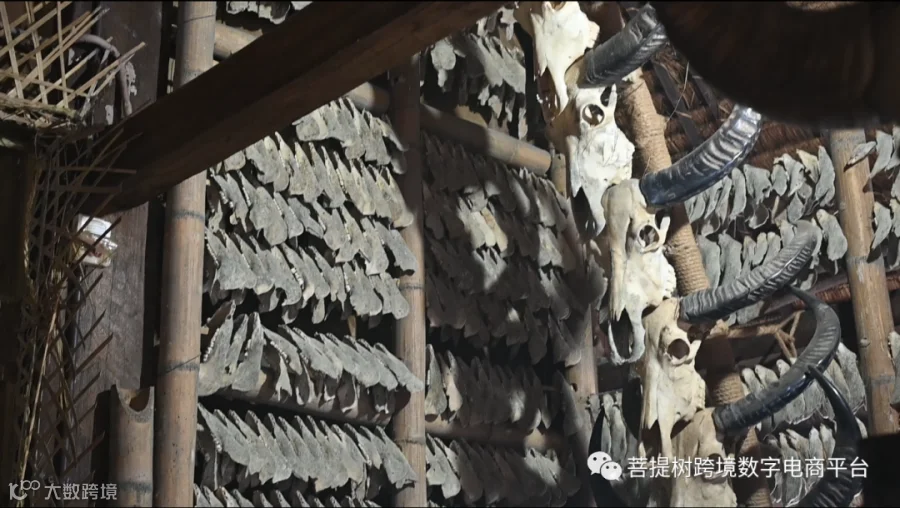
朝起,薄雾似轻纱,
将水汽均匀洒落在翁丁佤寨的角落;
霞落,在风的拂动下,薄雾弥漫飘散,
在一朝一夕间,
依旧诉说着云雾中佤寨的过往和未来~
When the sun rises, the mist looks like a light veil, evenly sprinkling water vapor in the corners of Wengding Wa Village; and when the sun sets, it diffuses and disperses under the flickering of the wind, still telling the past and future of Wengding Wa Village throughout the day and night.


E N D

如需转载,请联系我们!
往期回顾
彝族火把节 | 来自云南的狂欢盛宴 |
