


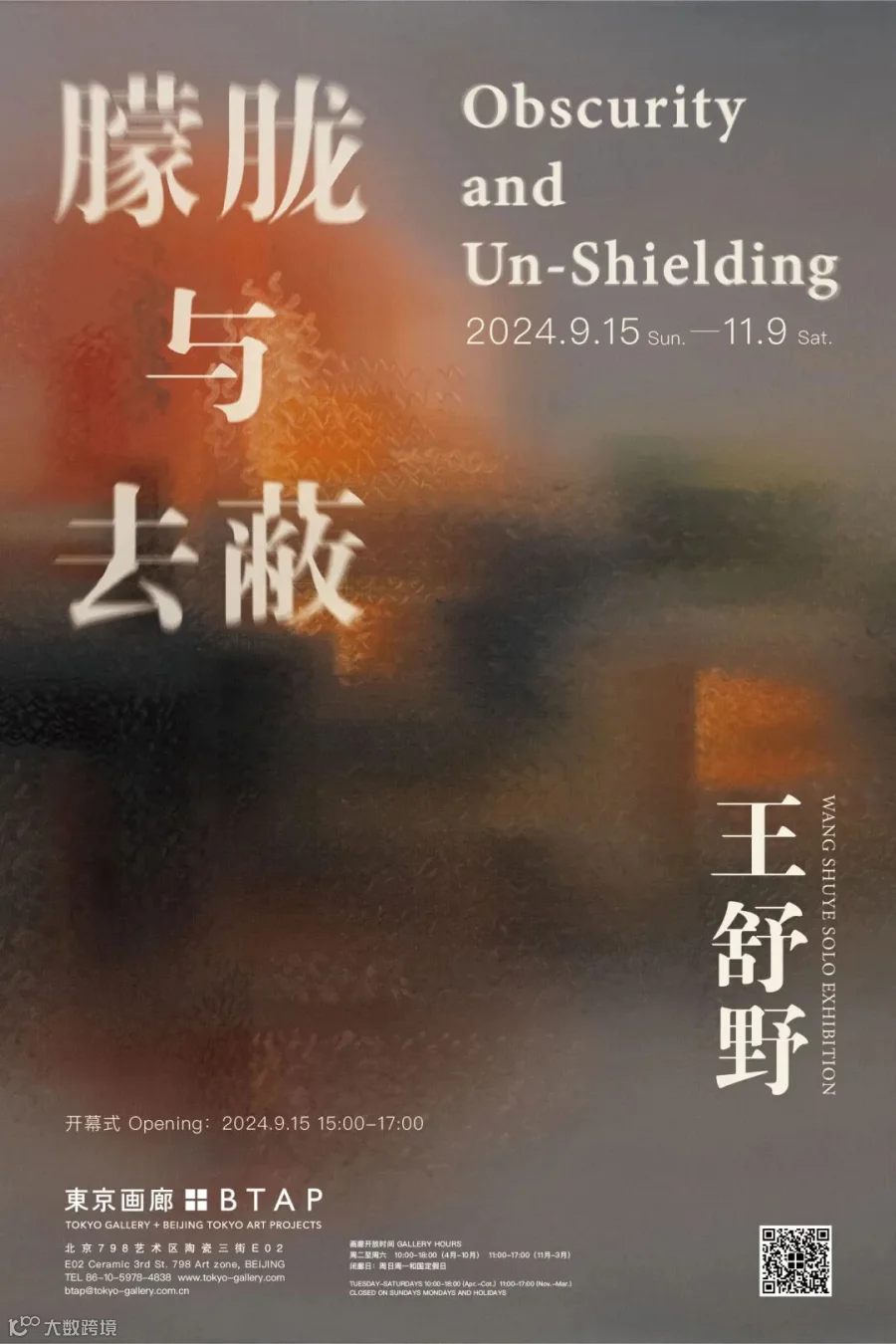
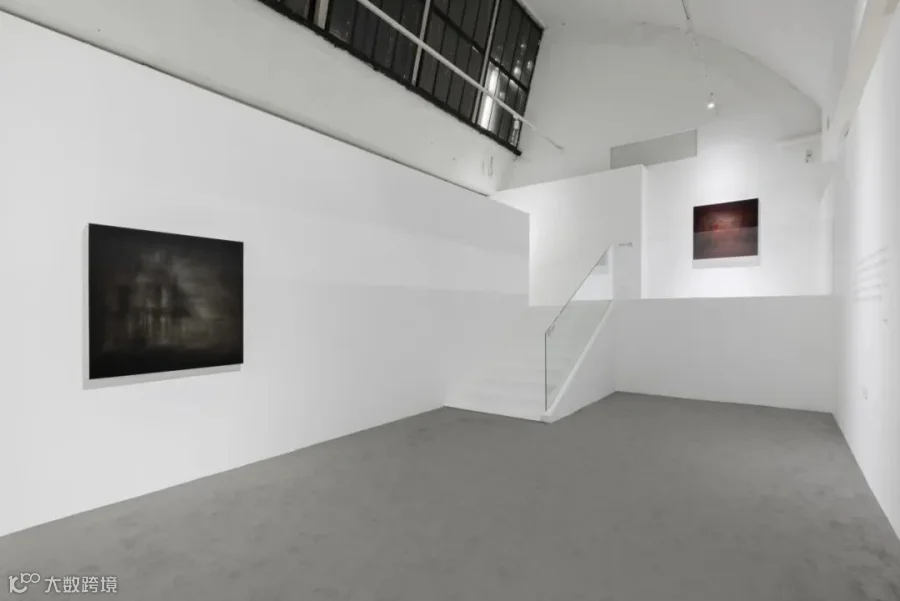
本次展览的作品多以故宫为创作题材。故宫是中国的代表性建筑,对王舒野来说,也是他80年代大学时常去借景畅想天地古今的地方,午门前、宫墙外都留下许多寻迹于精神深处的脚步,这次展览呈现的作品把艺术家当时向内深究的意愿延续到对当下感知可能性的探索。展题“朦胧与去蔽”中“朦胧”是艺术家试图呈现的前认识的感知状态,因其是非认识性的视觉,也自然呈现出朦胧的状态。“去蔽”指的是超越日常观看方式的局限,并从而开显出被其遮蔽的直通世界整体和直指存在本身的感知可能性。运用这样的感知方式,不用仰望星空,只是观看室内一隅,我们也可能感知至大无外的存在的整体。艺术家把周知的景观转换为“前认识的视觉感知表现”作为常用手法,以之强调对惯常的认识性视觉感知的颠覆和反向增补。
王舒野的创作所围绕的“感知去蔽”的原创性方法论实验,主要基于对现实中人与世界的关系的反思。日常生活中,人们总是封闭于人本位、自我本位感知立场。如果文明的走向过度偏颇于人本位的诉求,那无疑是危险的,人心也将会愈加不得安宁,王舒野认为“艺术的可贵之处不在于能够呈现人的自我表达,而在于能够开启人的自我超越其感知局限的可能性”。用去除认识性感知清空自我并且超越对象化世界观,让清空了的自我反映或融入世界整体和存在本身的永恒无限,既是一种极致的诗意,也是一种终极的肯定和解放。
The works in this exhibition are inspired by the subject of the Forbidden City. Being an iconic Chinese architecture, the Forbidden City is also where Wang Shuye imagined the world in the past and present during his studies in the 1980s. In front of the Meridian Gate and outside of the palace walls, Wang left footsteps while searching for the depths of his spirit. The works presented in the exhibition extend from the artist's willingness to look deeper into the world's interior from that time to explore the possibilities of the perception of the present. The exhibition title, "Obscurity and Un-shielding," in which the former suggests a pre-cognitive perception that naturally relies on perception without visual recognition, while the latter points to the limitation in perceptions that transcend the everyday, thereby opening the instinctive sensibilities that would directly reach the world and the possibilities of the essence of being. Applying such a perceptual approach, one wouldn't have to look up the stars, but being inside the room nevertheless allows one to understand the world as it is. It is possible to perceive the entirety of our being, which is boundless, while the artist translates his immediate surroundings into "representations of pre-cognitive perception." This common approach has thus become the way by which Wang emphasizes the subversion and reverse supplementation of the usual cognitive perceptions.
Wang Shuye's practice revolves around his original approach of "perceptual un-shielding," primarily grounded on his reflection of real people and their relationships with the world. In daily life, people are often confined to essentialist and egoistic perceptions. Should the direction of civilization excessively skew towards humanistic aspirations, it would undoubtedly be dangerous, causing anxiety and restless to people; in Wang Shuye’s view, "The value of art is not only its capacity for human expressions but in its ability to open up the possibilities for humans to transcend the limitations of their perceptions." By eliminating cognitive perception to reset and transcend the objectified worldview, the renewed self would integrate into the world and the eternal infinity of being. Such a way of being would embody the ultimate lyricism, affirmation, and liberation.
从人的自我立场来认识性地看待世界,是我们在日常生活中的基本观看方式,此观看方式为我们提供了理解和把握世界的基础,但同时也带来了感知上的局限和遮蔽。因为,任何一种感知维度的显现,同时也是一种对其他感知维度的遮蔽。通常,我们习惯于把一切存在都作为相互区分的认识对象来看,就连AI也是基于区分化的数据,我们总是先去感知所见的是什么,本能地赋予其概念化的规定性认识。可是,概念化的规定性认识,是从人的自我立场来反映世界,只能触及“对我来说的”相对的对象化个别存在物,不能触及绝对的世界整体和存在本身。世界整体和存在本身是超越并包容一切个别存在物的,是世界和存在的永恒无限的展开状态。
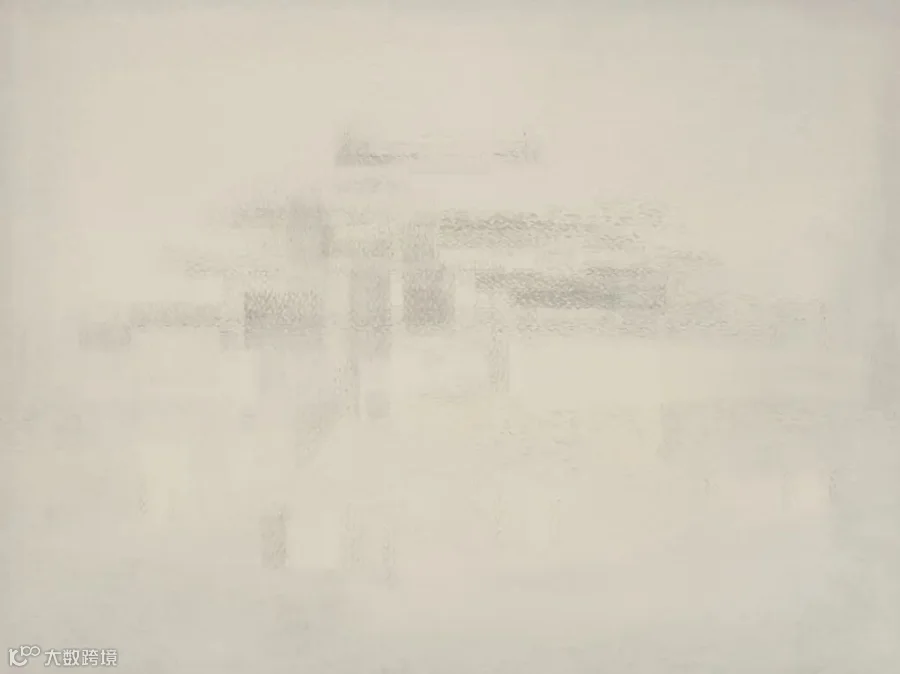
故宫的时空裸相·即(202)
177x234cm
墨、 麻纸
2024
那么,怎样才能体验到超越日常观看方式局限的瞬间,并从而开显出被其遮蔽的直通世界整体和直指存在本身的感知可能性呢?我的实验方法是:借助艺术的非日常性,跳脱惯常的认识性视觉感知,回归到主客未分的,尚未经“人本位的我思”和“对象化的认识意识”加工的,最直接、最纯粹的“前认识的原初感知状态” 。尝试从而获得既清空自我又与世界整体和存在本身融为一体的感知经验。在这种感知状态下,感知者虽然仍是这个我,但体验到的却是超越了人本位、自我本位立场的感知,即去除了人类中心视角下的观看。这种尝试,并非追求感知上的退化状态,而是先挖掘出通常被遮蔽、忽略、遗忘的非认识性感知,再进而挖掘出非认识性感知潜藏着的能够引向更高感知维度的“去蔽”可能性。每当转入这样的感知状态,任何眼前的所见都会瞬间打开一个崭新的感知维度。那一刻,我会体验到消除了一切人为附加意义和情感介入的“纯粹时空展开状态”。这种状态,呈现着世界和感知还没有被差别意识所涉足的根源性澄澈与安宁。正是这种对“尚未介入认识性区分意识的纯粹时空展开状态”的感知,打开了直接指向存在本身的感知可能性(直指了存在本身也就直通了世界整体)。罗素认为,我们无法直接感知到存在本身,只能通过感知到的事物来推断他们的存在。在我们日常的感知方式及感知维度中的确是这样。而我所尝试的感知方式及感知维度,恰恰是去除“相对分辨事物的感知” (指向个别存在物),只留下“对一切事物共通的绝对性时空展开状态的感知” (指向存在本身)。这是通过去除相对性感知的遮蔽,来开显出绝对性感知的“去蔽”尝试。因而,以此感知方式,不用仰望星空,只是观看室内一隅,我们也可能直接感知至大无外的存在的整体。

故宫的时空裸相·即(201)
177x234cm
墨、 麻纸
2024
在绘画表现中,我试图运用交错叠加的振动波线,来呈现不陷入物体轮廓意识的“前认识的感知”,来避免带有区分规定意味的有限性画面。正是这种对一切所见无限性的还原表现,指向了前认识的空明感知经验。另外,也正因为根植于无限性的还原,对所见现象的感知及其表现都获得了无限的自由。在我的创作中,前认识的感知状态呈现为“非认识性的视觉”,也自然地呈现为朦胧的视觉表现。但是,这与意在用模糊含蓄来诱发诗意想像的以往朦胧视觉表现根本不同,目的在于实验非认识性视觉感知的“去蔽”可能性。即去除惯常的相对性感知对潜在的绝对性感知可能性的遮蔽。
我的作品,以把周知的景观转换为“前认识的视觉感知表现”作为常用手法,以之强调对惯常的认识性视觉感知的颠覆和反向增补。此次个展主要以故宫为题材,故宫是北京或中国的代表性建筑,也是80年代我大学时期常去借景畅想天人古今的地方,午门前、宫墙外都留下许多寻迹于精神深处的脚步,当时的向内深究的意愿……延续到了当下的对感知可能性的探索……。

故宫的时空裸相·即(197)
110x200cm
油彩、帆布
2024
我通过视觉艺术做出的上述感知可能性尝试,或者说围绕“感知去蔽”的原创性方法论实验,主要基于对现实中人与世界的关系的反思。这既针对着日常生活中总是封闭于人本位、自我本位感知立场的自己,也针对着信息时代更加把世界作为人的认识对象来知识化、图像化的当代人感知惯性。当我们的感知被现代社会和现代技术不断地加工,平衡性地增补一些原初感知的新用探索,是否会越来越重要?如果文明的走向过度偏颇于人本位的诉求,那无疑是危险的,人心也将会愈加不得安宁。我个人认为,艺术的可贵之处不在于能够呈现人的自我表达,而是在于能够开启人的自我超越其感知局限的可能性。

故宫的时空裸相·即(198)
110x260cm
油彩、帆布
2024
总之,以非认识性的朦胧视觉表现方式来显现尚未经人意介入的纯粹时空展开状态,是我在自己的艺术实验中赋予朦胧视觉表现的新意。深挖非认识性视觉感知及其朦胧视觉表现的“去蔽”可能性,是我在绘画中的一贯追求。在我的体验里,用去除认识性感知清空自我并且超越对象化世界观,让清空了的自我反映或融入世界整体和存在本身的永恒无限,既是一种极致的诗意,也是一种终极的肯定和解放。
2024年夏 王舒野
From the human standpoint to learn about the world cognitively constitutes the basic everyday approach to seeing. It’s a way that provides us the basis of understanding and commanding the world, at the same time, it also introduces perceptual limitation and shields. Any manifestation of perceptive dimension can obscure the others. Often, we are accustomed to perceiving all existence as objects that mutually differentiate from one another, and even AI is based on differential data; we would always try to identify what we see first, and instinctively endow it with conceptualized prescriptive awareness. However, conceptualized prescriptive awareness reflects the world from the standpoint of the self, and it can only involve the relative objectified individual being "for me", rather than the absolute world and being itself. The world as a whole and our being are beyond and encompasses all beings, and are the eternal and infinite extensions of the world and living beings.

故宫的时空裸相·即(196)
260x178cm
油彩、帆布
2024
So how can we experience the moments that transcend the limitations of everyday ways of seeing, and thus open up the possibility of the perception of the world and our being that is obscured by it? My experimental approach is to adopt the unconventional attributes of art, and detached from the usual cognitive visual perception, and return to the undistinguished object/subject relationship, unprocessed from "self-reflection" and "object-oriented cognitive consciousness", and the most direct, and pure "pre-cognitive primordial perception", whereby to grasp an integrated perceptive experience that and ego-less and blended with the world and our being. In such a state of perception, the perceiver, though still the same "I", experiences perception that transcends the human and self-centered position, in other words, removing the anthropocentric point of view. This attempt is not to pursue a degenerate state of perception, but to first uncover the non-cognitive perceptions that are usually obscured, ignored, and forgotten, and then uncovering the possibility of "un-shielding" the non-cognitive perceptions that can lead to higher perceptual dimensions. Whenever I shift into such a state of perception, whatever I see in front of me instantly opens up a new dimension of perception. At that moment, I would experience a "state of pure spatial and temporal unfolding" that eliminates all artificial attachments and emotional interventions. This state presents the root clarity and tranquility of the world and perception that have not yet been penetrated by differential consciousness. It is this perception of the "pure state of spatio-temporal unfolding" that has not yet intervened in epistemic differentiated consciousness that opens up the possibility of perception pointing directly to existence itself (which channels directly to the whole world) According to Bertrand Russell, we cannot directly perceive being, but only inferring it from the things we perceive. This is indeed true in our everyday ways of perceiving and in the dimensions of perception. What I am trying to do is to remove the "perception of relatively differentiated things" (pointing to individual beings), leaving only the "perception of the absolute unfolding of space-time common to all things" (pointing to being itself). This is an attempt to "un-shield" absolute perception by removing the shield of relativity. Thus, with such a way of perception, we would directly perceive the entirety of existence, which is boundless; and only by looking at a detail indoors, without having to look up to the stars, we would sense the infinite whole of existence.

故宫的时空裸相·即(195)
110x110cm
油彩、帆布
2024
In my paintings, I try to use the interlocking and superimposed vibration lines to present a "pre-cognitive perception" that is not caught up in the cognition of the object’s, and to avoid the finite image that is differentiated and specific. It is this reduction of the infinity of what is seen that points to the experience of pre-cognitive perception. In addition, because it is rooted in the reduction of infinity, the perception of the phenomenon seen and its expression are given infinite freedom. In my artworks, the state of pre-cognitive perception is presented as "non-cognitive vision," and naturally, presented as obscured visual expressions. However, this is fundamentally different from other visual expressions of obscurity, which were largely intended to induce poetic imagination by using ambiguity. My aim is to experiment with the possibility of "removing the shield" of non-cognitive visual perception. That is to say, to remove the potential of obscurity from common and relative perception on the absolute.

天坛的时空裸相·即(194)
110x110cm
油彩、帆布
2024
In my works, I transmute well-known landscapes into "representations of pre-cognitive visual perception" as a common approach to emphasize the subversion and reverse supplementation to conventional cognitive visual perception. This solo exhibition is primarily grounded on the subject of the Forbidden City, which is an iconic building in Beijing, China. It’s also a place where I used to go during my college years in the 1980s to take advantage of the scenery and reflect on the ancient and modern worlds, and where I left footsteps searching the depths of my spirit in front of the Meridian Gate and outside of the palace walls, and where I was willing to look deeper into the world of the interior, that has extended and continued to become explorations of the possibilities of perception at present.

故宫的时空裸相·即(200)
110x110cm
油彩、帆布
2024
My attempts at perceptual possibilities through visual art, or my original experimental approach on "the un-shielding of perception," are primarily grounded on my take on the relationship between humans and the physical world. This is in response to our daily life that limit us to the humanistic and self-centered perceptual stance, and to the perceptual inertia of the information age, which intellectualizes and visualizes the world as an object of human awareness. As our perceptions are constantly processed by modern society and modern technology, will it be increasingly important to balance and supplement new explorations to our existing perceptual channels? Should the direction of civilization excessively skew towards humanistic aspirations, it would undoubtedly be dangerous, causing anxiety and restless to people. I personally believe that the value of art lies not in its ability to present human expressions, but opens up to the possibility of transcending the limits of its perception.

故宫的时空裸相·即(199)
110x110cm
油彩、帆布
2024
In short, applying non-cognitive obscure visual expression to represent the pure temporal- spatial unfolding that has yet been intervened by the human mind is the approach I adopt for my artistic practice. It is my consistent pursuit in painting to explore the possibility of "removing the shield" of non-cognitive visual perception and its obscure visual expression. In my experience, eliminating one’s cognitive perception and transcending the object-oriented worldview, the renewed self would integrate into the world and the eternal infinity of being. Such a way of being would embody the ultimate lyricism, affirmation, and liberation.
Wang Shuye
Summer 2024
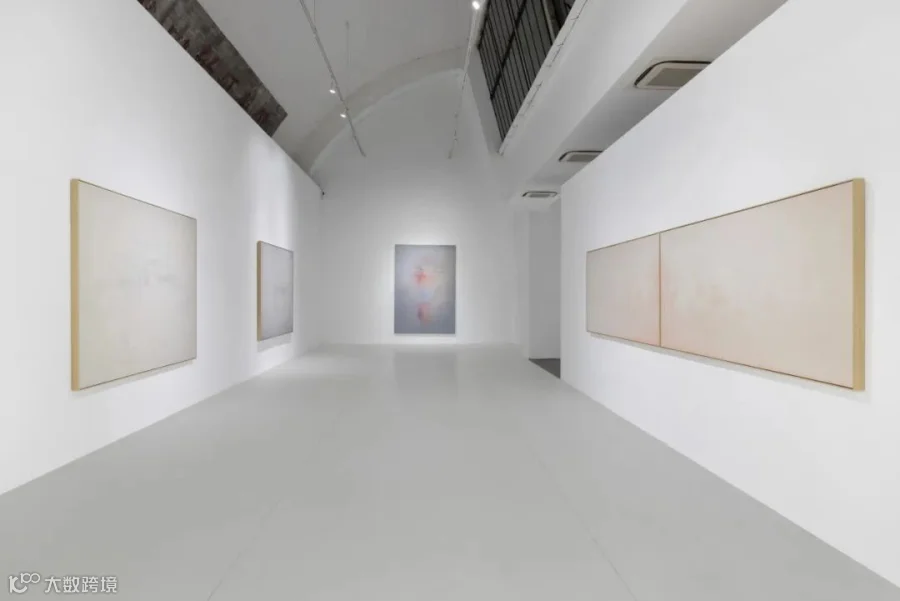
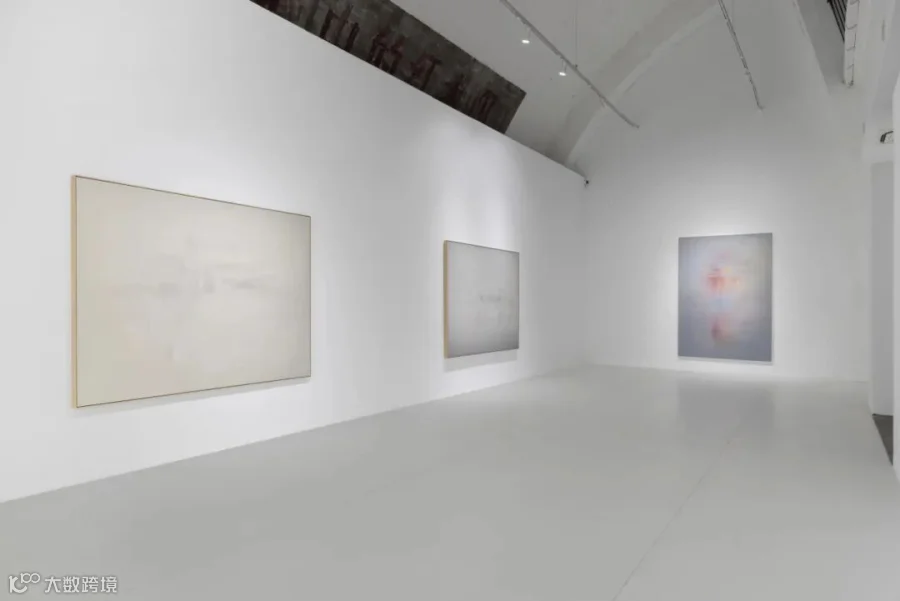
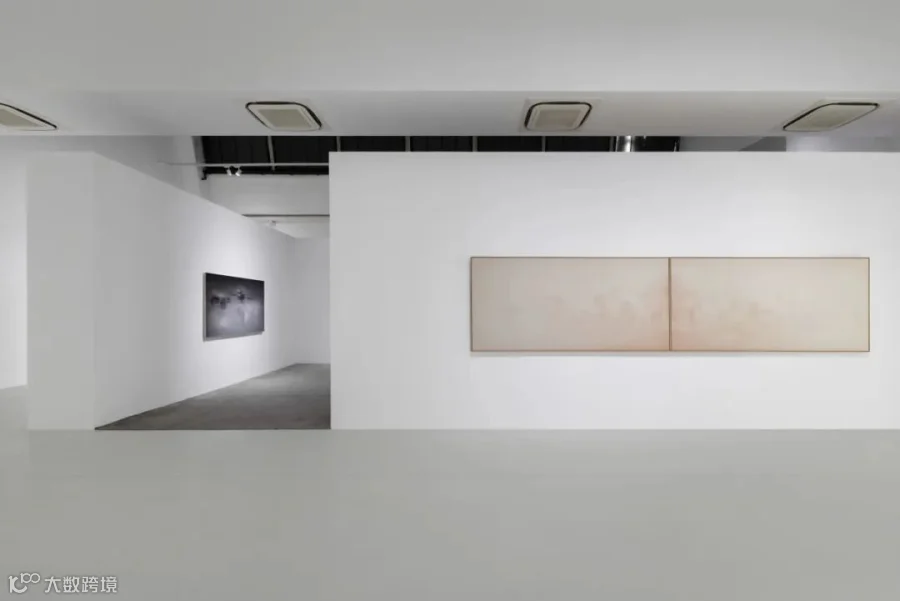
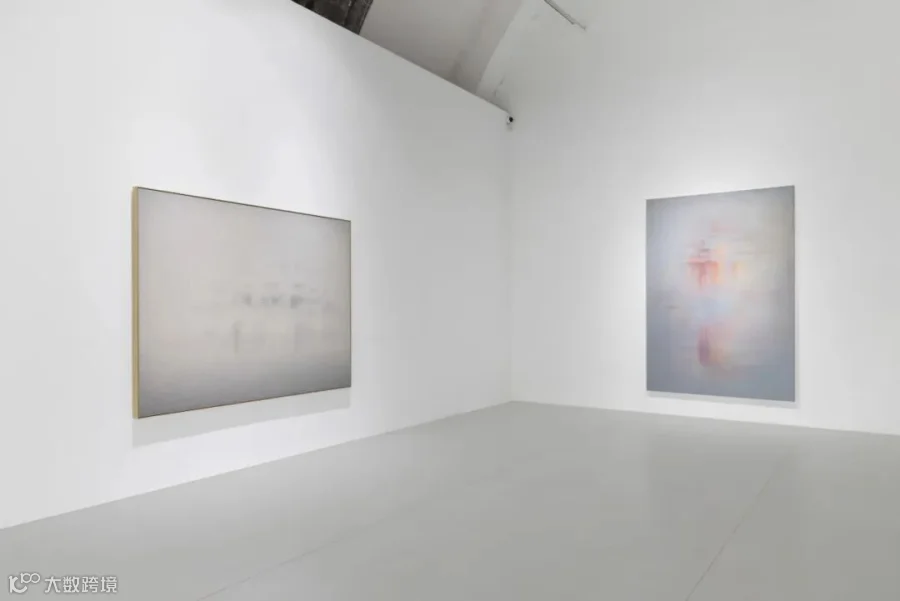
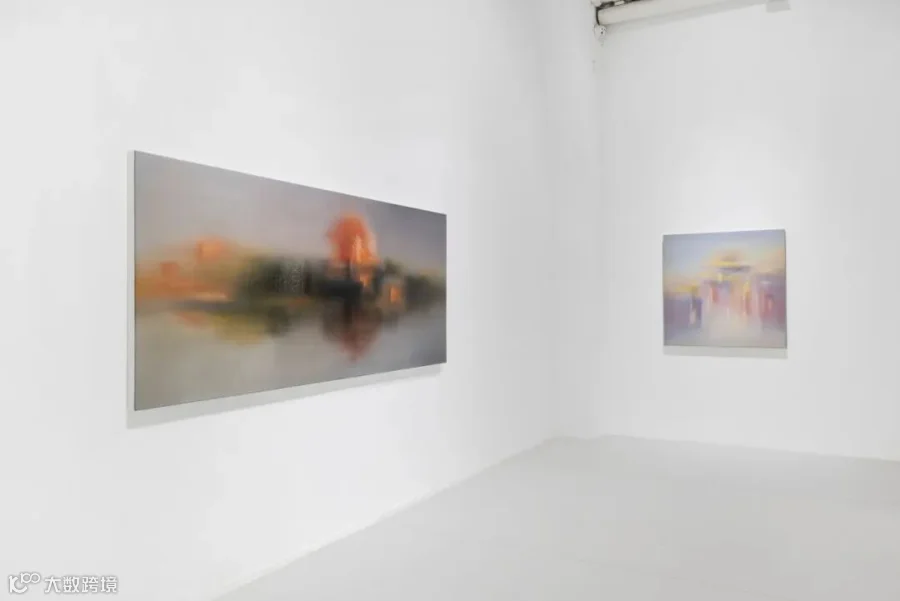
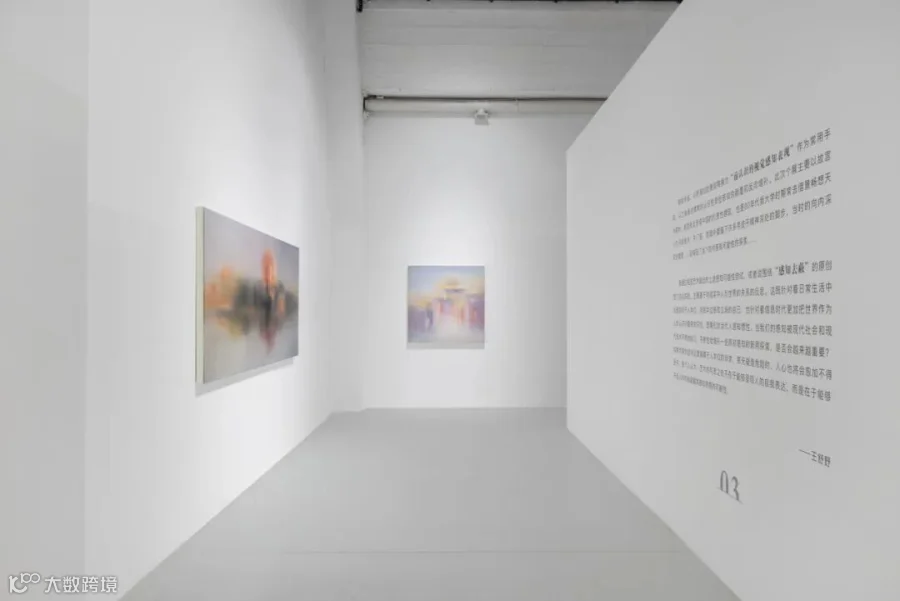


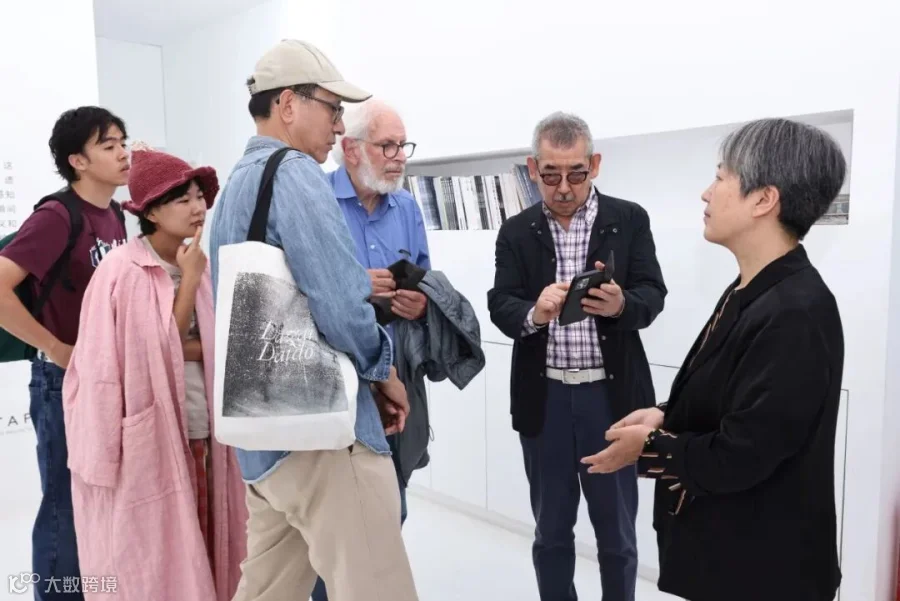
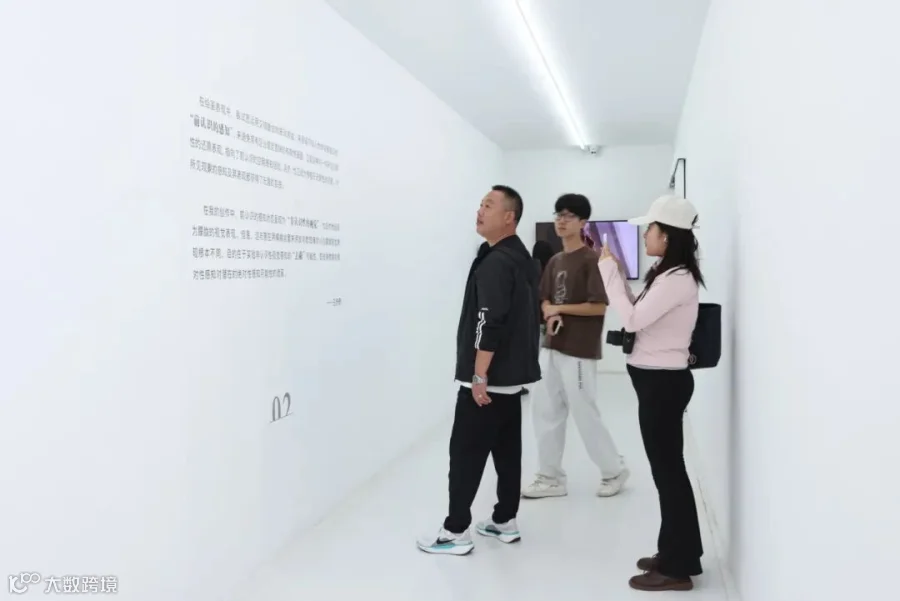
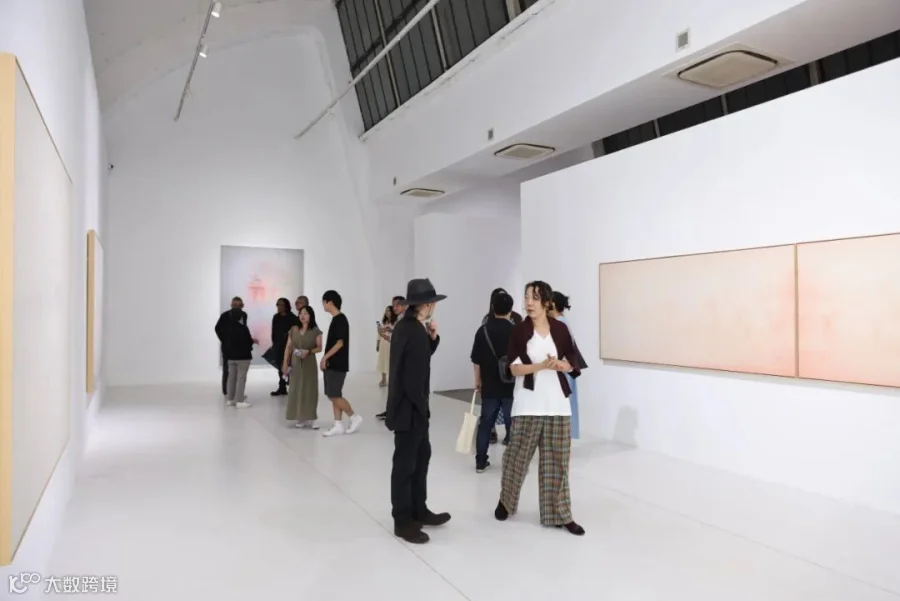
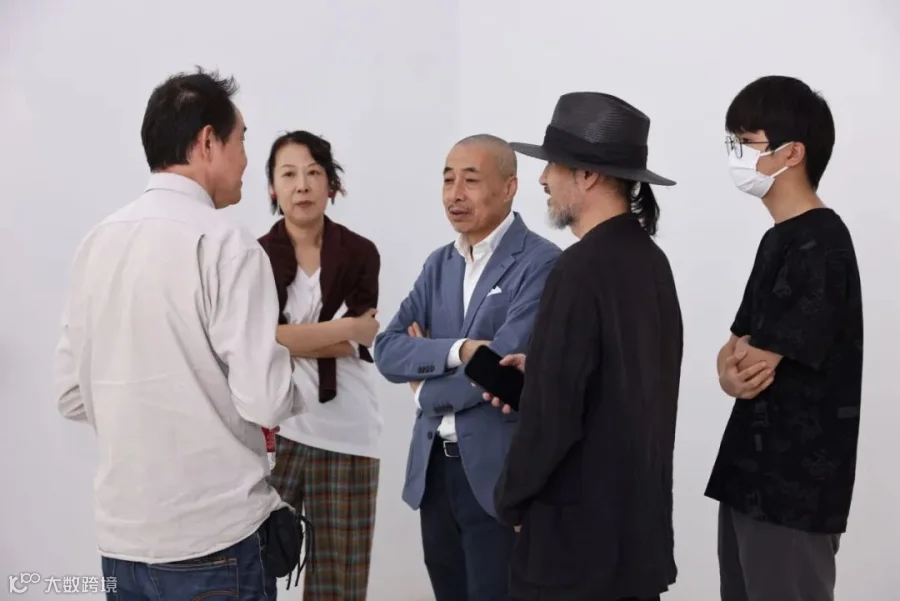
开幕现场







艺术家简介
王舒野,1963年出生于黑龙江省齐齐哈尔市。1989年毕业于中央工艺美术学院(现:清华大学美术学院)。
1990年移居日本,十年间未发表作品,为探究哲学、宗教等精神思想和视觉艺术而默修独研。期间形成基于现代性反思的原创性艺术方法论:提出“无差别观看”(即非认识性视觉),实验以此来开拓视觉上的“与世界的非对象化关系”;作品以废除了物体认识的现实世界新呈现,来揭示被日常的人本位视角的对象化世界观所遮蔽的非对象化感知维度,并进而揭示该感知维度中的世界的自安自足。这种艺术实验,与其渴望平衡日常生活和现代文明背后的感知偏颇紧密相连。
2001年以来,在多家著名艺术机构连年举办个人艺术展,并应邀参加各种重要国际性联展。2011年获得日本文部科学省文化厅主办的第21届“TAKASHlMAYA美术奖”。现为独立艺术家,工作生活于北京和日本镰仓。“新䑃胧主义”的发起艺术家。