


点击上方 “蓝字”关注我们
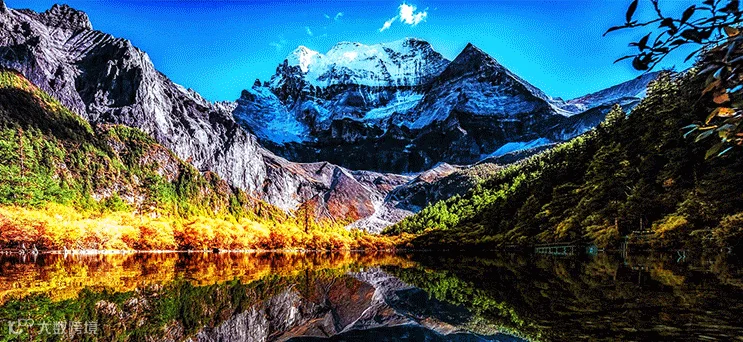

云南,不止是一个名词,
更是永不厌倦的风景~
云南位于中国西南部,
与缅甸、老挝、越南接壤。
昆明是云南的省会,四季温暖如春,
故称为“春城”。
在云南,
闲看花开花落、慢观云卷云舒~~


玉壁金川
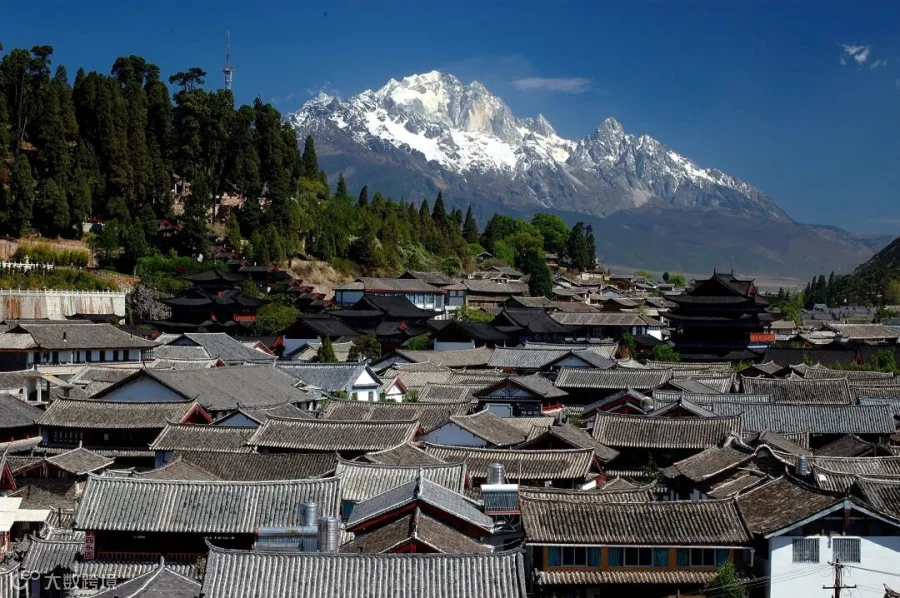
玉龙雪山位于丽江坝子的北端,
十三座雪峰连绵不绝,像是古城的一堵银色照壁,
把古城映衬得光彩夺目。
金沙江三面环抱着丽江615公里,
堪称长江最美丽的江段。
The Yulong snow mountain is locted in north of Lijiang
There are 13 snow peaks in a order of prority, which looking like a silver wall in the Old Town. Set off the Old Town with dazzling brilliance. The Jinsha River embraces Lijiang for 615 kilometers on three sides, It is called the most beautiful section of the Yangtze River.
丽江古城形成于宋末元初,
明清以来一直是滇西北商贸中心和连接滇川藏的茶马古道重镇,至今已有800多年历史。
The old town of Lijiang first built in the last year of song Danasty and the early years of the Yuan Dynasty.
The Old Town, which is a businesss centre early in the Ming and Qing Dynast and an important town on the ancient tea-horse road to Yunnan, Sichuan and Tibet.
With a history of about 800 years.

世界文化遗产丽江古城
由大研古城、白沙古镇、束河古镇三个相对独立的民居建筑群组成。
The Old Town of Lijiang was listed World Cultural Heritage, which is composed of Dayan, Baisha and Shuhe as the trinity of Old Town of Lijiang.
世界遗产委员会评价:丽江古城把经济和战略重地与崎岖的地势巧妙地融合在一起,真实、完美地保存和再现了古朴的风貌。古城的建筑历经无数朝代的洗礼,饱经沧桑,它融汇了各个民族的文化特色而声名远扬。丽江还拥有古老的供水系统,这一系统纵横交错、精巧独特,至今仍在有效地发挥着作用。
The Old Town of Lijiang, which is perfectly adapted to the uneven topography of this key commercial and strategic site, has retained a historic townscape of high quality and authenticity. Its architecture is noteworthy for the blending of elements from several cultures that have come together over many centuries. Lijiang also possesses an ancient water-supply system of great complexity and ingenuity that still functions effectively today.

大研古城
The Dayan Old Town

图片来源于:网络
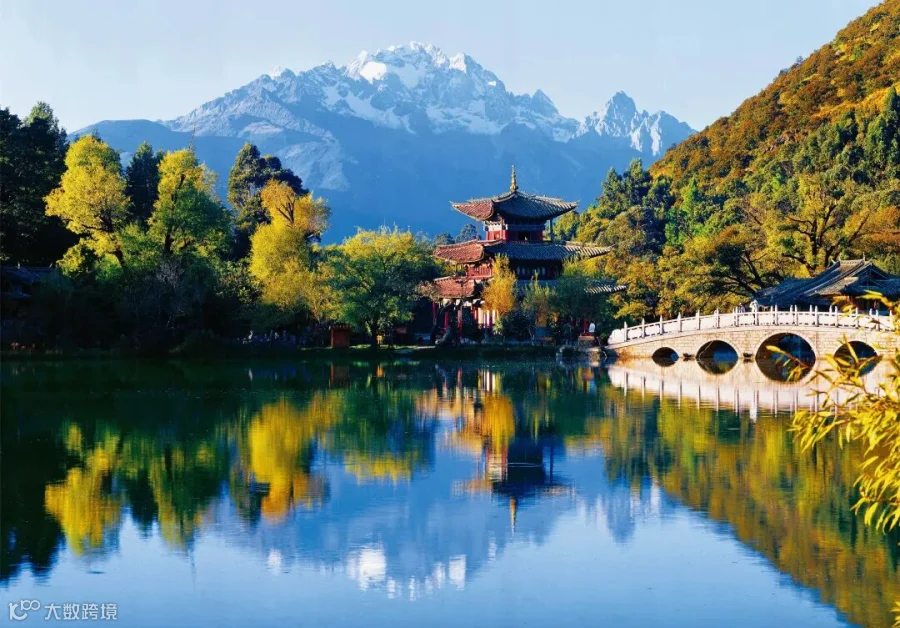
大研古城是世界文化遗产丽江古城的主体组成部分。其街道和房屋的布局,以水为脉,随势而建,不求方正、不拘一格。
The Dayan Old Town is the main part of Lijiang Old Town which is the World Cultural Heritage. Not seeking the shape of square or being stick to one pattern, the houses and streets in Danyan Old Town were built along the hill and the streams.

水赋予古城以灵气。
玉河泉水由黑龙潭流出,经水车照壁分为中河、西河、东河,又在古城里分成更多支流走街过巷,穿墙进院,小桥流水人家的美景遍布全城。
The water brings beauty to the Old Town. The Yuhe River is divided into three steams: the Mid-stream, the West-stream and the East-stream at the entrance of the Old Town where there's screen wall and water wheel. The stream are divided into many branches, winding through the Old Town.

日中为市
Square Street Market

四方街是古城的中央街市。
古往今来,白天,这里商贾云集,买卖兴隆;夜晚,特别是节日的夜晚,这里又成了纳西儿女的欢乐场,篝火、山歌、打跳、阿哩哩、葫芦笙,通宵达旦。
Square Street Market is the center market of the Old Town. From ancient times to the present, merchants and goods gathered here and business is prosperous during the daytime; When night comes, it has become a fun place for the children of Naxi, with bonfires, folk songs, datiao, alili, and cucurbits all night long especially on festival nights.

薄暮涤场
Clean the Market with River Water

图片来源于:网络
每日集市散尽,智慧的纳西人民根据古城地势,巧妙地利用西河水自然冲洗街场。
俄裔作家顾彼德在《被遗忘的王国》中曾说,他周游列国,丽江古城是他所见过的唯一每天用河水冲洗街面的城市。
At the end of the daily market, the wise Naxi people cleverly used the water from the Xihe River to clean the market according to the topography of the Old town.
Pote Gullart, a Russian writer wrote in his book :The Forgotten Kingdomr that the Old Town of Lijiang was the only city where he saw people cleaned the market with water from the river everyday among the cities he had traveled.

彩石铺地
Paved with Colored Granites

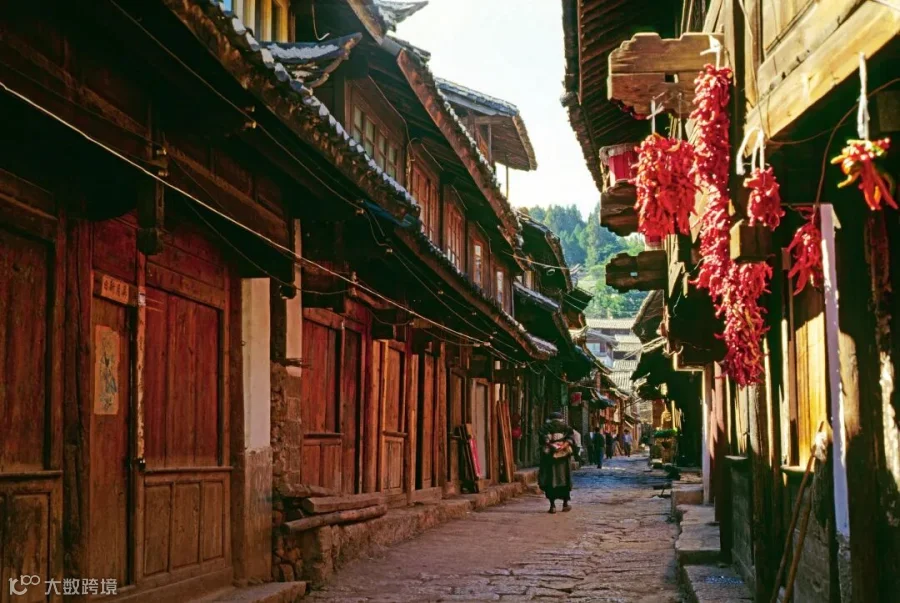
古城的大街小巷,主街傍河,小巷临渠。
街巷全用丽江特有的五花石铺砌而成,经久耐磨,晴日明净无尘,雨后五彩斑斓。
There’re many streets and alleyways in the Old Town of Lijiang. The main street goes along rivers, while the alleyways are beside streams. The streets and alleyways are paved with colored granite, so they neither get muddy in the rain nor dusty in dry season. They are durable, and always smooth and clean.

天雨流芳
God Cast Blessings

“天雨流芳”汉语解释为“天降润雨,滋生万物”;在纳西语里,“天雨流芳”是“去看书吧”的意思。真可谓一语双意,别出心裁。
The Chinese characters “Tianyuliufang”which in the Han language means “ rains come from the sky and nourish everything " , but it means "let's go to school!” in Naxi language. The meaning shows the pursuit of life and national spirit of the Naxi people.

纳西文化
Naxi Culture
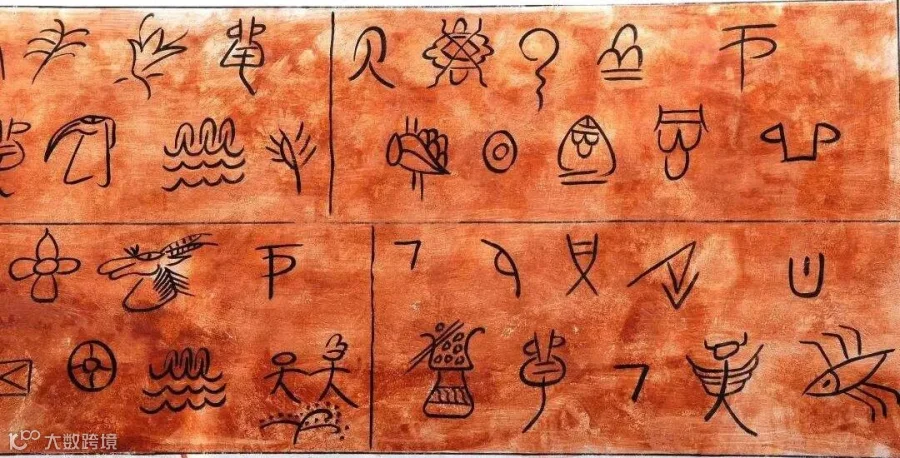
文字活化石——东巴象形文字
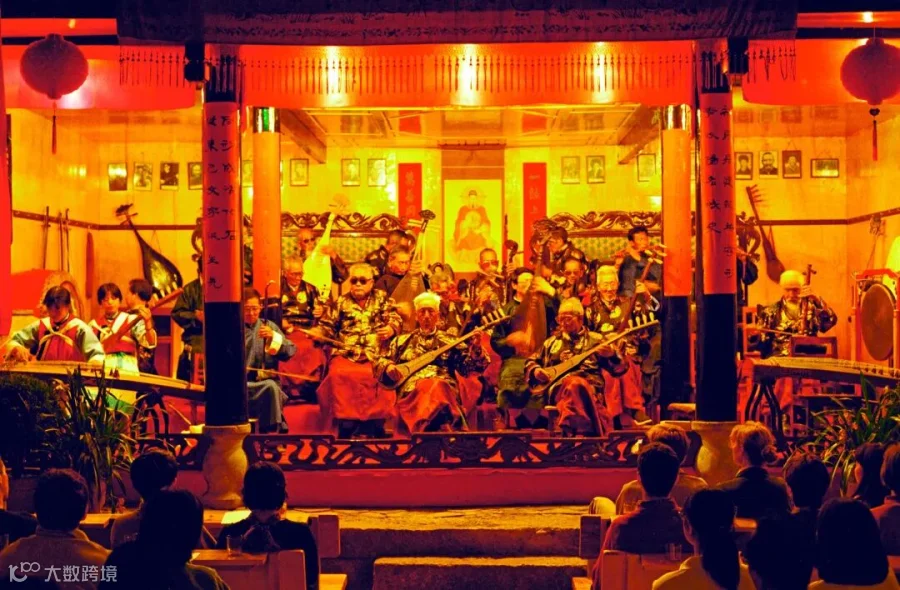
音乐活化石——纳西古乐
人类社会活化石——摩梭人母系大家庭
The living fossil of pictograph characters -- Dongba Pictograph
The living fossil in music field -- Ancient Naxi Music
The living fossil in human society --The matriarchal society of Mosuo people
图片来源于:网络
纳西东巴象形文字是处于图画到甲骨文之间的一个文字体系,有1400多个符号,被称为世界上唯一活着的象形文字。
The Dongba pictograph is a letter system that is in between the transformation process from the pictures to inscriptions on oracle bones. With 1,400 symbols, the pictograph is praised as the only one “ living fossil of pictograph ” in the world .


图片来源于:网络
纳西古乐由《白沙细乐》和《洞经音乐》组成。融入了道教、儒教,甚至唐、宋、元朝的词、曲牌音乐,古乐曲、古乐器、古稀老人,形成了独特的纳西韵味,被中外音乐界称为“音乐活化石”。
The Naxi Ancient Music is composed of Baishaxiyue Music and Dongjinyinyue Music. It combines the music of Taoism and ceremony music of the Confucianism, and even the poetry of the Song Dynasty and the Yuan Drama, music of the Tang, Song and Yuan Dynasties, the ancient music scores, the antique musical instruments, and the aged musicians. All about these elements formed its specialty and praised as “ the living fossil in music field ”.
美妙绝伦的泸沽湖畔居住的摩梭人,至今仍保留着母系大家庭和男不婚、女不嫁的“阿夏”走婚形态,被誉为人类社会活化石——“东方女儿国”。
Lugu Lake is famous in the world because of its beautiful scenery of lakes and mountains. The Mosuo people who live on the bank of Lugu Lake maintain a matriarchal family system in which there is no marriage. The relationship lasts as long as the couple like. This matriarchal society is praised as the "Kingdom of Women in China".


白沙古镇
Baisha Old Town
视频来源于:小红书app
白沙古镇位于丽江城北8公里处的玉龙雪山脚下,是纳西族进入丽江后最早的定居点,是丽江文明的发源地,也是宋元以前丽江政治军事文化的中心。
The Baisha Old Town is located 8 kilometers north of the Old Town of Lijiang, at the foot of Yulong Sonw Mountain. It is the earliest settle place of Naxi people after they moved to the basin of Lijiang. It is also the cradle of the civilization of Lijiang , the poltical and military, and cultural center of Lijiang before Song and Yuan Dynasties.

图片来源于:网络
白沙古镇由民居建筑群和宗教建筑群组成。
宗教建筑中最主要的琉璃殿,是佛教禅宗大殿,和尚念“南无阿弥陀佛”之净土。
而大宝积宫则是藏传密宗佛堂,喇嘛念“阿摩嘛哩本每呵”的场所。
两种教派聚于一院,各行其是。
The Baisha Old Town is composed of the residential and religious house buildings. The most important color glazed hall in religious architecture is the main hall of Zen Buddhism, where the monks recite "Nanmo Amitabha".
The Dabaoji Palace hall is the place where the Tibetan tantric Buddhist temples are used by lamas to recite "Amo Ma Li Ben Mei Hu".
Two sects gather in one courtyard, each doing its own duty
图片来源于:网络

白沙壁画
Baisha Frescoes

古镇现存55幅白沙壁画,多创作于明清两朝,融会了藏传佛教绘画中流畅绚丽的风格,是壁画艺术中的珍品,现分别存放在大宝积宫、琉璃殿、大定阁、大觉宫。其中大宝积宫的壁画是白沙壁画中规模最大的,绘制于明万历年间,共12幅,绘有167个人物形象。内容为宗教题材,但特殊的是,在同一幅壁画里,不仅有汉传佛教、道教的佛像,还有喇嘛教佛像,这种将不同教派内容绘制在一起的宗教壁画十分罕见。
The Old Town are 55 pieces of Baisha Frescoes now and mostly painted in Ming and Qing dynasties, with the colorful and smooth style of the Tibetan Buddhism. They are now stored in Dabaoji Palace hall, Liulidian hall, Dadingge Pavilion, and Dajuegong Palace. Most of the existing Frescoes are preserved in Dabaoji Palace. Twelve pieces of Frescoes with 167 different figures are painted on the wall with religion as their main theme. The well-known Baisha Frescoes combines the contents of Buddhism, Taoism and Tibetan Buddhism into one picture. This bold and creative method of painting is very rare in the religious painting of the world.

束河古镇
Shuhe Old Town

图片来源于:网络
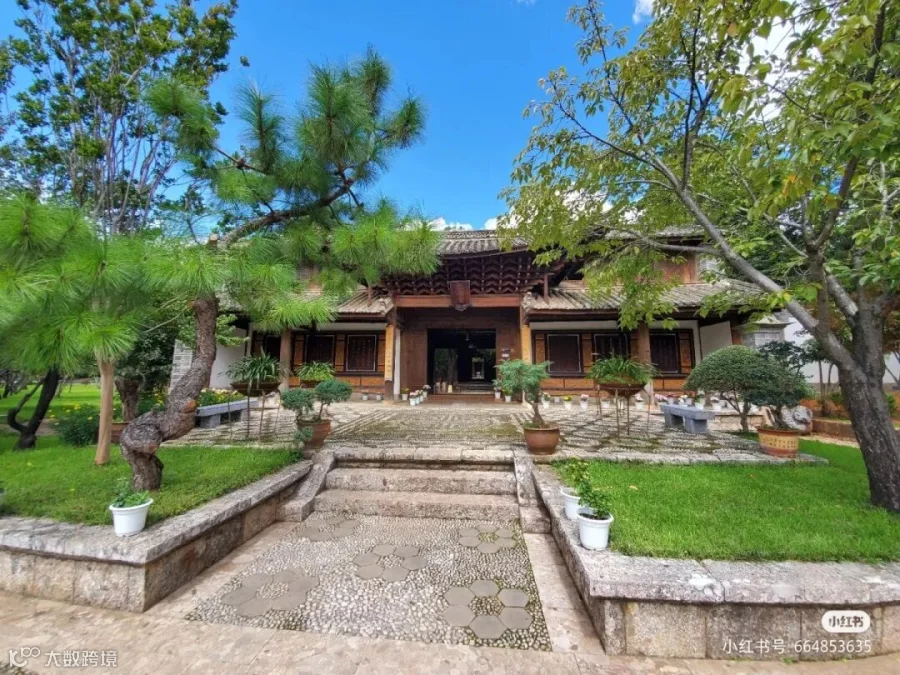
束河古镇位于丽江城北5公里处,是世界文化遗产丽江古城的重要组成部分。和白沙古镇一样,这里也是纳西族进入丽江后最早的定居点,是滇川藏茶马古道上保存完好的重要集镇,也是纳西先民从农耕文明向商业文明过渡的活标本。比起大研古城的繁华热闹,束河古镇更显得古朴自然,少了游人的喧嚣,多了自然静谧的气息。
Shuhe Old Town is one of the important parts of the Old Town of Lijiang. It is situated five kilometers north of the Lijiang Old Town. Like the Baisha township, Shuhe is also one of the earliest settle places of the ancestors of the Naxi people and an important town on The Ancient Tea- horse Road to the Tibet.
Comparing with the bustling of the Dayan Old Town, the Shuhe Old Town has more nostalgic village atmosphere, simplicity and nature .

图片来源于:网络
束河最大的特点就是“古”。
古街、古寺、古桥、古树、古道、古壁画随处可见。
束河四方街西侧,有一座明代万历年间修建的大石桥,横跨于青龙河上,是丽江最大的石拱桥。
The biggest characteristic of Shuhe is "ancient".
Ancient streets, temples, bridges, trees, roads, and murals could be found everywhere. On the west of the Square Market of the Shu Old Town, a big stone bridge crosses over the Qinglonghe River. This bridge was built during the Wanli period in the Ming Dynasty.

水也是束河古镇的灵魂。
束河人对水的利用十分独特,横穿街市的三条河自古以来就有不同的功用。
西面源自束河之源——九鼎龙潭的九鼎河水,作为饮用;东面琉璃河之水从青龙河上筑槽而过,形成了“河上有河,河下有河”的奇观,这水一直流过四方街,作为居民淘米洗菜之水;而中间的青龙河水则用来洗衣物。
Water is the soul of the Shuhe Old Town.
The way of using water is unique for Shuhe people. The three rivers flows through the market have different functions since ancient times. The sources of Shuhe-- Jiudinghe River from the Jiuding Longtan Pool , water is drinkable. The Liulihe River flows on the upper gutter of the Shanglonghe River, which forms a beautiful scenery of “a river is flowing over another river". This River has been flowing through Sifang Market, which is used to wash rice and vegetables.
In the middle of Qinglong River is used to wash clothes.

E N D

上期答案:传说,鸡足山华首门的开门钥匙在丽江文峰寺金刚亥母洞,现在很多人去鸡足山朝拜前,都要到文峰寺顶礼膜拜"请"钥匙。
部分图片来源于网络,如侵权,请联系删除
往期回顾

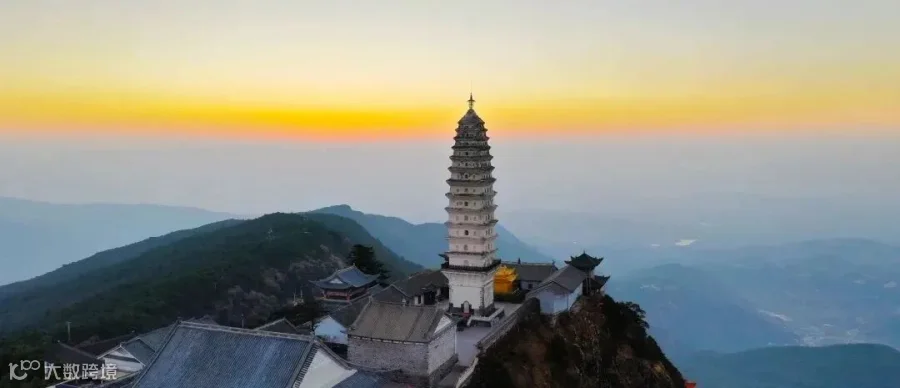 鸡足山 | 深山藏古寺,云里听梵音