


美少女最近突然发现身边多了好多辞职的朋友 - 而且大家都不约而同地约我刷展(可把我给忙坏了
然后每刷完一个展我还总有特别多感慨想要抒发...外加最近被我发现了一个叫Substack 的平台(据说是美国人发现微信公众号的模式特别牛逼于是搞了一个美版的以邮件订阅为主打的公众号)所以我最近刷到的和中国主题有关的展都准备放到Substack上。
本来,上自己的公众号分享一下我的Substack链接是很简单的一个操作 - 但貌似这个网站被墙了... 外加我妹说,英文的内容其实也可以放到公众号上来,万一大家喜欢看呢...(而且说着说着就开始畅想起本公众号的其他可能

好了,坑次坑次写完的内容确实不想白白浪费了,所以今天就先(斗胆)放一篇张大千的摩耶精舍观后感分享给大家。玩Substack的朋友也可以后台给我留言
++++++++++++++++++++++++++++++
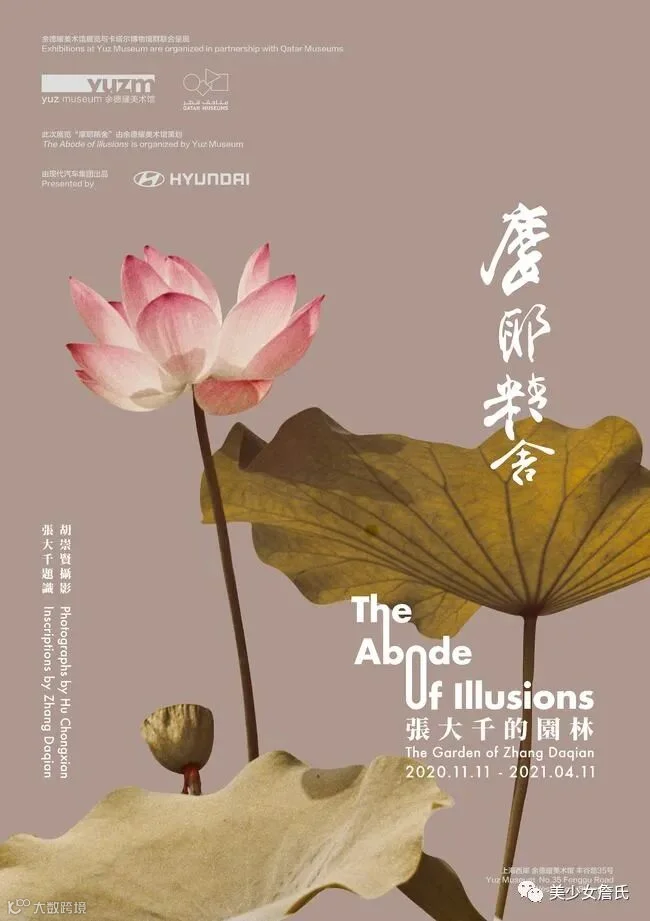
For some unknown (but profound - if looked at in retrospect) reason, I’ve decided that the best way to celebrate the Chinese Single’s Day (11.11) is to explore and dive into the world of art - after all, solitude is (and probably will remain) the only (and best) common friend I share with the great artists of all time - and as such I’ve self-invited myself to the “Abode of Illusions” (摩耶精舍) which is on display at the Yuz Museum of Shanghai, to get a glimpse of the illusions fabricated by the Chinese painting master Zhang Daqian (Chang Dai-chien) through his idyllic garden.
Zhang Daqian is considered by many to be the “Picasso” of China - both of whom are prodigious and polygamous - but Zhang was something more. He was regarded as one of the best-known master of the Chinese painting, and simultaneously one of the most gifted master forgers of the twentieth century.
Chinese painting, being one of the oldest continuous artistic tradition, is essentially in pursuit of the subtle expression of poetic mood, shares the same technique of calligraphy. The layout of the art, usually comes in a varied forms of lines, is done in one movement, adjusted through pressure and slope of the brush, in depiction of force and flexibility, to express the subtle “spirit of the beings”. On the trail of mastery, one needs to study the paper, ink, brush, pigment, seal, seal paste, and scroll mountains in exacting detail.
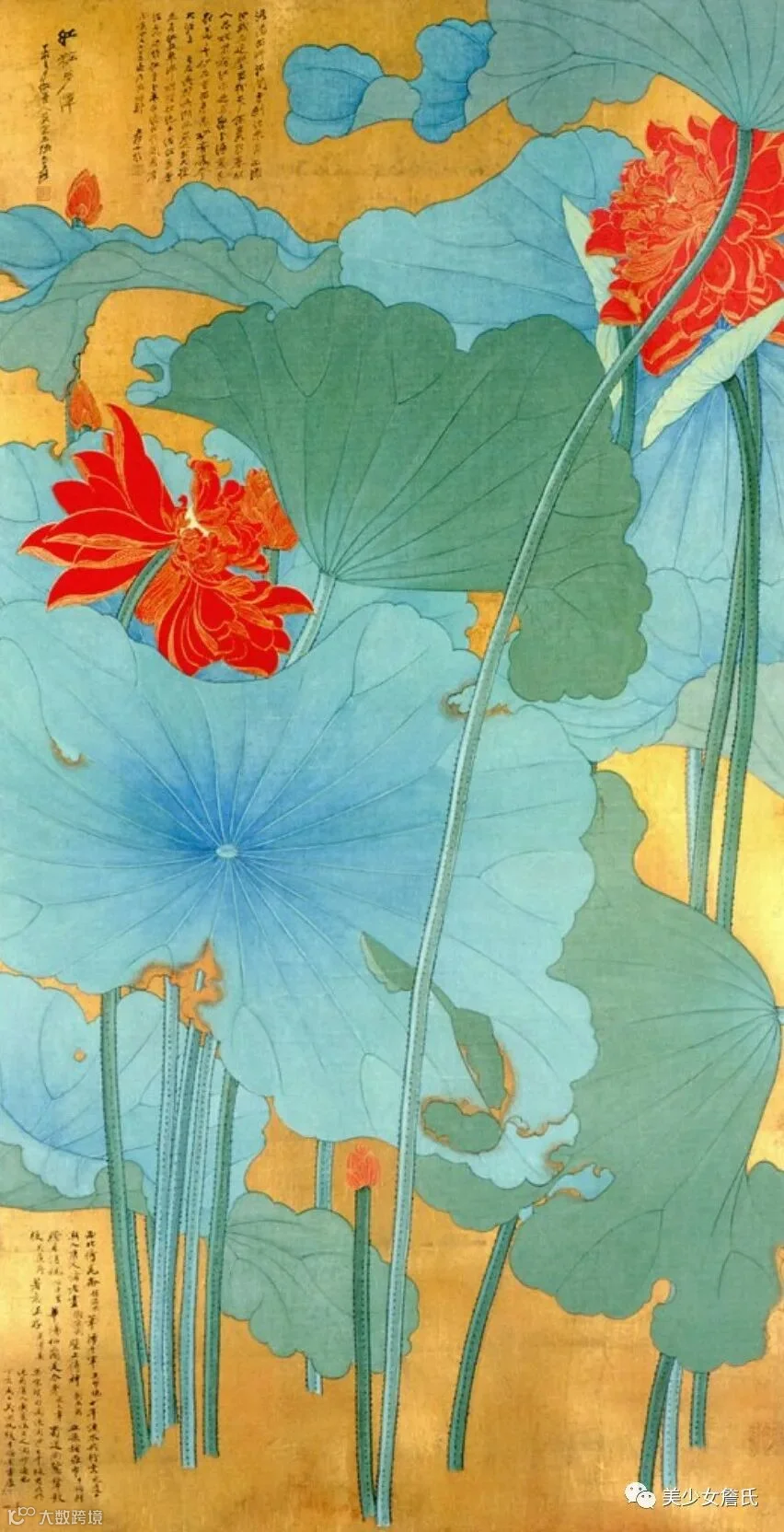
▲Lotus - Zhang Daqian 1948

▲Budding Lotus - Zhang Daqian 1975

▲Two woodblock prints of peony and lotus - Zhang Daqian

▲Fun at a lotus pond - Zhang Daqian 1947
Zhang carried his love for lotus - an emblem for nobility and unsulliedness in the Chinese cultural context - throughout his life, and the works exhibited in the “Abode of Illusions” embody a joint effort made by Zhang and his friend (Hu Chongxian) to depict the spirit of beings in the form of photographs.
Hu was invited to take photographs of the landscapes at Zhang’s residence (Abode of Illusions), most especially lotus and plum blossoms. Zhang inscribed each image with poems, representing a remarkable collaboration between the artist and photographer.
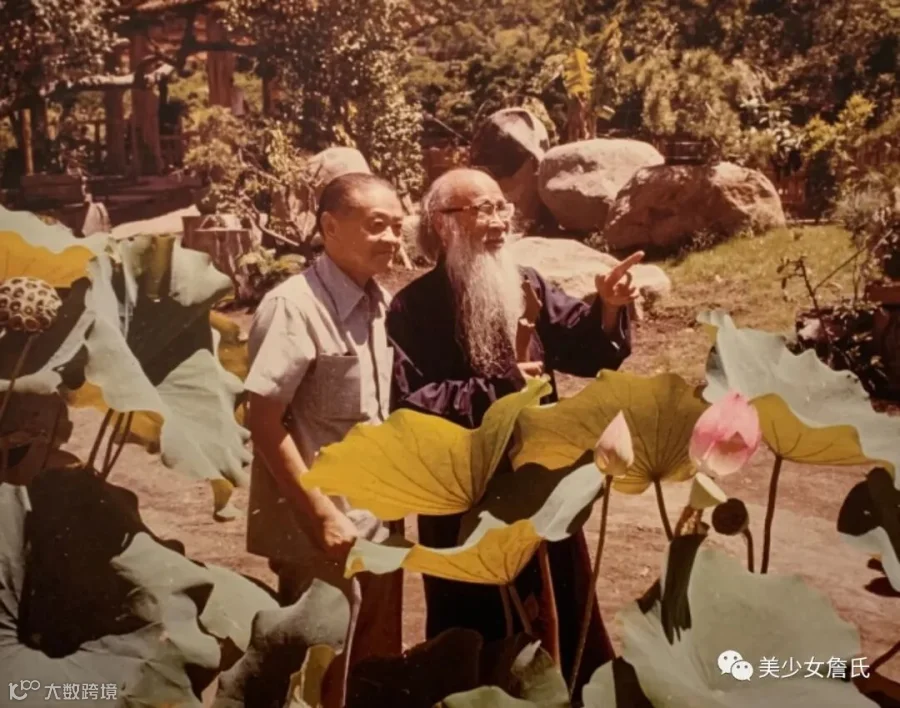
▲Zhang Daqian (right) and Hu Chongxian (left)

▲Zhang’s inscription of poems

▲The Abode of Illusions @Yuz Museum of Shanghai

▲The Abode of Illusions @ Yuz Museum of Shanghai

▲The Abode of Illusions @ Yuz Museum of Shanghai
Zhang inscribed each image with poetry to create an ambience of Chinese painting. If you look closer, you’d notice that each photograph on display contains four key ingredients to a finished Chinese painting - poetry, calligraphy, painting, and artist’s seal. These four ingredients form the indispensable elements for creating perfection in a finished Chinese painting, and greatest Chinese artists are masters of all four skills.
Why is poetry, calligraphy, painting and artist’s seal form the ingredients of a finished Chinese painting but none of such is seen in western paintings?
According to a publication made by Oakland University (“Writing an image, Chinese literati art”), literati art (or 文人艺术) is a Chinese art form promoted by scholars, and the creators of such art do not see themselves as painters, but rather “human beings completed by Confucian moral cultivation and elevated by Taoist integration with nature”. The process of creating a Chinese painting is, in itself, one of the ways through which one could cultivate ideal personality and understand the supreme truth of Taoism(道).
As “Oneness” is central to Taoist philosophy and thought, in a sense, the four ingredients of creating a Chinese painting is essentially “one thing” that appears in four different forms.
Is this an illusion? Maybe.
But the whole universe as we now know it today might also just be an illusion.
“Abode of Illusions” - is not merely the name of this exhibition, or the garden built by Zhang in his later life; Rather, it is who Zhang was, and how he saw this world. As a Chinese painting artist, and a forger of Chinese masterpiece, his original paintings are hanged alongside the forgeries in museums worldwide. The photos displayed in the “Abode of Illusions” exhibition are also works of illusion that exist to blur the lines of Chinese painting and photos that look like Chinese painting.
After all, what is not illusion?
And would you rather create your own illusion or be illuded by the illusionary world?