


很多人误以为国产汽车出海只靠低价,真正打动非洲采购商、车主的,是全维度精准适配能力。
01
精准价格定位
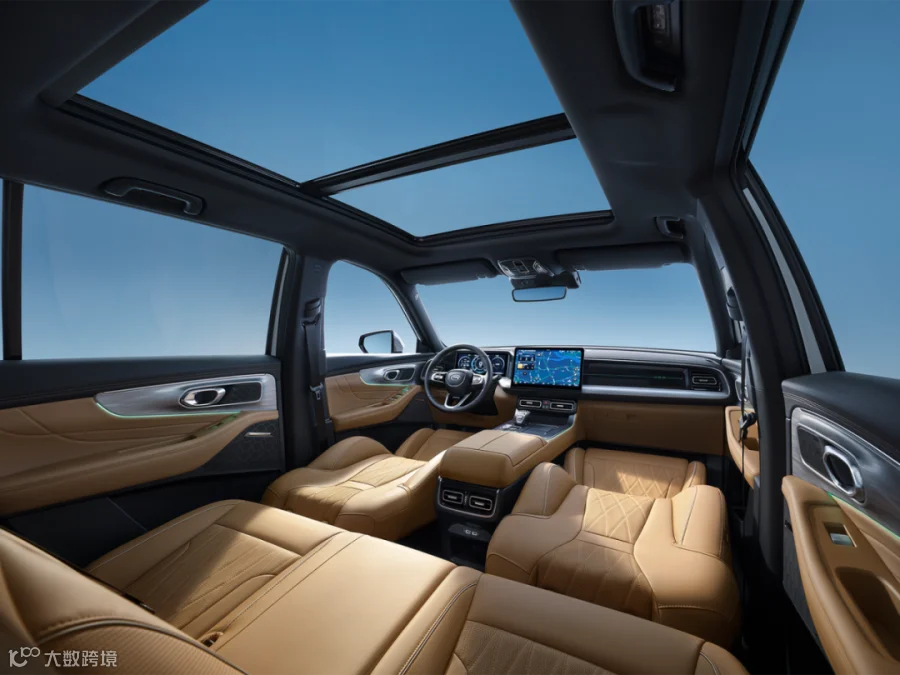
国产主力车型覆盖多元价格区间,匹配个人家庭、出租车队、矿业物流企业采购预算。同等价位下,智能座舱、辅助驾驶等配置领先竞品,在维修网点分散的非洲,智能化功能有效降低长期用车成本。
02
全品类车型矩阵
家用市场:SUV、轿车、混动车型满足城市通勤;
商用市场:皮卡、轻卡、大巴、自卸车、冷藏车适配农业运输、矿业、城乡客运;
特种车型:工程车辆、新能源客车、专用作业车,满足项目采购需求。

03
产品本土化深度改造
针对非洲高温、多沙尘、长距离行驶环境,车辆出厂强化散热、底盘防锈、加厚悬挂;混动车型兼顾省油与长途续航,完美平衡当地高油价、供电不稳两大难题。

04
从 “卖车” 走向本土化生态运营
单纯整车出口容易受贸易政策波动影响,提前落地本土布局成为破局关键。头部中国车企陆续落地 KD 组装工厂,规避关税壁垒;外贸企业搭建海外仓、售后网点,提升客户粘性。

非洲机遇广阔,但各国清关规则复杂、物流链条漫长、售后配套缺失,单一国内输出模式极易遭遇滞港、沟通不畅、售后断层难题。
星通国际深扎非洲市场,在加纳、马达加斯加成立本土公司,建设海外前置仓与线下服务网点。本地团队熟悉当地法律法规、商业习惯、港口清关流程,告别远程信息差,快速响应经销商需求。
Many mistakenly believe that Chinese automobiles succeed overseas solely through low prices; however, what truly wins over African buyers and vehicle owners is the ability to precisely tailor products to a wide range of needs.
1. Precise Price Positioning
Leading Chinese models span diverse price points, aligning with the budgets of private households, taxi fleets, and logistics companies in the mining sector. At comparable price points, features such as smart cockpits and driver-assistance systems outperform competitors; in an African landscape where service networks may be sparse, these intelligent features effectively lower long-term ownership costs.
2. Comprehensive Vehicle Portfolio
Consumer Market: SUVs, sedans, and hybrid models cater to urban commuting needs;
Commercial Market: Pickups, light trucks, buses, dump trucks, and refrigerated trucks support agriculture, mining, and passenger transport between urban and rural areas;
Specialized Vehicles: Construction machinery, new energy buses, and utility vehicles meet specific project procurement requirements.
3. Deep Product Localization
To withstand Africa's high temperatures, dusty conditions, and long-distance driving requirements, vehicles undergo factory-level enhancements such as improved heat dissipation, rust-proof chassis treatments, and reinforced suspension systems. Hybrid models offer both fuel efficiency and extended range, perfectly balancing the challenges of high local fuel prices and unstable power supplies.
4. Transitioning from "Selling Cars" to Localized Ecosystem Operations
Relying solely on vehicle exports makes businesses vulnerable to trade policy fluctuations; establishing a local presence is key to overcoming these hurdles. Leading Chinese automakers are setting up KD (Knock-Down) assembly plants to bypass tariff barriers, while export enterprises are establishing overseas warehouses and after-sales service networks to boost customer loyalty.
While Africa offers vast opportunities, complex customs regulations, lengthy logistics chains, and a lack of after-sales infrastructure mean that a purely export-based model often faces issues such as port congestion, communication gaps, and service disruptions.
Seetoone International is deeply rooted in the African market, having established local subsidiaries in Ghana and Madagascar, along with overseas forward warehouses and offline service centers. Our local teams are well-versed in regional laws, business practices, and port clearance procedures; by eliminating information gaps inherent in remote operations, we ensure rapid responses to the needs of our distributors.
文章来源:网络资料整理

微信号丨星通国际
Facebook丨Seetoone car
视频号丨星通国际
抖音丨星通国际