


这本书是我五月份的书目,因为上月底开始去学校上课,所以这本书读的时间稍长些,直到上个星期才还到图书馆。

说到冥想这件事情,我们多数人头脑中可能第一反应是跟宗教相关的僧侣修行者,或瑜伽练习者,盘腿而坐,念念有词,太高深。嗯,我以前也这么认为,后来慢慢的看了一些关于个体冥想体验的故事介绍,直觉是太“神奇玄乎”。比如印度Vipassana的十日内观冥想,整整十天的时间里在一个地方,与外界完全隔绝,不准说话,严格遵守各种规律和戒律的体验活动,有的人中途“出逃”,有的人坚持下来。初读这些故事感觉纯粹是一种好奇,并未想要去亲身体会。再后来就是蒋先生开始看关于冥想方面的英文书,并尝试体验。当然,身边人的影响远比别人的故事来的更真实。甚至连Grace也学会了在哭闹的时候会做深呼吸calmdown,感觉自己是应该要了解下到底什么是冥想,当然最主要的原因是我察觉到自己是迫切的需要它。

所以,《Mindfulness》就成了我第一本读的关于冥想的书籍。看完这本书。我最大的感觉就是,天哪,这冥想哪里玄乎了,简直科学得不能再科学。其实冥想这个源自东方的修行早已成为西方社会的减压利器,从硅谷科技大佬乔布斯到华尔街金融大亨都开始将冥想作为其心智武器,而Google公司从2007年就为员工推出了12门正念冥想课程。

斯坦福大学的冥想中心,随意感受下:


这本书最大的特点,不仅仅是从理论上去介绍Mindfulness,即正念冥想,最主要的是提出了一个实际可行的八星期计划。正念冥想,说简单点,它是一种训练大脑的方法,它通过让人们专注于呼吸、专注于感受或其他事物,来训练自己的头脑,达到清晰专注的状态。

看起来似乎很简单,但试试你就知道了,一分钟坐着就开始心猿意马,思绪翻腾。因为我们人类头盖骨里的那一坨蛋白质脑花虽然堪称世间最精深奥妙的造物,但这并不意味着它的完美无瑕。比如我们本能地无法抗拒甜食和高热量食物的诱惑。我们从小学习如何应对外界的种种,却没有人告诉我们如何用方法论去应对脑子里的纷繁思绪。为啥每次想静下心来干点什么时脑子里总会跑出无数的杂念?为啥我每次脑子里产生一个灵感或念头时就会自动转移注意力到其他事情上?为啥我上一秒还在看书,下一秒却发现手上拿的是手机?

或许你没有像我那样胡思乱想那么多,然而日常生活中,我们总是太过轻易地将刹那间升起的诸多念头和情绪认同为自身,然而脑子里的念头和情绪其实并不等于自己。这个时候,我们需要学会的技能,就是觉察自己脑中的思绪,并又不被它们所影响。因为冥想的时候,只要将注意力转回自己的身上,有意识地将注意力维持在自己的当前状态和内在思想,感知自己的想法和念头,不做主观判断地接纳和理解自己,就能重新体会到,更清晰的思维,更少的自我批判与情感消耗,才就会提高更长时间的专注能力和深沉放松的休息。

比如养娃过程中,总会时不时出现控制不住脾气的时候,我生气了。当一种情绪出现的时候,开始觉察,告诉自己,我现在正在经历“生气”和“想骂人”的情绪,先承认它,这个是事实,不要反抗。不要以为:如果她不惹我有多好,如果我不生气有多好。然后观察自己身体的感觉,生气对于我来说是哪个部位有感觉,是脑袋有胀的感觉,还是肩膀发抖,或是胃里翻腾:再然后脱离,别让这件事情像口香糖一样黏在自己身上。意识到我在这个时刻因为这件事情发生而产生了生气的情绪,这不代表我就是个愤怒的人,也不代表孩子就不听话, 她也是独立的个体,她也有情绪的时候,这只是一个事件,并不代表你就不能做一个好妈妈。这一切我们需要的是去觉知,静静的放到一边,而不再被情绪所控制。
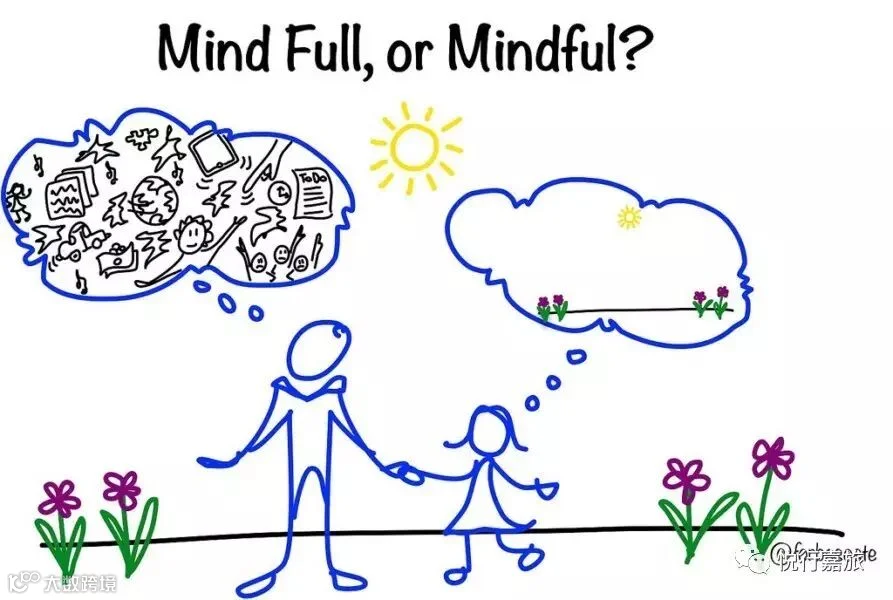
然而这些理论知识,即使懂得再多,如果不去实际练习,然并卵,也就没有任何意义。虽然我也是最近才开始进行冥想,菜鸟小白一只,体验不多,但我确确实实的相信,这样一种大脑训练方法是科学有效的。就像我最初跑步时,五公里跑下来都痛苦得要死,但通过有效的训练,如今跑一个马拉松也不再是一件望不可及的事。人的大脑也一样,通过每天的练习去感知自己的想法和念头,看着它们从无到有的产生,继而发展壮大,但又在下一个刹那如泡沫般破裂转瞬消亡,犹如一个很有趣的游戏。我相信这会是一个奇妙的体验。

附上书中的八周练习,有兴趣的可以看看:)
第一周
The Raisin meditation
Mindful awareness of a routine daily activity (e.g.brushing teeth)
Mindfulness of the body and breath meditation twicea day
Habit releaser-changing chairs
第二周
Body Scan practice at least twice a day, Six out ofseven days
Carry out another routine activity mindfully—choosea different one from last week
Habit releaser –go for a walk for at least fifteenminutes at least once this week
第三周
Eight minutes of mindful movement mediation followedby an eight-minute breath and body meditation
The three –minute breathing space meditation, to bepracticed twice a day
Step 1: becoming aware: what thoughts are goingthrough the mind? What feelings are here? What body sensations are here rightnow?
Step 2: gathering and focusing attention
Step3: expanding attention
A habit Releaser –valuing the internet
第四周
An eight-minute breath and body meditation
And eight-minute sound and thoughts meditation twicea day
A three-minute breathing space meditation that youdo twice a day and also whenever you need it at any other time
Habit releaser: a visit to the movies
The intensely frustrating line meditation
第五周
An eight-minute breath and body meditation
And eight-minute sound and thoughts meditation
The ten-minute exploring difficulty meditation
Breathing space meditation
Habit releaser: sow some seeds or look after plant
第六周
Ten minutes befriending meditation
Continue with the three-minute breathing spacemeditation twice day
Habit releaser: 1. Reclaiming your life; 2. Do a good-natured deed for someone else
第七周
The three –minute breathing space meditation, to bepracticed twice a day
(on six days out of the next seven)后面七天中的六天,自己选择前几周所做的冥想最受益的两项坚持做。
第八周
The most difficult move in yoga is the move on yourmat. Similarly, the most difficult aspect of formal mindfulness practice isgetting on to your chair or school or cushion.
1. Start the day with mindfulnesswhen you open your eyes, gently pause before taking five deliberate breaths. Thisis your chance to reconnect with your body.
2. Usebreathing spaces to punctuate your day
3. Maintainyour mindfulness practice
4. Befriend your feelings whatever youfeel,as best as you can, see if you can bring an open and kindhearted awareness toall of you feelings.
5. When you feel tired, frustrated, anxious,angry or any other powerful emotion, take a breathing space.This will “ground” your thoughts, diffuse you negative emotions and reconnectyou with your bodily sensations.
6. Mindful activities, whateveryou do, see if you can remain mindful throughout as much of the day aspossible.
7. Increase your level of exercise,walking, cycling, gardening; going to the gym—anything physical can be used tohelp weave your parachute.
8. Remember the breath;the breath is always there for you. It reminds you that you are ok just as youare.

悦嘉JOY:从北京到费城,从职业女性到全职妈妈,一直在自我成长道路上的上下求索,用文字记录细碎流水生活,也探索追求有趣的人生。