春节,对中国人而言,不仅仅是一个节日,它是一场横跨半个月的全民迁徙,一次家庭情感的终极回归,也是一年一度按下生活“重启键”的仪式。

节日定位与内核(Festival core essence)
1、为什么春节如此重要?我会这样回答。
为什么春节如此重要?想象一下,如果把圣诞节(家庭)、跨年夜(庆祝)和感恩节(感恩)全部融合成一个超级节日,那就是春节!
传统上,在农耕社会,它标志着一整年辛勤工作的结束和新周期的开始。最重要的是,这是一年中家庭被正式置于一切之上的时刻——比工作重要,比截止日期重要。人们跨越全国,进行难以置信的长途旅行,只为了回家吃一顿饭。这就是春节的精神。
Why is it so important? Imagine if Christmas (for family), New Year's Eve (for celebration), and Thanksgiving (for gratitude) were all combined into one super holiday. That's Chinese New Year!
Traditionally, as an agricultural society, it marked the end of a year's hard work and the start of a new cycle. Most importantly, it's the one time of year when family officially comes before everything else—more than work, more than deadlines. People travel incredible distances, across the entire country, just to be home for one dinner. That's the spirit of it.
2、而人们密集地返回故乡和家庭的集体行为,就叫做春运(The Spring Festival Travel Rush)。

春节,造就了地球上每年最大规模的人类迁徙,称为“春运”。在节日期间大约半个月里,机场、火车站和高速公路挤满了数亿急切归家的人们。这是家庭凝聚力最有力的证明。
This collective journey home creates the largest annual human migration on Earth, known as the “Spring Festival Travel Rush”. For about half a month around the holiday, airports, train stations, and highways are packed with hundreds of millions of people all rushing to get home. It's the most powerful testament to the pull of family.
3、这个节日起源非常古老,可以追溯到几千年前(Origin)。
它的历史可追溯到商朝(约公元前1600-1100年)。起源于人们在岁末年初祭祀神和祖先的仪式,祈求丰收与好运。
Its origins are ancient, dating back to the Shang Dynasty (c. 1600-1100 BC). It began as ceremonies where people honored gods and ancestors at the turn of the year, praying for good harvests and fortune.
4、要理解春节为什么如此热闹和红火,有个有趣的传说(The Legend of Nian)。
一个有趣的传说讲述了每年冬天都有一个叫“年”的怪物侵扰村庄。人们发现它害怕巨响、火光和红色。于是,大家用鞭炮、红色装饰,并熬夜来吓跑它。因此,这个节日成了一个驱赶霉运的盛大而欢乐的仪式!
To understand why it's so loud and red, there's a fun legend. It tells of a monster named “Nian” that terrorized villages each winter. People discovered it was terrified of LOUD noises, FIRE, and the COLOR RED. So, they used firecrackers, hung red decorations, and stayed up late to scare it away. Thus, the festival became a giant, joyful ritual to drive away bad luck!

关键习俗与寓意(Key Customs)
新年前,每家每户都会彻底大扫除。这象征着扫除旧年的霉运,为新运腾出空间。有趣的是,新年一开始就不打扫了,生怕扫走了新来的好运。
Around this core, many beautiful customs formed. For instance, before the New Year, every household does a thorough cleaning. This symbolically sweeps away the old year's bad luck and makes room for the new. Interestingly, we stop cleaning once the New Year begins, for fear of sweeping away the incoming good fortune.
2、然后,用红色装点一切(Decorations)。
红色无处不在——代表好运和庇护。我们在门上贴红对联,上面写着诗意的祝福。“福”字常被倒着贴,因为“倒福”听起来像“福到了”!
Then, we decorate everything in red. Red is everywhere—it symbolizes luck and protection. We paste red couplets with poetic blessings on our doors. The character “Fu” for blessing is often pasted upside down, because “upside-down Fu” sounds like “good luck has arrived”!

3、除夕夜,全家要一起“守岁”(Shousui - Staying Up Late)。
除夕夜,家人们会一起守夜过零点,聊天、共享时光。这种“守岁”象征着守护家人免受旧年邪祟侵扰,并作为一个团结的家庭迎接新年的祝福。
On New Year's Eve, the whole family practices “Shousui”—staying up late together. Families stay up past midnight, chatting and enjoying each other's company. This symbolizes guarding the family against the old year's evils and welcoming the new year's blessings as a united front.
4、当然,还有最重要的团圆饭(Reunion Dinner)。
除夕夜的晚餐是神圣的。每个家庭成员都力求在场。菜肴有寓意:鱼代表“年年有余”,饺子象征财富。这是一个确认“我们是一家人”的仪式。
Of course, there's the most important event—the Reunion Dinner. The feast on New Year's Eve is sacred. Every family member strives to be there. The dishes are full of meaning: fish for “surplus” every year, dumplings resembling gold ingots for wealth. It's a ritual that affirms, “We are one family.”
5、当零点钟声敲响时,鞭炮声会响彻夜空(Lighting Firecrackers)。
除夕夜零点,鞭炮和烟花以震耳欲聋的声音点亮夜空。这一源于吓唬“年兽”的传统,意在彻底驱散所有残留的霉运,并用巨响宣告新年的喜悦到来!(注:现出于安全考虑,许多大城市已限制燃放。)
As the clock strikes midnight on New Year's Eve, firecrackers and fireworks light up the sky with deafening booms. This tradition, rooted in scaring “Nian”, is meant to completely dispel any lingering bad luck and announce the joyful arrival of the new year with a bang! (Note: This is now restricted in many big cities for safety.)
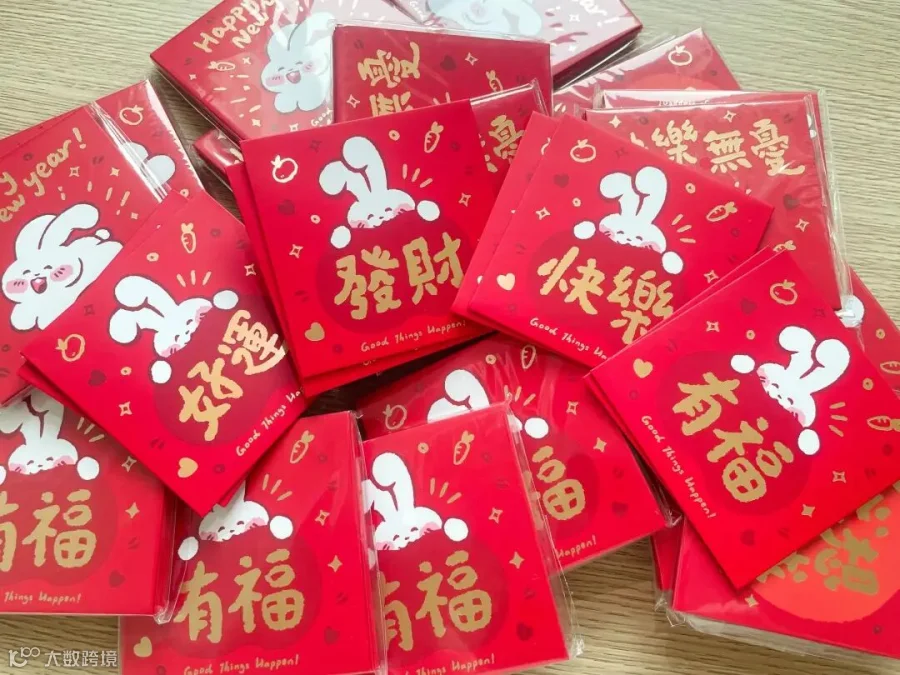
6、新年期间走亲访友、互道祝福,而孩子们最期待的就是红包(Red Envelopes & Visits)。
长辈给孩子们“红包”(装在红信封里的钱),传递对平安和好运的祝福。大年初一后,人们穿着新衣走亲访友,互道“恭喜发财”等祝福,编织出一张美好的祝愿之网。
During the New Year, what children look forward to most is the “Red Envelopes”. Elders give “hongbao” (money in red envelopes) to the young, transferring blessings for safety and good luck. After New Year's Day, people visit relatives and friends in new clothes, exchanging greetings like “Gong Xi Fa Cai” (Wishing you prosperity), weaving a web of good wishes.
7、所以,在我看来,春节的本质是一个文化上的“重启键”(Restart)。
它是从生活奔波中的一次强制暂停,是向根源的回归,是对过去的集体告别,也是怀着崭新的希望与团结迈向未来的一步。它热闹、温暖,且意义深远。
So, in my view, the essence of Chinese New Year is a cultural “reset button”. It's a mandatory pause from life's rush, a return to roots, a collective farewell to the past, and a step forward into the future with renewed hope and unity. It's loud, warm, and deeply meaningful.
在此,也借这篇科普,新华商集团提前祝福大家新年快乐,阖家幸福!


关注新华商↓↓↓,中国企业全球化赋能平台——你出海征程上,最值得信赖的同行者与护航者。