

Retiring After Working in China? Know Your Stay Options
“I’ve built a life in China. Can I stay after I retire?”
It’s a question many foreign residents do not think about while they are still working.
A work permit and work-type residence permit may cover your stay while you are employed. But what happens if you stop working—or your work status can no longer be renewed?
Possibly—but not through a simple retirement visa. China does not have one straightforward visa category that automatically lets foreign retirees stay long term.
If you want to keep living in China after retirement, the real task is to plan the long-term status that fits your circumstances.
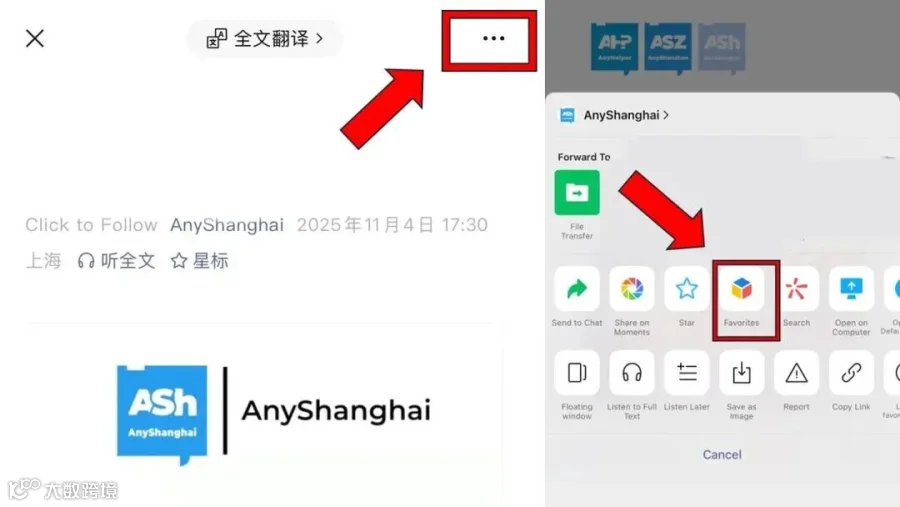
Add this article to your Favorites so you can easily revisit it anytime.
1
PR: A Stable Option, NOT an Automatic One
If you qualify, Chinese permanent residence(PR) can be one of the more stable ways to keep living in China after retirement.
Unlike work-based residence, PR is not tied to one particular employer. Once approved, you can reside and work in China with your permanent residence ID card.
But PR does not come simply from having lived in China for many years. Different routes have different requirements, including investment, employment and family relationships.
Key point: If China is part of your retirement plan, assess your PR options before you retire—not after your work status ends.


Feel free to reach out to our visa consultant Maggie for a one-on-one consultation!

2
Still Working? Category A Is NOT Automatic at 60
Retirement age does not always mean you plan to stop working. Your employer may also want you to stay.
In that situation, Category A Foreign High-end Talent may be a route to assess. Category A is not limited to a single high-salary pathway:
High-salary route: Salary and individual income tax need to meet the relevant standards. In Shanghai, the current gross annual salary standard mentioned in the source material is RMB 900,000.
Points-based route: The route often described as the 85-point pathway considers factors such as age, education, work experience, annual salary, tax and language ability.
Those 85 points are not automatically easy to reach. Some scoring items may be affected as you get older, and the application needs supporting documents for your education, experience, salary and other relevant factors.
Key point: Category A is not subject to an age limit, but turning 60 does not automatically make you eligible. You still need to meet the Category A criteria.

3
Your Own Company Does NOT Guarantee a Work Visa
It is tempting to think: “I’ll register my own company and let it sponsor my work visa after I retire.”
But registering a company and qualifying for work authorization are two separate matters. If your company employs you, you still need to meet the applicable requirements for a Foreigner’s Work Permit.
If other employees handle the company’s daily operations and working in China is not your main purpose, the company’s operations and your personal immigration status need to be planned separately.
Your actual activities and reason for staying will determine whether a business, private-affairs or other appropriate visa or residence option should be considered.
Key point: Owning or running a company does not automatically give you a work visa.

Feel free to reach out to our visa consultant Maggie for a one-on-one consultation!

Check our latest video on China Visa and foreign-related knowledge!
Follow our channel for updates 👇
4
Family Ties May Help—but Marriage Does NOT Mean PR
If you stop working after retirement but have a qualifying family relationship in China, a family-visit, family-reunion or private-affairs status may be relevant.
For example, eligible foreign spouses, children and other qualifying family members of Chinese citizens may apply for the corresponding status, depending on their specific circumstances.
Different family relationships come with different requirements and residence categories.
Key point: Having family in China does not automatically create long-term status—and marriage does not automatically grant PR.

5
Frequent Visits Are NOT Long-Term Residence
What if you do not qualify for PR, cannot continue working, do not meet a Category A route and have no qualifying family relationship?
You would need to choose a short-term visa or stay arrangement—such as tourism, business or family visit—based on your actual reason for coming to China.
That may work if you only plan to return for a few months each year.
Key point: Visiting China regularly is not the same as making China your long-term home after retirement.

Feel free to reach out to our visa consultant Maggie for a one-on-one consultation!

Plan Your Status BEFORE Retirement
If China is where you want to spend your retirement, start with the situation that actually applies to you:
Want to live in China long term without relying on work? Assess PR before retirement.
Plan to keep working? Assess Category A through the high-salary or points route.
Own or operate a company? Plan the business and your personal status separately.
Have a qualifying family relationship? Review family-reunion or private-affairs options.
None of these fit? Use the short-term visa that matches your actual purpose.
Retirement should not be the moment your status planning begins. It should be the point your earlier planning is ready to support.

If you have any questions about China visa applications(work visa, company registration and more), please contact our visa consultant Maggie.


Get daily news, tips, and events in Shanghai
Connect with expat communities and industry experts

For the latest jobs&policy updates, scan the code below to follow AnyJob!
Click "Wow" if you like this article