在大众认知中,八十高龄的老人理应静养避祸,然而广东一位 86 岁的“硬核”张奶奶却打破了这一刻板印象。她身手矫健,穿梭于健身房举铁锻炼,精气神十足。面对赞誉,张奶奶常言:“能动的日子,都是好日子。”
In the eyes of many, people in their eighties should stay home and rest. But 86-year-old Grandma Zhang from Guangdong has shattered that stereotype by hitting the gym, lifting weights and staying remarkably active. Her motto: "Every day I can move is a good day."
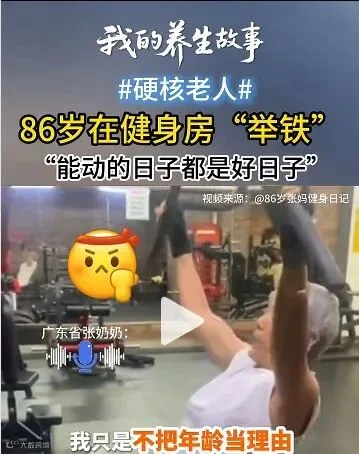
张奶奶自七十多岁起习泳,后投身力量训练并坚持至今,练就了如今的强健体魄。她坦言:“哪有什么天生底子好,我只是不把年龄当理由。”
对于高龄为何还要“折腾”,张奶奶看得通透:肌肉是支撑晚年生活的最大保障。随着年龄增长,肌肉流失会导致身体乏力、行动受限。坚持力量训练并非为了塑造身材,而是为了强健体魄,掌握生活的主动权。
She began swimming in her seventies and later took up strength training, maintaining the routine for years to build her current fitness.
Asked why she keeps training at her age, Zhang has a simple answer: muscle is the greatest safeguard in old age. As people age, muscle loss can lead to weakness and reduced independence, while strength training helps keep them strong and capable.
为何医生力荐老年人进行抗阻运动?
力量训练即抗阻运动,指肌肉对抗阻力的过程。与跑步、广场舞等有氧运动不同,它专注于提升肌肉的力量与耐力。生活中的提重物、拉弹力带等均属此类。
河北省人民医院副院长郭艺芳指出,抗阻运动非年轻人专利,对老年人而言,坚持锻炼如同向“健康银行”存储资本。
其核心益处包括:对抗肌少症,减缓肌肉流失,维持日常活动能力;刺激骨骼生长,增加骨密度,降低骨质疏松及骨折风险;稳定关节,缓解疼痛,提升灵活性;改善糖代谢,辅助糖尿病防控及整体新陈代谢。
Guo Yifang, vice president of Hebei Provincial People's Hospital, says resistance training is not just for the young. For older adults, it can help combat sarcopenia, maintain strength, improve bone density, protect joints and support glucose metabolism, reducing the risks associated with osteoporosis, fractures and diabetes.
sarcopenia /sɑkoʊ'pinɪr/ 肌肉减少症
joint /dʒɔɪnt/ 关节
osteoporosis /ˌɑstioʊpəˈroʊsɪs/ 骨质疏松症
此外,抗阻运动能增强腿部与核心力量,提升平衡协调性,是预防老年人致命性跌倒的关键;同时能提高生活自理能力,释放内啡肽提振精神,并有助于维持大脑认知功能。
Resistance training also strengthens the legs and core, improving balance and coordination and reducing the risk of falls. It can make everyday tasks easier, boost mood and may also benefit cognitive function.
居家简易抗阻运动指南
北京体育大学运动医学与康复学院运动康复教研室主任张恩铭介绍,无需复杂器械,在家即可完成安全实用的力量训练方案。
1. 矿泉水瓶弯举(water-bottle curls)
动作要领:手持 500 毫升矿泉水瓶或 1-2 千克小哑铃。肘部贴紧身体固定,缓慢屈肘举起水瓶,避免借力甩动。每侧 12~15 次为一组,共完成 3 组。
训练作用:强化上臂肱二头肌,增强手臂支撑力,使拎物、开门等日常动作更省力。
2. 弹力带侧抬腿(resistance-band side leg lifts)
动作要领:双脚与肩同宽站立,手扶墙保持稳定。单腿缓慢向外侧抬起至与髋部齐平,膝盖伸直,停留 2 秒后慢放。每侧 12~15 次为一组,共完成 3 组。
训练作用:激活臀部稳定肌群,改善行走摇晃,夯实下肢根基。
3. 椅子深蹲(chair squats)
动作要领:双脚与肩同宽,腰背挺直,臀部后坐下蹲。膝盖勿超脚尖,臀部轻触椅面即起身。12~15 次为一组,共完成 3 组。
训练作用:锻炼大腿及臀部肌群,提升腿部支撑力,有效预防跌倒。
4. 单脚站立(single-leg stands)
动作要领:手扶支撑物,单脚站立,另一脚离地。保持平衡 30 秒后换腿。能力提升后可尝试脱手或闭眼站立以增加难度。
训练作用:锻炼平衡能力与核心稳定性,改善身体控制,减少失衡摔倒隐患。
5. 平板支撑(planks)
动作要领:肘部与膝盖撑于垫上,身体绷直呈一线,收紧腹部核心。每次坚持 20~30 秒,休息 10 秒,重复 3 组。
训练作用:强化核心肌群,提升全身稳定性,为四肢活动提供强力支撑。
抗阻运动的四大关键细节
张恩铭主任提示,进行抗阻运动时需严格注意以下细节,以确保安全高效。
Zhang Enming, director of the Sports Rehabilitation Teaching and Research Office at Beijing Sport University, stresses the importance of rest and proper technique.
① 训练频率:预留肌肉恢复期
遵循“刺激→恢复→生长”规律,建议每周锻炼 3~4 次,每次间隔 1~2 天,确保肌肉有充足修复时间,避免因过度训练阻碍力量提升。
② 训练强度:循序渐进
初始选择能“轻松完成 12 次”的重量(如 500 毫升水瓶),最后几次略有吃力感为宜。当某重量可轻松完成 15 次以上时,再升级难度(如换用 1 升水瓶)。
③ 呼吸节奏:切忌憋气
发力阶段(如举起、站起)缓慢呼气,放松阶段(如放下、下蹲)自然吸气。憋气可能导致血压急剧波动,需格外警惕。
He recommends three to four sessions a week, with one to two days of rest between workouts. Start with a resistance level that allows 12 repetitions and increase it gradually when 15 or more repetitions become easy. Breathe out during exertion and avoid holding your breath, which can cause sharp fluctuations in blood pressure.
④ 训练顺序:先稳后强
肌少症人群应优先进行平衡训练(如单腿站立、靠墙静蹲),待身体稳定性提升后再追求力量增长,以此降低跌倒风险,奠定坚实基础。
For people with sarcopenia, Zhang recommends prioritizing balance exercises such as single-leg stands and wall sits before focusing on strength gains. This can help reduce fall risk and build a stable foundation for more intensive training.
锻炼体魄,何时开始都不晚。不妨将此分享给家人朋友,共同开启健康生活方式。