


行走在江湖,最怕遇到丧心病狂的骗子在悄无声息中设的骗局。与其发现的时候为时已晚,不如现在防患于未然!
As a foreign trader, it is very terrified to confront cheater. It’s too late when we get cheated so it’s better to take preventive measures.
骗局一、结算骗局
Fraud on settlement

在出口方面:现在许多不法商人,往往打着市场行情不好,需要时间推销等幌子,并采用改证手法来拖延结算时间,如L/C出了几批货后改D/P、D/A,而一旦出口方接受了D/P、D/A远期付款方式或寄售方式后,虽然对方声称自愿支付延期利息,实质上不法商人等待货物到港后,如市场不好,即申请拒付。
Many lawless merchants delay time of settlement using excuses that it takes time and even change contents of certificate to do that. For example, some parcels of goods are delivered through L/C then L/C changes into D/P or D/A. Once exporters accept that, although they claim that they will pay interest on arrears, they will refuse to pay when the goods arrive at the port.
还有的称可开信用证,但迟迟不开出,几经外贸公司催促,才告知“证已开出,可先发货,此时船期临近,待收到信用证后又发现多处条款不符,只好改汇付(汇付仅属商业信用),此时设陷者收回未寄出的正本汇票,给外贸公司造成钱、货两空的损失。
Some say that they open L/C but actually not. After foreign trade corporation press them, they claim that L/C has been opened, the delivery can be launched. At this moment, shippment date is near and after receiving L/C, you find several unconformities and you can only choose to remit (remittance belongs to commercial credit). Then the cheater take back the original B/L and the company suffers from heavy loss.
骗局二、合作骗局
Fraud on cooperation
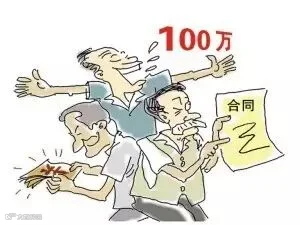
合同骗局是最常见的一种,设陷者往往利用合同并以“法律”的招牌来引诱对方上当,其表现形式为:
It is a very common kind of fraud. Cheater takes advantage of contract and law to tempt traders.
1. 名片(骗)主体:合同当事人一方没有注册资本,不能提供营业证明、法人资格证明,仅只有个人名片(标有公司、职务、通信地址、电话等),这种商人无法人资格,常以东南亚、港澳台等地公司名片出现,并以中间商自居收取佣金。
Business cards: One contracting party doesn’t have registered capital so it can’t provide business certificate and certificate of corporate representative. They only have personal cards (with company, position, address and phone number). Such are unincorporated merchants. They appear as companies from Southeast Asia and Hong Kong, Taiwan and Macao. They name themselves as middleman and charge commission.
2. 变更条款:如变更合同主体条款,诈骗者称因各种原因建议由第三方代替自己履约,受骗方往往轻易答应而上当;变更合同运输条款,改班轮运输为租船运输;变更支付条款,改信用证支付为托收或汇付;变更检验条款,要求改为外方检验机构。
Change clauses: For example, cheaters advice third party to honor an agreement for them. The victims are easily fooled. They change freight term from liner shipping to shipping by chartering, change terms of payment from L/C to collection or remittance, change inspection clause to inspection body on foreign side.
3. 不签书面合同:设陷者以《联合国国际货物销售合同公约》第11条为由,并振振有词提出,外贸公司可不必担心没有书面合同,只要双方认同即可。
No written contract : Cheater use 11th item of CISG to claim that foreign trade company has no need to worry about written contract. It is OK once both sides approve that.
4. 利用条款:在国际贸易实践中,许多设陷者,都是利用有些条款不完善或制造不完善条款进行欺诈,主要表现在下列条款方面:如品质条款、索赔条款、担保条款、违约金条款等等,设置陷阱。
Exploit clauses: Many cheaters succeed because they exploit vulnerability of contact which are quality clauses, claim clauses, warranty clause and liquidated damages clause.
骗局三、信用证骗局
Fraud on L/C
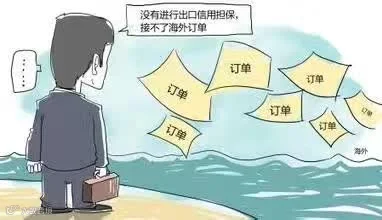
在信用证内容上设陷者在其信用证中规定一种条款,这种条款的实现与否完全取决于开证人。常见软条款有以下几种类型:
Cheaters will set a clause and whether it realizes or not depends on openers. The common soft clauses are as follow:
1. 暂不生效信用证,待进口许可证签发后通知生效或待货样经开证人确认后再通知信用证生效;
Non operative LC. After the issue of import license or issuer confirms the samples, L/C will be operative.
2. 船公司、船名、目的港、起运港或验货人、装船日期须待开证人通知或征得开证人同意,开证行将以修改书的形式另行通知
Carrier, vessel name, destination port, port of loading, examiner and on board date should only be published upon notification with the agreement of issuer. Issuing bank will be given further notice through an amendment.
3. 货到目的港后通过进口商检验后才履行付款责任。
After the goods arrive at the destination, the payment responsibility should be performed after importers check them.

