



ENJOY YUNNAN WITH FCN
云南(Yunnan),意为“彩云之南”或“云岭之南”,是中国民族与景观最为多样的省份。
Yunan
September 16-22
October 11-17/15-21/21-27
Nov 4-10
6900/6800/6700RMB
7 Days · 6 Nights
这里聚居着中国过半的少数民族,展现了极大的人文多样性。地貌反差强烈:南部有湄公河穿过的茂密丛林,东南部有夕阳下的壮丽梯田,北部边缘则是毗邻西藏的雪山。

ITINERARY
D1: Kunming arrival

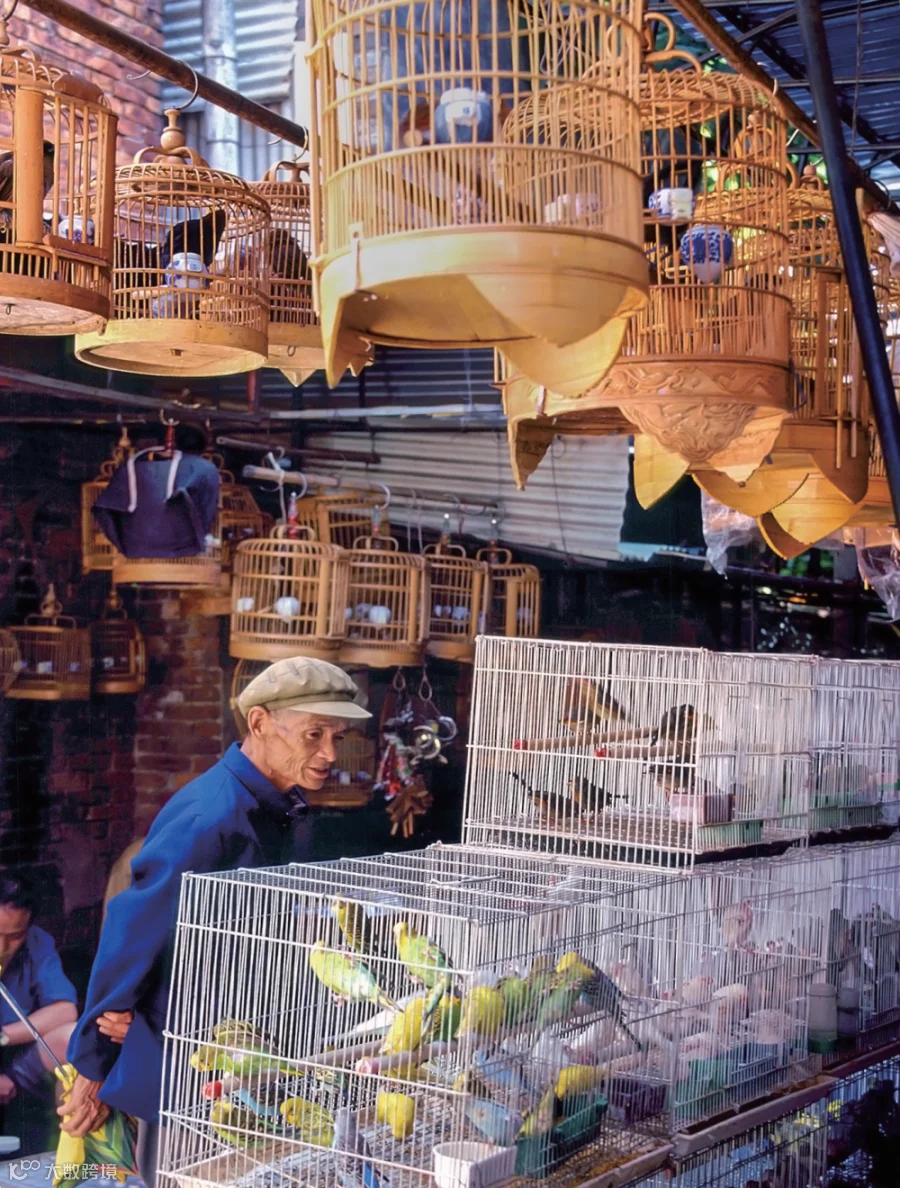

Arrival day
You'll begin your journey to the diverse and captivating province of Yunnan from the capital city, Kunming.
Upon arrival at the Kunming airport/train station,you will need to check in the hotel by yourself with the passport.The rest of the day is on your own to explore the comfortable cityscape and leisure atmosphere there!

D2: Green Lake Park-Stone Forest




DAY 2
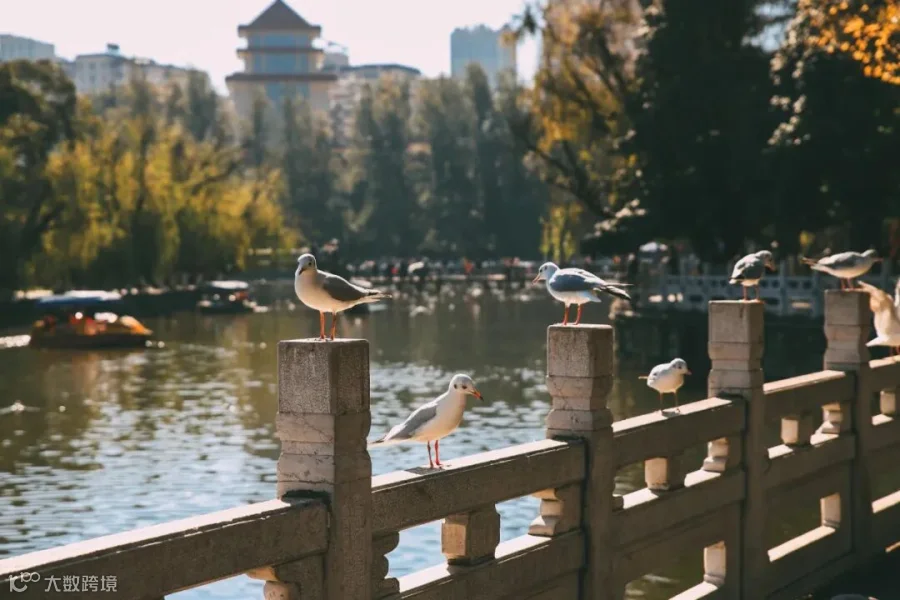
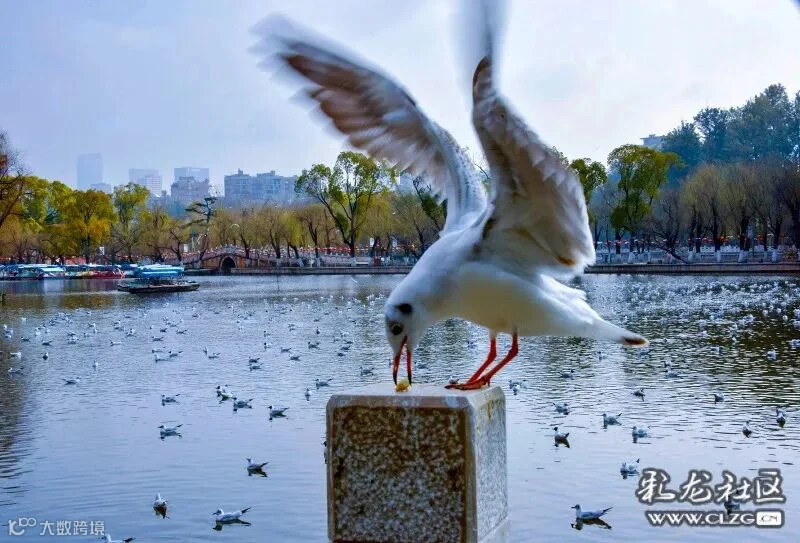
In the morning, visit Cuihu Park (Green Lake Park), a picturesque urban park famous for its tranquil lake, lush greenery and local leisure atmosphere.
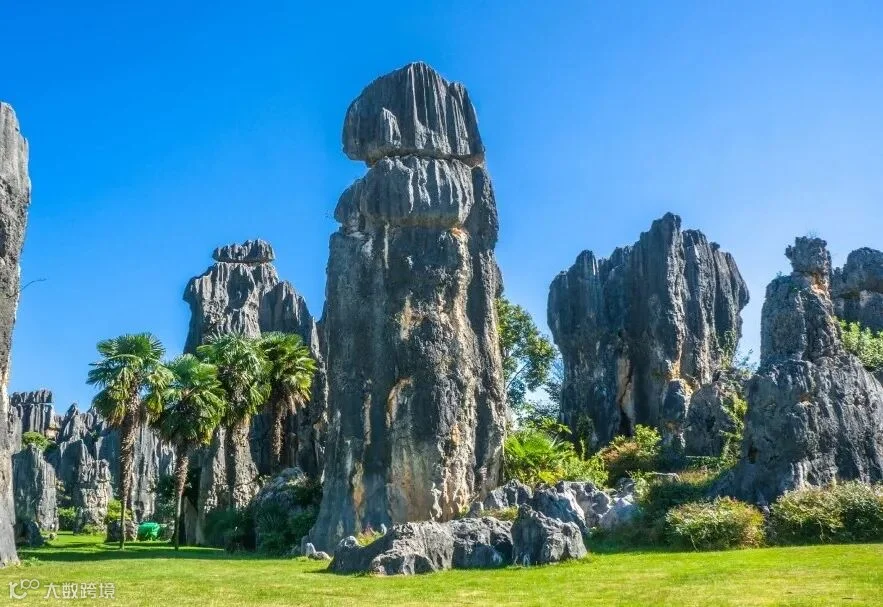
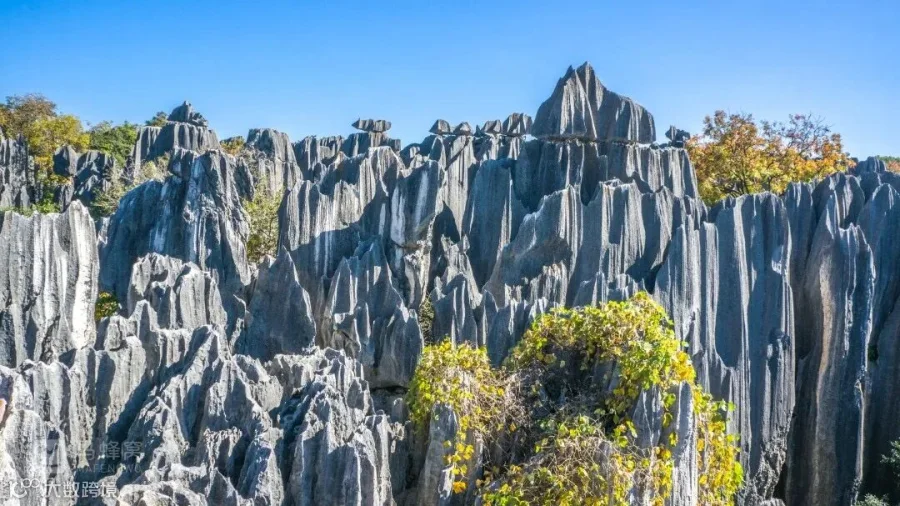
Then, proceed to explore the magnificent Stone Forest, a UNESCO World Natural Heritage site renowned for its spectacular karst stone peaks, unique geological landscapes and fascinating ethnic culture.
After the tour, you will be transferred to Kunming Railway Station for your onward journey to Dali, where you will be warmly greeted by our local guide and driver upon arrival.


D3: Dali Ancient Town, Xizhou, Three-course Tea of Bai People, Zhoucheng, Tye-Dyeing, Erhai Lake Drive



DAY 3
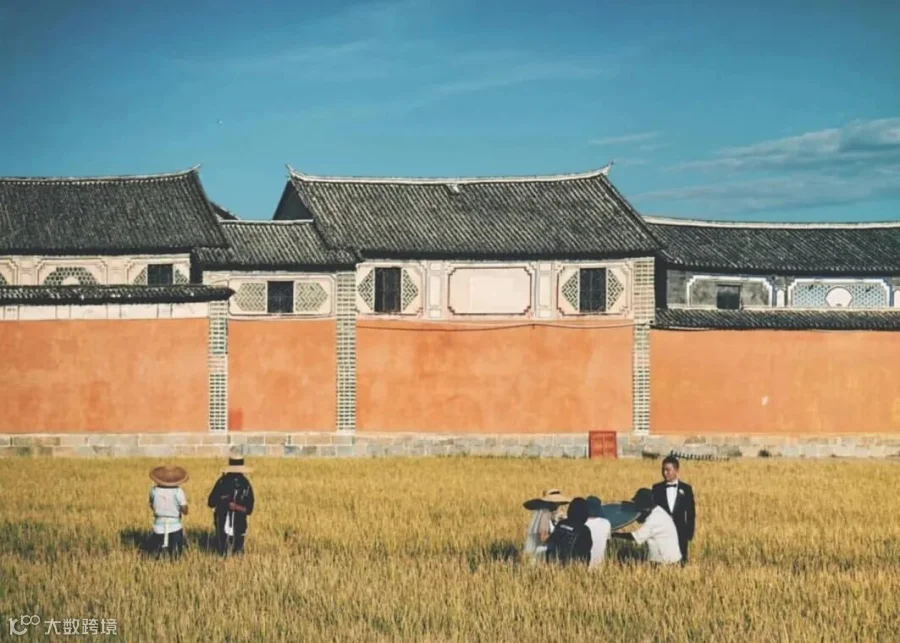
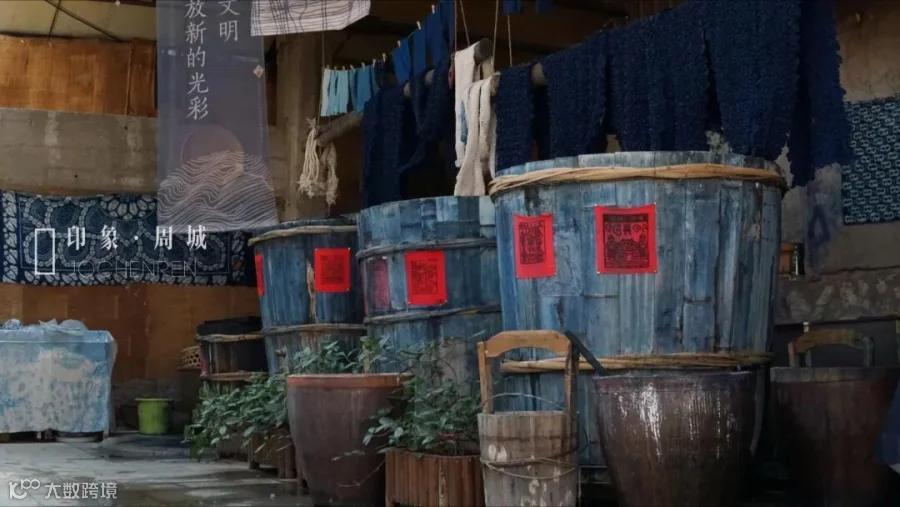
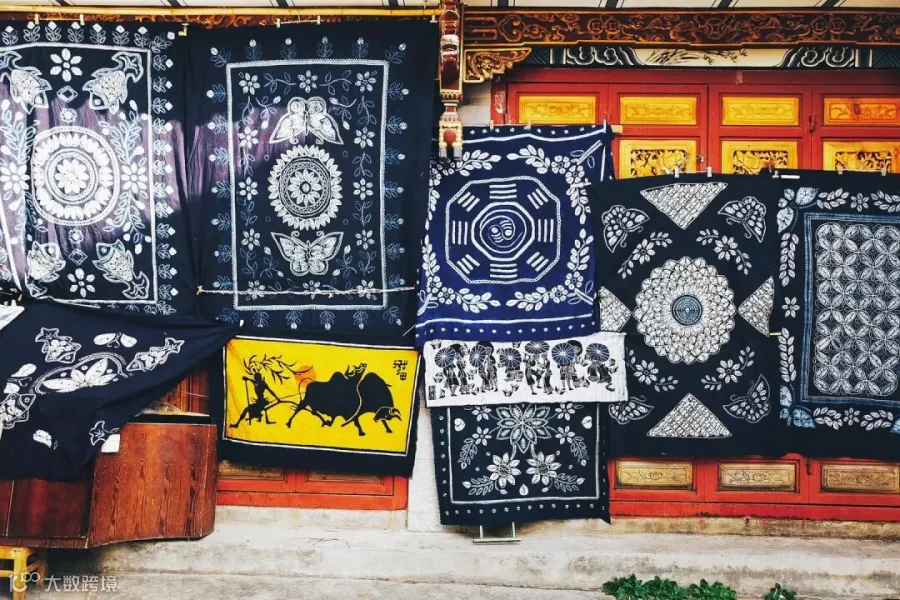
Morning: Visit Xizhou Ancient Town and experience the traditional Three Course Tea Ceremony, a local custom symbolizing"bitterness, sweetness, and aftertaste". Then proceed to Zhoucheng Village to visit a traditional tie-dye workshop and appreciate the exquisite ancient hand-dyeing craft.
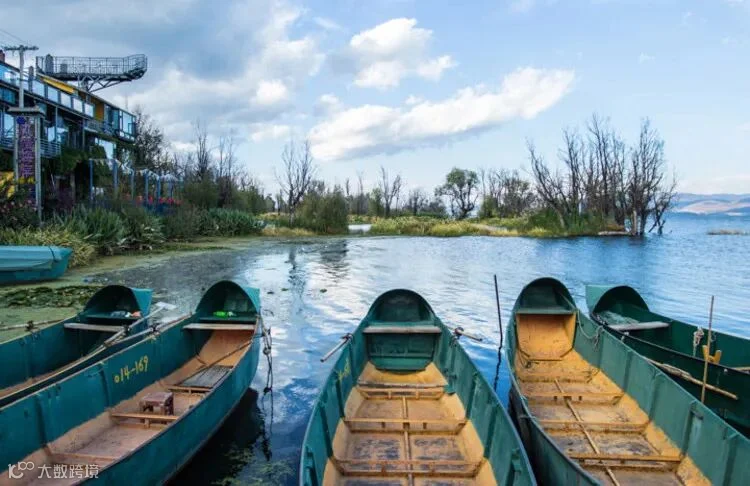
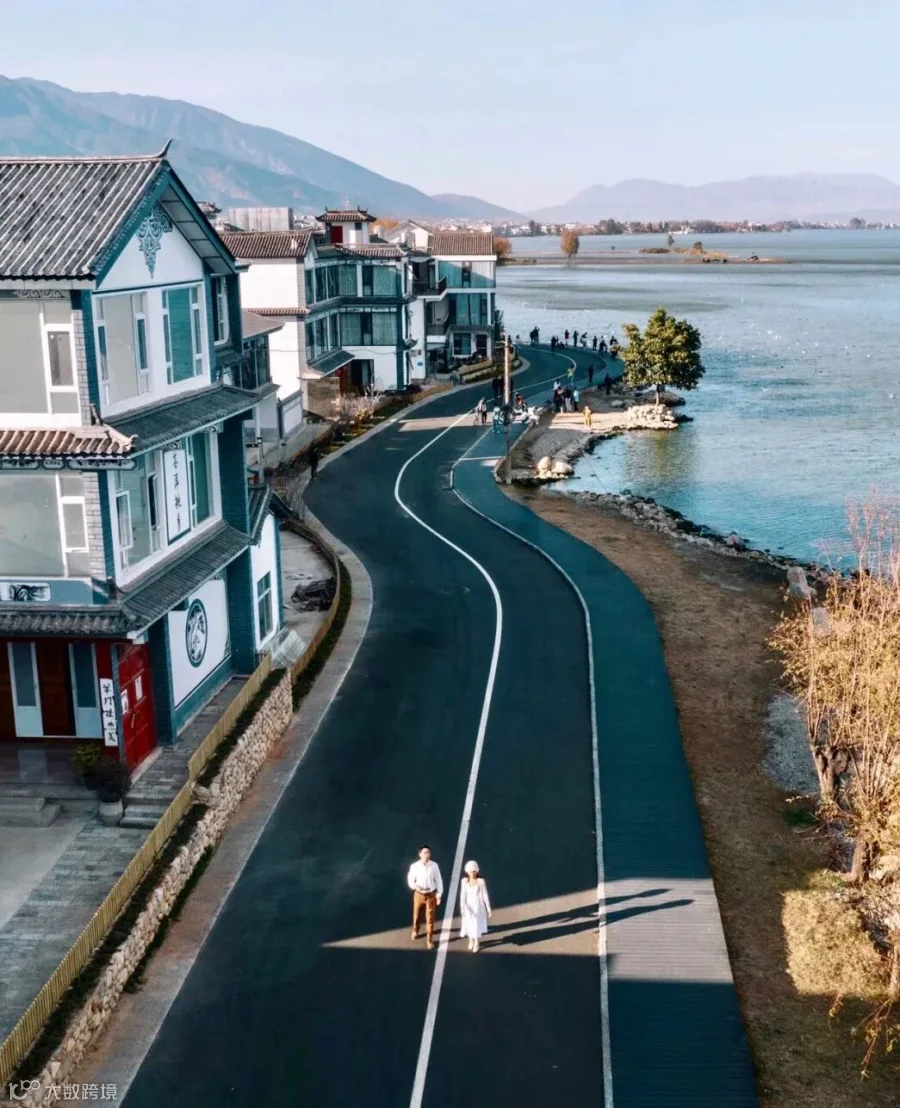
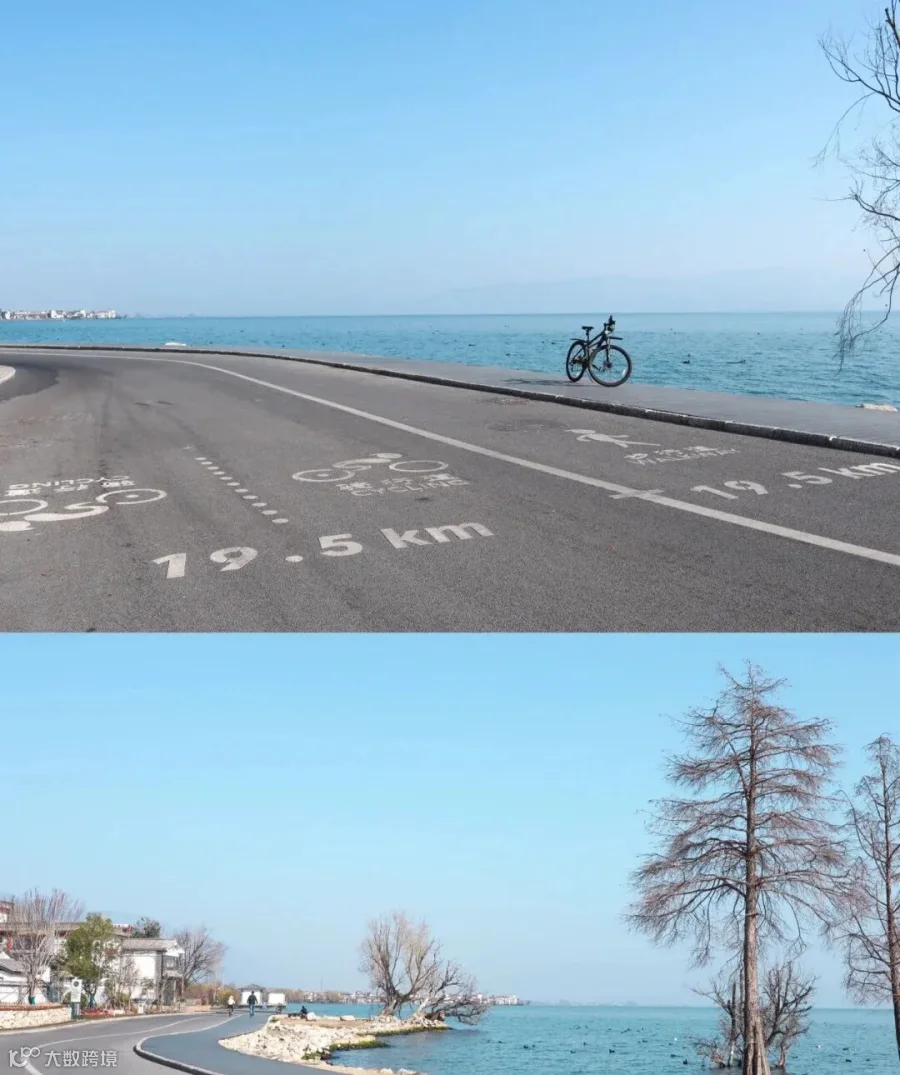
Afternoon: Take a pleasant ride along the Erhai Lake Ecological Corridor by sightseeing vehicle and admire the picturesque scenery of Erhai Lake and the surrounding mountains. Afterwards, explore Dali Ancient City, including the renowned Foreigner Street and the magnificent ancient city wall.
Evening: At the end of the tour, your guide and driver will transfer you to your hotel


D4: Dali to Shangrila: The First Bend of Yangtze River, Dukuzong Ancient Town, Tiger Leaping Gorge,Guishan Park 350km/4.5hrs





DAY 4
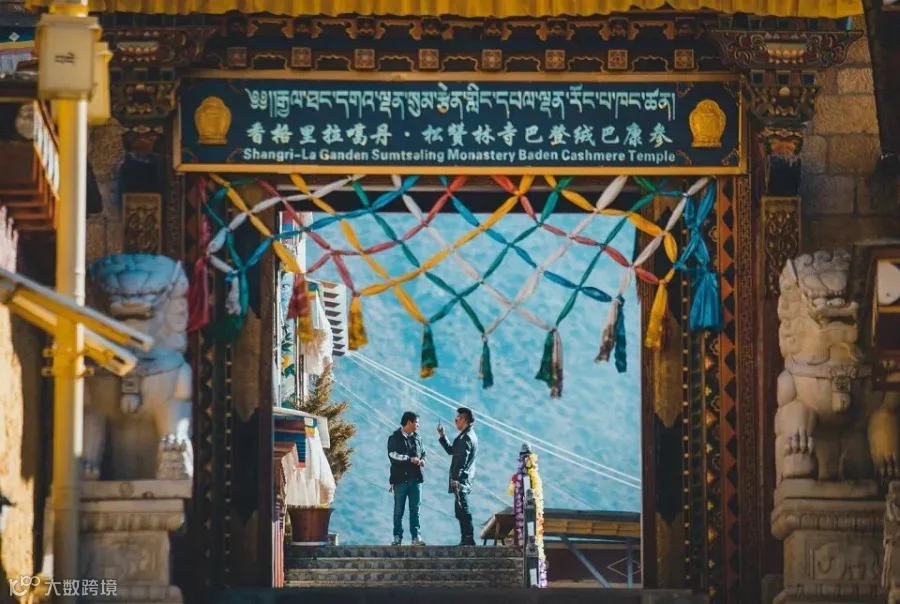
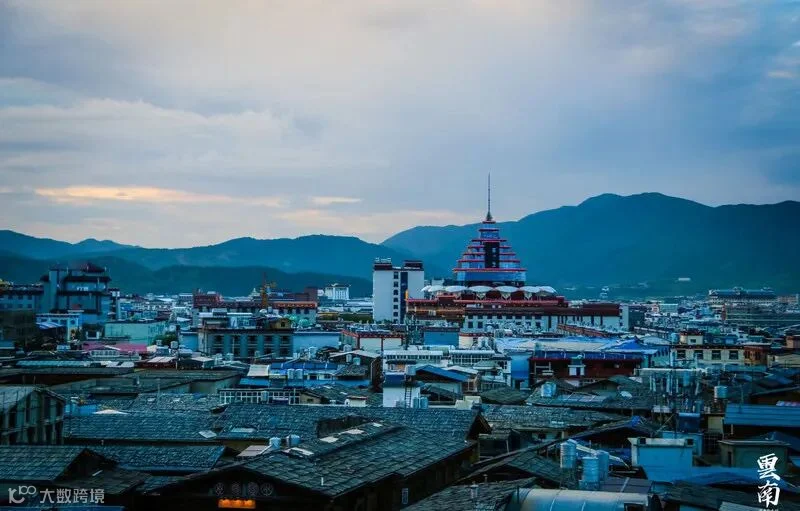
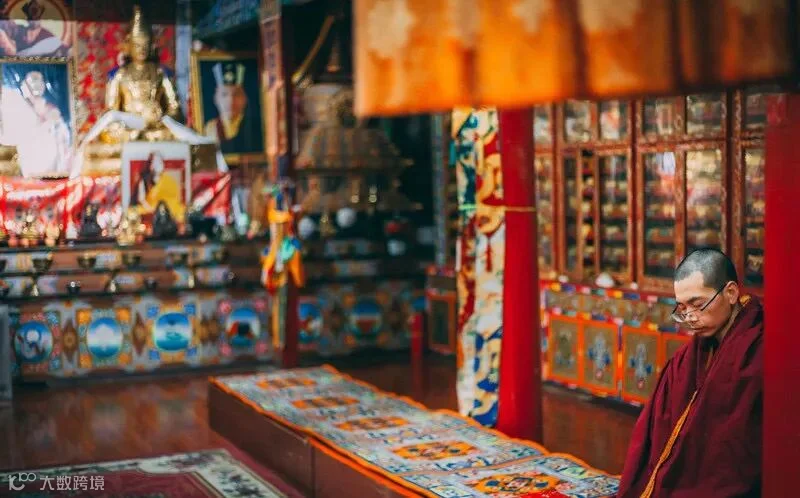
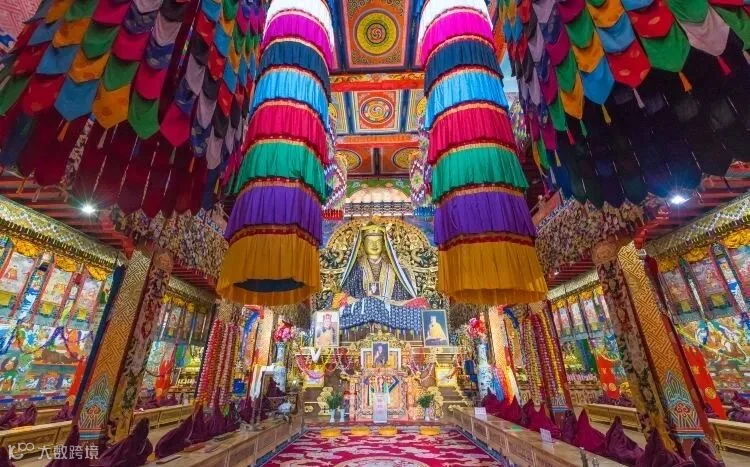
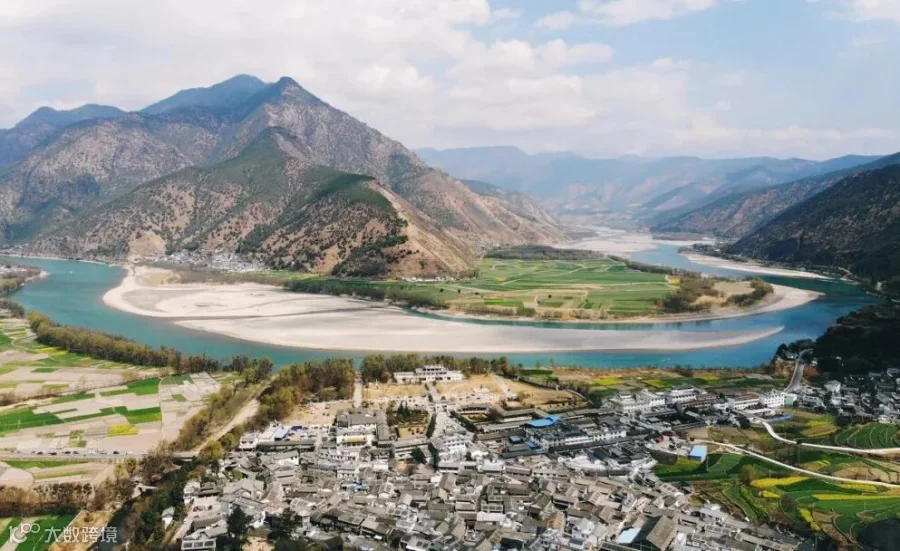
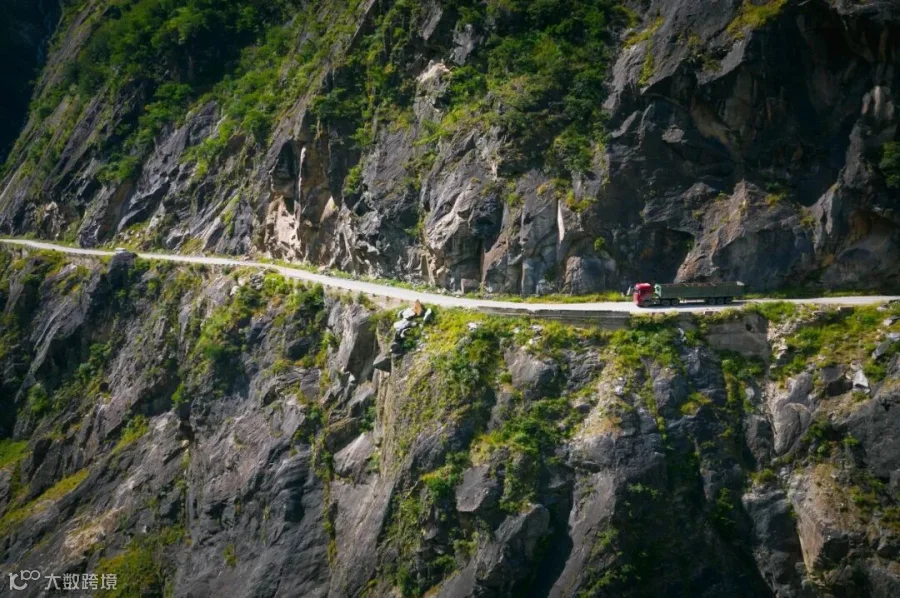
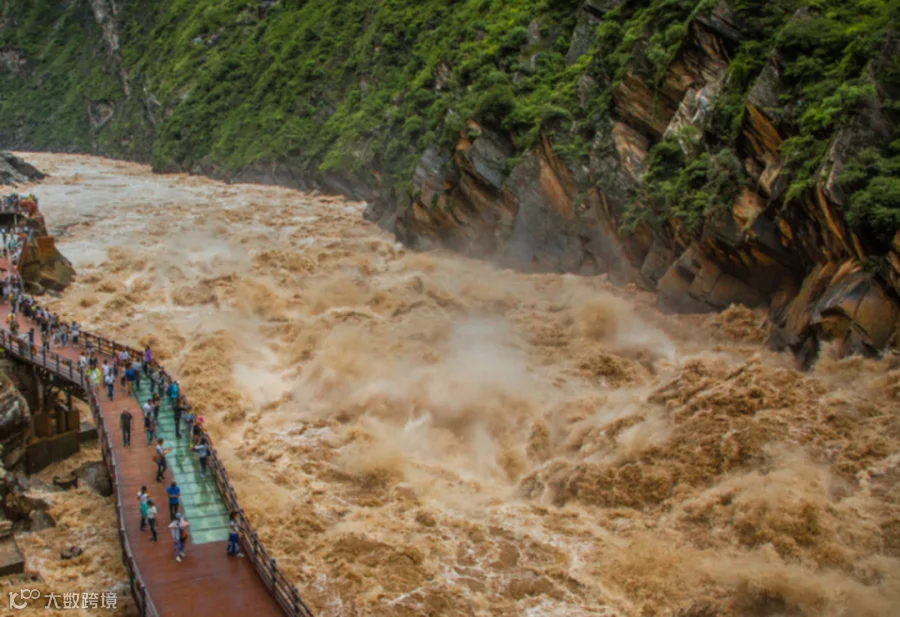
First, enjoy a distant view of the First Bend of the Yangtze River, where you can admire the magnificent curve of the river winding through the mountains and feel the grandeur of nature. Next, visit the Upper Tiger Leaping Gorge, one of the most spectacular gorges in the world, to witness the surging water and steep cliffs that show the raw power of the Yangtze River. Then, head to Dukezong Ancient City, a well-preserved Tibetan ancient town, to explore its unique Tibetan-style architecture, experience the strong local ethnic customs and enjoy the peaceful atmosphere. Finally, visit Guishan Hill and take a close look at the Giant Prayer Wheel, a sacred symbol of Tibetan culture, and you can also try spinning it to pray for good luck and peace.


D5: Songzanlin Monastery & Napa Lake & Tibetan family visit







DAY 5
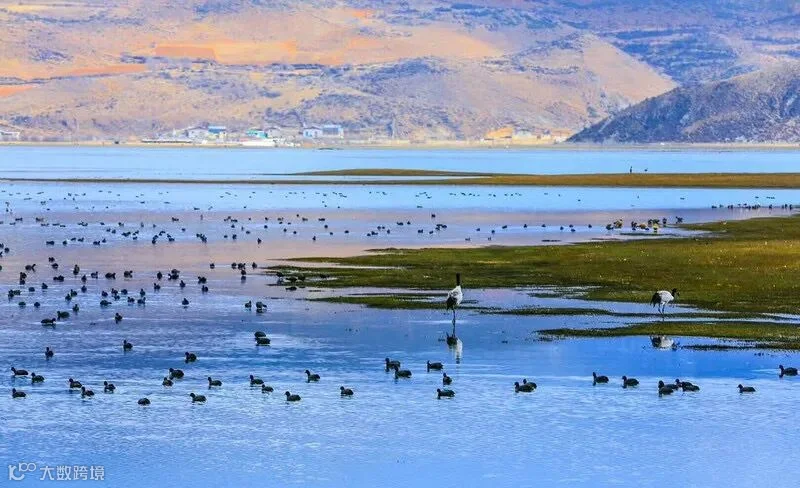
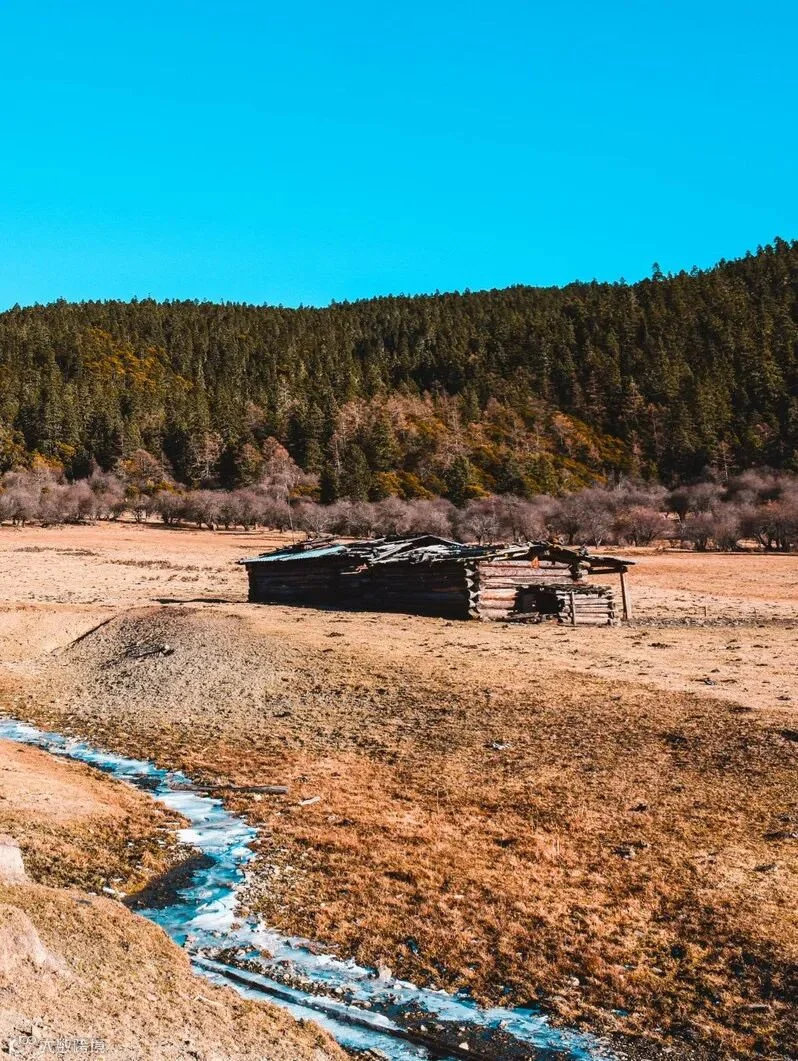
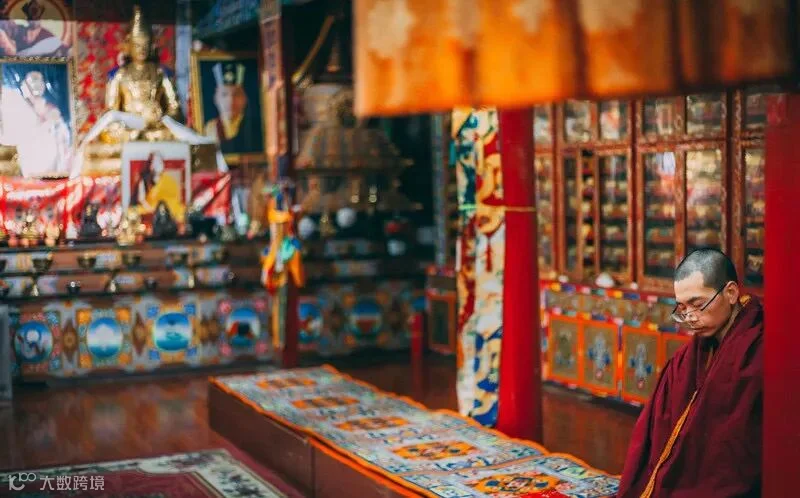
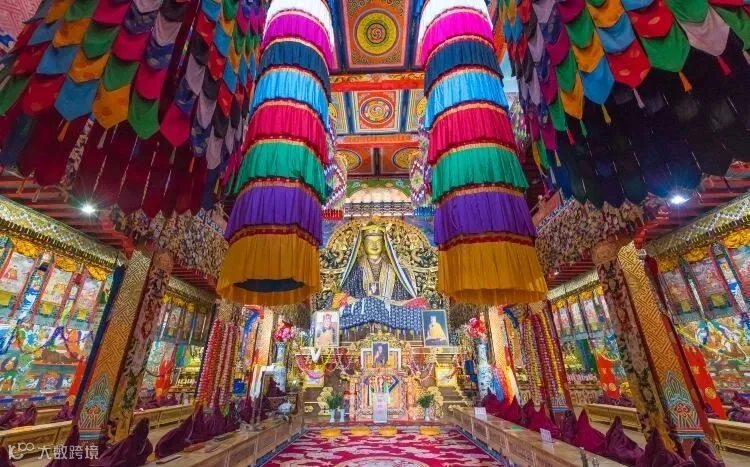
Visit Songzanlin Monastery (the largest Tibetan Buddhist monastery in Yunnan), where you can admire the grand Tibetan-style architecture, feel the solemn religious atmosphere, and learn about Tibetan Buddhist culture and customs. After that, head to Napa Lake to enjoy the vast grassland scenery—when the weather is clear, the lake reflects the blue sky and surrounding mountains, presenting a beautiful picture of nature. In the afternoon, participate in a Tibetan family visit, experience the warm hospitality of Tibetan people, taste authentic Tibetan snacks, listen to local stories, and deeply feel the unique life and customs of the Tibetan people.


D6: Lijiang Old Town & Black Dragon Pool Park & Naxi Dongba Culture Museum


DAY 6
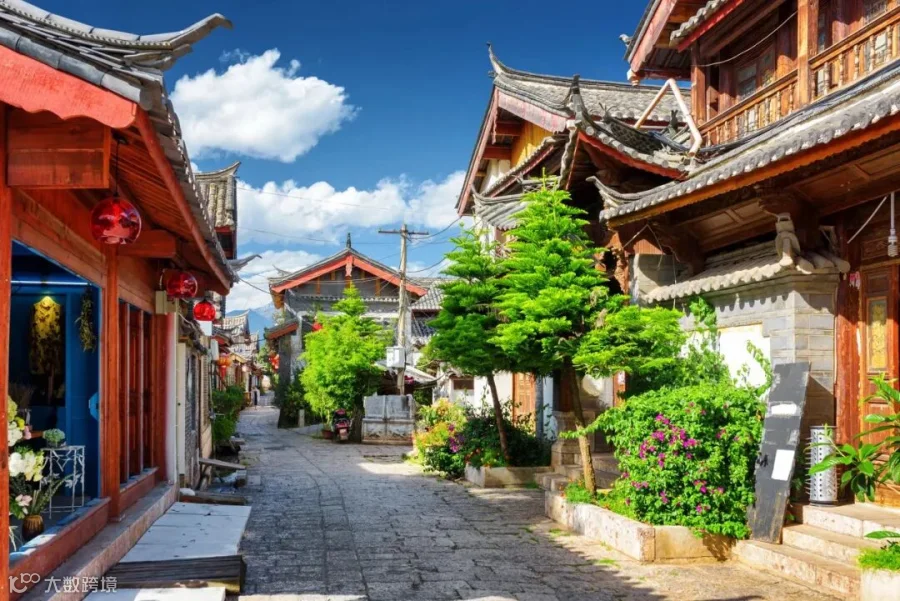
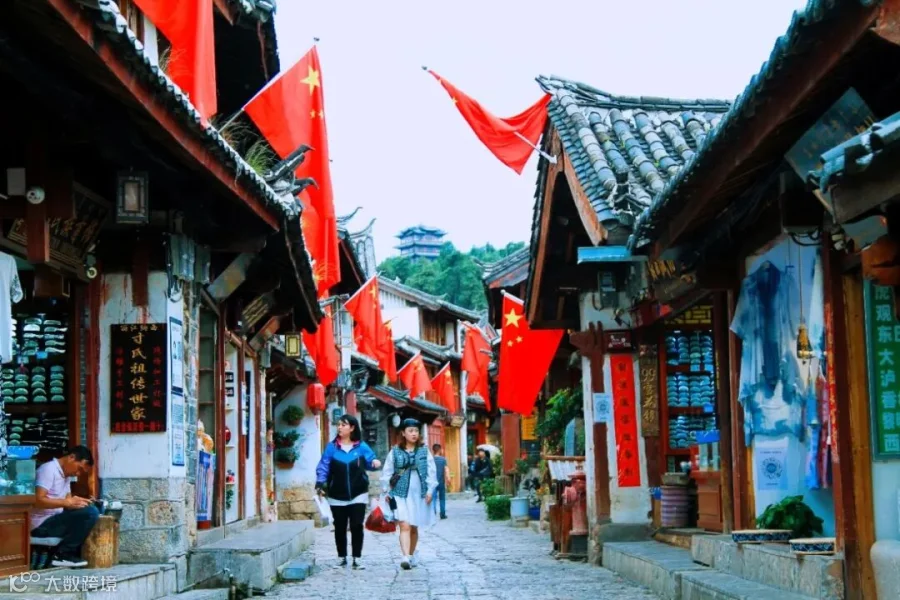
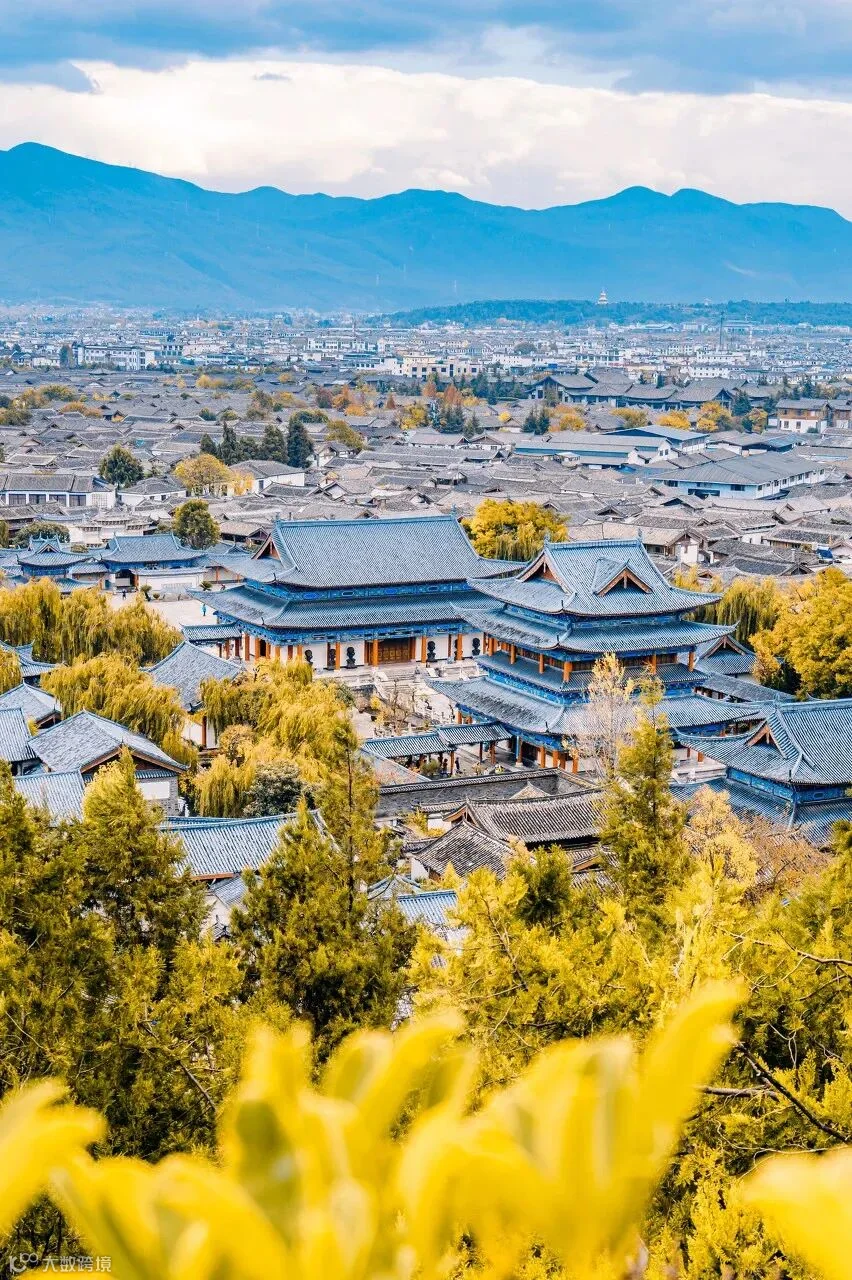
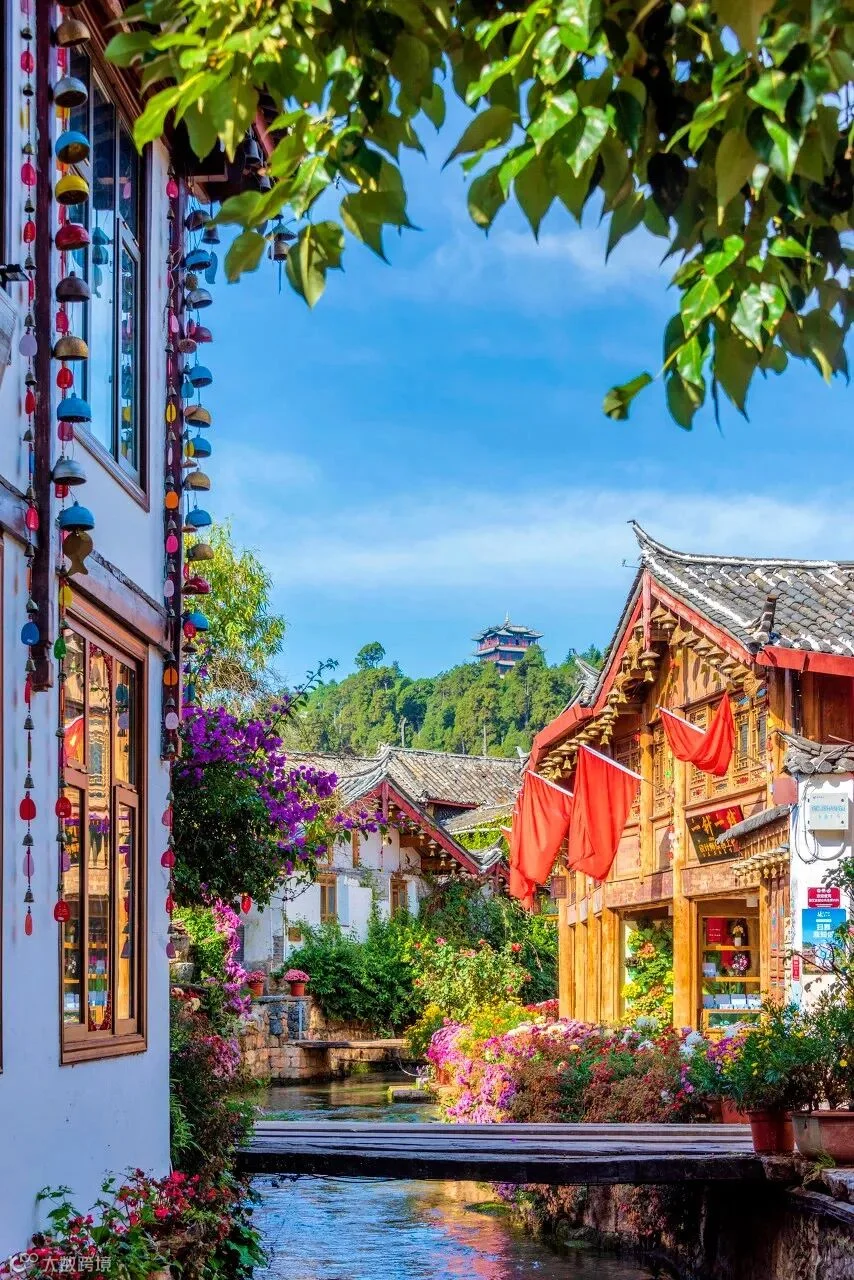
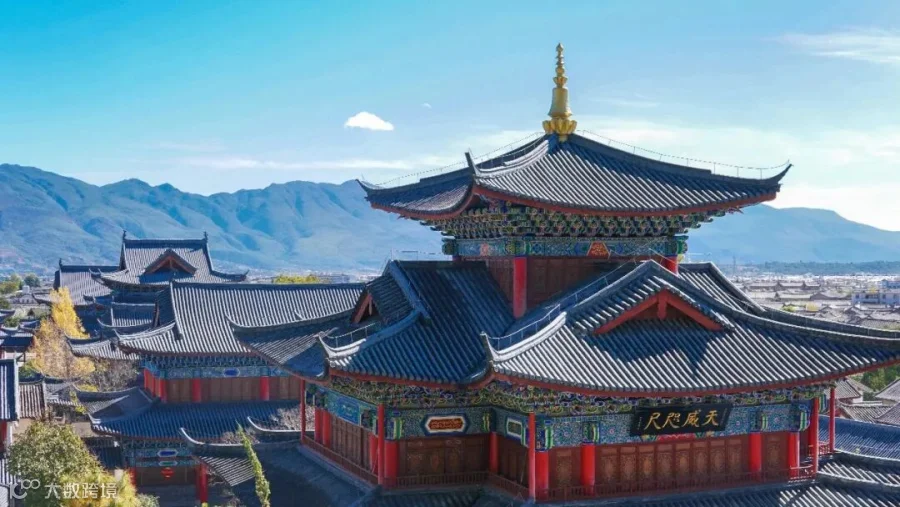
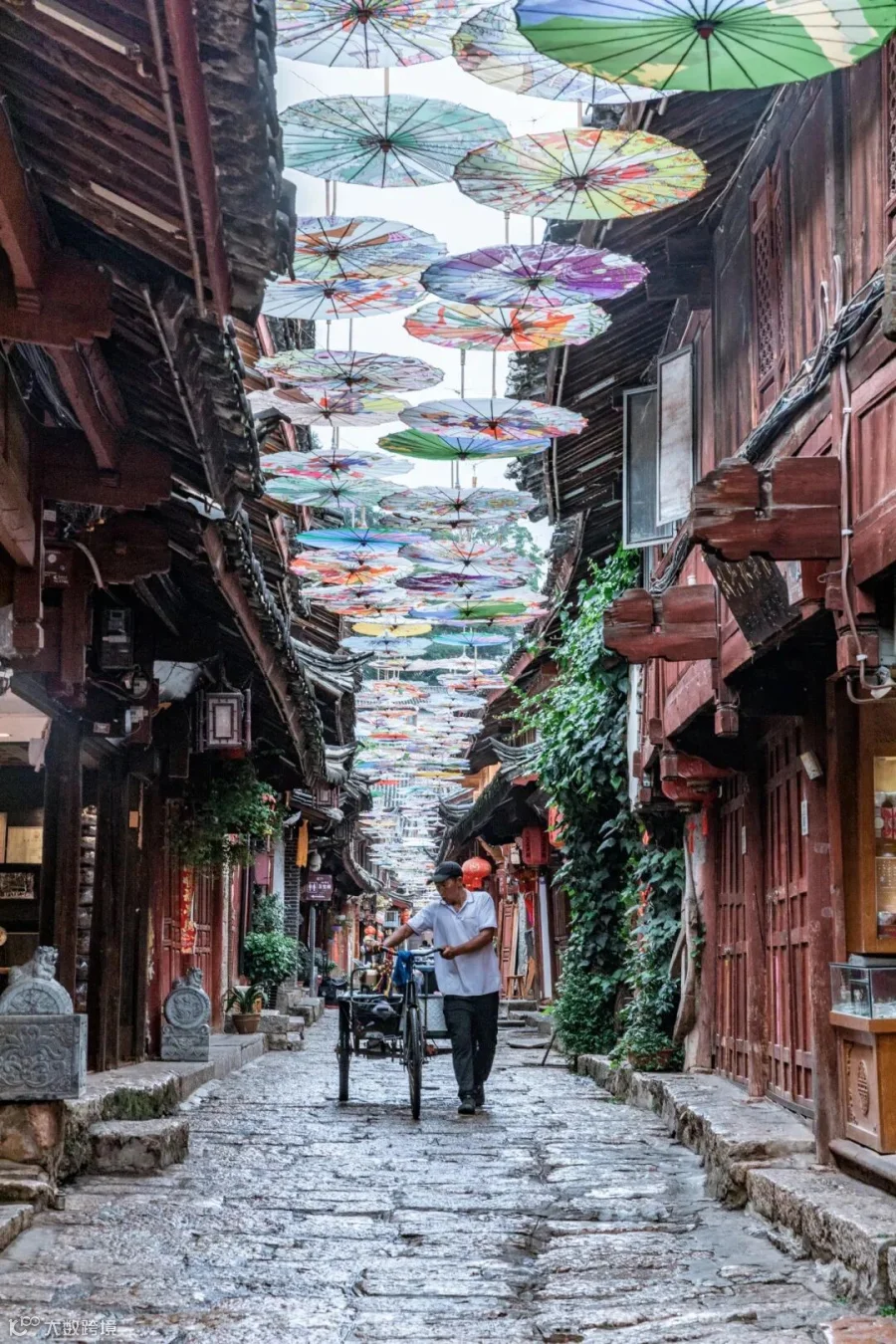
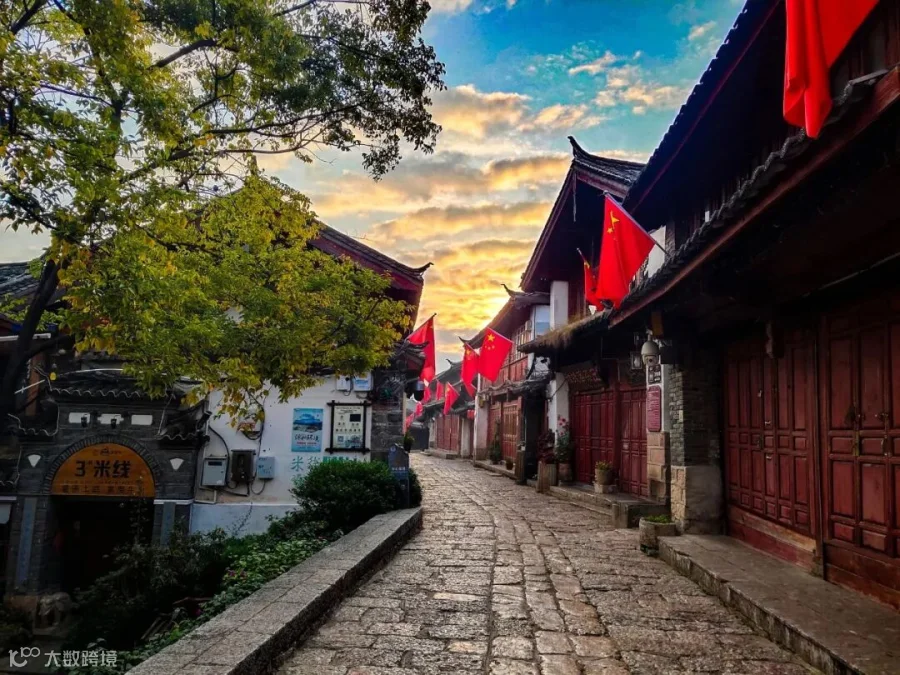
After breakfast, drive about 3 hours to Lijiang. Upon arrival, visit Lijiang Old Town which has a history of more than 800 years; it was listed as the World Cultural Heritage by the UNESCO 1997. Here you will see the wonderful wooden architecture of Naxi ethnic people.
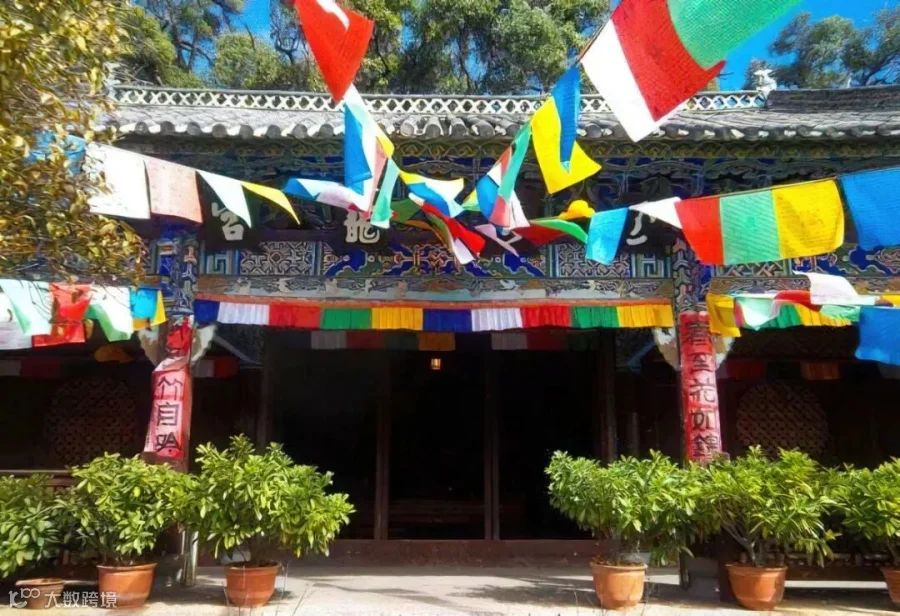
Later, head for Black Dragon Pool Park and take some pictures of the fascinating Jade Dragon Snow Mountain. Then,explore the rich Naxi minority culture in Dongba Culture musuem.
After that, you'll start your memorable Lijiang tour from the ancient Baisha Mural Paintings at Baisha Village. Painted over 1000 years ago, the murals combine the cultures of Han, Tibetan and Naxi people displaying the life stories of the Tibet Buddhism, Confucian and Taoism.
#Tips
1. The cobblestones are slippery when they are wet, so please be careful when walking on them.
2. If you go early (before 10am) you will get many sections of the town to yourself with barely anyone around.
3. The altitude is about 2,400 meters or about 7,800 feet. Some people may get some altitude sickness. So take it easy the first day or two.

D7: Lijiang Departure




DAY 7
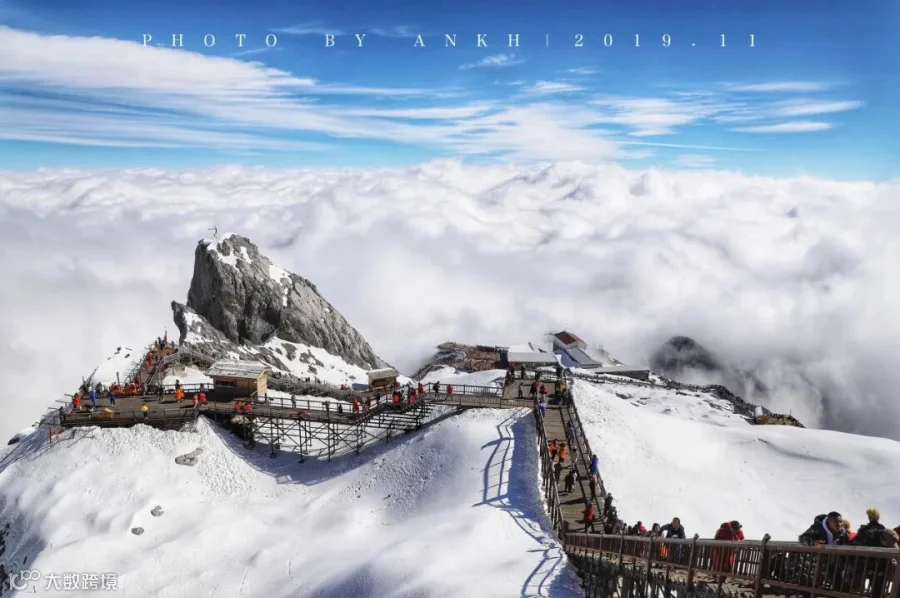
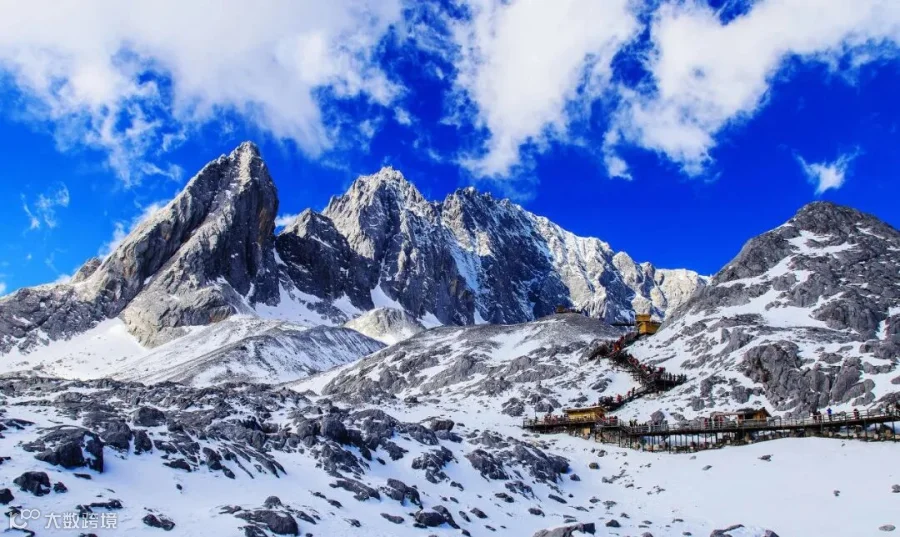
In the early mroning (around 08:00am) , drive about 30KM to Jade Dragon Snow Mountain Scenic Area. Consisting of 13 peaks, among which Shanzidou is the highest with an altitude of 5,600 meters, the mountain stretches a length of 35 kilometers and a width of 20 kilometers.
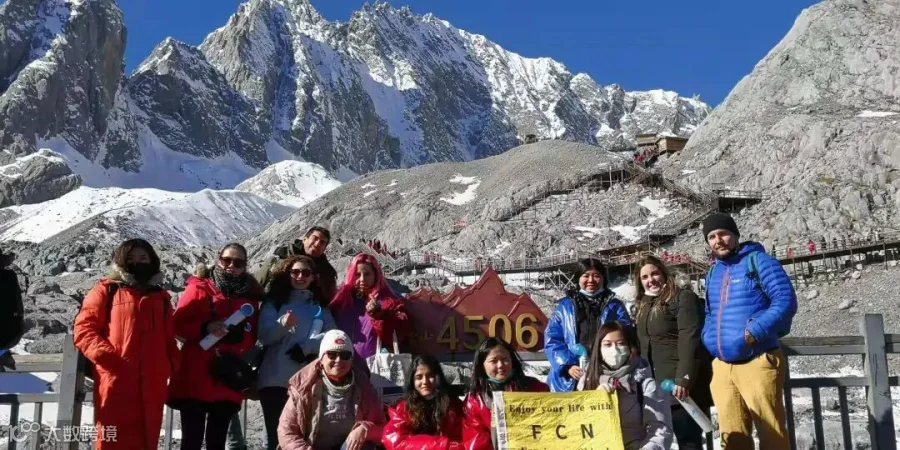
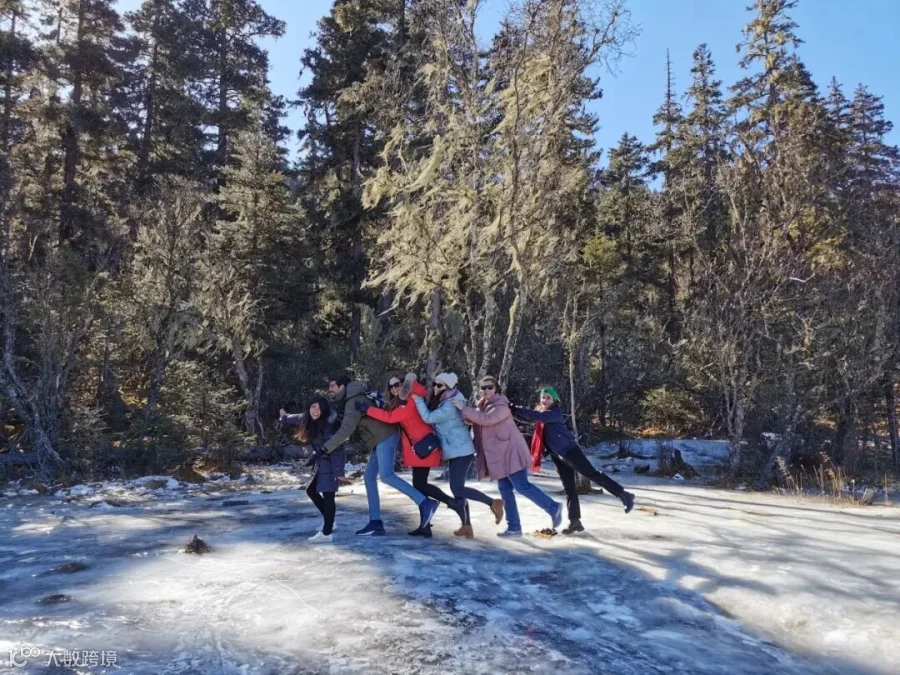
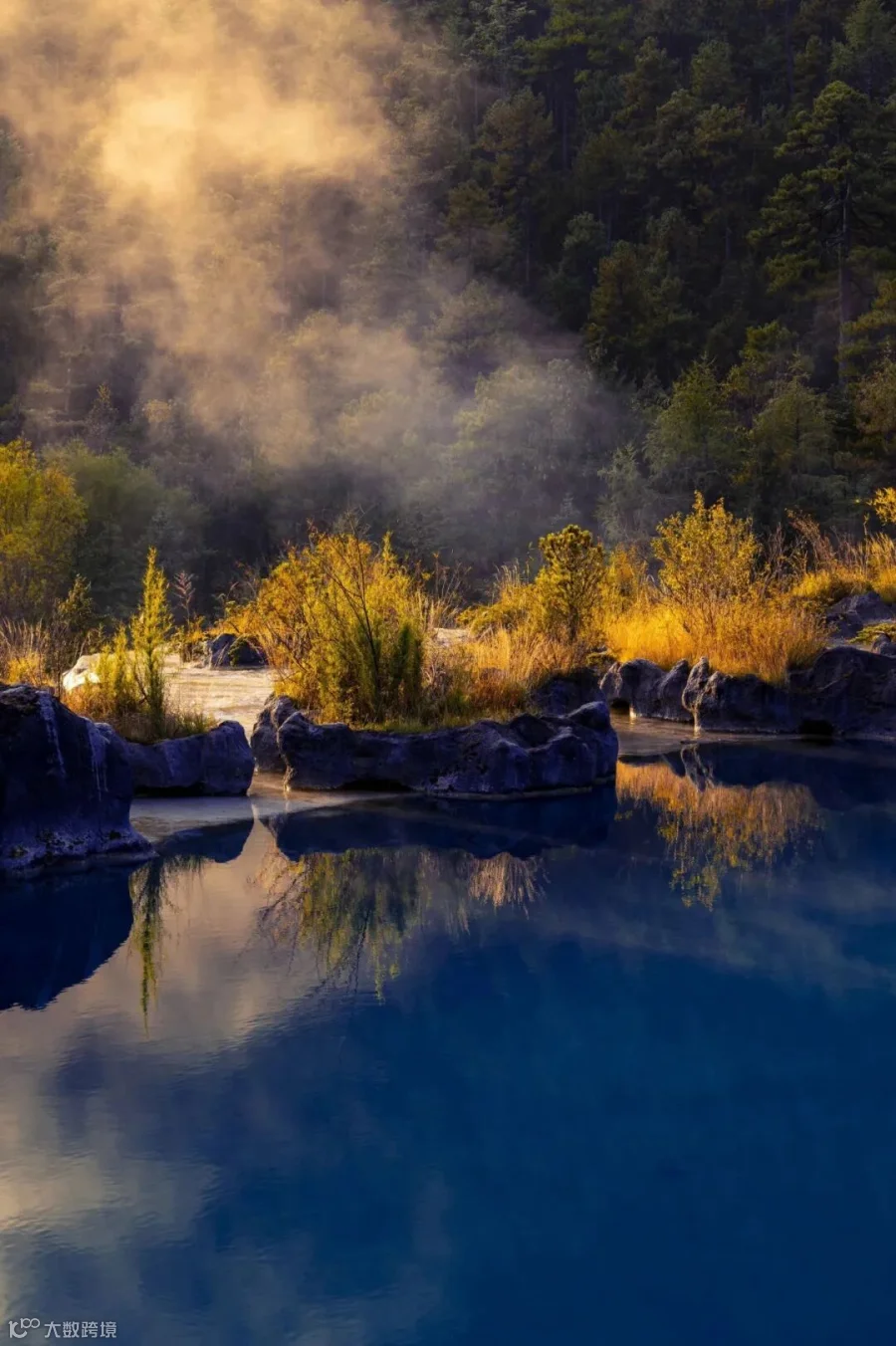
Visit Ganhaizi Meadow, then take the sightseeing bus to visit Baishui River, which is well-known as the Blue Moon Valley from the glacier of the snow mountain. Take chairlift to visit the Glacier Park (4500m) in the snow mountain ( Since Glacier Park is the most popular part of JDSM and the ticket might in shortage. If it is not availabe, we have to switch to Spruce Meadow .)
After that, you will enjoy the Impression Lijiang Show directed by Zhang Yimou. It is held in Ganhaizi Meadow about 3100M above the sea level.
You will be transferred to Lijiang Sanyi Airport after the tour, service ends

BASIC CONTENT
-How to become VIP of FCN-

|
You will enjoy more discount if there is more people join the tour ≧2 people,50rmb off/person ≥3 people,100rmb off/person |
INCLUDE
EXCLUDE
👉 Personal expenses: such as laundry, drinks, fax, telephone calls, optional activities, sightseeing or meals which are not included in the tour itinerary.
👉 Lunches and dinners
👉 Single room supplement;
👉 Airport shuttle for non-scheduled time


REGISTER
Add me "Shirley"
ID:yanshuang_86

Minimum number of participants: 2 people


Yunnan has always stood apart from the rest of China, set high on the empire's barbarous southwestern frontiers, and shielded from the rest of the nation by the unruly, mountainous neighbours of Sichuan and Guizhou. Within this single province, and dwelling among a stew of border markets, mountains, jungles, lakes, temples, modern political intrigue and remains of vanished kingdoms are 28 recognized ethnic groups, the greatest number in any province. Providing almost half the population and a prime reason to visit Yunnan in themselves, the indigenous list includes Dai and Bai, Wa, Lahu, Hani, Jingpo, Nu, Naxi and Lisu plus a host shared with other provinces (such as the Yi or adjoining nations. Each minority has its own spoken language, cuisine, distinctive form of dress for women, festivals and belief system, and with enough time you sho


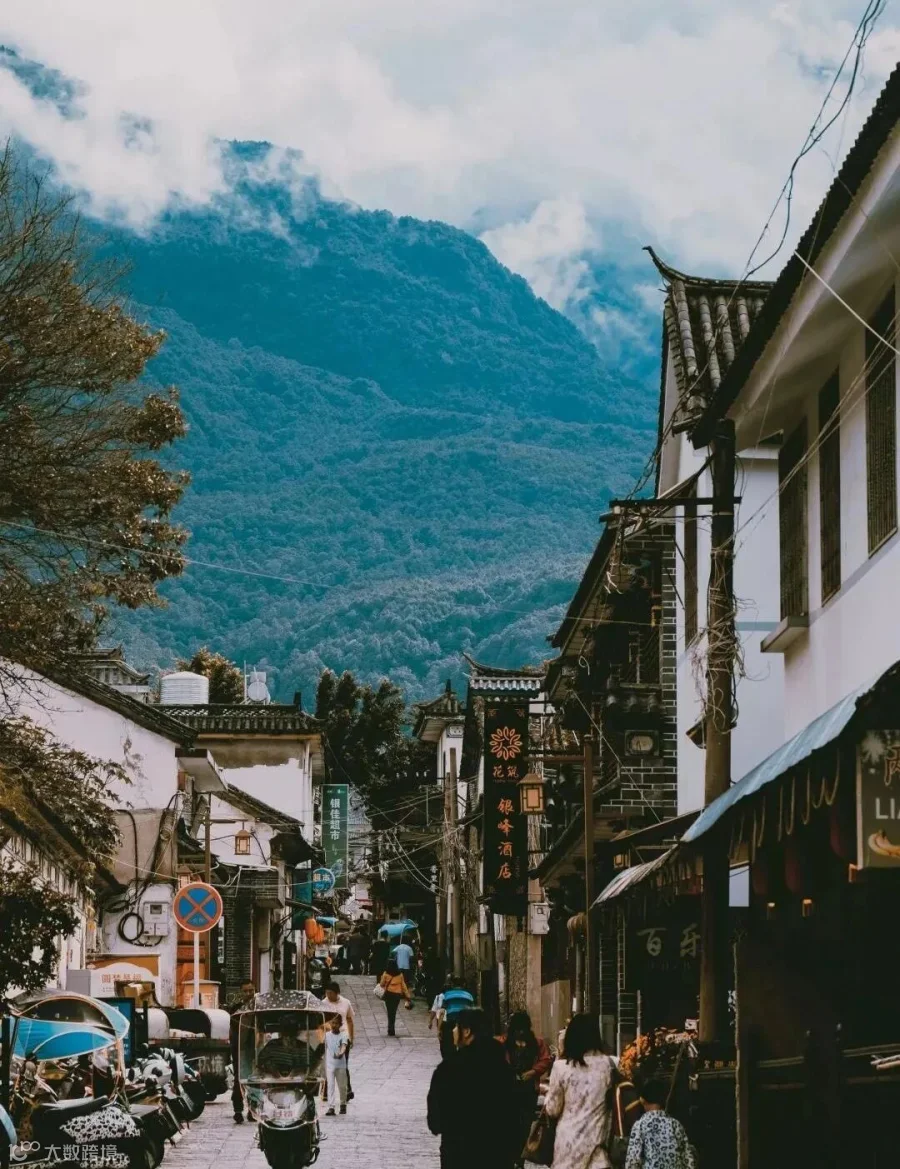


History of Dali can be dates back to 1382 during the Ming Dynasty and it has been listed among the top historic cities of China.
Unlike any other Chinese town, the traditional Bai ethnic folk houses give the town distinctive feel. The town's layout was uniform, with five main streets from south to north and eight main streets from east to west, while marketplaces were neatly arranged within the town, which has remained unchanged to this date. Besides the Bai houses, the houses with gray-green roof tiles, peculiar workshops, temples, schools and churches with antique flavor are scattered. Traditional marble artworks, like pencil vases, striped screen, and a variety of woven handicrafts of fine straw are laid chockablock on both sides of the street to be appreciated and purchased. Its grand city wall, traditional Bai houses and marvelous scenery have been attracted many visitors.


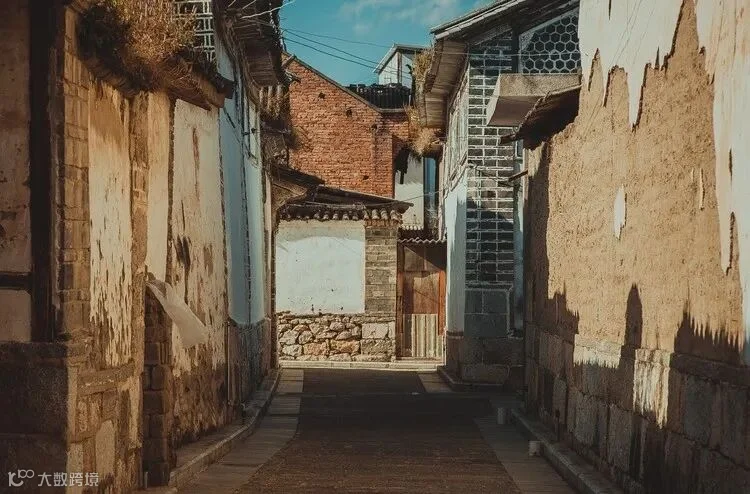
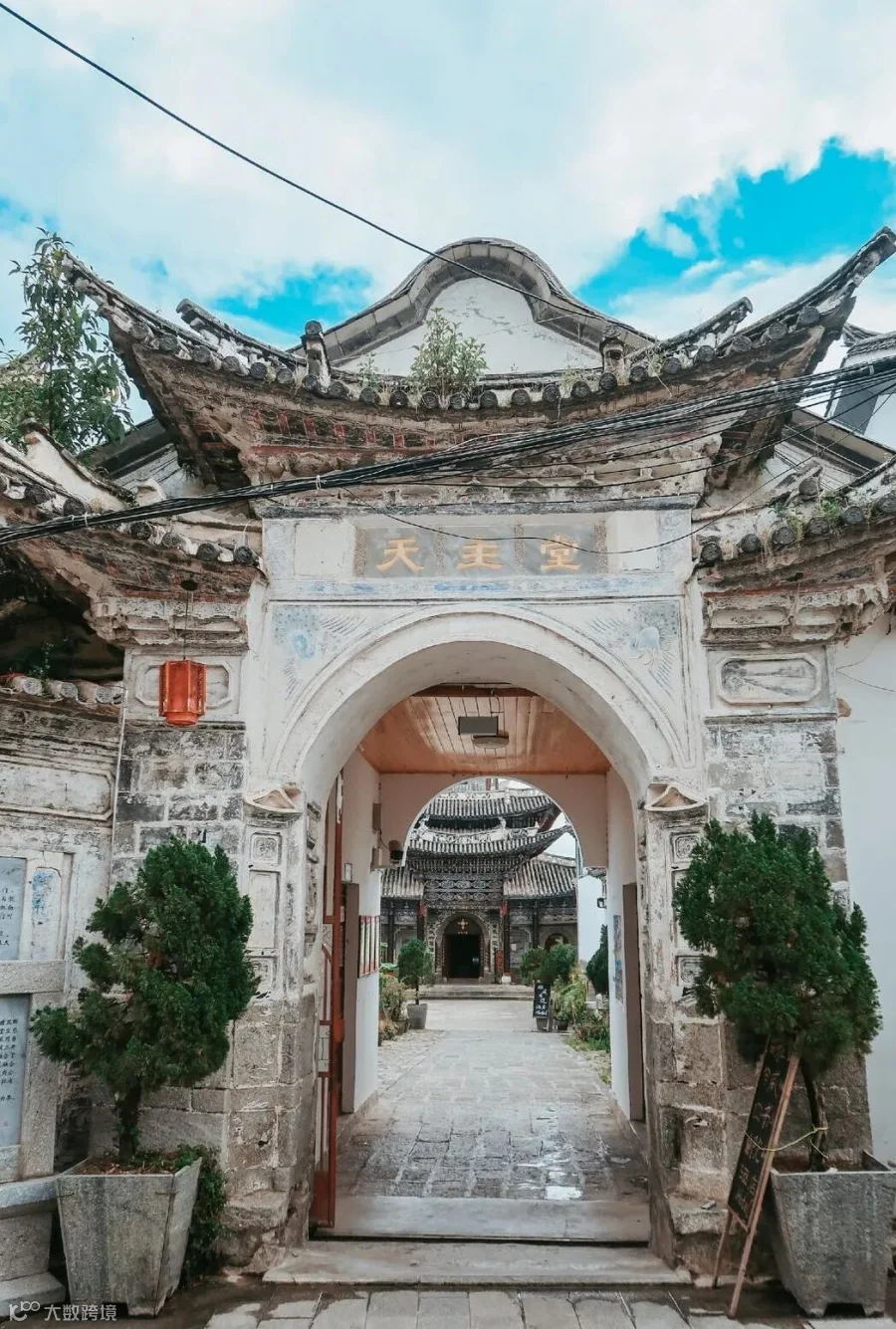

✨ Top Sites to Explore in Dali Ancient City
Old City Gate Towers
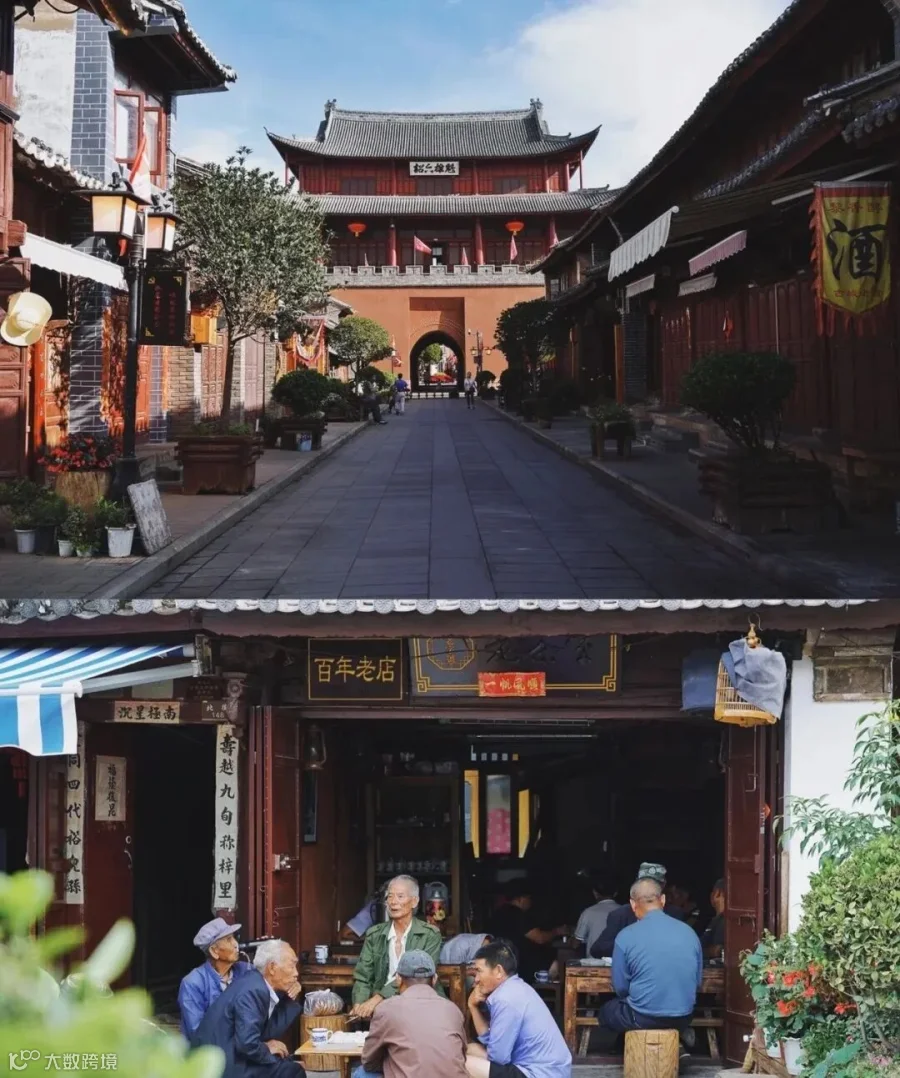
The city gate towers stand each side of the old city like the soldiers protecting the old town. The six city gate towers include Wenxian Tower, South Gate, North Gate, Cangshan Gate, Erhai Gate and Wuhua Tower.
Wenxian Tower
Wenxian Tower is called "The First Gate of Dali Old Town". In the reign of Kangxi in Qing Dynasty (1701), the chief commander of Yunnan Province named Piantu inscribed "A Historic Town with Rich Culture" (文献名邦) and hence the tower got the name.
South Gate
South Gate is also called Double Crane Tower or Cheng'en Tower, with a history over 600 years. This gate is the oldest building of Dali Old Town and become the symbol of the ancient town. The inscription "Da Li" on the city wall was inscribed by Guo Moruo, a famous modern Chinese writers.
Wuhua Tower
Wuhua Tower was first built in the year of 856 in Nanzhao for gathering and meeting. This symbolic architecture has five storeys offering a panoramic view of Dali Old Town, Cangshan Mountain and Erhai Lake.
North Gate
The North Gate is called Anyuan Gate or Santa Gate which was first built in 1382. North Gate is the closest gate to Three Pagodas of Dali, about 1.5 kilometers away. Standing on the North Gate, travelers can have a look at Three Pagodas from afar.
Cangshan Gate
Cangshan Gate is the West Gate, also called Yongzhen Tower. It is about 2 kilometers from Cangshan Gate to Tianlongbabu Film Studio and Cangshan Mountain.
Erhai Gate
Erhai Gate is the East Gate, also called Tonghai Tower. It is about 5 kilometers from Erhai Gate to Longkan Pier of Erhai Lake.
Old Streets
Travelers should not miss the famous "Foreigner Street", Fuxing Road and Renmen Road, etc.
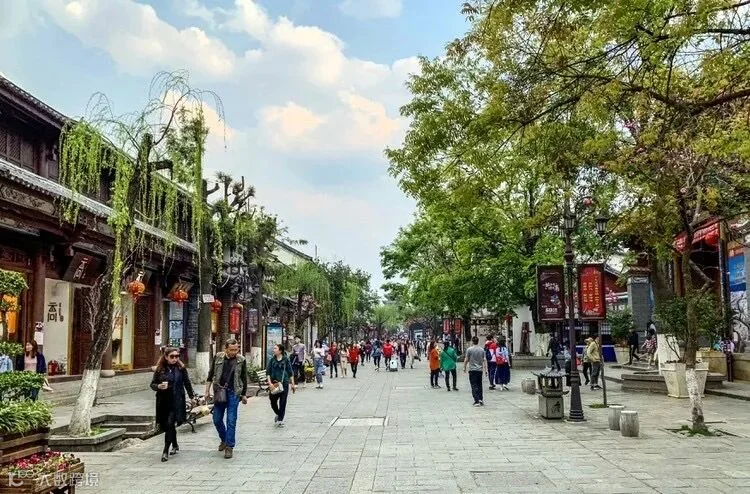
The 1500-meter Fuxing Road is the main street and the busiest street in Dali Old Town, linking South Gate and North Gate. The architecture along Fuxing Road keeps Ming and Qing Dynasty style and river flows through the street. The north section of Fuxing Road is mainly for selling clothes and daily goods while the south section is mainly tourist commodities and souvenirs.
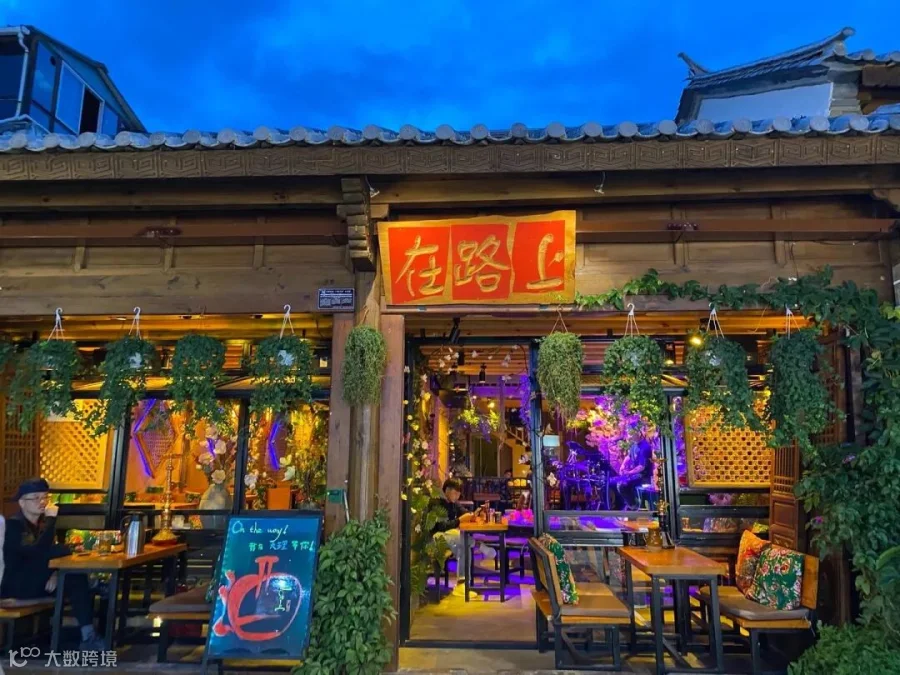
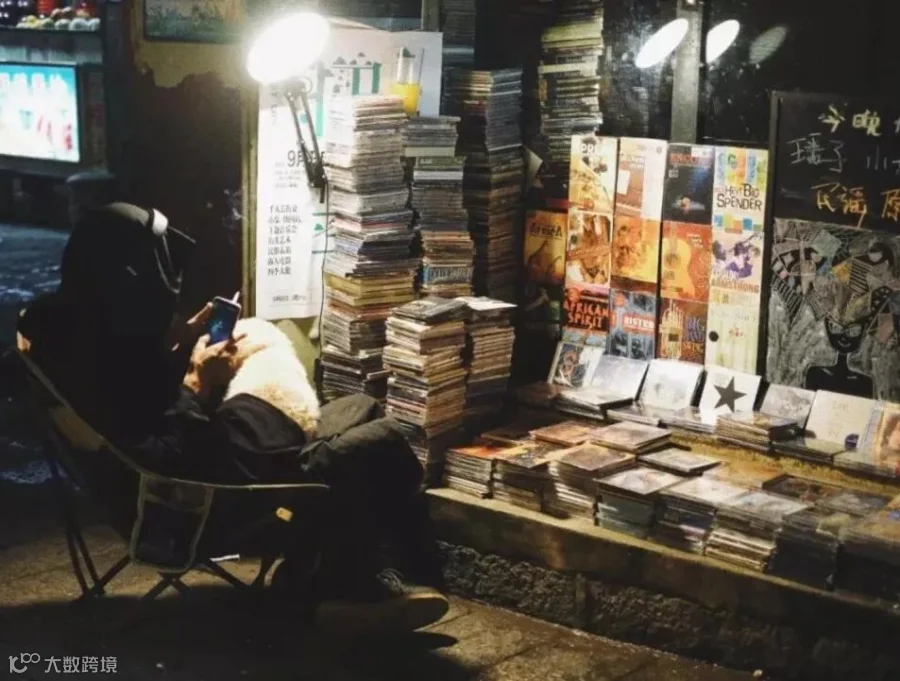
"Foreigner Street" is in the upper section of Huguo Road with a length of 185.6 meters. Travelers can see many friends from all over the world and find Chinese and Western restaurants, jewelry shops, tie-dye shops, antique shops, art galleries, bars...
The 1200-meter Renmin Road is the second Foreigner Street with many bars, hostels and restaurants. This east-west street leads to Erhai Gate.
Old Temples & Churches
Another OLD aspect in Dali Old Town is temples and churches. These old sites include Dali Old Town Wumiao Temple, Catholic Church located between Renmin Road and Hongjin Road, and Christian Church located in the north of the town, close to the Second Hospital.

Museums
Travelers can catch the chance to explore the museums in the town, including Dali Museum, China Dali Rural Film History Museum and Dali Intangible Cultural Heritage Museum where you can learn more history and culture of Dali and Bai Ethnic Group.
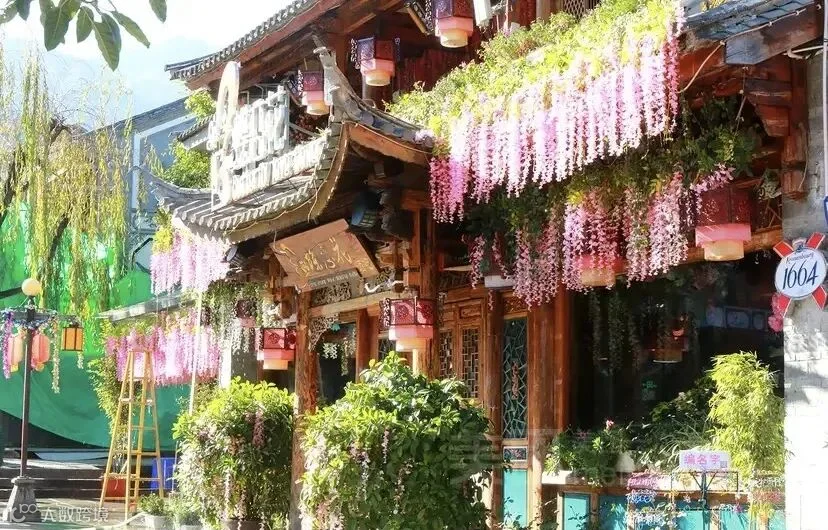


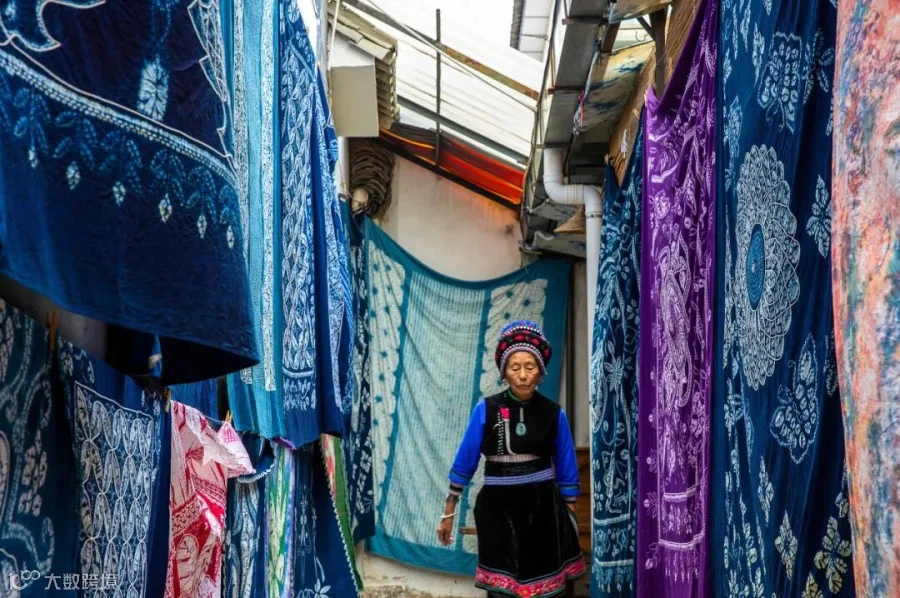
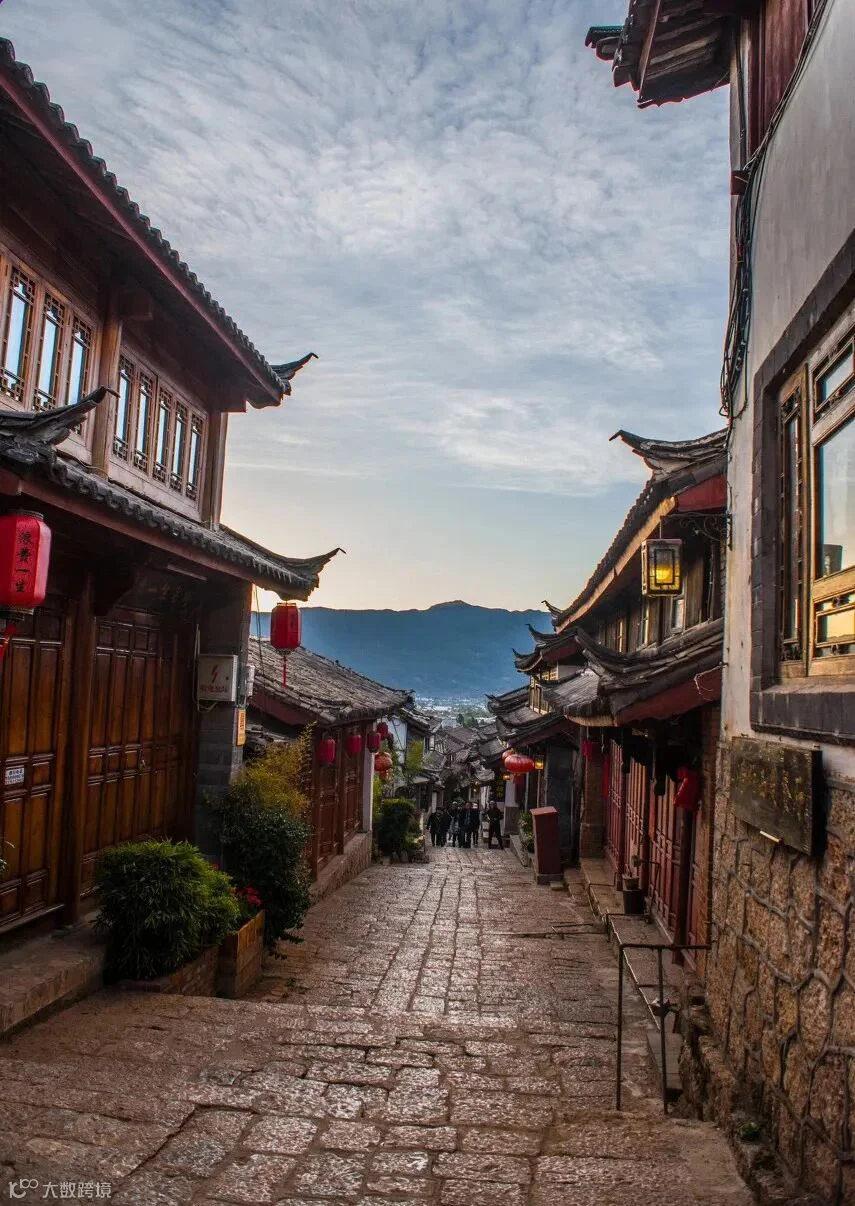
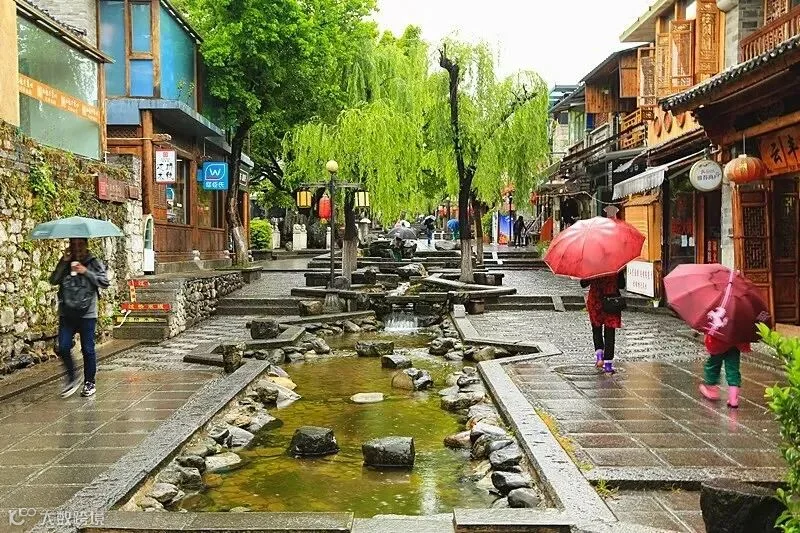


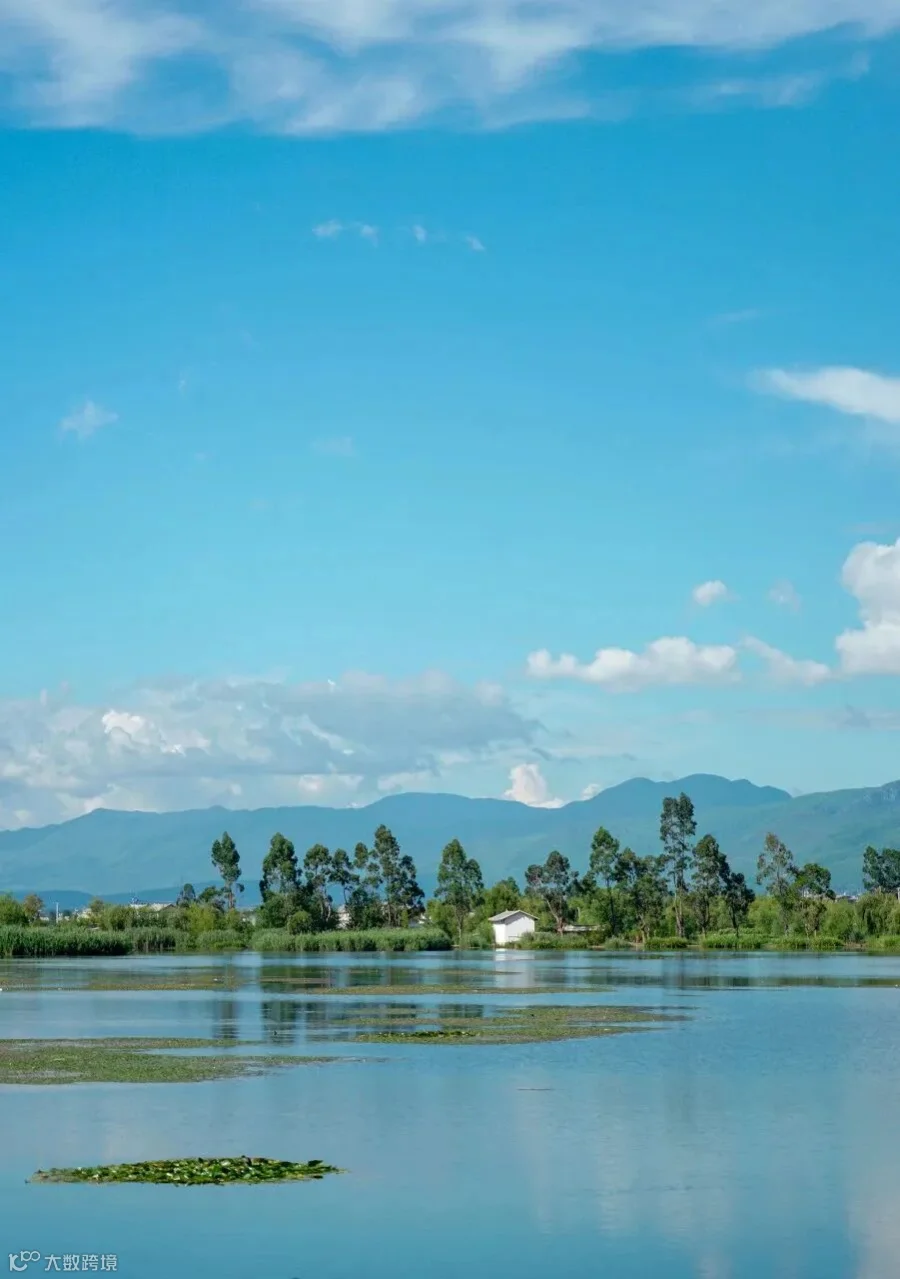
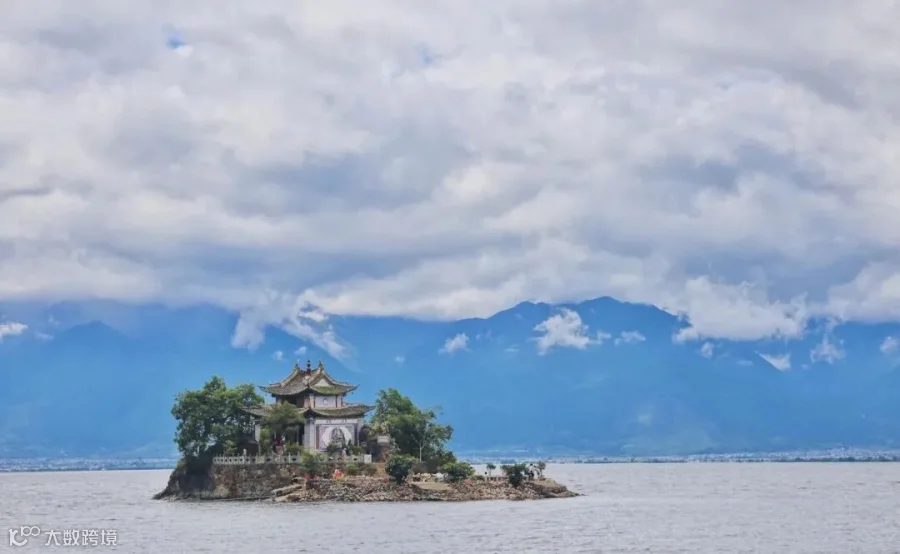
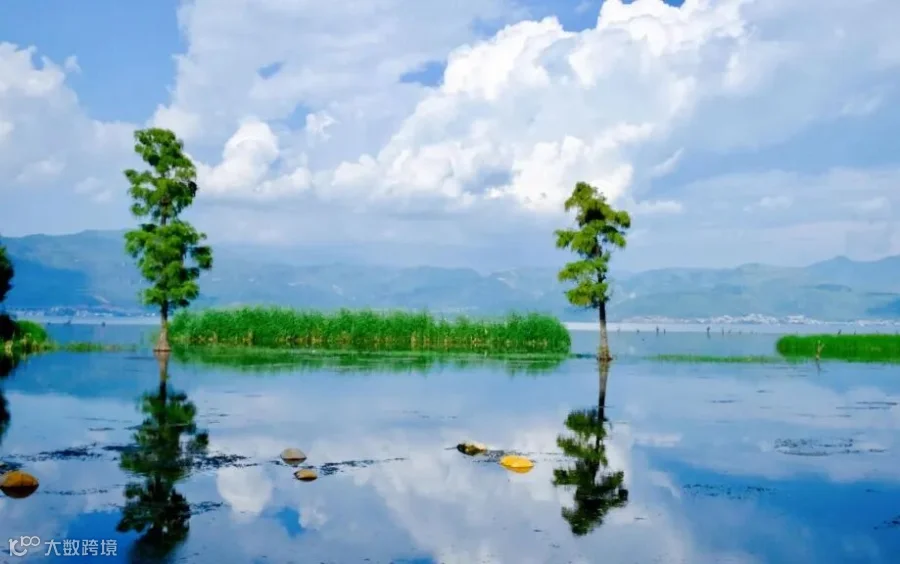
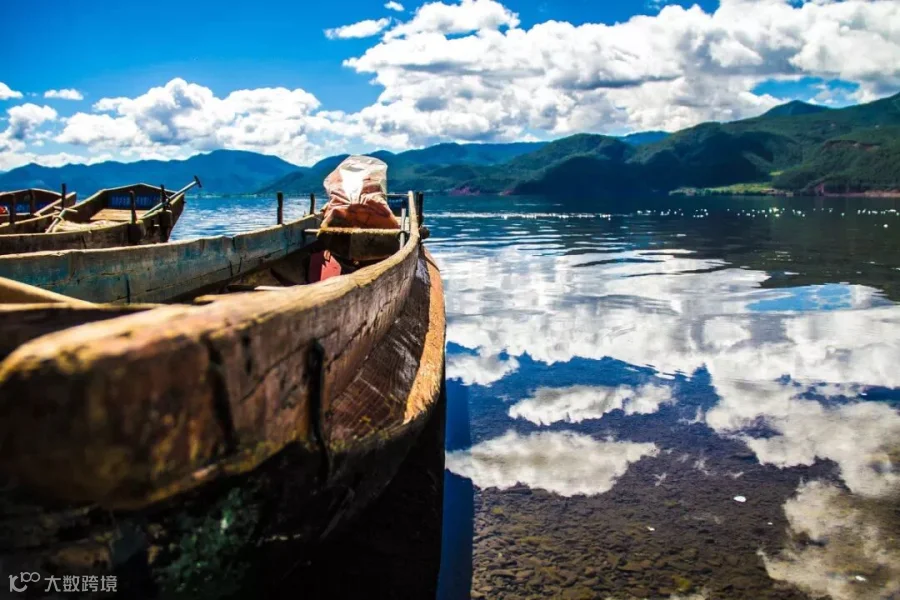
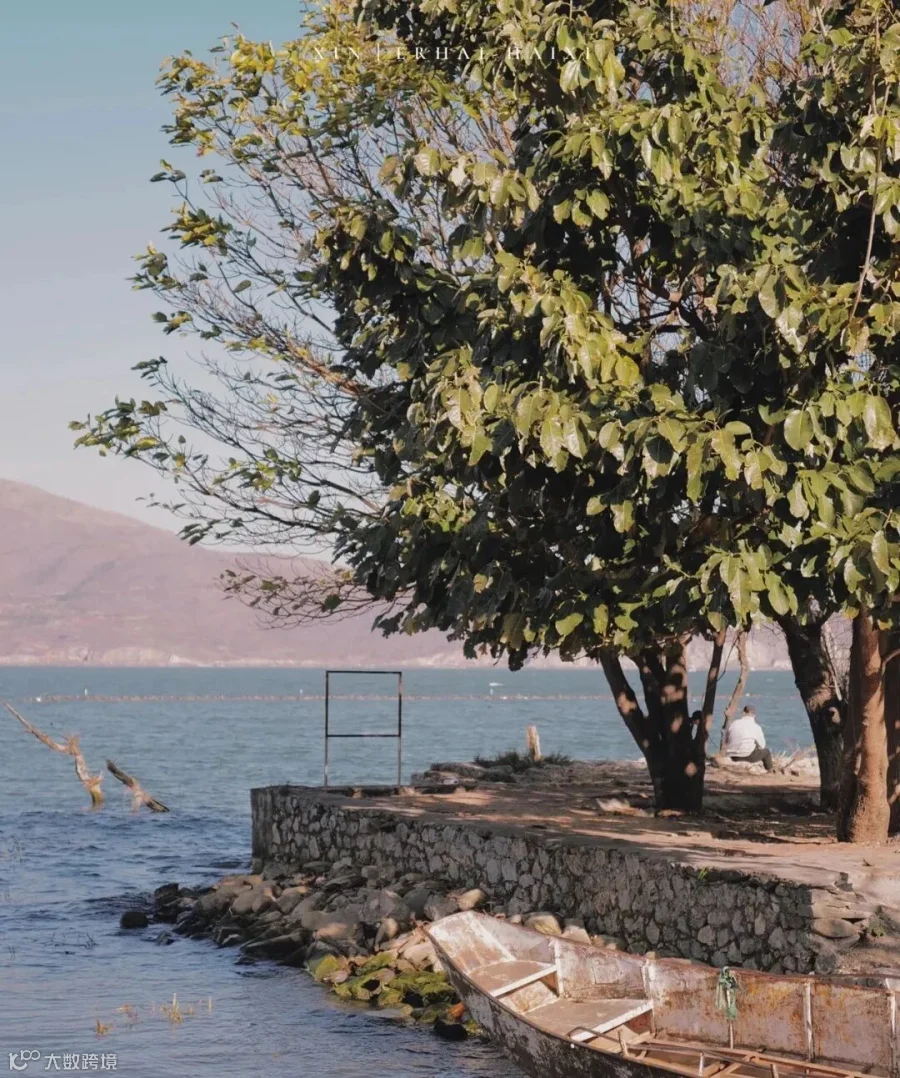
Dali Erhai Lake (Ear-shaped Sea) in Dali, at 1972 meters above sea level, is the second largest highland lake of Yunnan, after Dianchi Lake. With crystal clear water and the charming landscape, Erhai Lake is reputed as "Pearl of Plateau". Hence, "Silver Cangshan Mountain and Jade Erhai Lake" is used to depict the amazing scene of Erhai Lake.
In size, the north-south length of Erhai Lake is 40 kilometers and the East-West width is roughly 9 kilometers. Inside the Erhai Lake, there are different kinds of famous landscape, like "Three Islands", "Four Continents", "Five Lakes", "Nine Bends". It is sandwiched between the Cangshan Mountain to the west and Dali City. It starts at Dengchuan at its northern extremity and finishes at Xiaguan city in the south. Dali Old Town, Three Pagodas of Dali, Xizhou Ancient Town, Zhoucheng, Butterfly Spring and Shangguan Flower Garden are on its west bank while Shuanglang Old Town, Wase Village, Haidong Village and are on its east bank.
Usually, there are three ways to explore Erhai Lake - by boat, hiking or cycling. Taking a boat to sailing on the Erhai Lake can have leisure sightseeing about the islands in the lake while riding a bicycle or electric motorcycle is an enjoyable way to explore historical sites along Erhai Lake. If you like, you can also choose your favorite section of the loop for some leisure hiking.
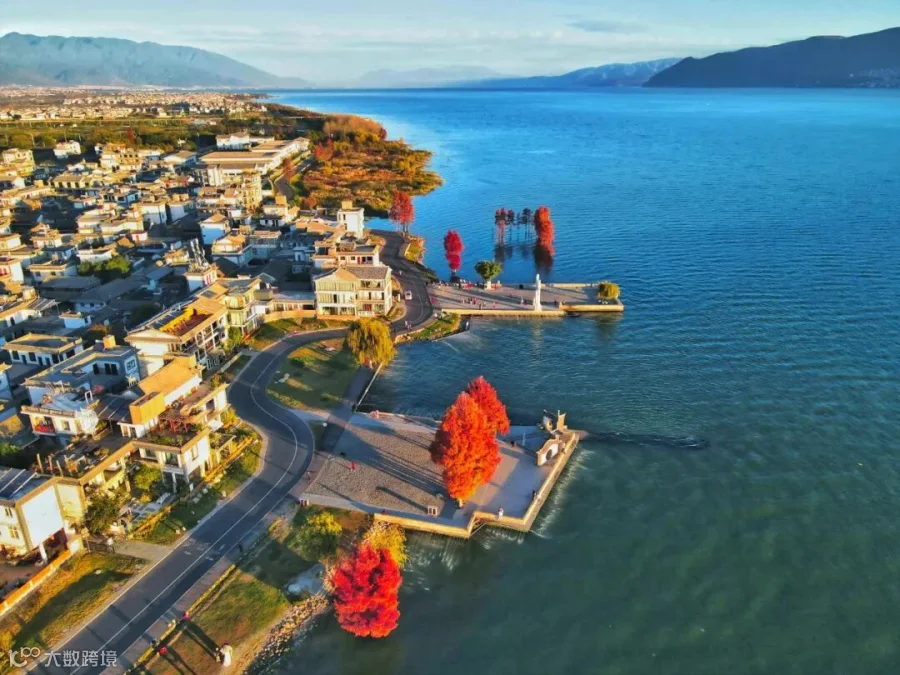


Top Sites to Explore around Erhai Lake
Erhai Park (洱海公园)
Erhai Park, located in the southern tip of Erhai Lake, is the best site to view beautiful scene of Erhai Lake and Cangshan Mountain. Standing at the lake edge, it is a steady climb up with 270 stone steps leading to two viewing decks - the Observation Pavilion and Long Corridor where stunning Erhai Lake vistas await. When you first reach Dali in Xiaguan, you can pay a visit to Erhai Park, either have leisurely walk or take cruise at Erhai Lake Port to other islands of Erhai Lake. No entrance fee is needed to visit Erhai Park.
Xizhou Village (喜洲古镇)
Xizhou Village, located about 18 kilometers north from Dali Old Town, is a typical town with Bai's characters with over 1000 years' history. Taking a visit to Xizhou, you'll catch the best chance to enjoy Bai's typical architectures and houses as well as taste the Bai People's "Three Courses of Tea". To have full understanding of Bai's architecture, it is recommended to visit Yan Family's Courtyard to know more about "Three Rooms and a Wall Screening", "Four Joints and Five Courtyards" which are decorated with woodcarvings, colored patterns, marbles and wash drawings.
Zhoucheng (周城)
Zhoucheng is located in the north of Xizhou Ancient Town, west side of Erhai Lake. It is called the "Land for National Tie-dye" where travelers can learn how to make a tie-dyed cloth. Visit one of Bai's family workshops and see the local Bai people use traditional tie-dye techniques to make cloth. In the family workshop, you'll appreciate colorful tie-dyed clothes, caps, bags, etc. Bright colors, an unlimited variety of patterns and color combinations, and the simplicity of the techniques contribute to its enduring appeal.
Shuanglang Town (双廊)
Shuanglang, the most scenic town around Erhai Lake, is located in the north of Dali and the northeast of Erhai Lake. For over a thousand years, the local Bai ethnic people here made their living fishing in the lake. And now the small tranquil village is popular with visitors unwinding and enjoying a slower tempo. Enjoy several hours or a peaceful night here to explore among the old alleys and traditional architecture or take a boat out on Erhai Lake or kick back and do very little.

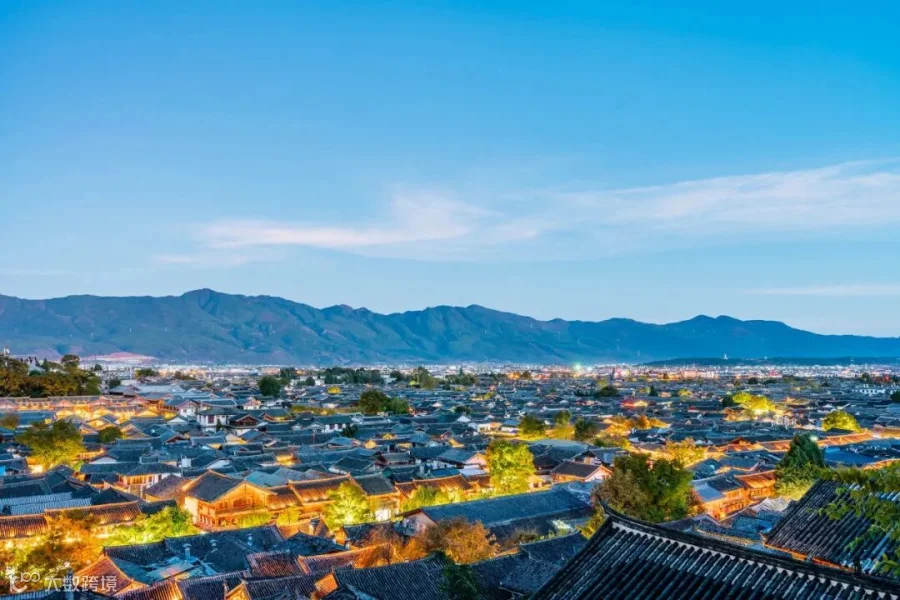

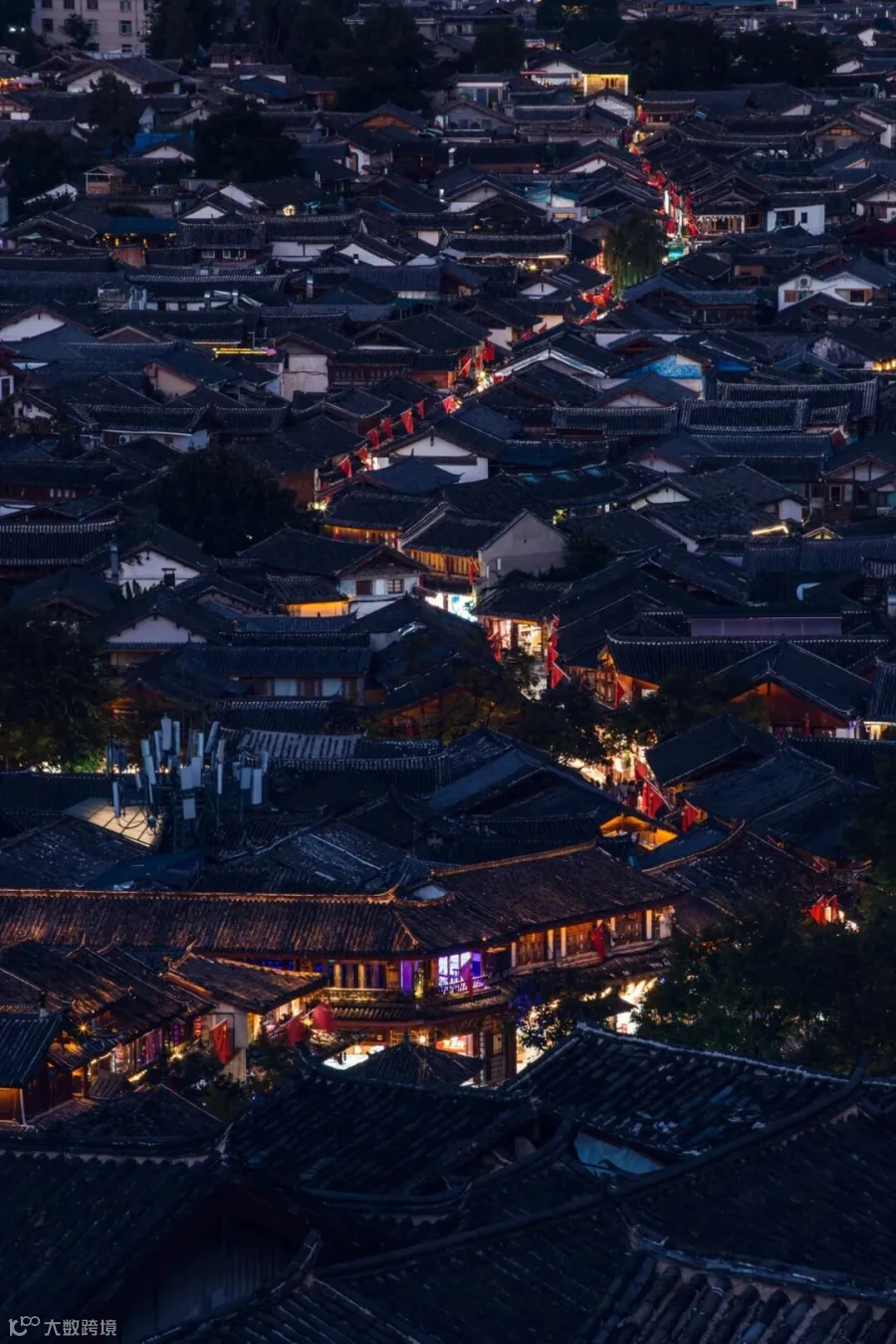

Chinese: 丽江古城 Lìjiāng Gǔchéng /lee-jyang goo-chnng/ 'Old Town of Lijiang'
Lijiang was a former trading town and a stop for traders carrying goods on the Ancient Tea Horse Road. Lijiang didn't become an important town on the Ancient Tea Horse Road until the end of the Southern Song (1127-1279) and the beginning of the Yuan Dynasty (1279-1368).
During the early years of the Yuan Dynasty, about 1,000 families inhabited Lijiang Old Town. The town continued to grow, and it reached a peak during the Ming (AD 1368-1644) and Qing (AD 1644-1911) dynasties.
In 1996, there was a big earthquake of magnitude 7.0 on the Richter Scale in Lijiang. Houses, bridges and waterworks were rebuilt, renovated and restored.
It was listed as a UNESCO World Heritage Site in 1997.
The architecture of the old town is noteworthy for the blending of elements from several cultures. The town also possesses an ancient water supply system of great complexity and ingenuity.


✨ The Highlights You Should Not Miss
👉 The Three Parts of the Old Town of Lijiang
Three ancient districts are included in the World Heritage List in 1997: Dayan Old Town, Baisha Quarter and Shuhe Ancient Town. The three old districts retain a special character of old Naxi and Han construction and Naxi customs, arts and culture.
Dayan Old Town is paved with cobbled stone throughout and lined with many shops selling local tea, snacks and souvenirs. The old town is best viewed from above, so try and find a rooftop spot to get a look at the beautiful overview.
The Baisha Quarter and the Shuhe District are less developed than the Dayan Ancient City District. So to see more traditionally decorated buildings and the older construction, Baisha Quarter and Shuhe are the places to go.
👉 The Waterworks System
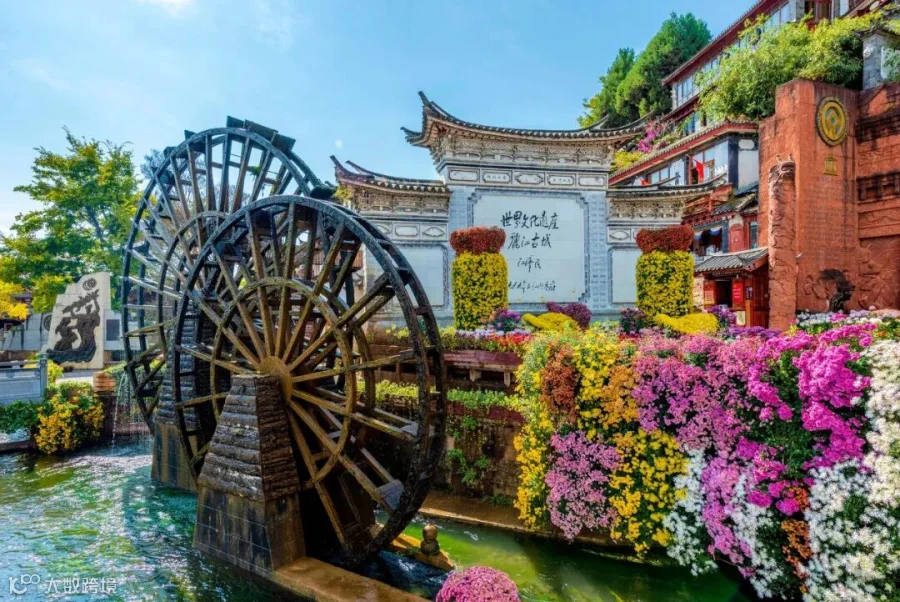
The waterworks system is an important engineering feature of the town mentioned in the UNESCO World Heritage List description. The people took advantage of the Jade River to build a complex water system that people liken to the canal system of Venice.
The river flows from the north of the town, divides into 3 tributaries, and then divides into many streams that flow through courtyards and past houses in a southerly direction.
The streams were channeled into ponds or basins for use. However, modern construction and sewage problems have destroyed much of the original waterworks.


👉 Naxi Culture
Naxi culture is special because the people are less modernized and the people developed a writing system, a music style, and a religion different than the majority of Chinese.
The Naxi writing system uses hieroglyphs instead of Chinese characters. The Naxi are the only people who still use hieroglyphs to write in the world. However, only a handful of Naxi, perhaps ten people, who are almost all elderly people now know how to read the glyphs.
The Naxi traditional music style has a long history. You can hear people playing their instruments in the Dayan Ancient City District. An orchestra of Naxi musicians performs there regularly. Since the little town was influenced by people from other lands who passed though, their music probably incorporated the styles and instruments of ethnic groups in a wide region.



Chinese: 玉龙雪山 Yùlóng Xuěshān /yoo-long sshwair-shan/ 'Jade Dragon Snow Mountain'
Located between 10004'-10016'east longitude and 2703'-2740' north latitude, Jade Dragon Snow Mountain (Yulong Mountain) is the southernmost glacier in the Northern Hemisphere. Consisting of 13 peaks, among which Shanzidou is the highest with an altitude of 5,600 meters (18,360 feet), the mountain stretches a length of 35 kilometers (22 miles) and a width of 20 kilometers (13 miles). Looking from Lijiang Old Town in the south which is 15 kilometers (nine miles) away, the snow-covered and fog-enlaced mountain resembles a jade dragon lying in the clouds, hence the name.
According to the research of geologists, for about 400 million years the area around Jade Dragon Snow Mountain was the ocean and it was during the last 600 thousand years that the different landscapes had come into being because of the uprising of the lithosphere. Archaic legend about this mysterious and beautiful place goes like this: Once upon a time, Jade Dragon Snow Mountain and Haba Snow Mountain were twins. They had lived on panning in Golden Sand River until one day an evil fiend usurped the river. The brothers were very brave and had a fierce fight with the fiend, Haba died in the fight and Jade Dragon drove off the fiend after wearing out 13 swords. For guarding the people and preventing the return of the fiend, Jade Dragon held the 13 swords in hands day and night. As time passed, the brothers had turned into the two snow mountains, and the 13 swords had become the 13 peaks. The mountain is a holy place for the local Naxi people not only because of the legend, but also because long time ago, it was a place for young lovers to sacrifice their young lives in honor of true love and to escape from the arranged marriages and feudal ethics.
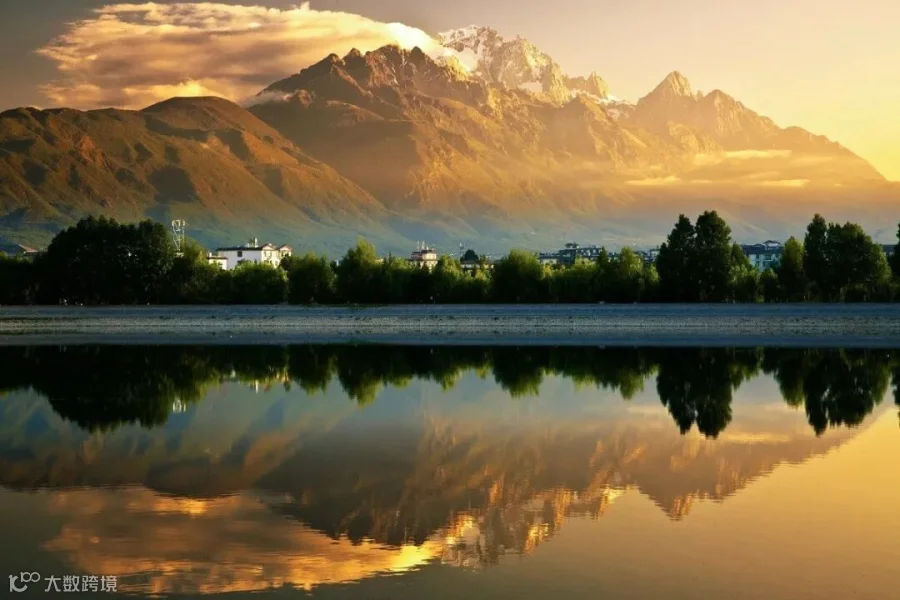

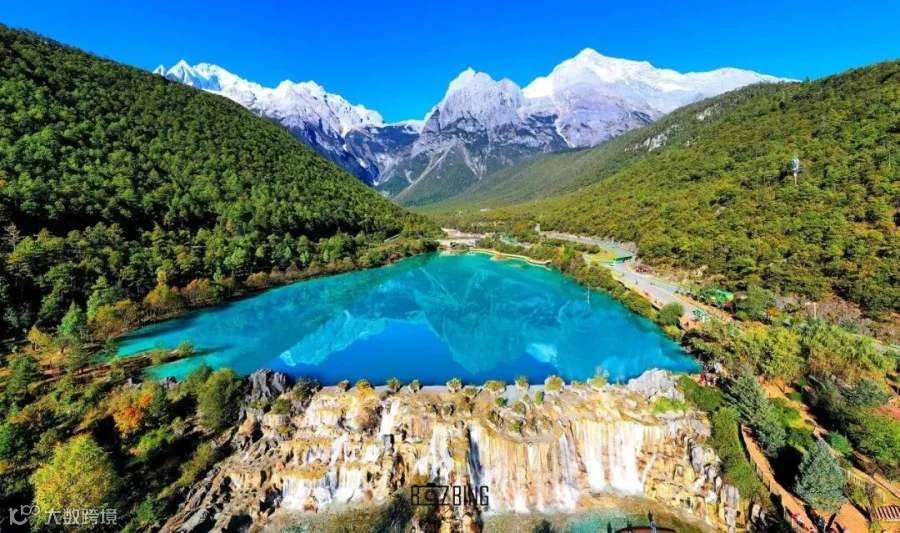

Jade Dragon Snow Mountain is a sanctuary for rare animals and wild plants. In fact, one fourth of all plant species in China can be found here and 20 primeval forest communities shelter a big family of 400 types of trees and 30 kinds of animals which are protected by the state. These species live in different temperature levels and create different kinds of views. The 13 peaks, which have the altitudes of at least 4,000 meters, are covered by snow all year round; the mountain is also called the "Natural Glacier Museum" for it has all types of glacier. Move down from the mountaintop and you can see rivers and pools, which are formed by the thawed snow water running along the valley and through the forests. The plants and the animals are different according to the altitude, so are the views. Every sight brings you a surprise and every step takes you to a new scene. Each of the meadows on Jade Dragon Snow Mountain has its own special character due to their different landscape and height. For instance, Spruce Plateau (Yunshan Plateau) is grassland with gigantic spruces whilst Ganhaizi (Dry Sea Meadow) used to be a highland lake as its name tells, the meadow was formed after the water had dried up. Besides, the Glacier Park in Jade Dragon Snow Mountain consists of the Stone Caves formed by glacial erosion.