


编者按:看到这篇文章之后,让我想起在很久以前看到的一部电影《机械公敌》,电影的整个情景都是围绕人类发展到整个世界都是人工智能的时候,高度智能机器有没有可能掀起一场反抗人类的终极之战,这以主题内容开展。
这篇文章主要讨论的是随着人工智能的不断发展,人工智能机器人对我们以后的工作是否有影响呢?
本文摘自SCDigest,由高珉翻译整理
许多人担心以后的工作会被AI所取代,因为随着技术的发展,人工智能机器人越来越智能化,并且能够胜任工作的领域越来越广。

例如,近期美国花旗银行总裁Jamie Forese说到:“人工智能机器人可以在5年内取代花旗银行近1万多个工作岗位”同时他将这些岗位描述为“最合适人工机器人来处理的岗位”
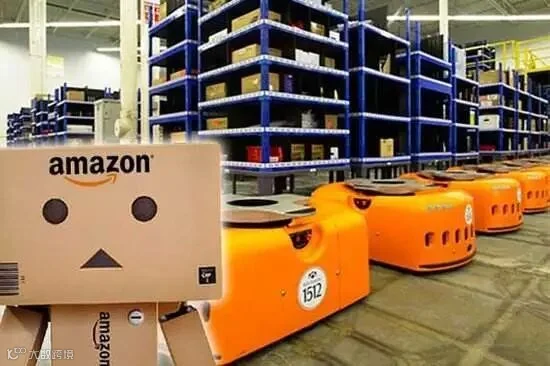
同样,近期有消息称,亚马逊发现,人工智能可以取代成千上万的买家与商家的软件。
“亚马逊意识到,很多岗位花了很多时间和工作在那些真正需要智能机器人就可以完成的事情上,” Elaine Kwon今年在彭博社上到,他曾在2014年至2016年担任亚马逊供应商经理。
人工智能机器人同样在诊断病人的症状方面也比人工好很多。
但是在供应链中,人工智能的广泛应用并不意味着可以取代人工。
埃森哲咨询公司的Gary Hanifan and Kris Timmermans在哈佛商业评论上发表了一篇专栏文章。
为了支持这一观点,作者特别引用了一本Paul Daugherty and H. James Wilson推出的新书,书中推翻了这一个普遍的误解,就是工人智能机器人将逐一取代各行各业的人类工作。
“虽然人工智能将被部署来管理某些任务,包括更高级别的决策,但这项技术的真正力量在于增强人类的能力——这在供应链中是正确的,”Hanifan和Timmermans说。
他们进一步指出,人类和机器的联合力量将为企业创造新的价值来源,并让客户创造新的岗位让更多的人就业。
Hanifan和Timmermans确定了三种新的人工驱动的工作类别:

培训师:帮助人工智能机器人进行系统学习和执行的培训,包括各种语言处理以及翻译,减少翻译出错的情况,同时教会人工智能机器人如何模仿人类的行为。
分析师:用来判断算法的结果,提高人工智能机器人在执行任务中的透明度的规则。
管理师:确保人工智能机器人能够保持原始目标,不会跨越规则以外,并持续完成任务。
同时他们认为,人工智能机器人加上先进的分析方法,不仅能够为供应链管理者提供前瞻性的决策,同时缩短了解决问题所需的时间---特别是需求计划。
事实上,这些新时代的管理者将带头“从传统的供应链操作模式,即不灵活且缓慢的模式,转向一种真正的点到点细分的新动态模式,这就意味着要规划出多种供应链来满足特定客户细分市场的希求以及管理业务关系和处理”

他们表示,还会出现“数字工程师”这一新的工作岗位,这个岗位将涉及高度分析、精通数学技术和数据专业人员。他们要管理、建模和调整算法、制作安全协议以及指导自动决策规划系统的参数。
供应链管理通讯指出:这个岗位应该只有一少部分人能够胜任。
不过,Hanifan和Timmermans说,软件将会变得更加智能,供应链管理人员需要为这一不可避免的转变做好准备,包括对新技能的学习,同时将人们转移到可以创造更高价值的岗位上去。
“供应链一直都是一个需要人来完成的” Hanifan和Timmermans总结道。“我们正在走向一个人类和人工智能机器人合作的时代,而不仅仅是共存。”这个结果必将打造出一个高效、可持续的供应链,能够带来更好的商业成果。
供应链管理通讯同意“更好的商业成果”这一观点,但是在供应链中新的岗位是否真正弥补被人工智能机器人取代的数以百万计的工作岗位?我们希望我们能够保持乐观。现实是,如果大多数企业都能够消除一些能够被替代的岗位成本,而不是把他们转移到某个新领域中,我们将会通过Daugherty and Wilson即将发布的《人类与机器》一书中得到他们的分析。
如果您对人类与人工智能机器人的未来有更好的观点,请在下方留言区留言评论。我们一起来讨论。

英
文
原
文
以下是英文原文
如果中文翻译不准确,请指出哦。
原汁原味读着更过瘾
Artificial Intelligence Likely to Add Supply Chain Jobs, not Eliminate Them, Consultants Say
Software Robots and Humans will Collaborate to Add more Value
There is much concern in many quarters about the impact of artificial intelligence (AI) on jobs, as smarter and smarter software robots can do jobs better than humans, seemingly across almost every category.
In recent months, for example, there was news that software robots could replace as many as 10,000 human jobs at the American banking giant Citi within five years, according to one of the bank's most senior executives. Citi's president, Jamie Forese, described roles in operations and technology as the "most fertile for machine processing."
There was also recent news that Amazon is finding that it can replace thousands of buyers and merchandisers with software instead.
"Amazon realized a lot of expensive employees were spending a lot of time working on things that should really be automated," Elaine Kwon, who worked as a vendor manager at Amazon from 2014 to 2016, told Bloomberg earlier this year.
It also appears software robots are a lot better than doctors at diagnosing a patient's symptoms.
In the supply chain at least, broad use of AI "does not mean human workers will become obsolete."
So say Gary Hanifan and Kris Timmermans of consulting firm Accenture in a recent column on the web site of the Harvard Business Review.
In support of that position, the autors cite a new book by Paul Daugherty and H. James Wilson they says debunks the widespread misconception that AI systems will replace humans in one industry after another.
"While AI will be deployed to manage certain tasks, including higher-level decision making, the technology's true power is in augmenting human capabilities - and that holds true in the supply chain," Hanifan and Timmermans say.
They further argue that the combined power of humans and machines will create new sources of value for businesses – and keep lots of humans employed.
Hanifan and Timmermans identify three new categories of AI-driven jobs:
Trainers who help AI systems learn how to perform, which includes everything from helping natural language processors and language translators make fewer errors, to teaching AI algorithms how to mimic human behaviors.
Explainers who interpret the results of algorithms to improve transparency and accountability for AI decision making and processes.
Sustainers who ensure intelligent systems stay true to their original goals without crossing ethical lines or reinforcing bias.
They further argue that AI, combined with advanced analytics, will enable supply chain planners to make more forward-looking, strategic decisions and spend less time on reactive problem solving – a concept that has been around for quite awhile in the notion of using software to manage by exception in a variety of planning roles, especially demand planning.
These new-age planners, in fact, will lead the charge in "moving away from a traditional supply chain operating model, which is inflexible and slow, to a new dynamic model with true end-to-end segmentation. That means planning multiple supply chains that meet the needs of specific customer micro-segments as well as managing business relationships and exceptions," Hanifan and Timmermans write.
They say there will also be a new role of "digital engineer" that will emerge, which will involve highly analytical, digitally savvy data scientists who manage, models, and tweaks the algorithms, alert protocols, and parameters guiding the automated decision-making planning systems.
SCDigest would note there will be a limited number of people who will possess such skills.
Still, the software will get smarter, and supply chain executives need to ready their people for this inevitable shift that is already under way, Hanifan and Timmermans say. That includes making the commitment to reskill and move people to other areas of the business where they can add more value.
"The supply chain is and always has been a people business," Hanifan and Timmermans conclude. "We're moving toward a world where humans and machines are collaborating, not just coexisting. The result will be an efficient, sustainable supply chain that delivers better business outcomes."
SCDigest will agree on the "better business outcomes" part. Will creation of new roles really make up for the potentially millions of jobs replaced by software robots in the supply chain? We wish we could be optimistic. The reality is many if not most business will take the cost savings from eliminating the need for some workers rather than moving them to some new area – but we'll get Daugherty and Wilson's book Human + Machine and summarize their analysis soon.