


当全球科技巨头争相押注人工智能之际,教皇利奥十四发布了任内首份重要通谕,公开呼吁"放慢脚步"。
他在通谕中严正警告,人工智能可能加剧失业、削弱人类自主性,甚至改变战争形态,同时提醒世人警惕技术带来的失业潮、信息误导与战争风险,呼吁政府与社会共同努力,确保人工智能的发展始终尊重伦理与人类价值。


双语原文

Pope Leo XIV has issued the first major theological text of his papacy, warning about the growing power of artificial intelligence and calling for stronger regulation of the technology.
教皇利奥十四世发布了其教皇任期内首部重要神学文献,警告人工智能日益强大的力量,并呼吁加强对该技术的监管。
Released Monday, the 42,300-word encyclical "Magnifica Humanitas" marks Pope Leo's most sweeping statement yet on the promise and dangers of AI, a topic he has repeatedly spoken about in the year since his election.
这份于周一发布的、长达42,300字的通谕《伟大的人性》是利奥教皇就人工智能的前景与危险所做出的最全面的声明,自他当选以来的一年里,他一直反复谈及这个话题。
Framed as an appeal for the defense of humanity in a rapidly automating world, the text urges governments, corporations, and individuals to slow the rate of technological development and ensure that AI remains subject to ethical and political oversight.
这份文献旨在呼吁在一个快速自动化的世界中捍卫人性,它敦促政府、公司和个人放慢技术发展的速度,并确保人工智能始终受到伦理和政治的监督。
He presented the encyclical at the Vatican alongside Christopher Olah, a co-founder of Anthropic, in a symbolic gesture of dialogue between Church leadership and the AI industry.
他在梵蒂冈与Anthropic公司的联合创始人克里斯托弗·奥拉一同发布了这份通谕,以此象征教会领导层与人工智能产业之间的对话。
The pope emphasized in the document that he is not opposed to innovation.
教皇在文件中强调,他并不反对创新。
Rather than rejecting technological progress, he wrote that "technology should not be considered, in itself, as a force antagonistic to humanity," but instead must be guided by responsible and ethical use.
他写道,与其拒绝技术进步,不如说“技术本身不应被视为与人类对立的力量”,而是必须以负责任和合乎道德的方式加以引导。
But he warned that without stronger safeguards, artificial intelligence could deepen inequality, weaken human agency, and shift critical decisions increasingly out of human hands.
但他警告说,如果没有更强有力的保障措施,人工智能可能会加剧不平等、削弱人的自主性,并使得关键决策日益脱离人类的掌控。
"Calling for prudence, rigorous evaluation and even, at times, a slower pace in adopting AI does not mean opposing progress," Leo wrote.
利奥写道:“呼吁谨慎、严格的评估,甚至有时放慢采用人工智能的步伐,并不意味着反对进步。”
"Instead, it is an exercise of responsible care for the human family."
“相反,这是对人类大家庭负责任的关怀之举。”
The Pope has raised AI as a central concern since early in his papacy, telling the College of Cardinals shortly after his election that the Church would confront risks artificial intelligence posed to "human dignity, justice and labor," a focus he has returned to in speeches throughout his first year as pontiff.
自就任教皇之初,利奥就将人工智能列为核心关切,他在当选后不久便向红衣主教团表示,教会将直面人工智能对“人类尊严、正义和劳动”构成的风险,在他担任教皇的第一年,他在多次演讲中都重申了这一重点。
Leo's focus on AI is also reflected in his papal name itself, which he chose in reference to Pope Leo XIII, whose 1891 encyclical "Rerum Novarum" addressed the social consequences of the Industrial Revolution and established the foundation of modern Catholic social teaching on labor and technology.
利奥对人工智能的关注也体现在他所选择的教皇名号上,他以此向教皇利奥十三世致敬。利奥十三世于1891年发布的通谕《新事》论述了工业革命的社会后果,并为现代天主教关于劳动与技术的社论奠定了基础。
Leo XIV has drawn a direct comparison between the current moment of technological development and the one his most recent namesake confronted more than a century earlier, describing AI as ushering in a "new industrial revolution."
利奥十四世将当前的技术发展时刻与一个多世纪前他的同名校对教皇所面临的时代进行了直接比较,他形容人工智能正在开启一场“新的工业革命”。
In the encyclical, Leo outlined risks he believes artificial intelligence poses and proposed responses the government, companies, and broader society could take to address them.
在这份通谕中,利奥概述了他认为人工智能所构成的风险,并提出了政府、公司和更广泛的社会可以采取的应对措施。
Echoing the worker-centered concerns of "Rerum Noarum," he warned that rapid automation could displace workers and reshape labor markets in ways that would risk leaving many in "forced inactivity, " undermining both human dignity and social stability.
他呼应了《新事》通谕中以工人为核心的关切,警告说快速的自动化可能取代工人,并以可能使许多人陷入“被迫闲置”的方式重塑劳动力市场,从而损害人类尊严和社会稳定。
"The pursuit of greater profits cannot justify choices that systematically sacrifice jobs," he wrote.
他写道:“追求更大利润并不能为系统性地牺牲就业机会的选择辩护。”
He also raised concerns about AI-generated misinformation—and particularly its impact on children and young people—as well as the concentration of power in the developing technological field among a small number of companies.
他还对人工智能生成的虚假信息——尤其是其对儿童和青少年的影响——以及在这一发展中的技术领域权力集中在少数公司手中表示担忧。
Some of his strongest language in the document was directed toward the impact that AI could have in warfare.
文件中他最强烈的一些措辞是针对人工智能可能在战争中产生的影响。
He warned that artificial intelligence is making it easier to wage conflict and allowing it to be conducted with greater psychological distance.
他警告说,人工智能正使得发动冲突变得更加容易,并允许以更大的心理距离进行战争。
"The growing ease with which autonomous weapons systems can be deployed," he wrote, "makes war more 'feasible' and less subject to human control."
他写道:“自主武器系统部署起来日益便捷,这使得战争更加‘可行’,也更不受人类控制。”
Even as he warned against dangers posed by the technology, however, Leo also described AI's potential as a "gift that can alleviate suffering and open up new possibilities"—provided, he contended, that it is directed toward human-centered values rather than profits or concentrated control.
然而,即使利奥警告了这项技术带来的危险,他也将人工智能的潜力描述为“可以减轻痛苦并开辟新可能性的礼物”——他主张,前提是它必须以人为中心的价值观为导向,而不是追求利润或集中控制。
To that end, he argued that governments cannot leave the future of AI to be shaped solely by private companies or "the 'invisible hand' of the market."
为此,他主张各国政府不能任由人工智能的未来仅仅由私营公司或“市场的‘看不见的手’”来塑造。
Instead, he called for "robust legal frameworks, independent oversight, informed users and a political system that does not abdicate its responsibility" to ensure that the technology serves the common good.
相反,他呼吁建立“强有力的法律框架、独立的监督、知情的使用者以及不推卸责任的政治体制”,以确保这项技术服务于公共利益。
He urged taking action to counter various risks he believes AI carries, including education to help people—and particularly students—better grapple with increasing AI use and subjecting the technology's use in warfare to "the most rigorous ethical constraints."
他敦促采取行动应对他所认为的AI带来的各种风险,包括通过教育帮助人们——尤其是学生——更好地应对日益增长的人工智能使用,并将该技术在战争中的使用置于“最严格的伦理约束”之下。
Arguing that "we cannot consider AI to be morally neutral," he also wrote that "responsibility must be clearly defined at every stage" so that it is possible to identify "who must 'account' for decisions, justify them, monitor them, and, when necessary, challenge them and remedy any harm caused."
他在论证“我们不能认为人工智能在道德上是中立的”同时,也写道:“责任必须在每个阶段明确界定”,以便能够确定“谁必须为决策‘负责’、为其辩护、监督它们,并在必要时质疑它们并纠正所造成的任何伤害。”
Beyond regulatory safeguards, he called for what he described as "disarming" AI by "freeing" it from economic and military competition and "monopolistic control" and exposing it to wider discussion and debate.
除了监管保障措施外,他还呼吁他所描述的“解除”人工智能的“武装”,将其从经济和军事竞争及“垄断控制”中“解放”出来,并使其接受更广泛的讨论和辩论。
"What is needed," he wrote, "is a more active political involvement that is capable of slowing things down when everything is accelerating, and of protecting the opportunities for communities still to be able to participate and ask questions."
他写道:“所需要的是一种更积极的政治参与,能够在一切都在加速时放慢脚步,并保护社区仍然能够参与和提问的机会。”
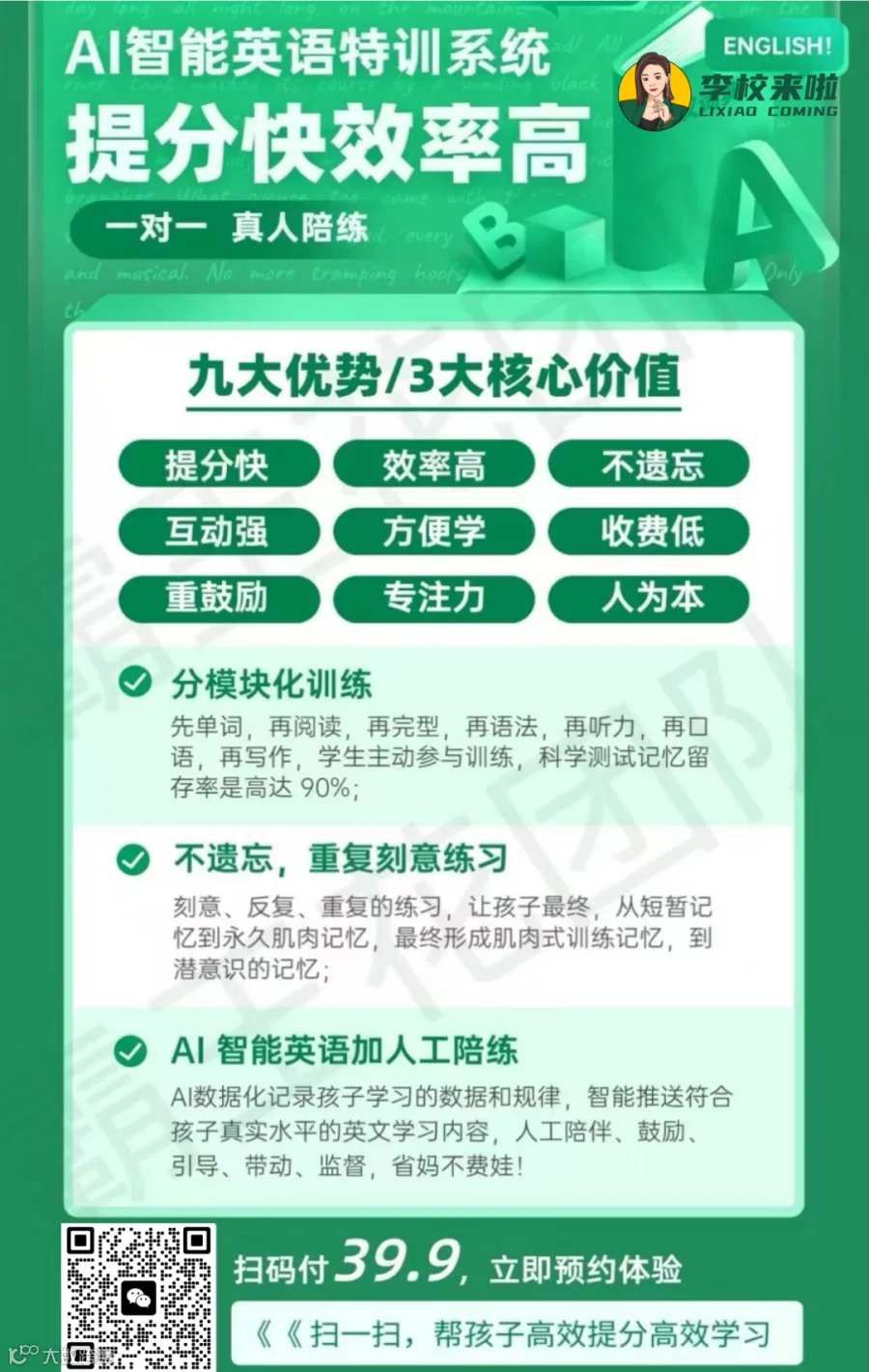
如果看了以上单词本,咱们家娃儿还是无法高效的记单词,请用下我们的李校来啦智能英语一对一,有真人陪伴,有数字系统,通过5大技术的促进,让孩子记得又快有准。以下是我们39.9的体验课的具体内容,请详细看具体内容
(1)一对一词汇量测试
(2)一次40-60分钟一对一单词训练
(3)3次一对一抗遗忘复习
(4)一套私人定制英语提分方案
适合对象:
小学、初中、高中、大学各阶段学生,尤其助力中考、高考、大学英语四六级,甚至雅思托福。扫码预约体验一次,就知道效果佳!最关键不费妈!
亲爱的读者:
由于公众号规则改变,现在不设星标=没关注,会迷路哦~
所以请你一定关注+星⭐标,才能看到更新推送
星标路径:戳👇关注我,右上角菜单栏“...”,再点击“设为星标”即可
点个【赞+在看】,一起发家致富!

本公众号发布的所有内容,包括但不限于文字、图片、音频、视频、图表、标志、标识、广告、商标、商号、域名、软件、程序等,除特别标明外,仅用于宣传即邀约,不构成任何合同约定,同时我司对宣传资料保留修改的权利,敬请留意最新资料。
本文部分素材来源于网络,其著作权归原作者所有;如原作者表明其身份要求本公司停止使用该素材,我司将立即删除。
我司保有最终解释权。