
▌威盛在台湾举办儿童无人驾驶创作套装活动
VIA Hosts Autonomous Car Kit Event for Kids in Taiwan
继2018年在大陆成功推出创造栗无人驾驶创作套装后,威盛在春节假期前,首次将创作套装引入台湾的小学生课堂,并带领孩子们学习如何编程属于他们自己的无人驾驶智能车。这款套装的灵感来自于威盛创造栗团队的软件工程师Vincent Chen,他在两年前参加过在北京举办的中国儿童青少年威盛计算机表演赛后,意识到人工智能技术在主流教育中的潜力,而且目前也正被中国各地的学校所采用。
Following its successful launch in China in 2018, VIA introduced the VIA AI Learner Kit for the first time to a classroom of elementary-school students in Taiwan eager to learn how to program their very own robotic car just before the Lunar New Year holiday. The kit was inspired by VIA software engineer Vincent Chen, who realized the potential for AI technology in mainstream education after attending the China Children’s Computer Competition in Beijing two years ago, and is now being adopted by schools throughout China.
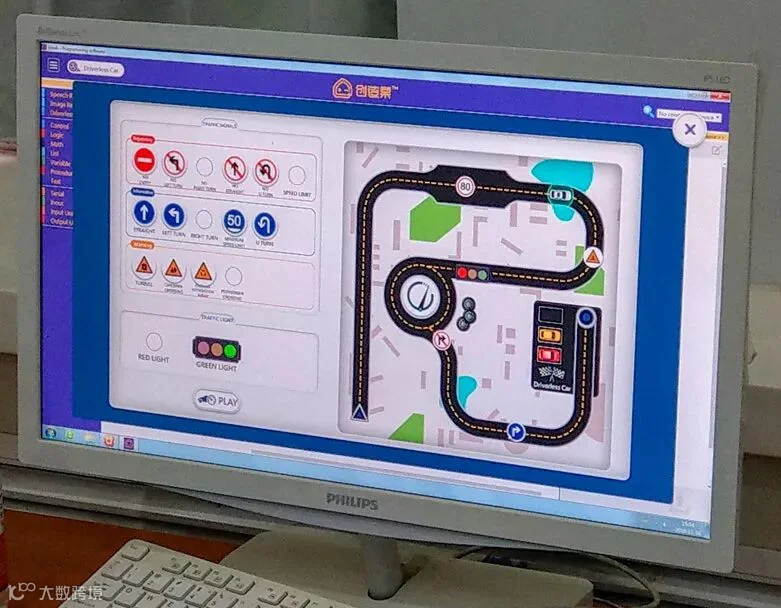
威盛无人驾驶创作套装是一个高度集成的硬件和软件套装,使学生能够学习如何构建和编程设计无人驾驶智能车。其关键组件包括Arduino兼容主控板、无人驾驶扩展板、摄像头、电池、传感器和底盘,以及一款方便实用的软件程序,让学生可以通过程序命令来启动智能车、设置速度限制,以及在摄像头检测到停止标志、警告标志、交通信号灯或转弯时,来定义相应的操作。此外,套装还提供了培训手册和供无人驾驶智能车行驶的赛道地图。
The VIA AI Learner Kit is a highly-integrated hardware and software package that enables students to learn how to build and program a self-driving car. Its key components include an Arduino-compatible controller board, autonomous driving expansion board, camera, battery, sensors, and chassis, as well as a user-friendly software program that enables students program commands to activate the car, set its speed limits, and define the appropriate actions when the camera detects a stop sign, warning sign, traffic lights, or turning. A training manual is also provided plus a track for the car to drive around.
▌威盛创造栗无人驾驶创作套装活动实况
The VIA Autonomous Car Kit Event

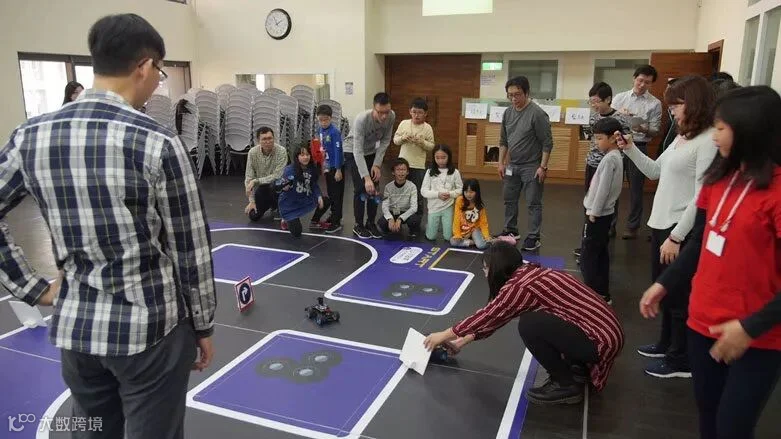
活动持续了五天,在此期间,学生们通过一步一步的过程来学习组装智能车,对智能车进行编程,并编写安装轨道的模拟程序,然后将其上传到无人驾驶智能车。最后,让他们通过在赛道上运行智能车,来测试他们编程的准确性。
The event took place over a period of five days during which the students were taught by a step-by-step process to assemble the car, program it, and write a simulation program of the track we had installed in the classroom and upload it onto the vehicle. Finally it was time for them to test out the accuracy of their programming by running the car on the track itself.
第一天,进行分组以及介绍和设置软件。同时,使用Google Blockly,让学生们尝试编写代码。然后引入硬件,让孩子们学习组装智能车的物理组件。
The first day entailed organizing the classroom into teams, as well as introducing and setting up the software. Using Google Blockly, the students were given the chance to experiment with writing code. They were then introduced to the hardware where they learned to assemble the physical components of the vehicle.
第二天和第三天需要对智能车进行程序设计。包括教它识别常见的道路标志,并设置在遇到道路标志时,应该采取相应的行动,比如减速、停止和改变方向。
Day two and three entailed programming the vehicle. This consisted of teaching it to recognize common road signs and setting the appropriate actions it should take when encountering them such as slowing down, coming to a stop, and changing direction.
第四天包括完成智能车的组装,将赛道地图放在地板上,并进行几次试跑后,改善智能车对赛道的处理和性能。完成这些任务后,学生们也就等于为最后一天的比赛做好了准备。
Day four consisted of completing the assembly of the car, placing race-tracks onto the floor, and carrying out a few test runs to improve the car’s handling and performance around the track. With these tasks completed, the students were almost ready for the competition on the final day.
活动的第五天以最后的试跑开始,学生有机会修复任何剩余错误的程序,在最后一分钟内进行调试改动,以提高智能车的性能。随着学生们从计算机的调整转换到赛道的调整,大家对最终的效果都越来越期待,越来越兴奋。
The fifth day of the event started off with a final test-run, giving the students a last chance to fix any remaining software bugs and make any last-minute alterations to improve the vehicle’s performance. With the students jumping from their computers to the track making adjustments, the anticipation was growing and so was the excitement to see the end result. One race-track, seven robotic cars, and a classroom full of eager students.
▌赛道识别
Wheels Meet Track
无人驾驶智能车终于准备好了,每个团队都一个接一个地展示他们的智能车。其中,有些智能车对交通标志做出了完美的反应,并保持在赛道中行驶,而有些智能车的运行并不像计划中的那样顺畅。当每个人看到自己的智能车表现如何时,气氛都会瞬间在大声欢呼和紧张、沉默中转移。每次失败都会引起笑声,每次成功都会赢得大家的赞美。每个人都不知道下一步会发生什么状况,所以更加提高了学生们和工程师在竞争中的沉浸感。
The cars were finally ready to go on the tracks. One by one, each team were given the chance to showcase their robot’s talent. Some robots responded perfectly to the traffic signs and kept in line with the track, while others didn’t run quite as smoothly as planned. The atmosphere shifted between loud cheers to tense silences, as everyone watched to see how well their robot was going to perform. With every failure evoking laughter, every success evoking everyone’s praise, and the intense uncertainty halting everyone’s next move, it was great to see how immersed both the students and engineers had become in the competition.
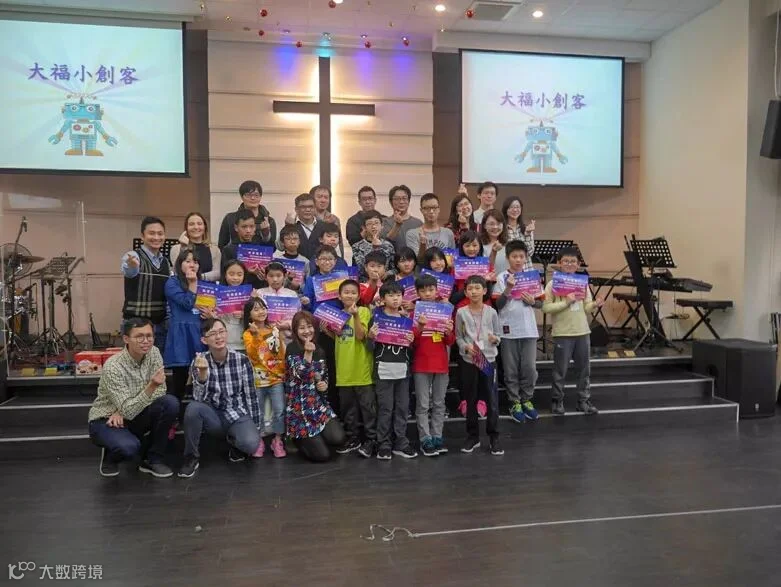
比赛结束后,紧张的局势有所缓解,也就到了颁奖典礼的时候了。每位学生都分别获得了证书和小奖品,前三名学生获得了威盛创造栗无人驾驶创作套装。随后,本次威盛无人驾驶创作套装活动,在大家的合照和披萨派对后正式结束。
After the competition was over and the tensions eased, it was time for the awards ceremony. Every student was awarded a certificate and small prize, with the top three students receiving VIA AI Learner Kit . After a big classroom photograph and a pizza party, the VIA Autonomous Car Kit Event came to an end.
▌采访Vincent Chen
Interview with Vincent Chen
活动结束后,我们有幸接触到活动的组织者Vincent Chen,并向他提出了几个简单的问题。当被问到为什么他认为孩子在这个年龄学习编程很重要时,他回答说:“编程可以帮助孩子们以多种方式思考,并做出理性的决定。由于人工智能技术的潜力,它在今天的教育中是非常有益的。“
After the event, we were able to catch with the event’s organizer, Vincent Chen, and ask him a couple of quick questions. When asked why he thinks it’s important for children to learn about programming at this age, he responded: “Programming helps children to think in many ways and make rational decisions. It is beneficial in education today because of the potential in AI technologies.”
对于创造栗无人驾驶创作套装在未来的发展,他说:“我们正在寻找机会开发更多的平台,比如威盛创造栗无人驾驶创作套装,就是以促进学校的STEM教育,并开发更直观、更具吸引力的软件,帮助孩子们对未来的挑战做好更充足的准备。“
As to where he sees the VIA AI Learning Kit going in the future, he said: “We are looking for opportunities to develop more platforms like the VIA AI Learner Kit to boost STEM education in schools and create software which is more intuitive and engaging for children to help them prepare for the challenges of the modern world.”
总的来说,这次活动让学生真正体会到作为一名微型工程师的体验。从团队成员彼此间的合作,到与高级工程师一起解决问题,鼓励学生在解决AI技术问题时开展协作。人工智能作为无人驾驶智能车的前沿技术,已经成为热门话题,它提供了一种很好的方式,让学生在一个有趣、身临其境的工作坊中,亲身体验这项技术,这不仅教会他们如何建造和编程自己的智能车,还有如何在获得乐趣的同时,弥补专业和直观学习的差距。
Overall, the event gave the students a real taste of working together as miniature engineers. From working with each other as team members to solving issues and fixing them with the senior engineers, it encouraged students to work collaboratively in tackling AI technology. With AI at the forefront of innovation and autonomous vehicles dominating the headlines, it provided a great way to give students hands-on experience with the technology in a a fun and immersive workshop, which not only taught them how to build and program their own car, but also how to have fun at the same time– bridging the gap between academic and intuitive learning.
我们计划在2019年第二季度,向全球市场推出威盛创造栗无人驾驶创作套装。如果您想了解更多有关该套装的信息,请联系我们,我们非常愿意倾听您的看法。
We are planning introduce the VIA Edge AI Learner Kit into global markets Q2 of 2019. Please contact us if you would like to learn more about the kits. We would be very interested to hear your thoughts on this initiative.
您可以选择在后台跟我们取得联系,也可以点击阅读原文,留下您想要咨询的相关信息,谢谢!

3.创造栗 | 国际竞争力排名第一的人大附中是如何开展人工智能课程的?
4.创造栗携无人驾驶智能车亮相“2018全国青少年创客教育论坛”
5.创造栗 x SmartShow2018国际智慧教育展览会,一场不容错过的AI教育盛宴
6.【创造栗 x 公开课】北京中学人工智能课堂上,都讲了什么?
7.威盛人工智能研究中心教学研讨活动——无人驾驶实践教程论证会,圆满成功!
11.2018“校园好方案”优秀案例,杭州市胜利小学STEAM结合人工智能AI时间和探索
12.威盛集团与中国电子学会就青少年人工智能科普发展达成战略合作