



Every sailor who spends enough time on the water will encounter some nasty weather at some point in his or her sailing career. Sometimes it’s unavoidable, but most of the time, with a little planning, it is avoidable. Nowadays, you can check weather forecast information through many channels. However, some valuable old wisdom can help a lot to detect the weather changes in real time.
Basics
of the weather

Land heats up and cools down faster than water. As the sun rises and heats the ground during the day, hot air begins to rise. The cooler sea air rushes in to fill its place and creates what sailors refer to as the sea breeze. With the absence of other weather patterns, this heating and cooling effect forms a predictable wind pattern to most local coastal regions. This also explains why calm mornings often turn into windy afternoons.

Fronts bring with them turbulent weather, and sailors should take note of fronts. Cold fronts (indicated by blue lines with triangles on the weather map) tend to bring more severe weather than warm fronts. As a cold front moves in, the cold air is heavier and denser than warm air, pushing the warm air up higher into the atmosphere. As the warm air rises, it cools down quickly and can form ice crystals and water.
As the heavy ice and water molecules fall back to earth, they create static electricity which can lead to thunderstorms and heavy wind. In the northern hemisphere, these fronts move from west to east. As the front reaches the coast, the heavy wind will generally kick up from the south or southeast preceding the front. As the front passes, the wind will clock around to the northwest in what is called a clearing wind, typically bringing with it clear skies and good conditions.

Applying the basics that we know about the weather, we can better understand some of the sayings that old salts like to throw around:
|
Red sky at night, sailor’s delight; Red sky in the morning, sailors take warning. |
When watching the sunset in the evening (while presumably looking west – which is where the sun sets most nights), you may notice a red glow in the sky. This can be caused by a high-pressure system (think heat) moving dry air and dust particles with it, causing the evening sky to turn red.

Since we already know that these patterns move from west to east, it’s a fair assumption to make that the high-pressure system is heading toward you. These systems tend to bring good winds for sailing with few storms. Hence the sailors delight.
If, on the other hand, you notice the red sky to the east in the morning (where on most good days the sun will be rising), it means that the warm front has already passed you, and on the tails of the warm front will most likely come a cold front to fill its place. Cold fronts bring with them rain, wind, and thunderstorms.
|
Rainbow in the morning, need for a warning |

When you see a rainbow in the morning, off to the west, with the rising sun behind it, you know there is moisture to the west. Since weather patterns move from west to east, the humidity is coming your way. On the other hand, if you spot that beautiful rainbow in the east in the evening, then you know that the rain has pasted you and the following day has a strong chance of being a good one.
|
Circle around the moon, rain or snow soon. |
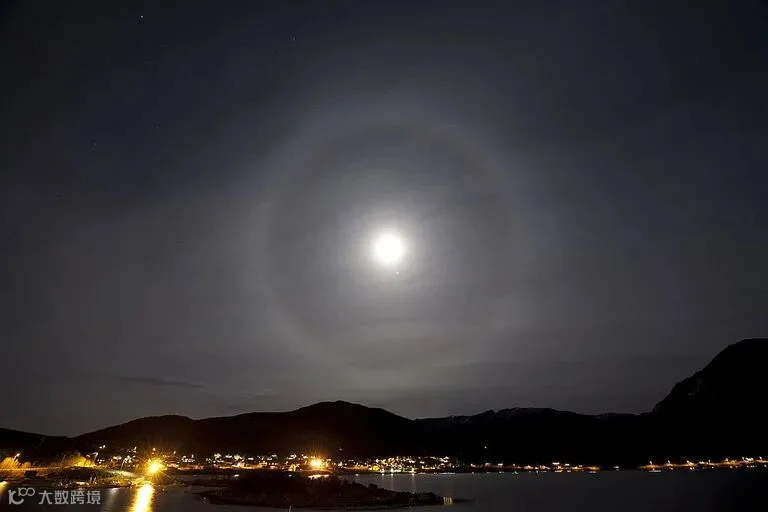
A ring around the moon is from dust particles that have been pushed up from a warm front. On the heels of that warm front often comes a cold front, meaning that rain may be on its way in the next few days. If the moon is bright and crisp, then the low-pressure system has already moved the high-pressure system out of the way and rain will follow soon.
|
Animals and plants know the weather |
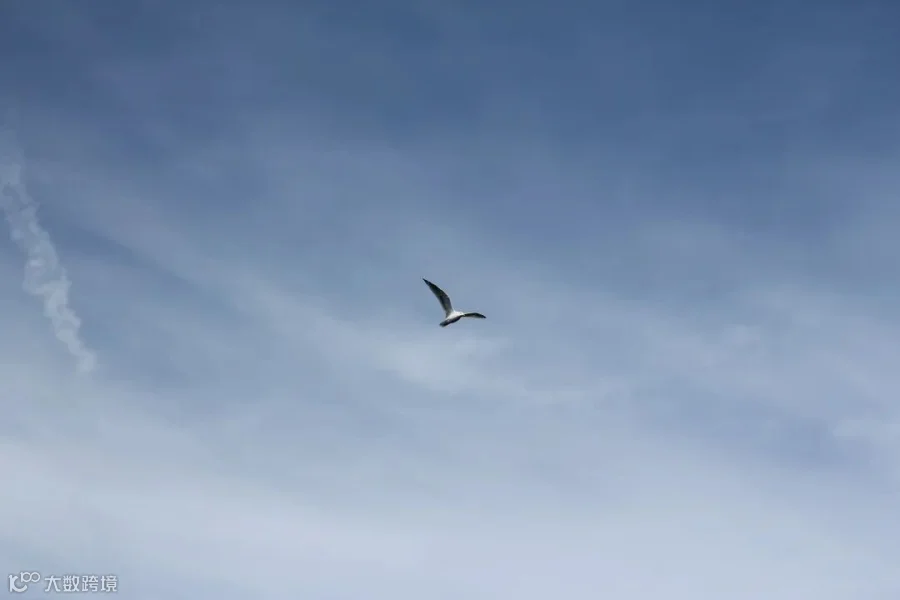
Animals and plants are very attuned to weather systems. Just before a low-pressure system approaches, plants release waste that often creates a smell similar to compost. Birds also respond to weather changes. Falling pressure drives birds to fly lower, and eventually take refuge. If you note birds flying high in the sky, it’s fairly safe to assume fair weather is at play.
Conclusion
These are just a few of the tricks that sailors can use to help gauge the weather. And remember, weather forecast may make mistakes but your eyes and experiences hardly lie to you.





REVIEWS


