


For those who haven't encountered this term before - draft (or draught) is the distance between the water surface and the deepest point of the boat underwater. So practically speaking, the value of draft is equal to the minimum water depth required for smooth floating. Go any shallower and you will scrape your boat's bottom.

But depending on whether the sea bed consists of sand, seaweed or rocks, you can either get beached and become immobile, or your propellers might get tangled in whatever is down there, or you can pierce a hole into your boat.

Boat repairs are expensive, even if you got lucky and just scraped the surface. Getting towed to a safe depth can also be expensive and dangerous to your boat. Simply put, not respecting your draft can put a dent in your pocket and turn a nice cruise into a logistical nightmare.
Sailboat Cruisers
Draft of 4 to 7 Feet (1,2 to 2,4m)

This is the kind of boat you will most likely find yourself on if you go on your typical cruise. A classical sailboat, some 30 to 50 feet long. Its draft will probably be between 4 and 7 feet. The reason this category has a rather deep draft is because of its keel. While the keel is a necessary component of a sailboat and makes your life much easier and your boat much more stable, the price you pay is that there is a long piece of steel below the boat's belly. A piece of steel you gotta be mindful of when you get close to the shore. But by no means take these numbers for granted. See this as a rough guide and check for the specific draft of the boat you are on.
Daysailers
Draft of 3 to 5 Feet (1 to 1,8m)

Daysailer's draft tend to be smaller than that of cruisers because daysailers are smaller, usually 14 to 20 ft long.The good thing about these smaller boats is that they often have a retractable keel. So while sailing, you enjoy all the stabilizing benefits of having a keel, and when it is time to dock, you pull the keel up and the draft reduces, from several feet to several inches.
Catamarans
Draft of 2 to 4 Feet (0,6 to 1,4m)
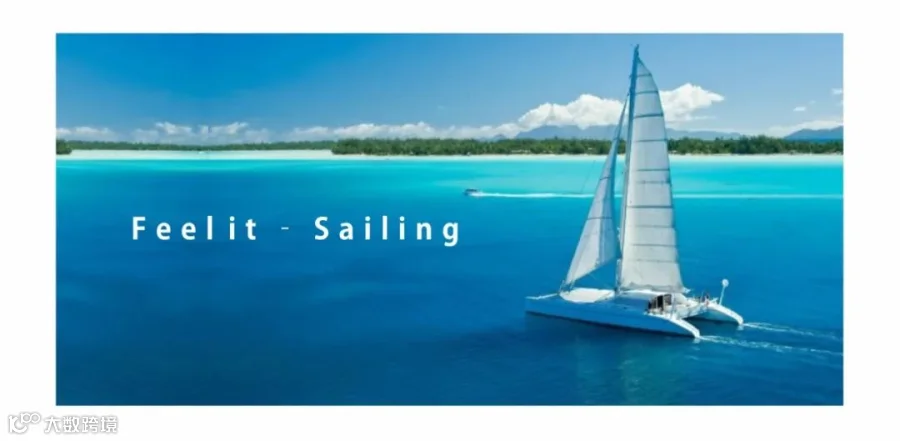
To compare apples to apples, we are talking about similarly sized cats as the aforementioned cruisers here. The reason the draft is smaller than that of cruisers is that since cats are more stable by nature, and also because they have two keels, they can afford to have them smaller. Also, because of their two hulls and the subsequent higher buoyancy, they tend to cut into the water less.
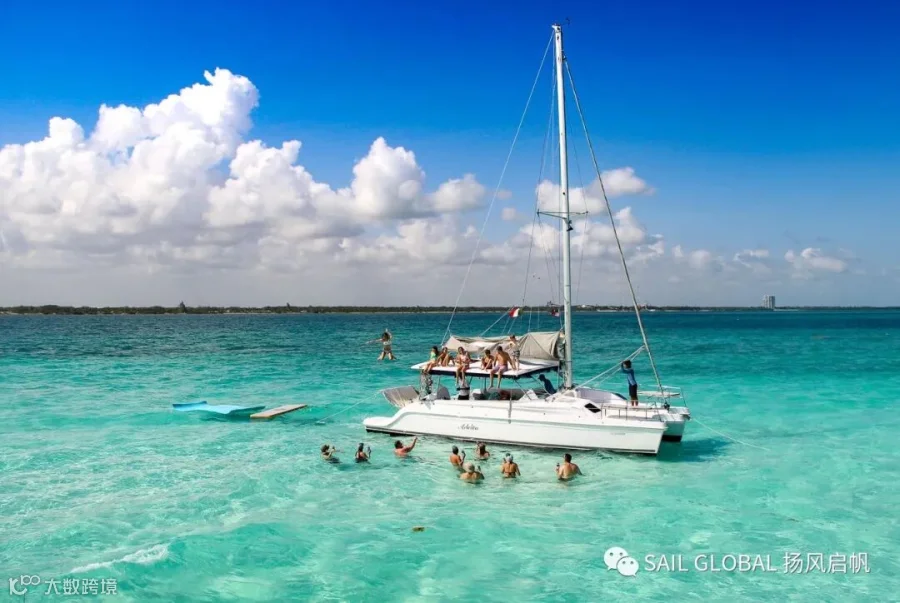
This generally makes it possible to voyage into shallower waters with them than with a monohull of the same size. But as mentioned before, make sure you know the specific draft of your boat before untying the ropes that lock your boat to the pier since on a cat, you will be scraping two bottoms, not just one.
Motor Yacht Cruisers
1 to 4 Feet (0,3 to 1,3m)

The reason you are seeing an even lower number here is that motor yachts don't have keels. They don't technically need them. But be extra careful with these though, scraping paint off of your keel is safer than piercing a hole directly through your hull.
Dinghy
Just a Few Inches of Draft
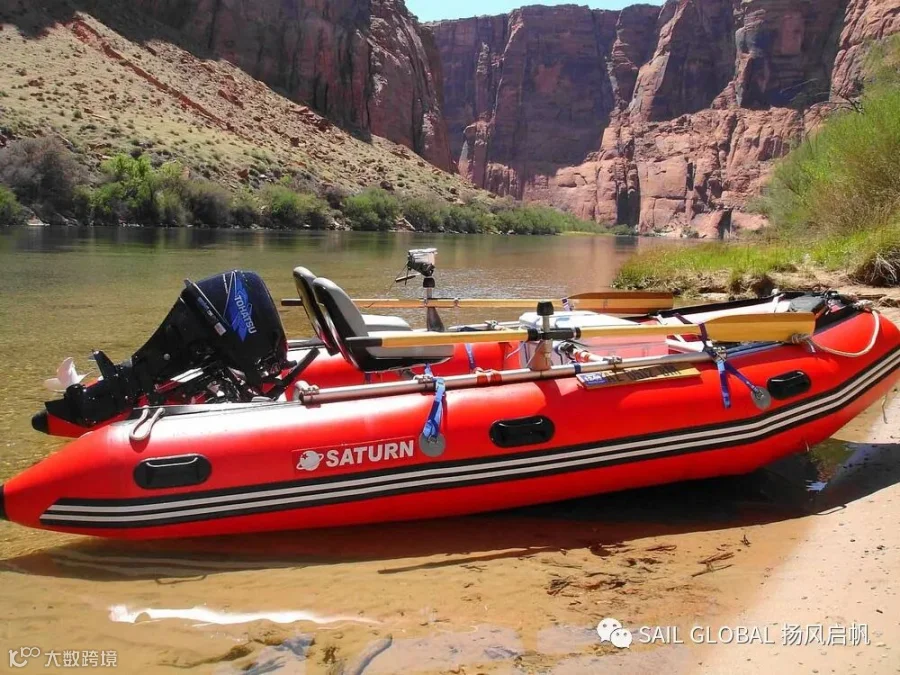
A dinghy is your best friend when it comes to getting around shallow spots. That's why when you anchor in a nice bay for the night, you drop your dinghy on water and use that to get to the shore. Not only is their draft just a few inches deep, they are light and their bottoms are made to withstand all kinds of abuse. So driving your dinghy full speed onto a beach is still relatively safe.
Tips for Shallow Water Sailing

One of the most enjoyable aspects of boating in the shallows is discovering places where few people go. It is also tempting to anchor your boat on a secluded beach.

knowing tidal cycles is vital so that you know what to do if you run aground and become stuck. You could be able to take a step back, or you might want to go out and push. However, if you are aware that the tide is rising, you can remain calm until the water level rises sufficiently to lift you free. If, on the other hand, you are aware that the tide is falling, you have to get off it quickly before the situation worsens.
Sandy shoals are apparent in the sea, whereas channels and deeper waters appear dark. Color differences, on the other hand, might be deceiving; dark-looking weedbeds, for example, maybe shallower than the surrounding waters. So, it’s usually best to avoid any significant color changes, in order to stay in the same depth range. Keep a lookout for waves that consistently break in the same area, indicating bars that are shallower than their surroundings.
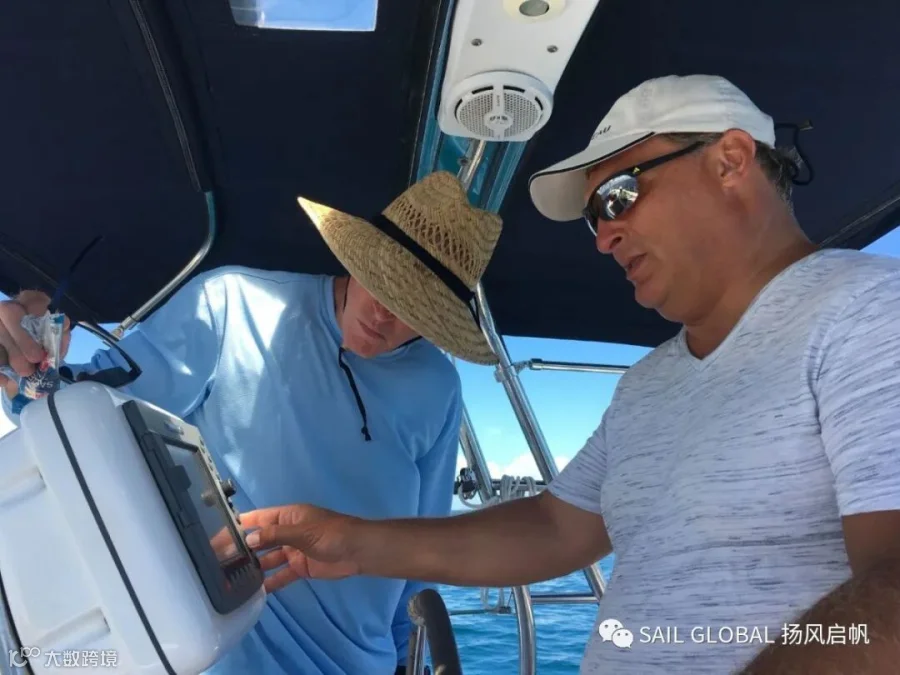
Make sure you know your draft before you set sail, as previously advised. The value is normally written down somewhere in the cockpit where you can see it while driving. To provide some safety cushion, add a value that you are comfortable with, and then compare it to what your depth meter says. Remember that the depth is normally measured from the hull’s bottom, not the keel’s deepest point. If you’re aboard a sailboat, don’t forget to include the keel size. Consult your maps if you don’t have a depth meter. They will most likely be less thorough, but they will provide you with the information you require. And when you have done all these you should continue to be careful and check the depths and the ability of your boat to go there.
The Bottom Line
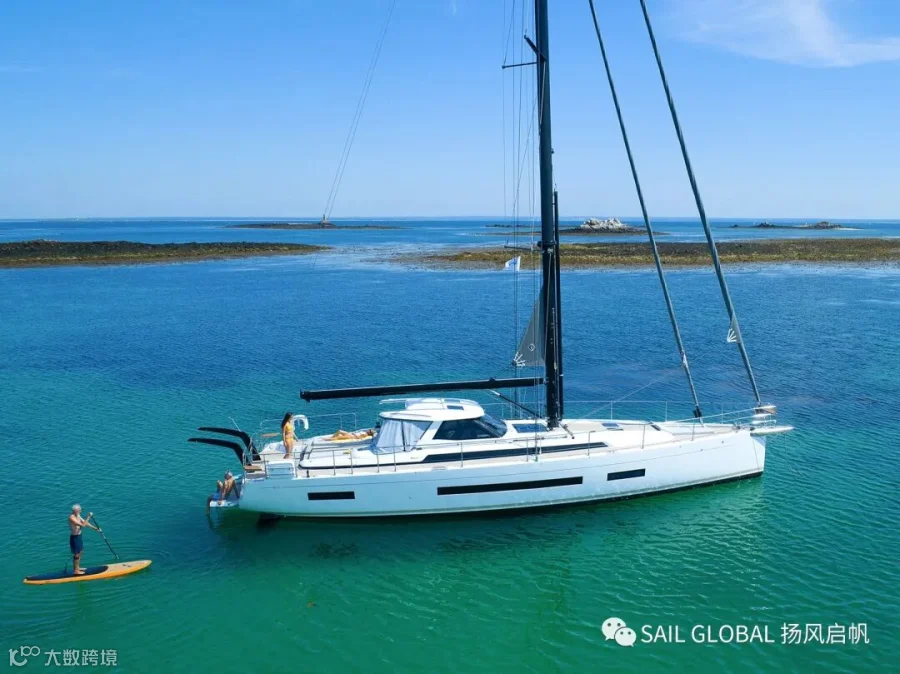
Some people have to learn the hard way in order to acquire better skills. But, that is not something you want to do in shallow water with boats. You could become extremely trapped, possibly destroying your boat and/or the motor if it has one. Instead, you should pay attention to all aforementioned when sailing in shallow waters. If you feel the water is really shallow, know your boat, know the water, test the depths, keep an eye on the weight in the boat, and consider removing the motor out of the water and paddling instead. It will not only improve the quality of your time on the water, but it will also save you hundreds, if not thousands, of dollars in boat repairs in the long term. If you don’t need to go into shallow water, staying away from those locations is a better option.




REVIEWS


