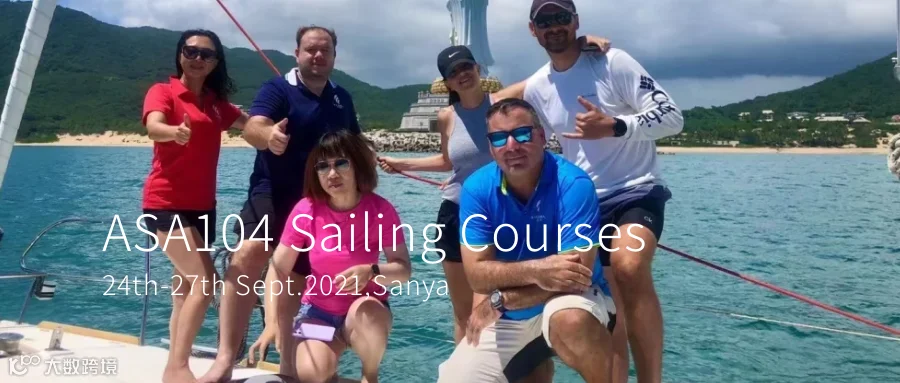
Winter is coming! Or at least it is at the northern sailing destinations. As the days become shorter and the temperatures drop, some may turn their attention to other activities. Just like anything in life, there are advantages and disadvantages to sailing in the off-season. You may love it or hate it. You could get super lucky and spend warm, sunny days in incredible spots with less crowd. Or you could face frozen cold wind and waves.

There is no way of telling how it will go, but you can be prepared for the off-season cruising life. Here are our tips for cold weather sailing.
Invest in warm & waterproof clothes
If you’re going to sail in fairly cold weather, suitable clothing is essential to keep you warm and dry. It is one thing to stay dry, but if you don’t have the right layers to keep you warm, you will also be miserable. Keep in mind that the cold air over the water can feel a lot different from the cold air over land because the excess moisture in the air makes it harder to escape the cold. Ideally, you’ll want to dress in thin layers, which allow you to retain warm air around your body and to move easily. Think of base and mid-layers in merino wool and fleece. You can get a pair of sailing salopettes and a jacket, of course. However, they can be super expensive.

A good alternative is to invest in good-quality waterproof hiking gear or fisherman oilskins. Condensation will form on your clothes and hair, especially at night. Sure, any of these solutions will cost money – there’s no denying it. But think about how uncomfortable it is to sit in the cockpit for hours on end feeling cold and wet.
Don’t forget to take insulate gloves, neck/face guard and sunglasses. If the air temps are low as well, the bite of the cold wind combined with the moisture can easily lead to frost bite on any exposed skin.
Disposable warmers
You can grab disposable hand warmers at your local hardware or sporting goods stores. The toe warmers are ideal because they have a sticky back on them. This allows you to stick them in other areas, like your neck and chest, but don’t ever stick them directly to your skin. Instead, put them inside a neck gaiter or stick them to your shirt. Other eco-friendly options for reusable warmers include a safe burning fuel stick from Zippo, USB chargeable heat packs, and a chemical reaction from EZ Heat that magically warms a gel pack. Follow the guidelines of each and they’ll help keep you warm.
Drink warm liquids
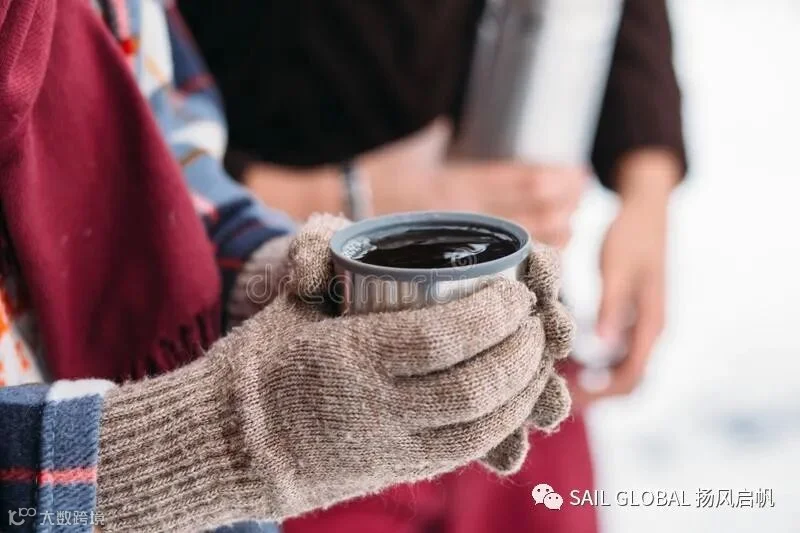
Lots of warm beverages are good. Even if you’re not a coffee drinker, there are plenty of other options that are easy to make on the water. Grab a thermos and fill it with a hot beverage of your choice. If you’re on the boat overnight, cuddle up with a Nalgene full of hot water in your sleeping bag or under the covers (just make sure it’s closed tightly!).
Stay active
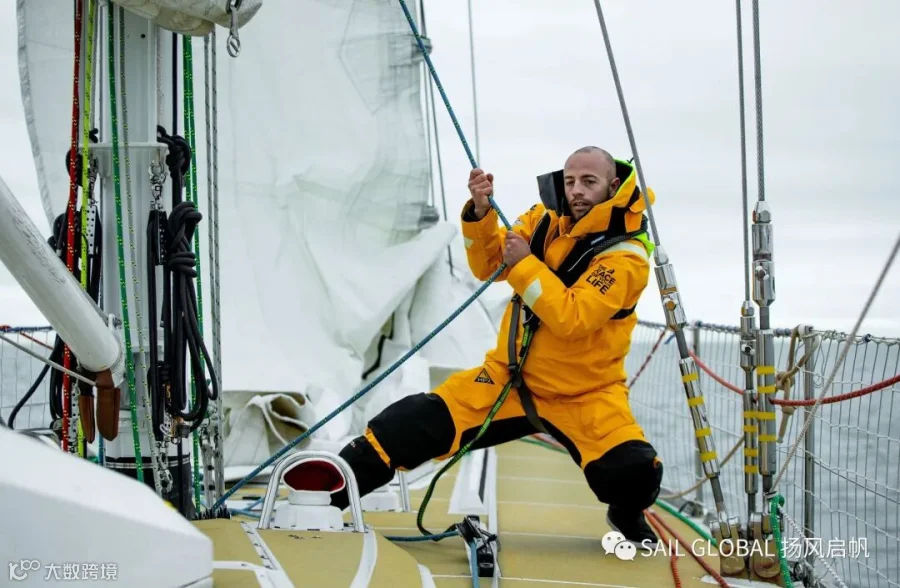
Whether you are cruising or racing, if you stay involved in the sailing and/or racing of the boat, it will help keep you warm. Most times you get cold when you’re sitting around and not exerting any energy. Help your body stay warm by keeping your blood flowing. Luckily, in our sport you can always strive harder to make a boat go faster.
Avoid eat large meals
Eat a lot of little snacks. A big meal takes more energy to digest, and this will make you colder. Keep your energy levels high with small snacks that are high in protein and are digested more slowly. Stuff an extra bar in your pocket and earn crew bonus points if you bring one up from the galley for the others on the rail.
If you have to pee, then pee. Your body uses energy to keep the liquid in your bladder warm. Go when you have the urge, and it will help you stay warm.
Boats need special attention
Cold weather isn’t just harsh on humans. Boats require extra care in the winter months as well.
Then there are the lines:
Keep both the fuel tank and water tank topped off in winter
An engine may need antifreeze
Starting that engine in the cold will use more battery power than normal
Keeping boats dry is a priority when it’s cold out
Condensation can be a problem in a boat’s cabin in winter and will need to be addressed
Nobody wants to sit on a cold wet seat in winter, so cockpit cushions need to be brought inside.
Bring an experienced skipper on board
With the unique challenges and extra safety precautions that come with sailing in winter, it’s understandable for even a seasoned sailor to feel more comfortable with a professional captain on board.

An expert skipper will know all the critical boat safety tips for sailing in cold weather and can help ensure that your winter boat holiday is comfortable, enjoyable, and unforgettable. Ready to plan your winter sailing? SAIL GLOBAL tutoring and charter are always at your service.


REVIEWS