


What are the most common causes of accidents? It’s not technical failures or a sudden change in weather that sailors should fear the most. In fact, according to many estimates, human factors cause up to 78% of all accidents.
These estimates suggest that technical defects cause only about 20% of accidents (counting predictable or hidden defects) with a negligible 2% being caused by unexpected external influences (tornado, earthquake, collision with a container, tree etc).
A large proportion of accidents at sea are due to human error. That's why many of them are easily avoided. The most common causes are even underestimated by many experienced sailors. Can you find your stories among them?
01
Over reliance
on GPS and map plotters
Many sailors increasingly rely on modern yachting equipment. However, blind trust in navigation technology can often result in you ending up on a reef.

Small rocks and reefs are only visible when the plotter is zoomed in close, whilst on a paper map they can be seen immediately. So when the captain doesn't zoom in, he might not even see the rocks at all. This can happen to even the most seasoned sailors.
02
Alcohol
Alcohol reduces attention and clouds judgment. Fortunately, it usually leads to less serious damage and usually in the harbour - the most common form being a scratched hull when docking. However, alcohol can also lead to more fatal accidents and falling overboard (it’s important to remember that 58% of reported MOBs end in death).

03
Feeling irreplaceable
This is mainly an issue for more experienced sailors. Under demanding meteorological conditions or longer cruises with a less experienced crew, the captain tries to remain awake all the time, preferably at the helm, and manage everything. This leads to a state of chronic fatigue and reduced decision-making ability and subsequent accidents.

The ship's captain must be the one who is in the best condition. They must give confidence to the crew and at the same time take into account their inexperience or possible sea sickness.
As long as the crew is able to function, they have to make a significant contribution to managing the boat, and the captain must be kept in the best possible condition in order to get going in a situation where no one else can.
04
Underestimating danger
Accidents can happen easily if the captain evaluates an anchorage as safe when in reality it was done incorrectly. As a result the anchor does not actually hold, the wind shifts, and because there is no one on patrol, the boat can run aground or hit a rock.

A typical problem is also lack of information about berths, such as in city ports where the ferries frequently turn around. While turning, a ferry can produce such huge waves in the port that the ship’s stern can hit the pier, causing severe damage. This is typical, for example, of the city harbour of Vis, where accidents like this happen again and again.
When anchoring in city ports, the bottom of the rudder is sometimes damaged due to the shallow depth near the shore, as the water level drops during the night and at low tide.
05
Underestimating
the weather
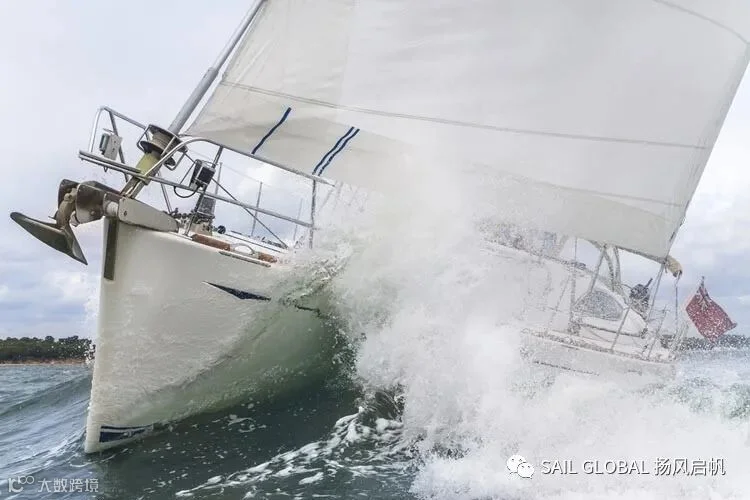
A number of critical situations which wouldn't normally occur are due to insufficient or even a complete lack of weather analysis. Route planning doesn't stop when sailing, watch the forecast for several days in advance, anticipate and have a plan ready. If you have a route planned and the weather forecast doesn't allow for it, just change it.
06
Reevaluate
your own abilities
Often it’s novice sailors that tend to overestimate their own skill. With a barely-dry stamp on their license, they feel free to undertake a night crossing, sail into a stormy sea or a strong wind. At best, they will gain important experience, at worst, damage to the boat.
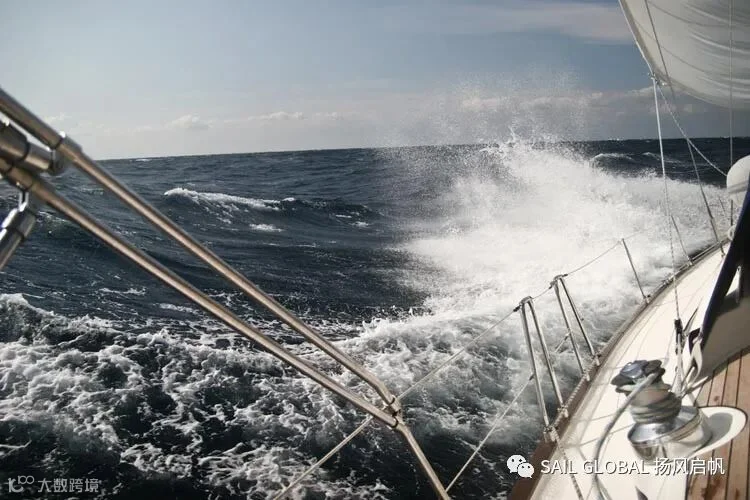
The less experienced yachtsman also relies too heavily on theory learned to the detriment of practice, or misinterprets the rules and overestimates their judgment. He cannot then effectively evaluate a relatively simple situation and so cannot effectively handle it or improvise.
For example, sailing relies on right of way, an inexperienced sailor might wait until the last moment until the other boat moves out the way, rather than choosing a more appropriate solution (change of course, sounding the horn) in time to prevent an accident. This is the most fundamental rule for moving (not only) at sea.
07
Chaos on deck
A number of accidents can be caused by mess up on deck. In an emergency, mess can make it difficult for us to sort the crisis out. Many a sailor has accidentally got their rope wound up on the propeller and this also happens fast - the rope slips quickly into the water as the boat travels. Hatches and chain shackles can also be left unsecured.

Accidents at sea do happen and it is good to try to understand their cause. It is through this knowledge that we can effectively prevent our own accidents or resolve the next crisis at sea. Deposit insurance will also help you with peace of mind.




REVIEWS


