


Do you like a challenge, or are you a fair-weather sailor? Wind speeds for different sailing styles may like following :
most comfortable sailing: 5 - 12 knots
absolute beginners: under 10 knots
for more serious training: 15 - 20 knots
for heavy offshore boats: 20 - 25 knots - anything under 12 and the boat doesn't even come to life
25 knots and up is considered rough for any small/mid-sized boat
The best wind speed for sailing is one that allows you to navigate the boat safely, within your abilities, while at the same time challenging you - without exceeding the hull speed of the boat (making the trip unnecessarily dangerous).
In all honesty: there is no ideal wind speed for everyone all the time. But there is one for you, for a particular moment. It depends on your skill level, boat type, your desires, location, and many other conditions. But if you know what you're after, a good range probably can be given you to work with.
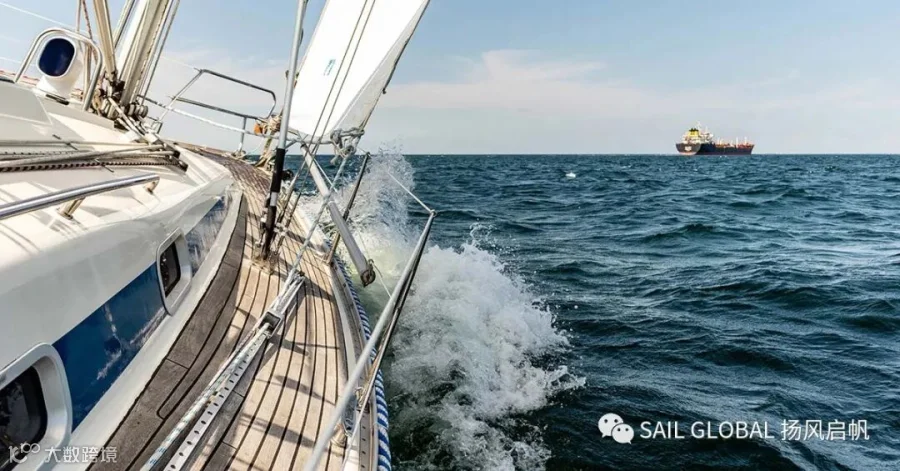
There are two ways to go at it.
One is to say you want to play it safe, and in any case, you want to avoid the risk of capsize at all cost. Try and find winds of under 10 knots. This will give you time to get to know your boat and get a feel for the handling.
The other is to say: train as you fight. If you want to be able to sail in all conditions, and not just 7-knots-sunny-beers-and-burgers kinda weather ... you should train in all conditions. As with anything in life, if you want to get skilled, you should expose yourself to some discomfort. Then 15 - 20 knots is a great opportunity for learning.
Easiest wind speed
It's tempting to say: the lower the better. But anyone who's ever tried to get into motion by using any type of sail, knows this is not the case. There should be wind. Sailing in light winds can be difficult and also a drag. However, it requires skill also to maneuver with little wind.

The easiest wind speed for sailing is anything from 7 - 10 knots. It's not fast enough to risk capsizing, but it's enough wind to allow for some interesting maneuvers.
Minimum wind speed
The minimum speed for sailing is about 5 knots. Anything under won't get you into motion (except for very small sailboats, such as sunfish). If you can't detect it on a gauge, it won't do much in your sails.

Sailing in light winds is a skill on its own. Most experienced sailors that have learned to rely on feel over the years tend to overreact to any impulses from the wind, losing speed.
If you do find yourself in very light winds, try not to oversteer and to overadjust. Let the sails catch wind and just hang back.
When is it too Windy?
First off: you shouldn't try to avoid bad weather, because it's you will run into it at one point - and that's the worst moment to figure out how to deal with all of it. Better to face it now willingly and be prepared.
So when should you definitely avoid getting out?
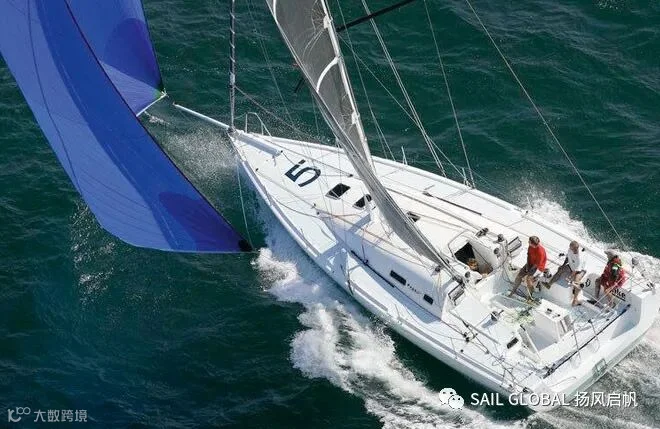
It's not so much about the wind speed, as the height of the waves you should look out for. Wind is easy to manage (simply reef down). As long as you have flat water, it's smooth sailing. The water can be great at 20 knots.
Mid-sized (26') boats start to heel a lot at about 23 knots, so that's when the ride can become uncomfortable. Small boats start to heel a lot sooner.
Also, check the manufacturers specifications of your boat. Every boat is designed with certain conditions in mind, and it will handle best in those conditions. Try to keep to the manufacturers recommendations as much as possible (the hull speed, for example).
Try Out Faster Wind Speeds
Okay, you're planning to go out with 20 knots. If you're feeling a bit uncertain, that's fine, and understandable. How to do it responsibly? Simply build it up slowly.
First by going out reefed down. Reefing is your friend. It takes off the edge. Do a couple of runs. If it feels alright, shake it out and go for it.
Top tip: reef the main sail before you go out. It's way easier than doing it in full winds.

It doesn't mean it's too windy when the wind speed requires you to reef down. Reefing is just another tactic to handle your boat comfortably. The need to reef over 15 knots is normal. Having too much sail is always uncomfortable, though many sailors are permanently overcanvassed.
Bigger Boat Take More?

Yes and no. It's not all about the size of your boat, the amount of sail is also important. Bigger boats usually have better rigging and systems for dealing with heavier wind. It makes sense: since they require more wind to get into motion, they should be able to handle more wind as well. But it's not true that small boats can't take high wind speeds.
Planning Your Trip
It's important to check the forecast before leaving for your trip. Keep in mind that any forecast predicts average wind speed. Wind gusts will be up to 40% faster, so take this into consideration.

Wave conditions are also an important part. You should know how your boat reacts to short and sharp waves against longer, flatter waves. If you sail offshore, take swell waves into account. Swell waves don't reach enclosed waters, but they do affect their entrances.
Beaufort wind scale
In planning your trip and checking the forecast you might encounter Beaufort wind force scale. It's used to express the speed of wind and is indicated in Force (F). Check its corresponding wind speed through our previous article



REVIEWS


