


A beautiful sailing resume will help you land sailing opportunities that you’re interested in. And those sailing trips also build up your resume in turn. Evaluating sailing resumes is the most efficient way for skippers or boat owner to select the best crew for an ocean race or offshore delivery beside sailing certificate .

So always think of your sailing resume from the perspective of it’s reader: a skipper or owner who is trying to decide if they want to trust you with an expensive boat they are responsible for. Your resume’s purpose is to provide evidence to support your capabilities. And you can follow a format like this:
01
Introduction

This is the toughest part of the resume to write because it has so many purposes. You want to address all of the skipper’s questions succinctly; it is very likely they’ll make their decision based solely on reading your introduction. Obviously this is a lot to address in a few sentences. Done races near their home port? Completed a passage aboard a similar boat? Experience transiting the body of water in question? Can you help the skipper check off a (safety, first aid, CPR, etc) requirement? You also want to come across personable and relatable so the skipper envisions you being a pleasant addition to the crew.
02
Body: Evidences
We started our resume with a strong introduction, which has been already miles ahead of the competitors. Most sailing resumes, especially those templated after workplace resumes, jump right into the supporting evidence and leave the skipper to piece together their qualifications and guess (often based on how they came across your resume) whether you’re the right crew for the job.
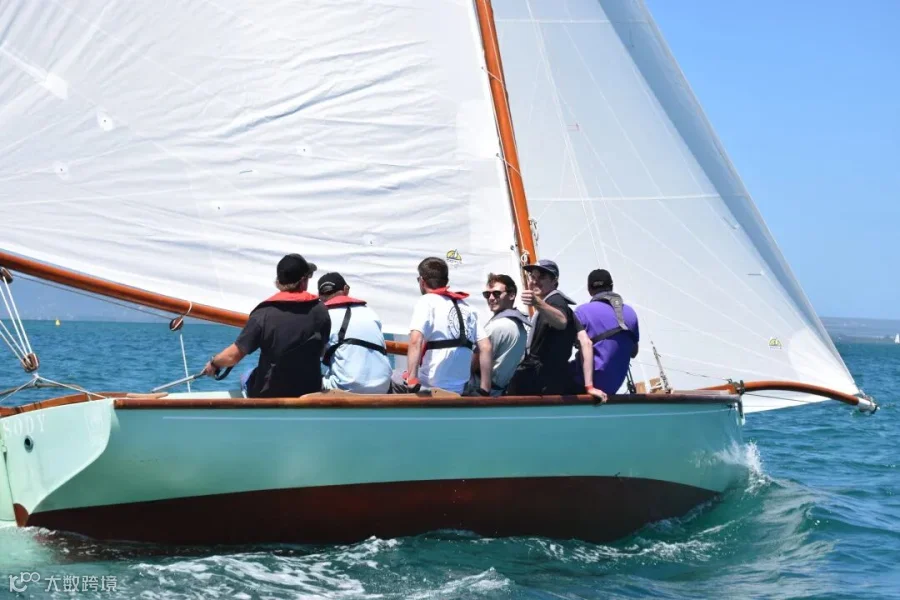
Our job in the body of our sailing resume is to support the statements made in the introduction and provide additional details about our sailing experience. Fill in the details of the sketch you provided in the introduction. There are lots of ways to do this but few tools will help a lot here.You can use any of these tools in any order you like.
01
Miles Table
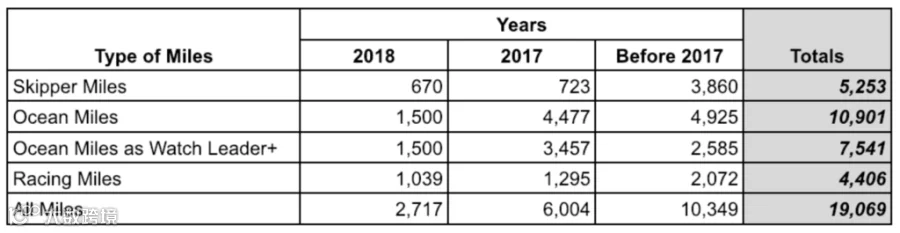
Miles table gives skippers a way to get a sense of your experience at a quick glance.
02
Credentials and Coursework

Simply list the credentials you have and courses you’ve completed that are relevant to sailing.
Including:
Licenses
Certifications
Instructor certifications
Sailing (and related) Seminars
Electrical, Mechanical and Systems courses/credentials
Sailing courses
First aid qualifications
Anything and everything that indicates you have skills to help out the boat and/or crew while out on the water should be included. If you think it gives you a leg up: include it. If you think it has a chance of checking a box for a skipper: include it.
03
Notable Experience
Here you can provide details of your sailing experience that support your introduction and fill in details about your sailing capabilities. But while you’re emphasizing impressive details don’t neglect the basics. Provide the following information for every experience listed:
Boat Type
Distance and/or Region Sailed
Origin and destination port suffice
Your role(s) aboard
Year(s)
As for what else about each experience to emphasize you know best what makes your sailing experiences interesting and educational. Encounter heavy weather? Sail shorthanded? Receive a “battlefield promotion”? Have crucial gear failures? Note the unique challenges about the experience.

You can fill your resume with links if you have more information on your experiences elsewhere on the internet. Or a link to an article about the challenges of a race you participated in. Adding links with more information really substantiates your experience for anyone really trying to dig in.
04
Race Results
If you’re primarily (only) looking for racing opportunities you can specialize the “Notable Experience” section for race results. You start out with the same required information and add on your place in the final standings along with your class information and the name/number of the boat you were on.

These usually come in table form because if you’re actively involved in racing there are lots of individual race results, regatta results and combined (“cup”, “bowl”, “series”, etc) results to record. Then you star* out anything else you want to add to the experiences.
03
Resume Length
If you keep your resume to one page you’re in a good place. You can go as long as two pages if you’ve got a lot of non-overlapping experience and you’re looking for a variety of opportunities. Or you can use the second page to make yourself more personable or interesting to the reader.
If you have a two page resume and you are sending it to someone for a specific opportunity you might take the time to cull it down to one page leaving in only the most relevant information to that opportunity.

With your strong introduction and adequate evidences to support, then you will get high chances win a spot for another sailing trip that will also be added to your resume nest time.




REVIEWS


