


Freshwater vs. Saltwater
When sailing on a freshwater lake, you'll not have to worry about corrosion. We all know that salt can cause corrosive damages to your boat and this may lead to several problems that may require regular maintenance on the sailboat.

Sailing in an ocean means that your sailboat will always be affected by various corrosive elements. Well, saltwater can permeate almost every component of your sailboat. From the canvas cover that is essential in protecting your vital boating equipment to the paint peel and every metal component of your sailboat like the hose clamp down to the smallest screw is susceptible to corrosive damage.
With that in mind, sailing in an ocean will mean that you're in constant fight against corrosion, especially if you want to keep your sailboat operational and looking good.
Differences in Boats
While sailing on a lake may pose a few problems to most boats, sailing on an ocean is much worse and requires careful and regular maintenance. In addition to corroding your boat 10 times faster than sailing on a lake, ocean sailing is rougher and requires a sailboat that's designed with a hull that can perfectly withstand the more intense conditions of the ocean.

Even though the size of the boat may not be a great factor when looking at the differences between sailing on a lake and an ocean, it can still be a vital thing to consider. A small sailboat can perfectly handle a lake but it can be a huge problem when sailing on an ocean. In terms of navigation and technology, boats that are meant for sailing on a lake have a less complicated system, equipment, and operational requirements. On the other hand, sailboats that are meant for sailing on the ocean may require advanced navigational systems and technology.
Weather Conditions

In terms of weather conditions, sailing on a lake offers more quiet and peaceful adventures than sailing on the ocean. You won't have to worry about the weather the same you would if you are going sailing on the ocean. Well, the ocean is known to bring large wind patterns and strong tidal currents that can make ocean sailing unique and quite challenging. Imagine having to deal with huge storm patterns, large wind waves, and being offshore and far away from the support station. This is not only an intimidating prospect but you'll be frightened by the thought that you might be caught in the middle of a devastating hurricane or tsunami.
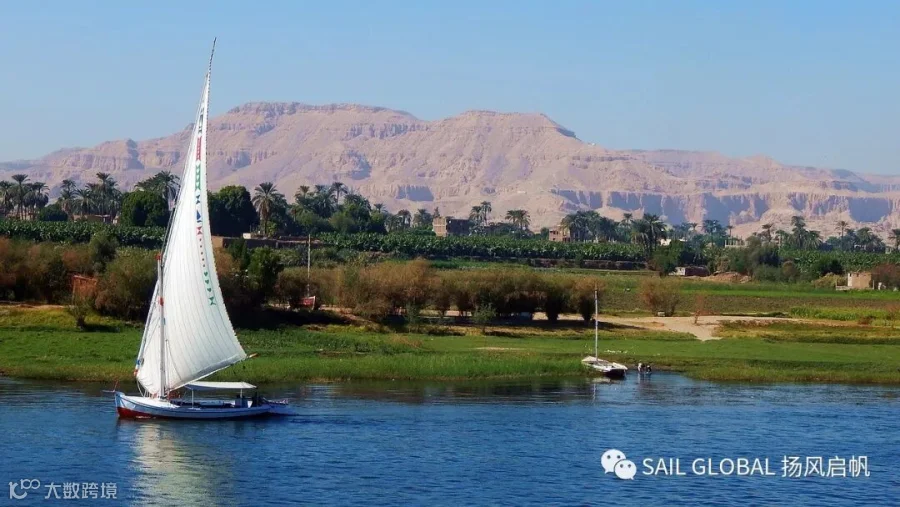
In short, the types of waves that you'll have to deal with in a lake may not be as big as the enormous waves that you might face in the ocean. While you may encounter some storms while sailing in a lake, they may not be as frightening and powerful as the ones you'll face in the ocean.
Maneuvering the Boat
Staying on your course and maneuvering in close quarters may be a lot easier and straightforward when sailing on a lake. This is because the waves are generally small and calm.

On the contrary, things may be quite different when sailing on an ocean since dealing with stiff crosscurrents and crosswind is a lot harder. This will require you to head into the waves at a slight angle and reduced speed, especially when the ocean waves are large and there are high winds. Needless to say, navigating the ocean winds and waves require more experience and skill than navigating the mild winds and calm waves of a lake. All in all, you have to maintain control of the sailboat, trim the sails accordingly, and avoid falling off a wave.

Keep in mind that sailing is always better on the ocean than on a lake since there's enough wind to propel the boat. Again, saltwater doesn't freeze easily as compared to freshwater and this allows you to sail throughout even during winter.
Safety Concerns
Safety is, without a doubt, one of your main priorities when sailing. But even with that, sailing in an ocean presents a lot of safety concerns than when sailing on a lake. It's a lot easier to be found and rescued should anything happen when sailing on a lake but things can be more complicated if there's a mishap when sailing on an ocean.
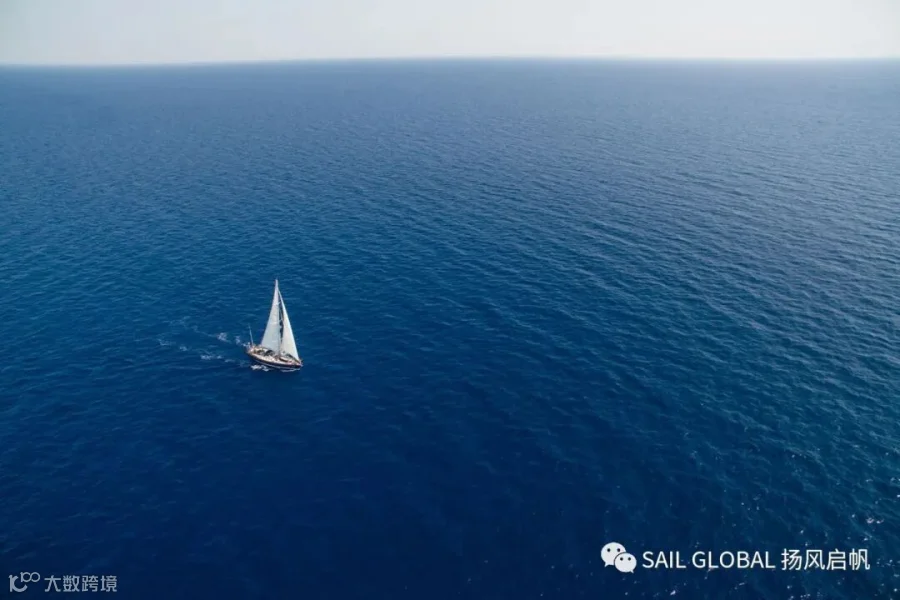
In addition to the huge waves and the unpredictable storms that you're likely to encounter when sailing on the ocean, the open ocean is vast so finding you will not be that easy should you get lost. You may lose your course and the huge ocean waves and winds can take your sailboat miles away from where it was expected. So even if your friends and relatives know your sailing route beforehand, things can still get awful in a matter of minutes.
On the other hand, some lakes are small enough that you can swim to the shore should anything happen. But the ocean is home to some of the biggest and most dangerous animals in the world. Imagine coming across a shark, a whale, or those gigantic octopuses. Well, these are just a few water creatures that can pose a threat to your life. Some of them such as the sharks and whales can easily overturn your sailboat or even leave you in a very scary situation.

Remember, an ocean is one of those few places in the universe where you can go for hundreds of miles without catching the sight of another sailor. For this reason, you'll always be on your own when you go sailing on the ocean. Worst still, weather reports, cell signals, and rescue teams may be a long shot if you sail too far.
As we noted earlier, ocean tides are also a unique feature of sailing on the ocean. It can make mooring complicated if you aren't properly conversant with the tidal exchange and they can catch you unawares with issues such as running aground, which can leave you in a very precarious situation. Again, it's impossible to drink saltwater. So if you run out of drinking water while sailing on the ocean, you may easily become dehydrated. On the other hand, you can drink lake water should you run out of water. It may not be the cleanest water to drink but unlike the saltwater, it will not affect your health.

Sailing is a great and enjoyable activity on both the ocean and lake. No matter your sailing style, these water bodies are excellent if you want to spend a day, a weekend, or even months sailing. Like anything else, sailing in these water bodies have their advantages and disadvantages, so it's advisable to try sailing in both and find which works best for you. Remember, sailing on the ocean isn't far from sailing on a lake. If anything, it may come down to personal preferences.



REVIEWS


