Very High Frequency , abbreviated as VHF, indicates the 30~300MHz band on the radio spectrum . VHF band for marine use is 156~174 MHz, which provides a communication system consisting of coastal radio stations and ship installed VHF equipment. It is the main communication method between ships and the Vessel Traffic Service center.
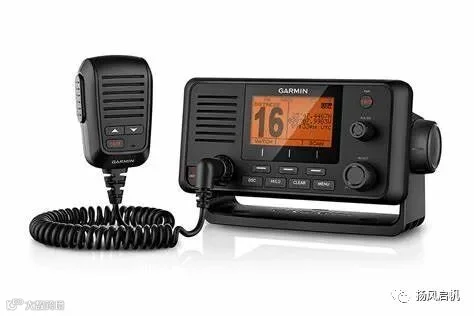
VHF can only travel in a straight line and is limited by the line-of-sight. In practice, the typical range is 30~50 nautical miles. The typical transmitting power of most ship installed VHF station is 25W, and the normal transmission range is about 25 nautical miles .
01
Why learn VHF-ASA 173
In the event of emergency during the voyage, the proper use of VHF radio will save the lives of yourself and other people, improve the safety of the vessel during the voyage, and even save other vessels and their crew.

VHF is an important part of the international search and rescue system. The language of VHF is globally universal, no matter where you are in the world .
Dive deep in GMDSS and VHF communications, teach how to properly send and receive messages, standard communication procedures, and realistic simulator exercise .

With VHF certificate and ASA104 bareboat skipper level certificate, you can apply for an IPC, which is mandatory in most Mediterranean countries as well as 25 European countries .
02
VHF-ASA173 Course content
|
|
|
|
|
|
This is a certificate approved by the United States government. It is the only safety course certification recognized by the United States Coast Guard in the world. This certification is of course also recognized by other countries .

(IPC) International Proficiency Certificate. This certificate is mandatory in most European/Mediterranean waters. It is a sailing charter certificate presented to the Charter Company to proof your competencies on sailing skills.
Only people who have passed the ASA 104 bareboat cruising course can apply for an International Certificate of Proficiency, as well need to have a VHF certification.