According to China National Immigration Administration, in 2025, a total of 697 million entry-exit trips has been inspected nationwide, including 279 million trips of Hong Kong, Macao and Taiwan residents and 82.035 million trips of foreign nationals, among whom 30.08 million entered China under visa exemption arrangements. A total of 2.254 million Mainland Travel Permits for Hong Kong, Macao and Taiwan residents were issued, and 2.02 million visa and document endorsements were granted to foreign nationals.
As for the first 3 months of 2026, the number of foreign nationals entering China achieved explosive growth.
Such large-scale cross-border population flows have greatly boosted economic, trade andculture exchanges between China and other countries, serving as a strong manifestation of China’s continuous expansion of opening-up. These impressive figures are underpinned by the solid support and safeguard services provided by China’s immigration authorities.
Where foreigners are caught for illegal acts such as illegal employment, drunk driving and fight, they are usually liable to administrative detention and fines. Under certain circumstances, such cases may even escalate into criminal cases. In most cases, the completion of detention will end up with cancellation of their visas and compelled to depart China within a specified time, with illegal employment cases as a typical example.
By law, administrative detention and fines are penalty measures. Fines over RMB 2,000 are generally not imposed on the spot. Before a formal penalty decision is made, the party concerned shall be notified of the proposed administrative penalty, as well as the supporting facts and legal grounds. The party is entitled to the rights of statement, defense and requesting a hearing. If a hearing is requested, police shall hold it in a timely manner in accordance with the law. After the formal administrative penalty decision is issued, the party has the right to apply for administrative reconsideration or file an administrative lawsuit, and may apply for a stay of enforcement of the administrative penalty during the reconsideration or litigation period. This provides foreign parties with a window to resolve the matter through judicial procedures before being officially detained or fined.
In legal practice,I find that due to various reasons, many foreign nationals fail to recognize or seize this favorable legal window, waive their right to legal remedies, just accept the administrative penalty. By the time they attempt to remedy the situation after serving the administrative detention, the chance of a favorable outcome is extremely slim.
So, what key matters should foreigners pay attention to if they are placed under administrative detention or criminal detention in China on suspicion of illegal acts or crimes?

I. Administrative Detention
1.Period: Generally no more than 15 days; where multiple illegal acts are imposed concurrently, the combined term shall not exceed 20 days.
2. Visitation: Consular officials of their home country may request visitation; close relatives and guardians may visit upon approval by the public security organ.
3. Lawyer Interview: During official working hours, lawyer interviews are not restricted.
4. Criminal Record: No criminal record.
5. Employment and Residence Eligibility in China: Administrative detention will leave an illegal record in the public security system. If detained for illegal employment, the existing visa will usually be revoked upon completion of detention, with an order to leave within a specified period, making it difficult to apply for new work visas and permits for a period thereafter.
6. How to Retain a Lawyer: The foreign national himself/herself, close relatives, guardians, and the embassy or consulate of the home country are all entitled to retain a lawyer.
II. Criminal Detention
1.Period: Normally 3 days, extendable to 7 days upon approval; extendable to 30 days for cases under specific circumstances.
2. Visitation: Consular officials of their home country may request visitation; in practice, close relatives and guardians are generally not allowed to visit.
3. Lawyer Interview: Permitted, except for cases involving endangering national security or terrorist activities, which require approval from the investigation authority.
4. Criminal Record: A criminal record will be generated if the person is finally convicted by a people’s court.
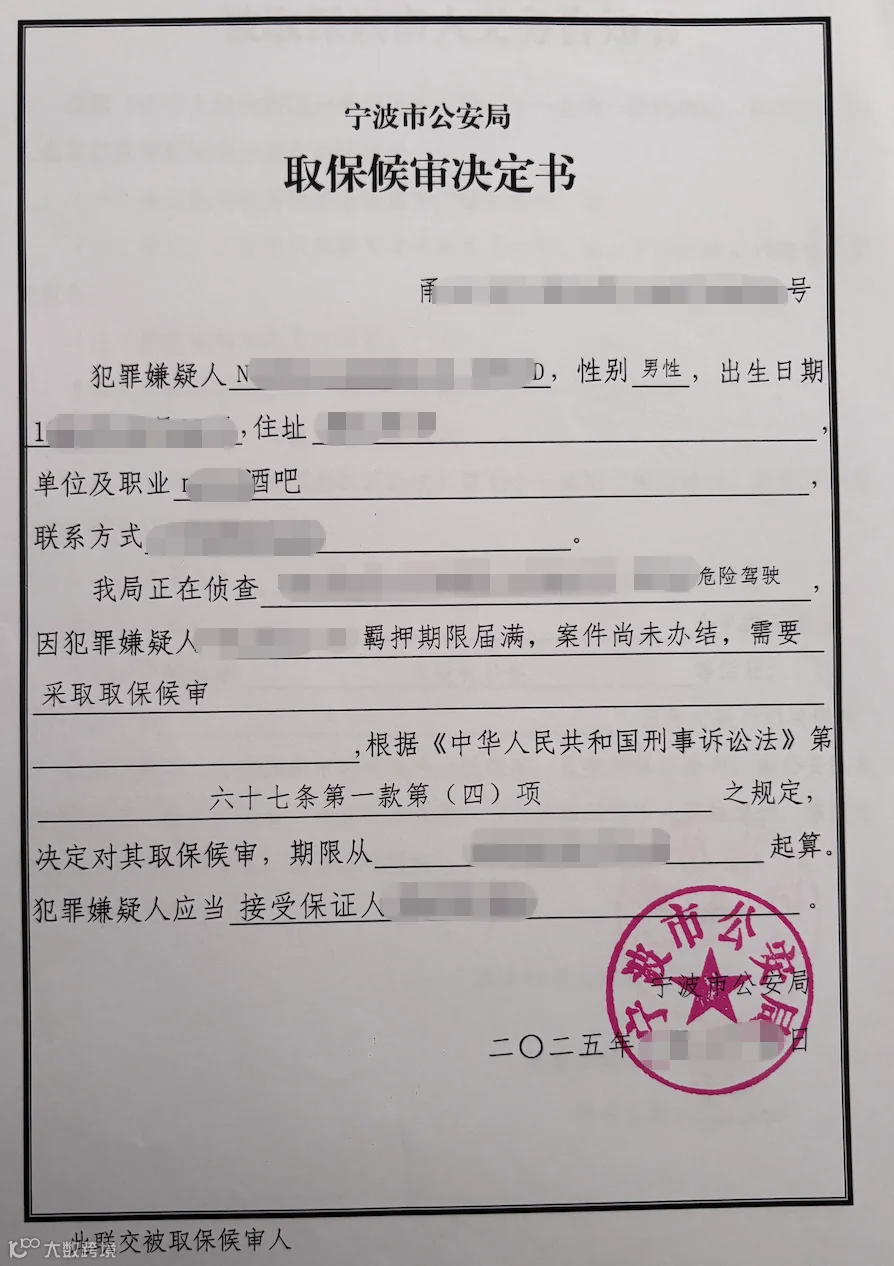
5. Employment and Residence Eligibility in China: If convicted by a court, whether given a suspended sentence or actual imprisonment, the person will in all likelihood be ordered to leave China within a specified time or be deported. The author once handled a case where a foreign national was sentenced to criminal detention with a suspended sentence for the offense of dangerous driving caused by drunk driving. Upon completion of the suspended sentence, he was not ordered to leave within a time limit, and his application for a new work visa was approved. However, his application for relevant permits after entry was rejected.
By contrast, the outcome will be much better if a non-prosecution decision is successfully obtained at the procuratorial stage. Earlier this year, the author represented a foreign national suspected of intentional injury. After securing a non-prosecution decision from the procuratorate, the foreign national successfully applied for a new work visa and residence permit without any adverse impact.
I’m your Chinese lawyer friend Deron, if you have any questions regarding visiting, working or doing business in china, you are welcome to contact me.