
前言
非洲 GDP 增速 4.5% 跑赢全球,内部贸易突破 2138 亿美元。
今年以来,中非贸易释放出一个强烈信号。
海关数据显示,今年前 5 个月,我国对非洲国家进出口达到1.14 万亿元,历史同期首次突破1 万亿元,同比增长18.2%。
与此同时,《2026 年非洲贸易报告》显示,2025 年非洲平均 GDP 增长率达到4.5%,高于 2024 年的3.4%,也跑赢了同期全球平均水平。
经济增速加快与中非贸易创下新高,意味着非洲正在被重新认识。
过去,非洲常被贴上矿产、农产品、基建不足或市场分散的标签。但现在的非洲正发生深刻变化:越来越多国家开始建设产业、发展制造业、推进能源项目、改善营商环境,并加强区域贸易联系。
对中国企业而言,非洲的意义也在重塑。它不再仅仅是日用品和资源贸易的市场,更正在成为设备出口、产业链合作、能源方案落地及双向贸易的新增长空间。
01
全球增长放缓,非洲为何能逆势突围?
在全球经济低速增长的背景下,非洲已涌现出一批高增速国家。
根据 IMF《世界经济展望》预测,2026 年非洲高增长经济体主要集中在东非和西非:
埃塞俄比亚预计增长 9.2%
几内亚预计增长 8.7%
乌干达预计增长 7.5%
卢旺达预计增长 7.2%
贝宁预计增长约 7%
坦桑尼亚、科特迪瓦、塞内加尔、尼日尔预计增长约 6%
肯尼亚预计增长 5.5% 至 6%
这表明非洲增长并非仅靠少数资源型国家,东非与西非已形成明显的高增长集群。
更值得注意的是,增长逻辑正在转变。过去依赖石油、矿产或农产品出口的模式,易受价格波动影响财政与就业。而现在,表现优异的国家越来越重视基础设施、工业化、能源建设、农业现代化和制度改革。
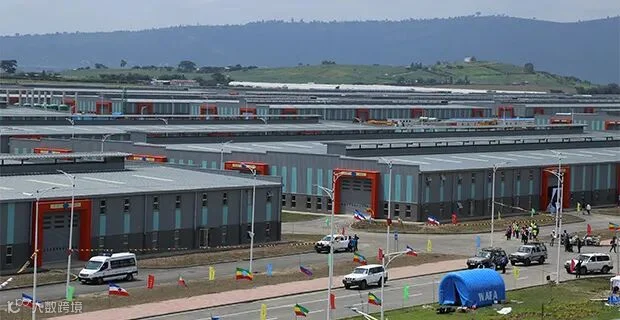
以埃塞俄比亚为例,尽管面临内部冲突与通胀压力,但该国持续投入基建与工业化,成为非洲增长样本。
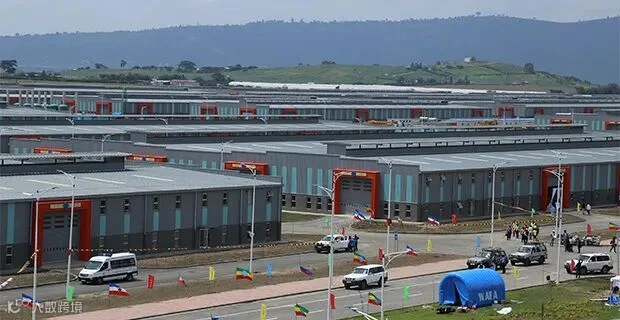
埃塞俄比亚哈瓦萨工业园
卢旺达通过经济改革、数字化转型和营商环境优化,走出另一条增长路径;科特迪瓦依靠出口农业、制造业和公共投资拉动增长;塞内加尔则因新油气项目投产迎来新引擎。
简言之,部分非洲国家正从“卖资源”转向“建产业”。这种结构性变化使增长更稳定,也为外部企业带来新机遇。
02
拒绝单一资源出口,非洲构建本土产业能力
《2026 年非洲贸易报告》指出,非洲贸易构成的变化比总量增长更具意义。虽然对海外出口仍以资源为主,但在非洲内部贸易中,制成品和加工产品比重正不断上升。
这意味着非洲不再单纯输出资源,而是开始在本地进行加工、生产和流通。随着食品、建材、日用品等产品在区域内流动,非洲市场正从分散的国家个体逐步形成更大的区域网络。
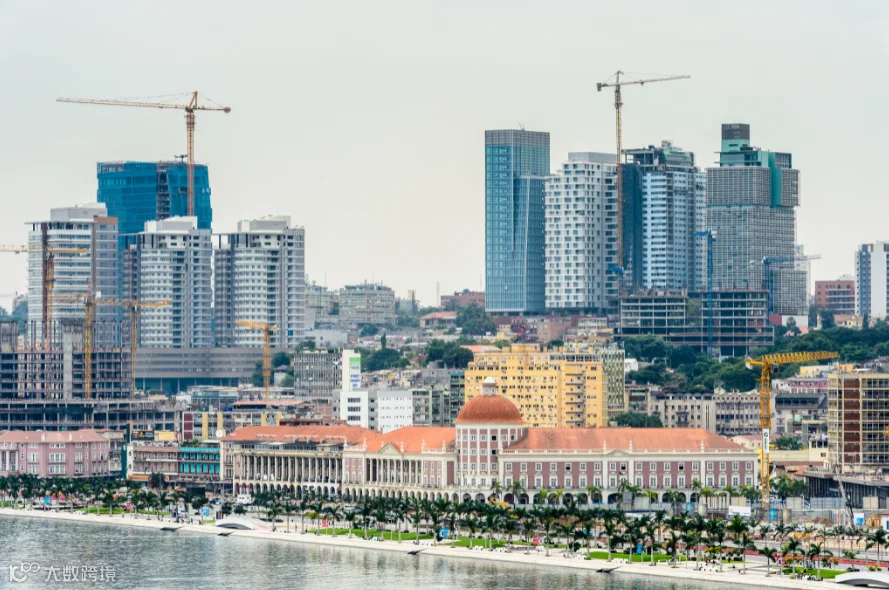
这对中国企业是重要信号:未来除了消费品出口,还可关注本地加工、零部件供应、设备配套和区域分销等机会。非洲产业发展需要道路、港口、电力、通信及供应链服务,这正是中国企业的优势领域。
03
中非贸易破万亿:结构变化蕴含新机遇
今年前 5 个月,中非贸易额达1.14 万亿元,同比增长18.2%。比总额更值得关注的是贸易内容的质变。
从出口端看,中国对非出口已超越日用品范畴。今年一季度数据如下:
中间品增长 23.3%
资本品增长 43.5%
消费品增长 25%
资本品(如工程机械、电力设备、生产线)增长最快,达 43.5%,说明非洲正加大基建与制造业投入。中间品(零部件、半成品)增长 23.3%,表明非洲本地制造正与中国供应链深度绑定。
中非贸易正从“卖产品”走向“建能力”。未来中国企业将面临两类需求:一是家电、手机等消费需求;二是设备、能源方案、工程服务等产业需求。后者将是下一阶段更重要的增量。
04
贸易双向流动:非洲优品加速入华
中非贸易并非单向出口。今年 5 月,我国自非洲进口951.3 亿元,同比增长15%,已连续9 个月保持增长。水果、水产品等特色产品环比增长超三成。
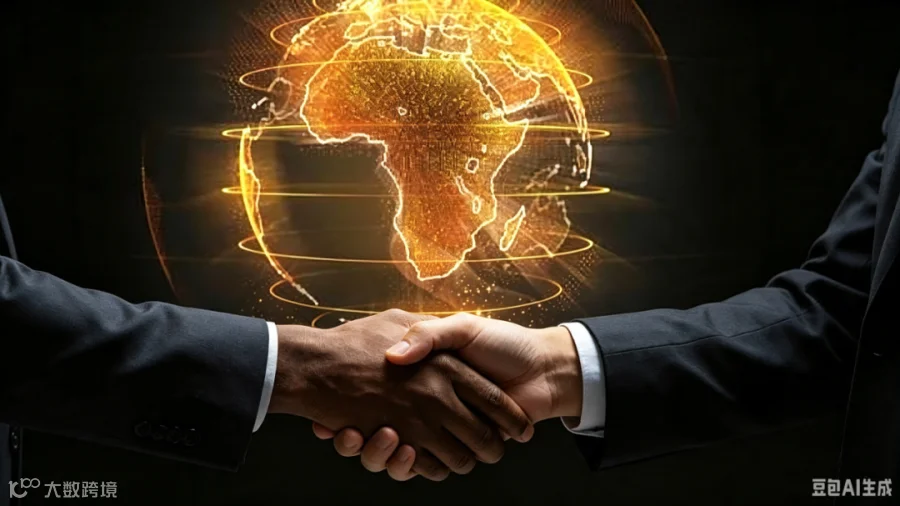
零关税政策实施两个月,进一步推动了非洲产品进入中国市场。中非贸易正变得更加多元:中国提供设备技术与供应链能力,非洲提供资源、农产品及特色商品。双方合作已从简单的“资源换商品”扩展至制造、农业、能源、物流及产业链协同等广泛领域。

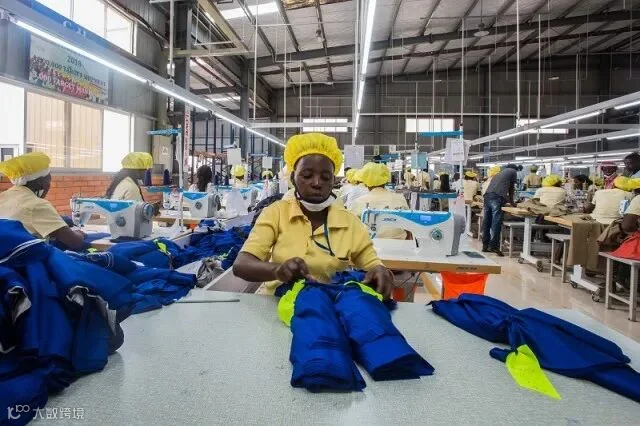
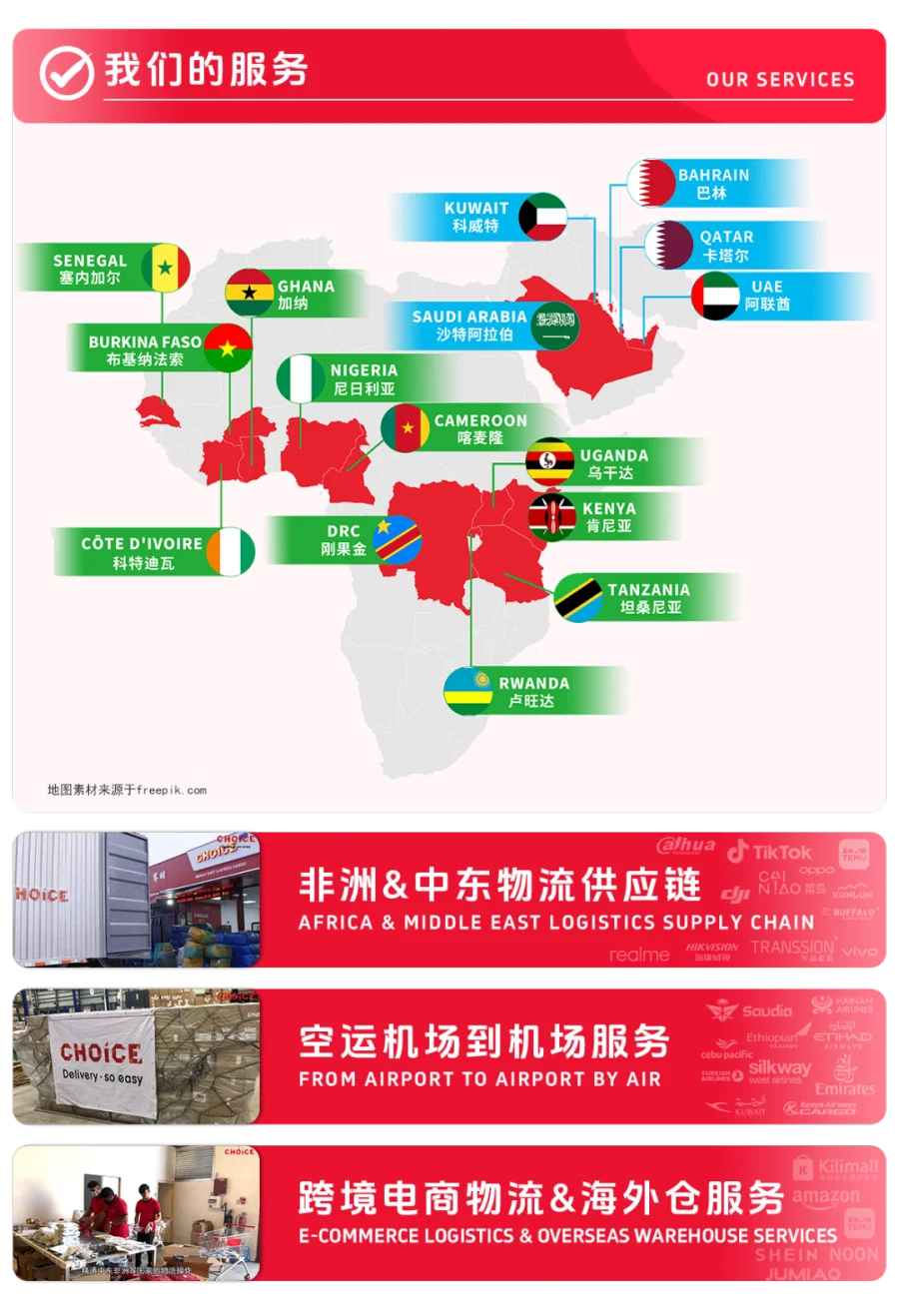
非洲市场复杂多样,54 个国家在语言、税制、物流等方面差异巨大。进入非洲不能仅看“人口多、增速快”,更需因地制宜。
但也正因市场处于发展变化中,机会尚未被完全挖掘:
消费品企业可关注年轻人口与消费升级带来的需求;
工业品及设备企业可聚焦基建、能源转型和本地产业发展;
贸易及供应链企业可把握非洲特色农产品入华及双向贸易带来的物流仓储机遇。
非洲的价值不仅在于资源与人口,更在于其正进入由产业建设、能源发展、区域贸易和消费升级共同推动的新阶段。非洲经济增速跑赢全球,或许只是一个开始。

Preface
Africa's GDP growth of 4.5 per cent outperformed the global average, with intra-African trade exceeding US$213.8 billion.
This year, China-Africa trade has sent a strong signal.
According to customs data, China's trade with African countries reached RMB 1.14 trillion in the first five months of the year. This was the first time that trade passed the RMB 1 trillion mark during the same period, up 18.2% year on year.
At the same time, the 2026 Africa Trade Report shows that Africa's average GDP growth reached 4.5% in 2025, up from 3.4% in 2024 and above the global average for the same period.
One signal is faster economic growth. The other is record-high China-Africa trade. Put together, they show that Africa is being seen in a new way.
In the past, many people first associated Africa with minerals, agricultural products, weak infrastructure, fragmented markets, and complex business conditions. But Africa is changing. More countries are building industries, developing manufacturing, advancing energy projects, improving the business environment, and strengthening trade links across the region.
For Chinese companies, Africa's role is also changing.
It is no longer just a market for consumer goods or resource trade. It is becoming a new growth area for equipment, supply chain cooperation, energy solutions, and two-way trade.
01
Why Is Africa Growing Faster While Global Growth Slows?
The global economy is still growing at a slow pace, but a number of African countries are showing strong growth.
According to the IMF's World Economic Outlook, the faster-growing African economies in 2026 are mainly in East Africa and West Africa:
Ethiopia: expected to grow by 9.2%
Guinea: expected to grow by 8.7%
Uganda: expected to grow by 7.5%
Rwanda: expected to grow by 7.2%
Benin: expected to grow by around 7%
Tanzania, Côte d'Ivoire, Senegal, and Niger: expected to grow by around 6%
Kenya: expected to grow by 5.5% to 6%
This shows that Africa's growth is not driven by only a few resource-based countries. A clearer group of fast-growing economies is taking shape in East and West Africa.
More importantly, the drivers of growth are changing.
In the past, many African countries depended heavily on oil, minerals, or agricultural exports. When resource prices rose, their economies did well. When prices fell, government finances, foreign exchange reserves, and employment often came under pressure.
Now, countries with better performance are paying more attention to infrastructure, industrial development, energy, agricultural modernization, and policy reform.
Ethiopia is a good example. Despite internal conflict, foreign exchange shortages, and inflation pressure, the country has continued to invest in infrastructure, industry, energy, and modern agriculture. It has become one of Africa's most representative growth stories.
Rwanda has followed another path, driven by economic reform, digital transformation, and a better business environment.
Côte d'Ivoire's growth is supported by export agriculture, manufacturing, and public investment. In Senegal, new oil and gas projects are becoming a new engine of growth.
Simply put, some African countries are moving from "selling resources" to "building industries."
This change may make their growth more stable. It also creates more opportunities for international companies.
02
Africa Is Not Just Selling Resources. It Is Building Industrial Capacity.
The 2026 Africa Trade Report makes an important point: changes in Africa's trade structure matter even more than growth in trade volume.
Africa's exports to overseas markets are still mainly resources and primary products. But within Africa, the share of manufactured and processed goods is rising.
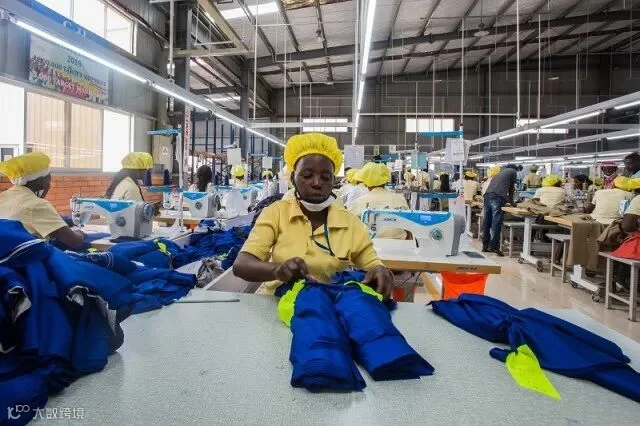
This means Africa is no longer only shipping resources abroad. It is also starting to process, produce, and distribute more goods locally.
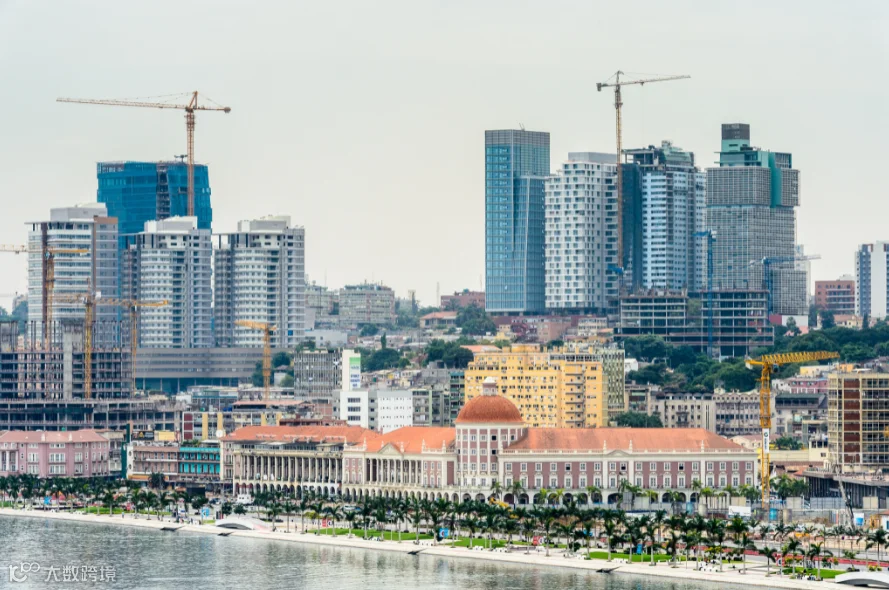
As more food, building materials, daily goods, light industrial products, and processed goods move across the region, African countries are becoming more closely connected. The market is gradually moving from separate national markets toward a larger regional network.
This is an important signal for Chinese companies.
In the past, many businesses entered Africa mainly to sell finished products locally. In the future, beyond consumer goods exports, there may also be opportunities in local processing, parts supply, equipment support, and regional distribution.
To develop industry, Africa needs more roads, ports, electricity, telecom networks, factories, production equipment, and supply chain services.
These are areas where Chinese companies have strong capabilities.
03
China-Africa Trade Has Passed RMB 1 Trillion. The Real Change Is in What Is Being Traded.
China-Africa trade reached RMB 1.14 trillion in the first five months of this year, up 18.2% year on year.
But the more important change is not only the total value of trade. It is the changing structure of trade.
On the export side, China's growth in Africa is no longer driven only by daily consumer goods.
In the first quarter of this year, China's exports to Africa increased by:
23.3% for intermediate goods
43.5% for capital goods
25% for consumer goods
Capital goods grew the fastest.
Simply put, capital goods are equipment used for construction and production. They include construction machinery, power equipment, production lines, transport vehicles, and complete industrial equipment.
The 43.5% growth in capital goods shows that African markets do not only need finished products. They are also investing more in infrastructure, energy, manufacturing, and agricultural modernization.
The 23.3% growth in intermediate goods is also important.
Intermediate goods include parts, semi-finished products, and materials used in production and processing. Their growth shows that local manufacturing and processing in Africa are becoming more closely linked with China's supply chains.
In other words, China-Africa trade is gradually moving from "selling products" to "building capacity."
In the future, Chinese companies may see two main types of demand in Africa.
One is consumer demand, including home appliances, mobile phones, daily goods, clothing, and household products.
The other is industrial demand, including equipment, parts, energy solutions, engineering services, and support for local manufacturing.
The second category may become a more important source of growth in the next stage of China-Africa trade.
04
Trade Is Becoming More Two-Way, and African Products Are Entering China Faster
China-Africa trade is not a one-way export story.
In May, China imported RMB 95.13 billion worth of goods from Africa, up 15% year on year. Imports from Africa have now grown for nine months in a row.
African specialty products, including fruits and seafood, performed especially well, with month-on-month growth of more than 30%.
The zero-tariff policy, which has been in place for two months, has also helped more African products enter the Chinese market.
This means China-Africa trade is becoming more diverse.
China provides Africa with consumer goods, equipment, technology, and supply chain capacity. Africa provides China with resources, agricultural products, seafood, and specialty goods.
In the past, China-Africa trade was often simply described as "resources for goods."
Now, cooperation between the two sides is expanding into manufacturing, agriculture, energy, consumer markets, logistics, and supply chain cooperation.

Africa is certainly not a simple market.
It has 54 countries, with major differences in language, currency, tax systems, logistics, payment methods, and consumer habits. Market conditions in East Africa, West Africa, North Africa, and Southern Africa are also very different.
So companies should not enter Africa only because "the population is large" or "growth is fast." They also cannot use one strategy for every country.
But because the market is still developing and changing, many opportunities have not yet been fully captured.
For consumer goods companies, it is worth watching the demand created by young populations, urbanization, and rising consumer spending.
For companies in industrial products, engineering equipment, energy equipment, and manufacturing support, the key opportunities may come from infrastructure development, energy transition, and local industrial growth.
For traders and supply chain companies, there are opportunities in bringing African agricultural products and seafood into China. There is also growing demand for logistics, warehousing, distribution, and services created by two-way China-Africa trade.
Africa's value is not only about rich resources and a large population.
More importantly, it is entering a new stage driven by industrial development, energy growth, regional trade, and consumer upgrading.
Africa's economic growth outpacing the global average may be only the beginning.