


2025 年 9 月 12 日,波兰以“俄白联合军演威胁安全”为由,突然关闭所有通往白俄罗斯的边境口岸。此举引发中欧物流圈剧烈震荡。直至 9 月 25 日凌晨口岸重开,这场持续 13 天的“物流肠梗阻”才得以缓解。然而,积压货物的消化尚需时日,且这并非中欧班列首次遭遇严重拥堵。
On September 12, 2025, Poland suddenly closed all border crossings leading to Belarus citing security threats from joint Russian-Belarusian military exercises. This abrupt blockade sent shockwaves through the China-Europe logistics sector. Although crossings reopened on September 25, easing the 13-day blockage, clearing the backlog will take time. This marks yet another severe congestion event for the China-Europe Railway Express.
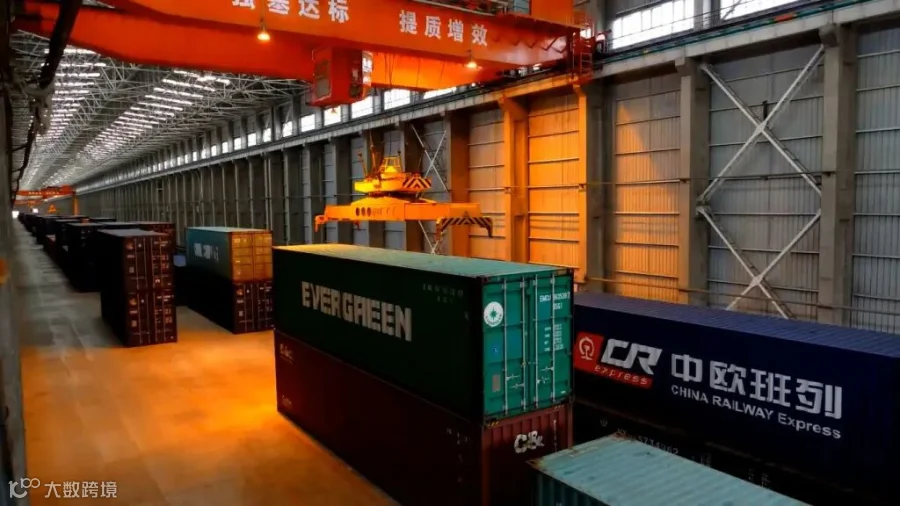
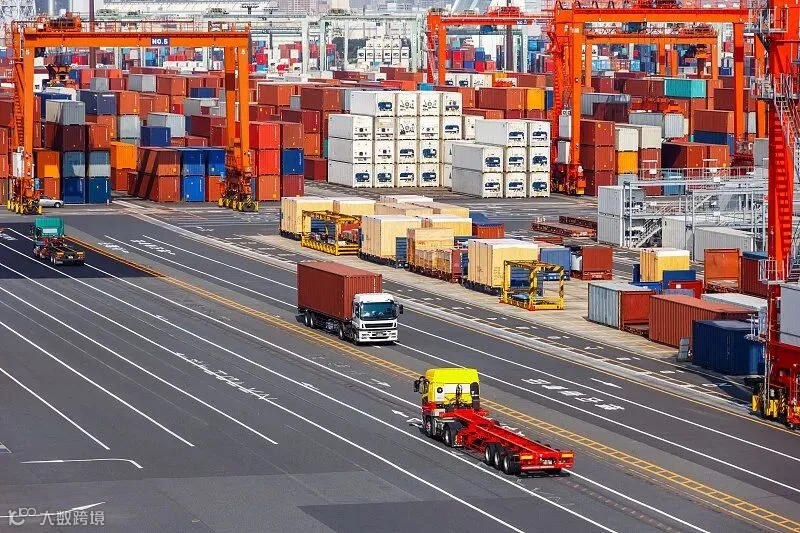
01 中欧班列核心拥堵点位
行业共识表明,拥堵主要集中在国内外边境换装口岸,境内外干线铁路运输本身并无明显瓶颈。
Industry insiders acknowledge that congestion is concentrated at cross-border transshipment ports, while trunk railway lines rarely face capacity bottlenecks.
西通道出境口岸:阿拉山口、霍尔果斯(对应哈萨克斯坦多斯特克、阿腾科里);
Western outbound corridors: Alashankou and Khorgos (linking Dostyk and Altynkol in Kazakhstan).
中通道出境口岸:二连浩特(对应蒙古国扎门乌德);
Central outbound corridor: Erenhot (connecting Zamyn-Üüd in Mongolia).
东通道出境口岸:满洲里(对应俄罗斯后贝加尔);
Eastern outbound corridor: Manzhouli (paired with Zabaykalsk in Russia).
欧洲入境核心堵点:白俄罗斯布列斯特、波兰马拉舍维奇(波白边境)。
Key European congestion points: Brest in Belarus and Malaszewicze at the Poland-Belarus border.
上述口岸是西行班列必经的换装与通关节点,也是整条运输链中耗时最长、故障最高发的核心瓶颈。
All westbound trains must pass through these ports for transshipment and customs clearance, making them the most failure-prone bottlenecks along the route.
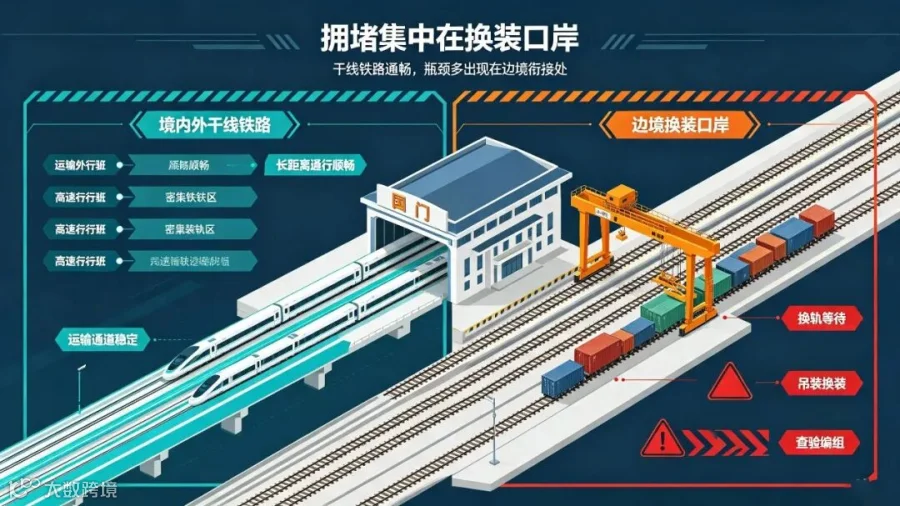
02 口岸持续拥堵的五大核心成因
01 各国轨距存在差异,每趟列车需两次换装
中欧班列全程超一万公里,中途必须完成两次集装箱换装。中国与西欧采用 1435 毫米标准轨,而俄罗斯、哈萨克斯坦、白俄罗斯等原苏联国家使用 1520 毫米宽轨,导致列车无法直接跨境通行。
The China-Europe Railway Express spans over 10,000 kilometers, requiring two full container transshipments. China and Western Europe use the 1,435mm standard gauge, whereas former Soviet nations use the 1,520mm wide gauge, preventing direct cross-border travel.
换装作业依赖龙门吊、堆场、车板及人员协同。当前各国口岸扩建速度滞后于货运量增长,宽轨车板长期短缺,加之各国作业班组排班及节假日调度标准不一,难以实现全天候连续作业,列车换装排队积压已成常态。
Transshipment relies on coordinated operations of cranes, yards, flatcars, and staff. Port expansions fail to keep pace with cargo growth. A chronic shortage of wide-gauge flatcars and inconsistent shift schedules prevent round-the-clock operations, making queues commonplace.
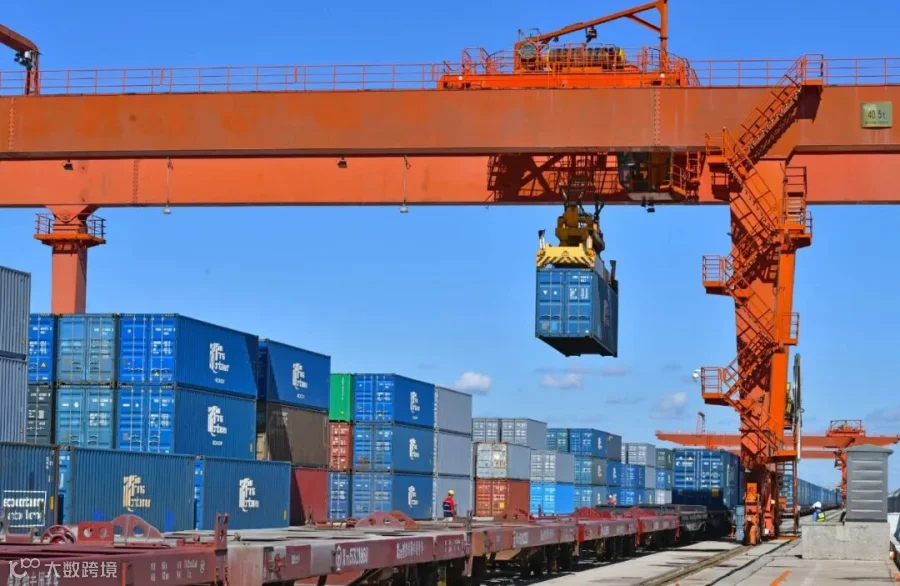
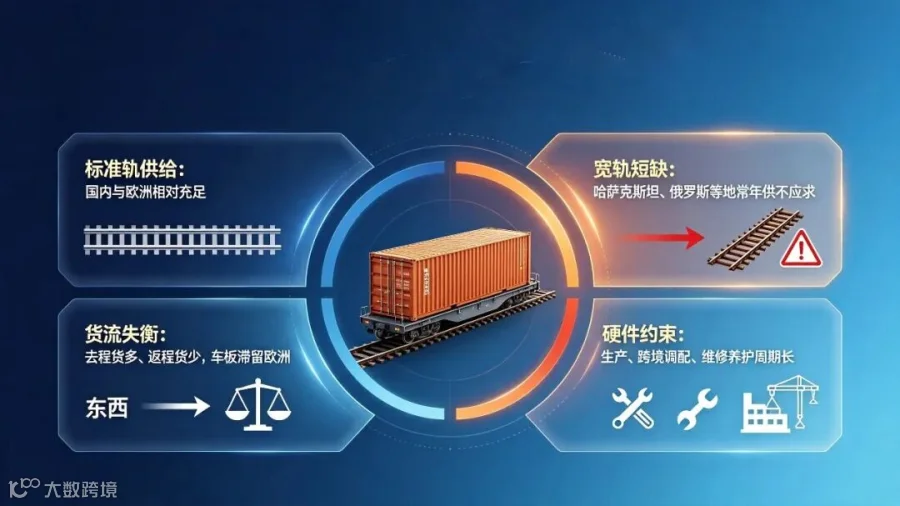
02 宽轨车板长期紧缺
“车板资源匹配不足”是独立的核心痛点。国内及欧洲标准轨车板供给相对充足,但哈、俄全境宽轨车板常年供不应求。中欧班列去程货多、返程货少,大量宽轨车板滞留欧洲,回流周期漫长。叠加中亚多国铁路维修频繁、调度效率偏低,常出现“有机头无车板”或“有车板无货源”的断档。车板的生产、调配及养护周期极长,短期无法通过扩建场站缓解,是口岸常态化拥堵的底层硬件约束。
The mismatch in flatcar availability is a critical pain point. While standard-gauge flatcars are abundant domestically and in Europe, wide-gauge flatcars remain scarce in Kazakhstan and Russia. Imbalanced freight flows leave many wide-gauge flatcars stranded in Europe with lengthy return cycles. Combined with inefficient scheduling in Central Asia, this creates recurring supply gaps. The long manufacturing and maintenance cycles of flatcars mean yard expansion alone cannot resolve this hardware constraint.
03 运量爆发:增长速度超过口岸承受力
外部冲击方面,当海运集装箱短缺、海运费暴涨、空运航线收缩或地缘冲突阻断海运时,大量外贸货物转向中欧铁路;国际制裁也促使更多货物选择班列运输。
External disruptions like ocean freight shortages, skyrocketing rates, or geopolitical conflicts divert massive cargo volumes from sea and air to rail. International sanctions further push shippers to opt for the China-Europe Railway Express.
季节性波动方面,每年第四季度是中欧贸易传统旺季,节日商品与电商货物集中发运,班列开行量短期冲高。若叠加暴雪等极端天气或设备故障,口岸作业压力将呈倍数上升。
Pronounced seasonal fluctuations occur in Q4, the peak trading season. Holiday merchandise and e-commerce goods trigger sharp spikes in train departures. When peak volumes coincide with extreme weather or equipment malfunctions, operational pressure multiplies exponentially.
04 多国监管规则不统一,查验环节不确定性高
一趟班列途经中国、哈萨克斯坦、俄罗斯、白俄罗斯、波兰等多个主权国家。尽管部分边境已落地单证互认机制,但各国海关、边检及铁路部门仍保留独立的申报系统、查验重点及合规审核标准。
A single train traverses multiple sovereign nations. While some mutual recognition mechanisms exist, customs and railway authorities in each country maintain separate filing systems and inspection standards.
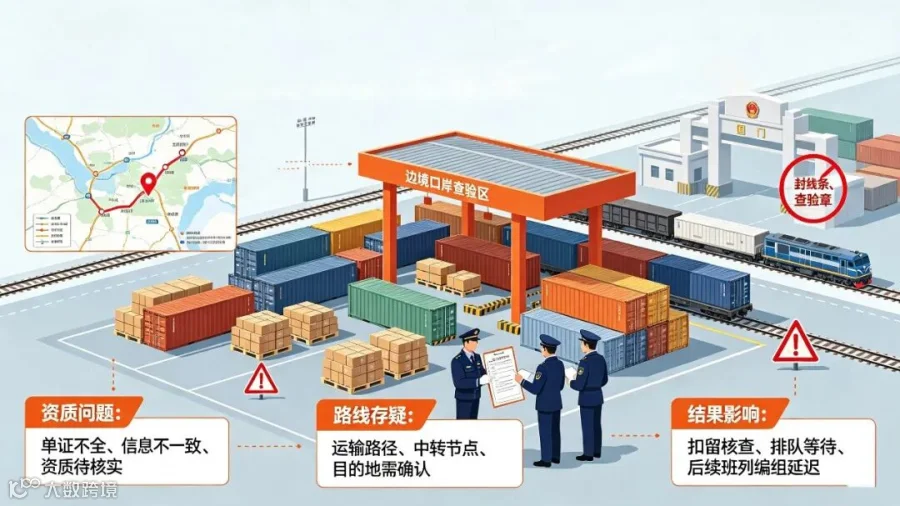
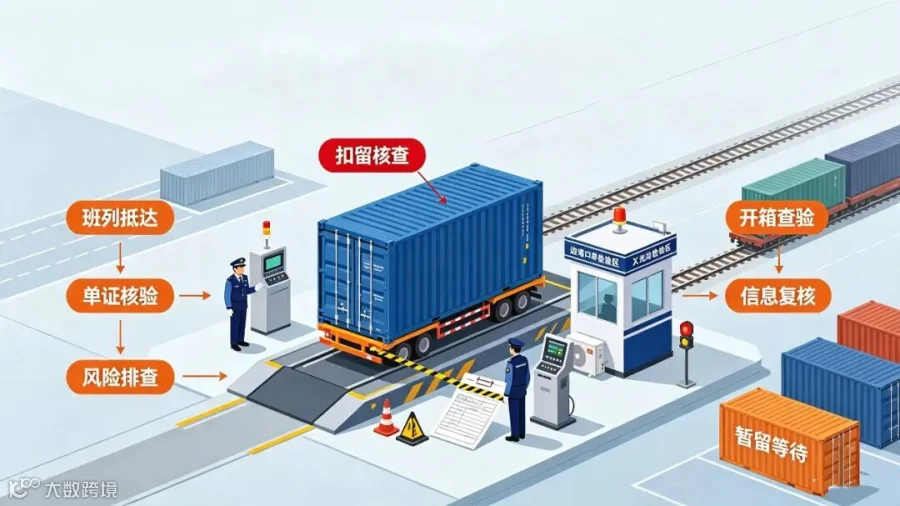
各国对货物品名、HS 编码及制裁相关货物的核查要求不一,任意过境国均可根据自身风控实施开箱核验。申报单据的细微偏差即可导致集装箱被扣留核查,大幅拉长通关与换装耗时。
Every transit country reserves the right to conduct physical inspections based on its own risk protocols. Minor inconsistencies in documents can result in detention, drastically extending clearance and transshipment lead times.
05 地缘与政策变量,极易触发短期休克式拥堵
一是边境临时封闭。如 2025 年 9 月波兰封锁波白边境 13 天,直接切断欧洲核心换装通道,造成典型休克式拥堵。
First, temporary border closures. The 13-day Polish shutdown in September 2025 directly severed the core European transshipment corridor, causing shock-induced congestion.
二是多级制裁带来的合规审查压力。俄乌冲突后欧盟持续升级对俄制裁,即便货物目的地非俄罗斯,只要途经俄、白境内,便面临严格筛查。大量货物因资质或路线存疑被扣,延长了口岸停留时长。
Second, stricter compliance screenings amid layered sanctions. Even goods not destined for Russia face rigorous vetting if their route passes through Russian or Belarusian territory, prolonging port dwell times.
03 货代、货主实战避堵行动清单
针对口岸拥堵的不确定性,建议从发运前、运输途中及商务签约全流程制定预案,以降低延误与违约风险:
To mitigate delays and breach risks, implement contingency plans covering pre-shipping, en-route tracking, and commercial contracts:
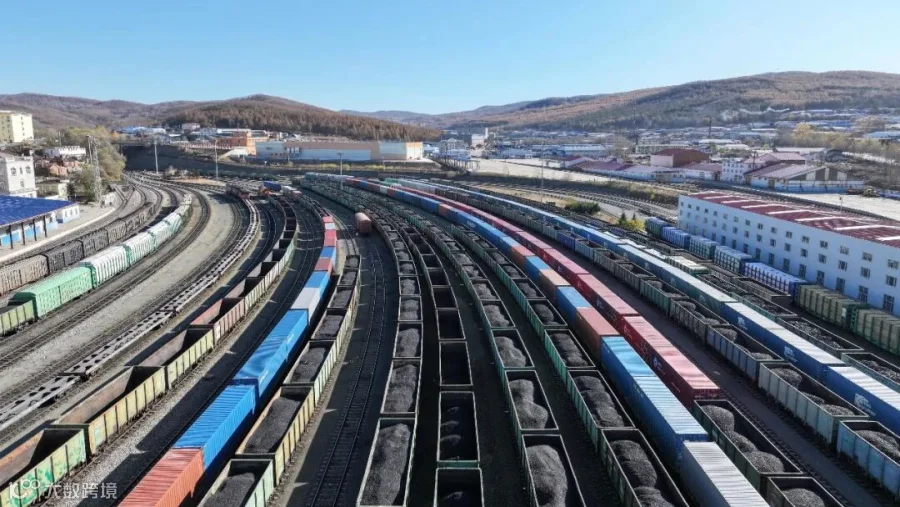
1. 多线路备选,不局限单一口岸。旺季优先分流至二连浩特、满洲里以缓解西通道压力;时效要求极高的货物,可将南通道作为备用线路,分散单一口岸积压风险。
1. Maintain multi-route alternatives. During peak seasons, divert cargo via Erenhot and Manzhouli. For time-sensitive shipments, reserve the southern corridor as a backup.
2. 避开集中爆发期。第四季度旺季货物尽量在 10 月前完成出境,规避 11-12 月集中备货带来的拥堵。
2. Avoid peak shipping windows. Dispatch Q4 seasonal goods before October to bypass heavy congestion from November to December.
3. 发货前核对全套单据。校验品名、HS 编码、运单、发票及装箱单信息,避免品名模糊或编码归类错误,减少口岸开箱扣留概率。
3. Verify all documentation prior to shipment. Double-check commodity descriptions, HS codes, and invoices to eliminate vague labeling and reduce inspection risks.
4. 持续跟踪国际动态。重点关注中欧地缘政策、各国边境管控通知及海运运价波动。在海运涨价或地缘局势紧张阶段,额外预留运输缓冲时长。
4. Monitor global developments. Track geopolitical policies and ocean freight volatility. Build extra buffer time when sea freight costs surge or tensions escalate.
5. 签约时明确时效预期。在与海外客户的合同中标注标准运输时效加口岸拥堵浮动缓冲期,提前告知跨境铁路换装及政策管控带来的延误风险,避免贸易纠纷。
5. Clarify transit time expectations in contracts. Include standard durations plus flexible buffer windows for port congestion to prevent disputes over stranded cargo.
6. 严格预留缓冲周期。对于交付期限严苛的订单,整体运输计划应额外增加 7-15 天口岸缓冲时间,不压缩交付节点,以减少拥堵引发的违约损失。
6. Reserve sufficient buffer periods. For orders with rigid deadlines, add an extra 7–15 days of port buffer time to minimize financial losses from congestion-related breaches.
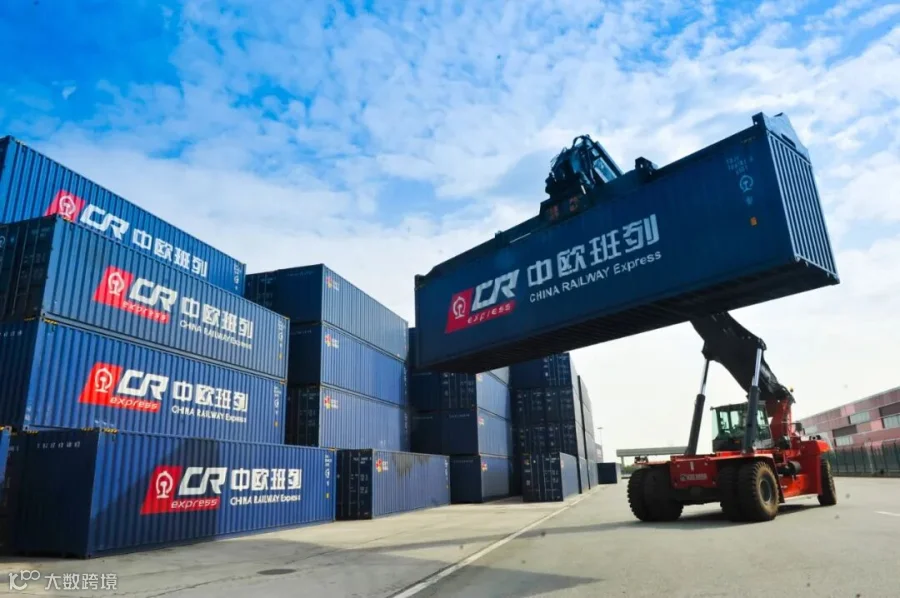
中欧班列的口岸拥堵,是典型的“成长的烦恼”。这并非因为服务不佳,恰恰是因为其发展过于迅猛。十年前,中欧班列年开行量仅数百列;如今,月开行量已达数千列。这种量级的增长在任何物流系统中都会引发瓶颈。对于从业者而言,与其抱怨拥堵,不如学会与之共处——了解规律,做好预判和预案,将不确定性降至最低。
Congestion at China-Europe Railway Express ports represents a classic "growing pain". It testifies to the service's remarkable success rather than flaws. A decade ago, only hundreds of trains ran annually; today, thousands depart each month. Such explosive growth would overwhelm any logistics system. Practitioners should adapt by understanding cyclical patterns and building forward-looking contingency plans to minimize risks.
声明:推送文章的图片来源于网络,版权归作者所有。若涉及侵权,请联系我们删除。
图文制作、责编:亚欧好运公众号编辑部
撰稿:谢文文

作者简介 PROFILE
谢文文(操作中心整箱组经理)
xiewenwen@eagt.com.cn
1、性格开朗、稳重、待人真诚
2、认真负责,积极主动
3、敢于迎接挑战,敢于承担责任
亚欧好运是“一带一路”的先行者和践行者,中欧班列协调委员会成员。
业务涵盖中欧、中俄、中亚、中蒙、东盟、跨里海铁路集装箱班列。提供包仓、包列、整箱、拼箱、租箱、买卖箱、特种箱门到门国际物流服务,以及空海运、过境卡航国际运输和进出口贸易服务。
总部设在北京,在欧洲、俄罗斯、香港、上海、深圳、武汉、西安、重庆、苏州、山西、杭州、成都、湖南、河南等地设有分公司和代表处。
更远 Further
更快 Faster
更安全 Safer