Swipe to read the English version >>>
亚太供应链
APAC Market News: Weather Advisory
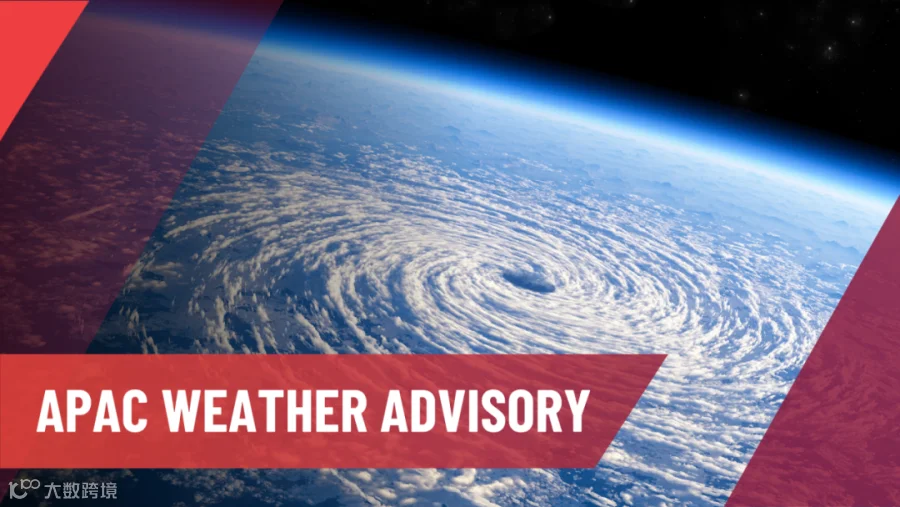
我们正密切监测台风“巴威”对供应链的影响。虽其强度较此前减弱,但仍属高危系统,正逼近中国台湾及东海区域。预计将引发强风暴雨、航班取消、港口作业限制,并导致台湾、宁波舟山、上海、福建等沿海门户出现船舶集中到港及货物流转延误风险。
随着各地海事、机场、港口及政府发布应急指令,本公告将持续更新。
“巴威”强度减弱,但台湾及宁波相关影响升级
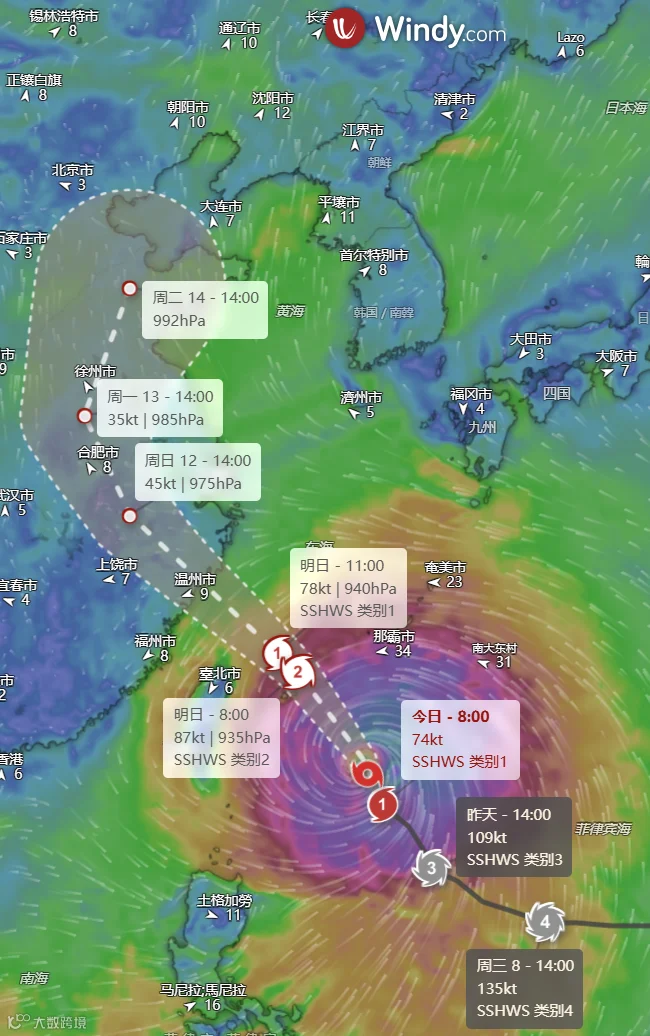
台风“巴威”已减弱为普通台风,但仍保持活跃并向西北移动,逼近中国台湾和东海。截至 7 月 10 日清晨,风暴位于台湾东南偏东方向,持续风力接近台风强度。
中国大陆:宁波舟山及华东沿海码头进入防台状态。宁波多家集装箱码头自 7 月 10 日 12:00 起暂停进提箱作业,恢复时间待定。
上海港:洋山港区计划于 7 月 11 日 08 时起暂停空箱作业,10 时起暂停重箱作业;外高桥港区计划于 7 月 11 日 14 时起暂停空箱作业,18 时起暂停重箱作业。
预计运营影响
7 月 10 日至 12 日,受台风影响及堆场饱和叠加效应,预计将出现以下物流中断:
1. 海运与港口运营
上海港 (SIPG):面临靠泊窗口变化及引航限制,预计出现泊位中断及堆场压力,台风后需 1 至 2 天恢复期。
宁波舟山港:进提箱作业暂停,空箱释放及堆场作业放缓。台风后因积压船舶和集卡排队,拥堵将加剧。
台湾及东南沿海(福州/厦门/盐田):台湾运营受影响最直接(停班、停航)。福建及厦门港口将收紧靠泊限制并暂停露天作业。盐田港虽位置偏南,但受区域性船期中断影响,仍面临调度连锁反应。
2. 空运
现状:台湾空运实质性中断,桃园机场及台北航线为主要受影响区域,多家航司取消 7 月 10 日晚至 11 日航班。
预测:台北(TPE)将出现大范围取消及货机调度调整。上海浦东(PVG)、杭州(HGH)等沿海机场可能出现延误。空运出口货物将面临仓储紧张及舱位顺延。
3. 陆路及多式联运
多式联运与内河航运:内河支线实施限航停航,水路中转预计延误 2 至 3 天。海铁联运转运放缓。建议紧急货物暂缓多式联运,优先选择公路直送并做好防水加固。
公路与拖车运输:台湾、浙江、江苏及福建跨境运输受动态管控。宁波高速及跨海大桥随风力增强可能受限。台风后码头闸口拥堵严重,还柜等待时间或长达 24 至 48 小时。
SEKO 物流在行动
亚洲控制塔已启动紧急模式应对挑战:
SEKO 大中华区办公室
SEKO 台湾办公室于 7 月 10 日暂时关闭,其他大中华区办公室正常运营。因预计周末登陆大陆,对工厂生产影响较工作日降低,但港口及航运恢复延误可能延续至下周初。员工已做好居家办公准备。
SEKO 物流客户指引
针对 7 月 10 日至 13 日期间途经中国台湾、华中/华北或华南地区的供应链运转,建议立即采取以下措施:
赶在截止期限前行动:请在 7 月 10 日前完成紧急起运地集装箱进港作业。一旦码头暂停作业,空箱可能被锁定,切勿将重柜滞留闸口外。
应对缺号风险:台风后货物积压可能导致设备和预约名额短缺,请预判还柜瓶颈并授权延长拖车作业预算。
扩大库存缓冲期:建议为本周及下周途经受影响区域的跨太平洋和欧洲航线 ETA 增加 5 至 7 天缓冲期。
关于 SEKO 物流
SEKO 物流拥有近 50 年专业知识,是全球端到端物流合作伙伴。我们在 60 多个国家设有 150 多个办事处,致力于提供专业可靠的服务和技术驱动的解决方案,助您以全球商业的高速前进。
了解更多信息,请访问:www.sekologistics.com/zh
<<< Swipe to read the Chinese version
TYPHOON BAVI
Weather Advisory
We are closely monitoring Typhoon Bavi, which has weakened from its earlier super typhoon intensity but remains a large and dangerous storm system affecting key East Asia supply chain corridors. Bavi is now tracking northwest toward Taiwan and the East China Sea, bringing strong winds, heavy rainfall, flight disruptions, port restrictions, and elevated risks of vessel bunching and cargo delays across Taiwan, Ningbo-Zhoushan, Shanghai, Fujian, and surrounding coastal gateways.
This advisory will be updated continuously on SEKO website as regional maritime authorities, airport operators, port terminals, and local governments issue mandatory emergency directives.
Typhoon Bavi Weakens but Taiwan and Ningbo Disruptions Escalate
July 10, 15:00 HKT
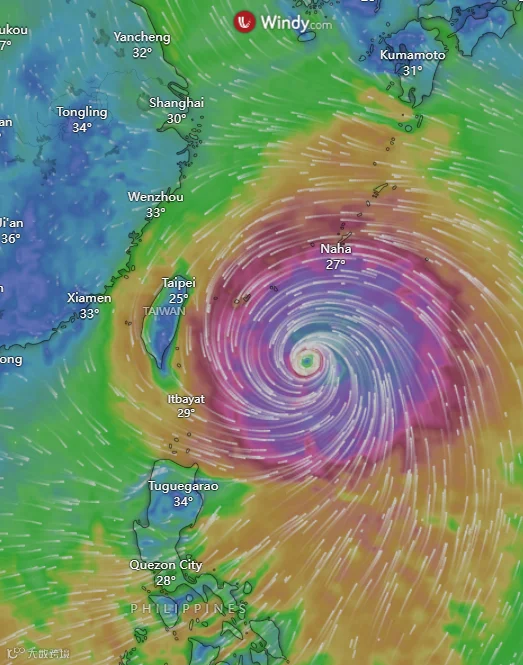
Bavi has weakened from super typhoon strength but remains an active typhoon moving northwest toward Taiwan and the East China Sea. As of early July 10, live storm trackers placed Bavi east-southeast of Taiwan with sustained winds around typhoon strength and a continued northwest track.
Taiwan is now facing the storm's primary near-term impact window, with local announcement of office and school closures in the northern and eastern region for July 10. Major airlines have begun canceling, advancing, or delaying flights from Taipei and Taoyuan.
In China's Mainland, Ningbo-Zhoushan and surrounding East China coastal terminals are moving into typhoon-prevention mode, with multiple Ningbo container terminals planning to suspend container pickup and gate-in operations from July 10 at 12:00, subject to weather-based recovery notices.
Shanghai International Port Group has issued a notice stating that operations for the delivery and pickup of empty containers will be suspended starting July 11, followed by suspensions for loaded containers at the Yangshan and Waigaoqiao port areas.
PROJECTED OPERATIONAL IMPACTS
With typhoon impacts expected across Taiwan, the Taiwan Strait, and the East China Sea from July 10 to July 12, the compounding effect of weather suspensions and existing yard saturation will trigger operational bottlenecks. We anticipate the following disruptions:
1. Ocean Freight & Port Operations
Shanghai (SIPG): Shanghai terminals remain exposed to weather-related vessel timing disruption, pilotage restrictions, and post-storm vessel bunching. Expect potential berth-window disruption, yard pressure, and a post-typhoon recovery period of at least 1–2 days.
Ningbo-Zhoushan: Multiple terminals have announced container pickup/gate-in suspensions from July 10 at 12:00. Empty container releases and yard operations will slow sharply or halt during anti-typhoon operations. Post-storm congestion is expected to worsen.
Taiwan & Southeast China (Fuzhou/Xiamen/Yantian): Taiwan faces immediate disruption including ferry suspensions and closures. Ports in Fujian and Xiamen are expected to restrict large vessel berthing and close open-air loading. Yantian Port may experience vessel scheduling ripple effects.
2. Air Freight
Current: Flight operations across Taiwan are materially disrupted, with cancellations and adjustments from the evening of July 10 into July 11. Taoyuan International Airport and Taipei routes are the primary focus.
Forecast: Widespread flight cancellations and freighter diversions are expected at Taipei (TPE). Mainland airports including Shanghai Pudong (PVG) and Hangzhou (HGH) may also experience delays. Air export cargo is likely to face storage constraints.
3. Inland & Multimodal Transport
Multimodal & Inland Waterways: Effective July 9, inland waterway branches began implementing restricted navigation. Waterway transshipments face delays of 2–3 days. For time-sensitive shipments, we advise pausing multimodal plans and prioritizing direct highway drayage where safe.
Highway & Drayage: Cross-border trucking across Taiwan, Zhejiang, Jiangsu, and Fujian will face dynamic restrictions. Post-storm terminal gates may become heavily congested, with container return wait times potentially stretching to 24–48 hours.
SEKO IN ACTION
Our Asia control towers are deployed in emergency mode:
Accelerated Dispatch: Expediting empty container pickup and gate-in processes before July 10 port suspension windows.
Vessel Rerouting Coordination: Tracking blank sailings and berth changes to find alternative discharge options for transit cargo.
Southern Diversions: Diverting critical volumes to southern hubs such as Hong Kong and Shenzhen where feasible.
SEKO OFFICE
SEKO Taiwan office is temporarily closed in line with local arrangements. All other SEKO GCA offices remain open. As Bavi is expected to make landfall over the weekend, impact on factories may be reduced, but recovery delays may extend into next week. Local offices will implement work from home policies as required.
SEKO'S GUIDANCE
For all clients with active or planned supply chain movements through Taiwan, Fujian, or Yangtze River Delta between July 10 and July 13, immediate risk mitigation is required:
Beat the July 10 Deadline & Secure Empties: Prioritize and clear all urgent origin container gate-ins before Friday, July 10. Once terminal suspension measures begin, empty containers may be locked down. Do not leave laden containers stranded outside the terminal gate.
Prepare for a "No-Number" / No-Slot Shortage: Anticipate container return bottlenecks due to post-typhoon backlog and authorize extended trucking window budgets where necessary.
Expand Inventory Buffers: Add a strict 5–7 day buffer to all ETAs for transpacific and European loops routing through affected areas this week.
About SEKO Logistics
Built on nearly 50 years of logistics expertise, SEKO Logistics is the no-nonsense global end-to-end logistics partner. SEKO delivers client-first service, expert reliability and tech-driven shipping solutions. With over 150 offices in more than 60 countries, SEKO helps you move at the speed of global commerce.
Learn more at www.sekologistics.com
获取更多信息For more information
lianxi@sekologistics.com