
If you are new to China, you might be wondering about the local etiquette regarding tipping. The short answer is: Tipping is generally not expected and is often unnecessary. However, understanding the history and current practices will help you navigate social situations with confidence and avoid any awkwardness.
It may surprise you to learn that tipping did once exist in China. Scenes of tipping appear in the Qing dynasty novel Confused World and in Lao She's Crescent Moon. The writer Liang Shiqiu even discussed the practice in his essay Tips, noting its prevalence and reasons behind it. Historically, service industry wages were low, and tips were a way for workers to supplement their income, while wealthy customers could use tips to secure extra attention or special service.
However, this culture largely disappeared in contemporary China. Here are the key reasons why:
Today, most service workers in China receive standardized and fixed wages. They do not rely on tips to make ends meet, making the practice a relic of a less regulated income system.
In modern China, many businesses—especially mid-range and high-end restaurants—include a service cost directly in the bill. This is often listed explicitly as a "service charge" (usually 10%) or a "tea fee" per person. You can think of this as a formalized, mandatory tip. The key difference is that the customer no longer decides the amount, and the money goes to the business rather than directly to the individual staff member.
Since the founding of the People's Republic of China, the social status of workers has risen, and the relationship between service staff and customers has become more equal. In the past, a tip often carried a connotation of charity or a reward from a superior to a subordinate. In today's context, offering a tip can make the staff feel embarrassed, as it might be misinterpreted as looking down upon them. This emphasis on equality and "face" makes both parties hesitant to engage in the practice.
China has largely become a cashless society with the widespread adoption of mobile payment apps like WeChat Pay and Alipay. People pay by scanning a merchant's QR code, leaving little opportunity to "slip a tip" or leave spare change as one might have in the past. This digital shift has further cemented the decline of tipping.
Here's a simple guide in daily life:

Is a tip expected? No, not at all.
For everyday meals, simply pay the bill as stated. If a service charge (10-15%) is already included in a more upscale restaurant, you do not need to add anything extra.

Is a tip expected? No, not at all.
For standard hotel stays, tipping is not required. In luxury hotels, a small gesture of RMB 20-50 for a bellhop who helps with your luggage is appreciated but still not obligatory. Many hotel staff may even politely refuse a tip.


Is a tip expected? No.
Just pay the fare on the meter. The most common courtesy is to round up the fare to the nearest whole yuan to avoid dealing with small change, but this is becoming less common with digital payments. If the driver helps with heavy luggage, a small tip of RMB 10-20 is a kind gesture.

Is a tip expected?
Yes, this is the main exception.
Tipping is more common in the tourism industry. For a private guide, RMB 100-200 per day is considered generous, while for a driver, about half that amount is appropriate. For a larger group tour, a total of RMB 300-500 for the group at the end of the trip is a nice way to say thank you.
When paying in cash at local shops or smaller restaurants, you might encounter a practice that feels like a "reverse tip." The merchant might choose to "waive" or "forget about" the small change from your bill to make the number round. For example, if your total is RMB 47, they might only ask for RMB 45. In this case, the shop is essentially giving you a small discount as a gesture of goodwill and to build a good relationship—a friendly custom that is very different from the Western tipping tradition.

In summary, save your generosity for a tour guide or a truly exceptional, personalized service. In most other situations, relax and enjoy the fact that the price you see is the price you pay. There is no need to tip, and you won't be seen as rude if you don't.

If you're an expat working in China, sending your income abroad can be hassle-free with Wise.
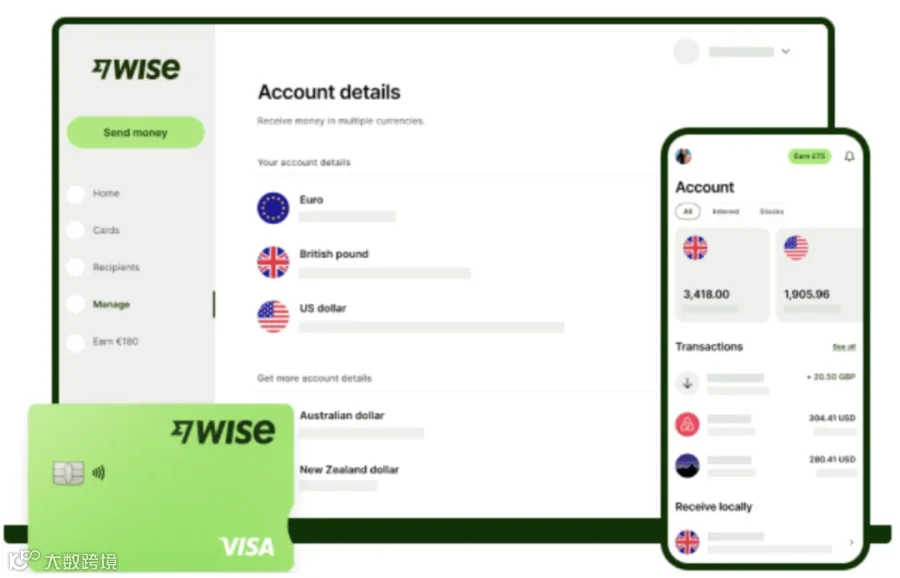
Use Wise's app or website to transfer earnings to over 160 countries.
Benefit from mid-market exchange rates and low fees.
Open a Wise multi-currency account to send rmb and hold 40+ currencies(expats working in china only).
Get account details in USD, EUR, GBP, CAD, and more.
Make international transfers easy, fast, and affordable—Sign up for a free Wise account today!