




Introduction

In recent years, many cross-border sellers have relied on a well-established model to enter the European market:
Production through Chinese supply chains → direct parcel delivery to European consumers → platform transaction → final-mile delivery.
For large numbers of low-priced, multi-SKU, lightweight products, direct parcel shipping once offered clear advantages:
•no need to build up substantial inventory in advance;
•relatively low inventory pressure;
•lower costs for testing new products;
•rapid access to consumers across Europe.
However, changes to the EU's rules on low-value parcels are beginning to reshape this model.
From 1 July 2026, the EU plans to remove the existing customs-duty exemption for parcels valued below EUR 150 and sent directly to consumers, and introduce a new fixed-duty mechanism for qualifying low-value imports.
The Council of the European Union has indicated that the measure is intended to address the customs-management pressure created by the rapid growth of low-value parcels and to serve as a transitional arrangement ahead of broader EU customs reform.
These changes reflect the EU's broader customs initiatives, with the aim of supporting consistency and transparency in cross-border trade.
For cross-border sellers, the issue is therefore not simply:
What impact will these changes have on the cost of each parcel?
The more important question is:
Is the existing business model still well aligned with the future needs of the European market?
01

Is the era of low-value parcels
coming to an end?
First, one point needs to be made clear:
Low-value parcel shipping is not becoming completely unviable.
For many cross-border sellers, direct shipping will continue to offer practical value in areas such as:
•testing new products;
•selling long-tail SKUs;
•operating with lower inventory risk;
•validating demand in specific markets.
Many businesses have traditionally relied on a combination of sourcing efficiency, logistics optimisation and established import processes to support competitive pricing.
As the EU customs framework continues to evolve, the competitive logic is changing.
The market is gradually moving away from:
"Who has the lowest shipping cost?"
towards:
"Whose supply chain is more stable, more compliant, and better suited to long-term operations?"
02

The first factor to reassess:
What is the true landed cost of
each product?
In the past, many cross-border sellers calculated profit mainly by looking at:
•sourcing cost;
•platform commission;
•advertising expenditure;
•small-parcel shipping cost.
Businesses should evaluate the complete landed cost of placing a product on the European market.
That cost includes at least the following.
Product costs
Including:
•sourcing costs;
•production costs;
•packaging costs;
•domestic transportation costs.
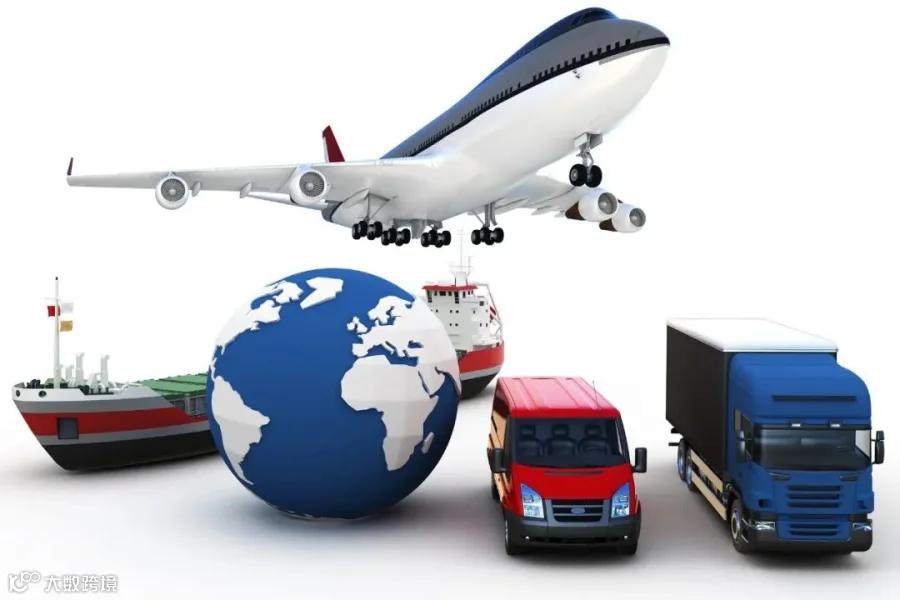
International transportation costs
Including:
•small-parcel shipping;
•special-line services;
•air freight;
•ocean freight;
•first-leg transportation.
Import compliance
& regulatory costs
Including:
•customs duties;
•taxes;
•customs-clearance service fees;
•document-processing costs;
•compliance-documentation preparation costs.
Downstream delivery costs
Including:
•local European delivery;
•return handling;
•second delivery attempts;
•customer complaint handling;
•inventory transfers
The traditional small-parcel model reflected the import and logistics environment in which it was developed. As supply chains continue to evolve, businesses should also consider a more fundamental question:
How does the full import and delivery chain affect the overall commercial performance of each product?
03

The second factor to reassess:
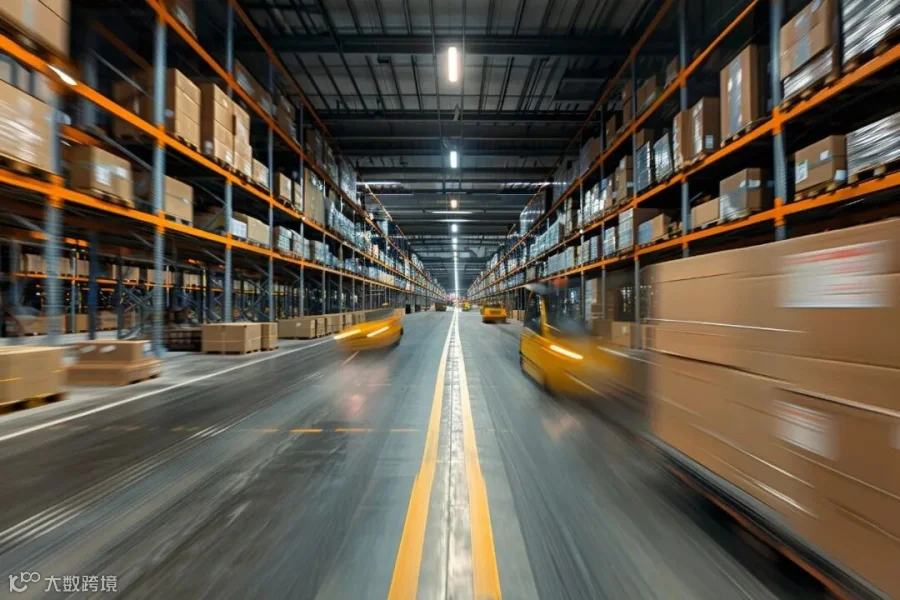
Choosing the right logistics
model for long-term growth
Following changes to the low-value parcel rules, many sellers need to reassess whether they should:
continue shipping directly from China,
or hold inventory locally in Europe.
01
Direct shipping from China
Advantages:
•no need to stock goods in advance;
•lower capital pressure;
•greater flexibility when testing new products.
Limitations:
•longer delivery times;
•less control over the import process;
•customer experience is more exposed to logistics uncertainty;
•higher return-handling costs.
02
European warehouse or fulfillment model
Advantages:
•faster local delivery;
•more consistent customer experience;
•easier return handling;
•more suitable for products with established sales volume.
Limitations:
•inventory must be prepared in advance;
•inventory management becomes more demanding;
•more capital is tied up;
•warehousing costs need to be carefully calculated.
The future choice is not:
"All sellers must switch to European warehouses."
The more accurate conclusion is:
Different products and different stages of market development require different logistics models.
For example:
Products More Suitable for Continued Direct Shipping
•products still in the testing stage;
•businesses with many SKUs but unstable sales volumes;
•products with relatively high inventory risk.
Products More Suitable for European Warehousing
•proven bestsellers;
•products with high repurchase rates;
•higher-value products;
•goods for which delivery speed is an important part of the customer experience.
A mature cross-border business does not rely on one logistics method for every product.
Instead, it builds a closer match between:
product life cycle + inventory strategy + logistics model.
04

The third factor to reassess:
Is the product structure aligned
with the future European market?
In the past, many cross-border sellers followed a broad product-testing model:
launch large numbers of SKUs → test the market quickly → identify successful products through sales data.
This model was easier to operate when logistics and import costs were relatively low. Effective SKU management remains essential, particularly as supply chains and regulatory requirements continue to evolve.
The more SKUs a business carries:
•the more complex product-data management becomes;
•the more difficult HS code management becomes;
•the more demanding customs-clearance documentation becomes;
•the greater the inventory-management pressure becomes.
This is particularly relevant for:
•multi-material products;
•combination products;
•customized products;
•products with complex functions.
Greater attention will need to be paid to:
•whether product classifications are clear;
•whether product descriptions are accurate;
•whether HS codes are reasonable;
•whether declaration information is consistent.
In the past, businesses could adopt more flexible approaches to product testing and market validation.
In the future, success may depend more on:
refined supply chain management.
05

The fourth factor to consider:
Compliance requirements
alongside logistics costs
Many cross-border sellers have traditionally viewed logistics issues mainly as transportation issues.
However, when operating in the European market, businesses should pay particular attention to:
•product information;
•import declarations;
•document preparation;
•product compliance.
For example, if the same product has:
•an inaccurate product description;
•an incorrect HS code;
•an unreasonable declared value;
•inconsistent information across documents;
Where product information or import documentation requires clarification, additional procedures may include:
•customs-clearance delays;
•requests for supplementary documents;
•additional costs;
•deterioration in the customer experience.
The future of cross-border logistics competition will therefore not be determined only by:
"Who can ship more cheaply?"
It will increasingly depend on:
"Who can help businesses complete the import process more consistently and compliantly?"
06

The fifth factor to consider:
The impact of logistics on
customer experience
Another point that sellers often underestimate is that logistics affects not only cost, but also sales performance.
European consumers pay attention to:
•delivery speed;
•parcel tracking;
•ease of returns;
•after-sales responsiveness.
If a change in logistics model leads to:
•longer delivery times;
•increased customs-clearance waiting;
•higher return costs;
the impact will not be limited to logistics expenditure.
It may also affect:
•conversion rates;
•platform ratings;
•customer reviews;
•long-term brand value.
For this reason, the right question is no longer only:
"How much does this logistics solution cost?"
A more important question is:
"Can this logistics model support long-term sales?"
07

What should cross-border
sellers prepare in advance?
Changes to the EU's low-value parcel rules do not mean that sellers must immediately abandon their existing models.
However, several actions should be taken in advance.
Recalculate:
•product costs;
•logistics costs;
•import costs;
•return costs;
•European warehousing costs.
The small-parcel cost model may need to be adapted to reflect changing logistics, compliance and delivery requirements.
It is advisable to organize:
•product names;
•materials;
•intended uses;
•HS codes;
•supplier information;
•product certifications;
•applicable European-market requirements.
Transparent and consistent data are essential components of efficient European import processes.
Businesses should avoid relying on only one option.
Possible models include:
• Plan A: Direct shipping from China
• Plan B: European warehouse or fulfillment inventory
• Plan C: A hybrid model combining direct shipping and European warehousing
The appropriate model should be adjusted according to the product's stage in its life cycle.
Cross-border sellers need to clarify:
•who is responsible for the import declaration;
•who is responsible for duties and taxes;
•who provides the product information;
•who handles exceptions.
Import-side responsibility becomes increasingly important when operating in the European market.
Many businesses follow this sequence:
policy change → operational problem → business adjustment.
However, supply chain changes require time, including:
•testing a new logistics solution;
•building inventory in a European warehouse;
•optimizing the product portfolio;
•improving the compliance-documentation system.
The earlier the preparation begins, the lower the adjustment cost is likely to be.
08

How will cross-border logistics
competition evolve in the future?
Changes to the low-value parcel rules reflect a broader shift in the European market.
The focus is moving from:
"Entering the market quickly"
towards:
"Operating in the market consistently over the long term."
The future value of cross-border logistics will not be limited to:
delivering parcels to consumers.
More importantly, logistics partners will need to help businesses determine:
•which logistics model is suitable for each product;
•how to ensure smoother import operations;
•how to optimize inventory placement;
•how to improve local delivery capability in Europe;
•how to make the overall supply chain more stable.
In its Europe-related logistics operations, D.B. Group focuses not only on transportation, but also on connecting:
•international transportation;
•customs clearance;
•warehousing;
•local distribution;
•supply chain coordination.
Through complete logistics solutions, D.B. Group supports cross-border businesses in selecting European supply chain models that are better aligned with their product characteristics and stage of market development.
Conclusion

Changes to the EU's low-value parcel rules do not necessarily mean fewer opportunities for cross-border sellers.
However, they do send a clear message to the industry:
The European market is evolving, with increasing emphasis on supply chain resilience, compliance and operational efficiency.
The cross-border businesses that remain competitive in the future may not necessarily be those with the lowest shipping costs.
They are more likely to be businesses that:
•have a clear understanding of European market requirements;
•place greater emphasis on import compliance;
•plan inventory more carefully;
•select logistics models more strategically.
Because the real competition in cross-border trade has never been only about: selling the product.
It is about: delivering it to European consumers consistently, efficiently, and over the long term.
About D.B. Group
As a long-term logistics partner serving international supply chains and the European market, D.B. Group focuses not only on cross-border transportation itself, but also on helping clients build supply chain solutions that are better suited to long-term development in Europe.
From international transportation and import customs clearance to warehousing management and destination delivery, D.B. Group places greater emphasis on aligning logistics solutions with each client’s product characteristics, sales model, and market requirements. This helps businesses optimize logistics routes, improve supply chain transparency and delivery stability, and support the long-term development of their cross-border operations in the European market.
END