APICS国际供应链及运营管理协会权威认证课程
面对将踏入的ABCD5时代(人工智能(Artificial Intelligence)、区块链(Block Chain)、云计算(Cloud)、大数据(Big Data)和5G),供应链的自身变革步伐也在加快,供应链策略越来越受到企业的重视,企业的供应链管理架构将面临调整,供应链中的计划、物流、采购、制造等环节也将随之改变,对每一个供应链专业管理人员的职业生涯来说,也将面临新的挑战和突破,因此学习对于自身和企业的发展尤为重要。
CLTD物流运输与配送管理的认证项目提供给你满足当今供应链物流的变革所需要的信息。作为全球最大协会的供应链与运营管理协会,为了更广泛深入地支持全球企业的供应链发展,APICS的相关领域的专家团队设计开发的专业认证项目,她涵盖了代表全球标准的物流,运输和配送领域全面的知识体系和最佳实践。
我为什么要系统性的学习?
1. 点、碎片的积累
■ 由碎片的、零散的、孤立的知识点积累,不能称为专业;
■ 在一个系统环境下的知识点积累,也只能适用于此环境;
2. 多年的经验可能称不上“专业”
■ 多年的经验积累,不能代表专业,有可能是多年的重复!
■ 经验不代表逻辑;点的积累需要通过逻辑整理、系统学习和实践,才能升华到专业;
3. 建立属于你的专业知识体系
■ 你需要掌握其底部逻辑,而不是零星的心得,微信专业文章或单个环节的课程;
■ 你需要成为拥有一套完整科学思路和系统缜密方法的专业人士,而不是碎人;
■ 因为你的职业生涯是在不同环境中动态发展,需要全面掌握专业知识体系;
课程背景:
物流管理环节多(从供应商到客户)、流程长、外部环境复杂、风险大、可控性差等特点,供应链物流经理人更需要专业的学习和提升,才能应对复杂多变的环境,强化自己职场竞争力并为公司提供超价值的服务。那么如何提升物流管理的专业知识和技能?
■ APICS汇集各类物流证书的基础上,研究了最新物流管理和物流技术,结合了SCOR框架的供应链管理综合知识,重新定义并开发了APICS里程碑的CLTD物流知识体系。新推出的CLTD 2.0对CLTD学习系统和考试都做了更新,这也是一次CLTD认证推出以来进行的重大改变。
■ CLTD扩展了目前各类物流经理证书的内容,弥补了其单一偏向于物流业知识的不足。
■ CLTD从端到端的供应链理念对物流经理人知识与技能进行了加固,以物流管理为中心,向上扩展到制造业需求订单的源头、制造业的S&OP计划管理、原料供应商物流和厂内物流管理,向下延伸到制造业对产品分销全渠道管理和物流行业传统的仓库、运输管理以及承接制造业的VMI、JIT等供应链物流外包新业务管理。
■ CLTD将为物流职业经理人带来了世界级专业能力提升,并必将成为供应链物流专业证书中如CPIM、CSCP、SCOR-P一样,成为其各自领域内的专业证书领导者。
■ 获得CLTD专业证书,是物流经理的专业资格必备,也是通向供应链物流总监的专业基石。
课程特色:
■ 课程采用APICS 英文原版教材和软件,可选择中/英文授课语言
■ 由具有精湛讲课技巧,丰富实践经验,活跃在管理及咨询领域的资深专家授课
■ 采用世界最具权威性和公信力的概念和术语,与全球产业的共同管理语言接轨
■ 提供网上学习账号,可查询,做练习,便于备考
■ 课程内容完整连贯,构建全方位的供应链管理专业知识体系
■ 课程全面涵盖认证考试内容,有助于考取“CLTD 物流经理”资格认证
适合对象:
■ 适合所有工业领域的物流专业人士,特别合适如下
■ 制造业、矿产能源业的供应链物流经理人、高级经理、总监;
■ 零售、分销行业的物流经理、物流计划管理人、DC经理等;
■ 3PL、供应链物流服务行业和进出口公司的相关经理人;
■ 供应链优化、精益物流、订单、包装管理人员;
■ 供应链管理培训师、咨询师、顾问;
■ 供应链管理软件工程师、实施顾问;
■ 物流管理研究人员、学者、大学物流相关老师等
课程目标:
■ 掌握物流、运输和配送领域的核心知识
■ 为所在公司带来新的思想
■ 与全球物流趋势和发展同步
■ 增加你作为物流专家的自信
■ 降低成本和为企业创造收益
知识体系:
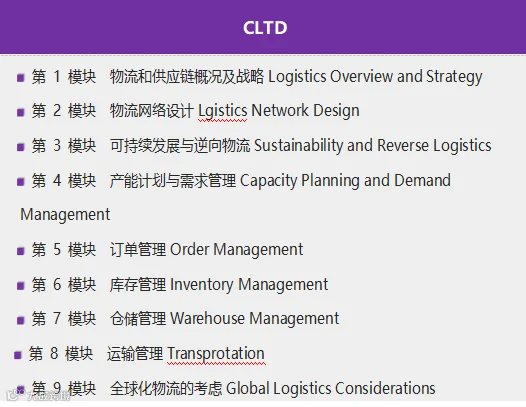
版权教材:
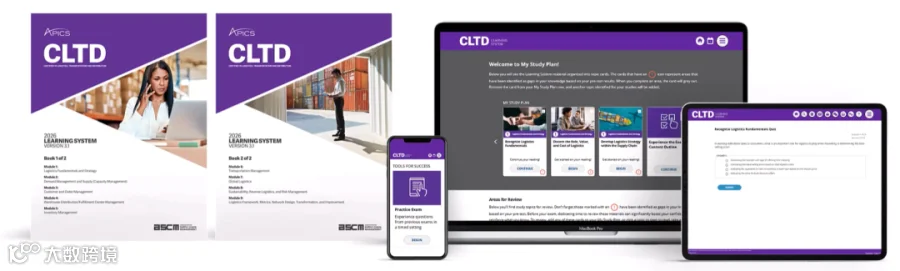
资料构成:
课程使用的CLTD学习系统包括: 教材课本分为9个模块,2本美国进口原版教材。
■ 一个APICS在线学习账号,网上辅助学习系统CLTD Learning System
■ 可以方便使用移动设备学习
■ 每个模块有相应的学习活动
■ 可提供详尽的个人进度报告
培训师资:
由具有精湛讲课技巧,丰富实践经验,全球认证的资深专家授课
■ 采用世界最具权威性和公信力的概念和术语,与全球产业管理的共同语言接轨
■ 小班授课, 更多讨论和案例研究
■ 课程内容知识完整连贯
■ 课程内容覆盖认证考试内容,有助于通过CLTD供应链职业人专业资格认证
考试安排:
改革后的考试没有具体的时间限制,可以随时约考
■ 考试总计150题目,其中20题目是测试题
■ 考试三个半小时
■ 350分为满分,300分为通过
■ 课后需准备75-100小时复习
如何再认证:
再认证为五年,需要累积75个再教育学分
培训费用:
Boundle Price(赠送一次补考机会)
■ APICS Plus Member(高级会员年费)1,600元
■ Exam Price (考试费)& 学习系统(书籍及一年在线学习账号)捆绑价14,400元
■ 培训费9,980 元(经典线下班)
■ 总计费用 25,980 元
Boundle Price(赠送一次补考机会)
■ APICS Plus Member(高级会员年费)1,600元
■ Exam Price (考试费)& 学习系统(书籍及一年在线学习账号)捆绑价14,400元
■ 培训费6,500 元(全面网络班)
■ 总计费用 22,500 元
联系我们:
郭娜 Nancy,13693329318(手机/微信)
课程大纲:(英)
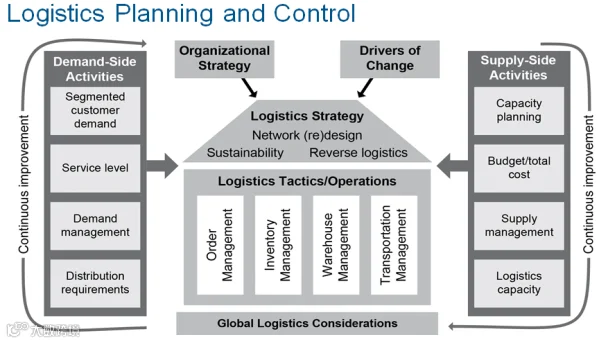
Module 1: Logistics Overview and Strategy
■ Outlining the principles that make logistics useful, including economic drivers
■ Understanding how logistics fits within supply chain management
■ Managing logistics strategy, including the logistics value proposition
■ Developing flexible logistics frameworks and collaborative relationships
■ Exploring strategic-level risk management
■ Using fundamental performance measurements and benchmarking
■ Implementing reengineering and continuous improvement philosophies
Module 2: Logistics Network Design
■ Implementing a logistics network design process
■ Considering transportation requirements driving logistics network plans
■ Using tools and analyses to select node patterns and links
■ Adopting risk management
■ Planning for network security and business continuity
Module 3: Sustainability and Reverse Logistics
■Understanding how logistics plays a key role in demonstrating organizational social responsibility
■ Managing the triple bottom line, including carbon footprint reductions and green initiatives
■ Selecting vendors based on sustainable practices
■ Demonstrating responsibility when handling and managing hazardous and dangerous materials
Module 4: Capacity Planning and Demand Management
■ Understanding the basics of forecasting including various types of forecasts
■ Shaping demand for logistics services
■ Translating demand information into planning for transportation and warehousing capacity
■Providing input during S&OP and participating in collaborative planning, forecasting, and replenishment
■ Planning for distribution requirements
■ Managing supply, including ERP master scheduling
■ Developing a process and selecting a purchasing strategy
Module 5: Order Management
■ Performing customer relationship management during order management activities
■ Implementing CRM to strengthen relationships
■ Meeting customer needs
■ Achieving service levels according to customer demand
■Managing the process steps and logistics decision points of inbound, intracompany, and outbound order management
Module 6: Inventory Management
■ Understanding inventory management, planning, and control
■ Contrasting stakeholder expectations for inventory management
■ Summarizing the different functions or purposes inventory serves in a business
■ Illustrating the major types of inventory costs
■ Differentiating approaches to safety stock and determinations of when to order
■ Performing calculations related to standard deviation, economic order quantity, and reorder points
■ Describing lean, just-in-time, ABC, vendor-managed inventory, and other alternative approaches
■ Listing common performance metrics
Module 7: Warehouse Management
■ Understanding warehousing strategies and determining which to use
■ Considering physical aspects and tactics related to warehousing design
■ Exploring warehousing challenges and trends
■ Summarizing warehouse ownership types and functions
■ Determining warehouse operations performance measures
■ Diving deep into warehouse processes, layouts, materials handling, systems and automation, and packaging
Module 8: Transportation
■Outlining transportation fundamentals including cost structure, stakeholders, capabilities, carrier types, mode classifications, and selection considerations
■ Diving deep into the modes of transportation including road, rail, air, water, pipeline, intermodal, and parcel/courier
■ Managing transportation according to guiding principles
■ Considering tradeoffs when designing transportation networks, selecting carriers and modes, and planning routes and schedules
Module 9: Global Logistics Considerations
■ Examining current factors in the global logistics space
■ Staying competitive while balancing cost and level of service
■ Exploring the history of international trade theories and infrastructure
■ Discussing global logistics performance indicators and trade specialists
■ Complying with international trade regulations
■ Preparing customs documentation
■ Discussing finance, payment options, terms of sale, payment methods, currency issues, trade zones, and hedging