


Global EV exports continue to grow.
Under maritime regulations, battery-powered vehicles fall under UN3171, Class 9 dangerous goods.
This classification fundamentally changes how such shipments must be managed.
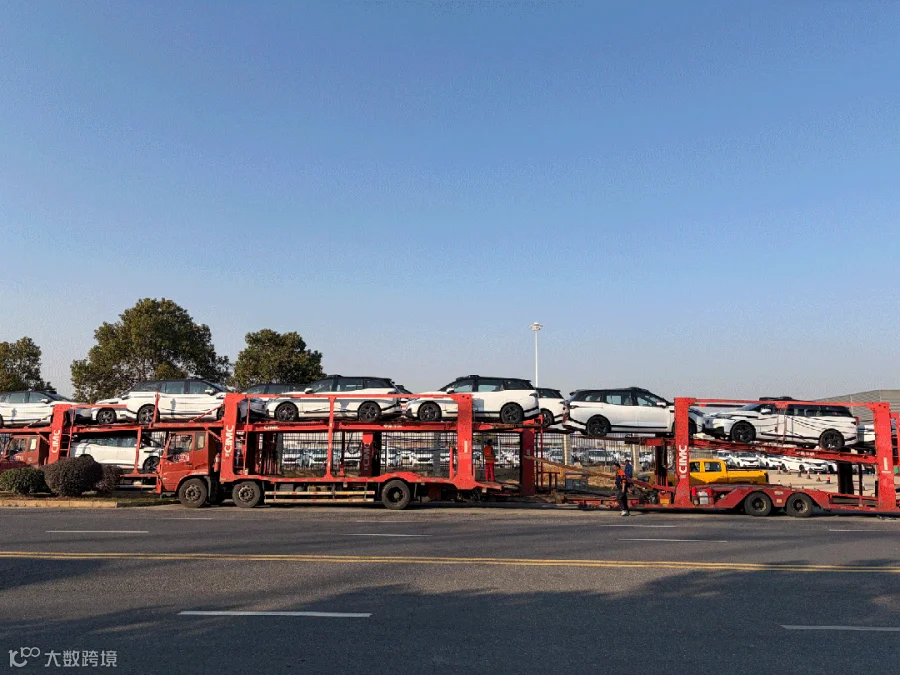
Recently, M&M China handled a full-container export involving:
• 30 battery-powered vehicles
• 15 × 40’ High Cube containers
• Full dangerous goods declaration
• Ocean transport to Jebel Ali Port
The operation required coordinated control of vessel space, regulatory compliance, and time-sensitive execution.
Vessel Space as a Critical Variable
Dangerous goods vessel space remains limited.
Carrier approval procedures are strict, and declaration windows are narrow.
In this case, key documentation was finalized under compressed timelines. Through early coordination and direct engagement with carriers, all 15 containers were secured ten days before departure.
For Class 9 cargo, vessel space allocation is not procedural — it is strategic.
Documentation Under Cut-Off Pressure
Final transport appraisal certificates and confirmed dangerous goods data were received less than 48 hours before carrier cut-off.
The response relied on process discipline rather than speed:
• Pre-defined documentation templates
• Parallel coordination across operations, documentation, and customs
• Cross-verification of UN number, Proper Shipping Name, container data, and VGM
The shipment proceeded without amendments or delay.
In dangerous goods logistics, documentation accuracy determines operational continuity.
On-Site Execution Standards
EV container loading requires structured control measures:
• Battery charge level verification
• Transport mode confirmation
• Securing in accordance with CTU Code guidelines
• Controlled spacing and ventilation considerations
Within 1.5 working days, all 15 containers were positioned, loaded, secured, and documented.
Operational tempo remained secondary to compliance and cargo stability.
System Capability Over Single-Shipment Performance
As EV exports scale, ocean transport complexity increases.
Beyond container movement, operators must manage:
• Dangerous goods regulatory frameworks
• Vessel space strategy
• On-site execution discipline
• Cross-functional coordination
This shipment reflects the operational structure required for EV Class 9 transport.
In a market where export volumes continue to expand, process stability and compliance control remain the primary differentiators.
新能源出口仍在加速,但一个事实常常被忽略——新能源汽车,在国际海运体系中属于 UN3171,第9类危险品。这意味着,它不只是整柜海运操作,而是一场关于舱位资源、合规体系与现场执行力的综合考验。
近期,M&M中国完成了一票新能源整柜出口项目:
• 30台新能源汽车
• 15×40HQ整柜
• 全流程危险品申报
• 海运至 杰贝阿里港
在看似常规的整柜运输背后,是多重变量的叠加与系统能力的验证。
舱位管理,本质是风险管理
在当前航运市场环境下,危险品舱位持续紧张。9类危险品审批流程严格、申报窗口有限,一旦文件节奏与船期错位,项目便会陷入被动。
本次项目中,关键单证最终确认时间被大幅压缩。团队通过前置沟通、多渠道协调与紧急申报机制,在开船前10天成功锁定15个高柜舱位。对于新能源车辆海运而言,舱位获取能力本身,就是核心竞争力之一。
48小时的文件压力测试
危险品运输从来不是“资料齐了再处理”。在截单前不足48小时,运输鉴定书与最终危险品数据才最终确认。
这类场景下,考验的不是单点效率,而是体系成熟度:
• 提前模板化文件清单与格式规范
• 操作、单证、报关团队并行启动
• UN编号、运输名称、箱号及VGM数据双重交叉审核
最终实现零改单、零延误完成危险品申报。在危险品运输领域,真正的能力在于把风险消化在截单之前。
现场执行:速度必须建立在安全之上
新能源车辆装箱,并非简单入柜。电量控制、运输模式确认、车辆固定方式、箱内通风间距——每一个细节都直接影响海运过程中的稳定性与安全性。
在1.5个工作日内,团队完成:
• 15个集装箱调度与进港安排
• 30台车辆装箱作业
• 专业绑扎与影像留存
严格遵循国际加固规范与危险品运输标准,确保车辆在整个海运周期内保持稳定状态。速度是结果,安全才是底层逻辑。
新能源出口,正在进入“体系能力”竞争阶段
随着中国新能源车辆持续走向全球市场,出口运输的复杂度正在显著提升。
它不再只是整柜装运,而涉及:
• 危险品合规体系
• 舱位资源整合能力
• 高强度现场执行
• 跨团队协同效率
当新能源车成为全球流通货物,运输能力也必须同步升级。本次项目的顺利完成,不仅是一票货物的出运,更是一套新能源危险品海运操作体系的集中验证。
未来,专业化与标准化,将成为新能源出口运输领域的真正门槛。