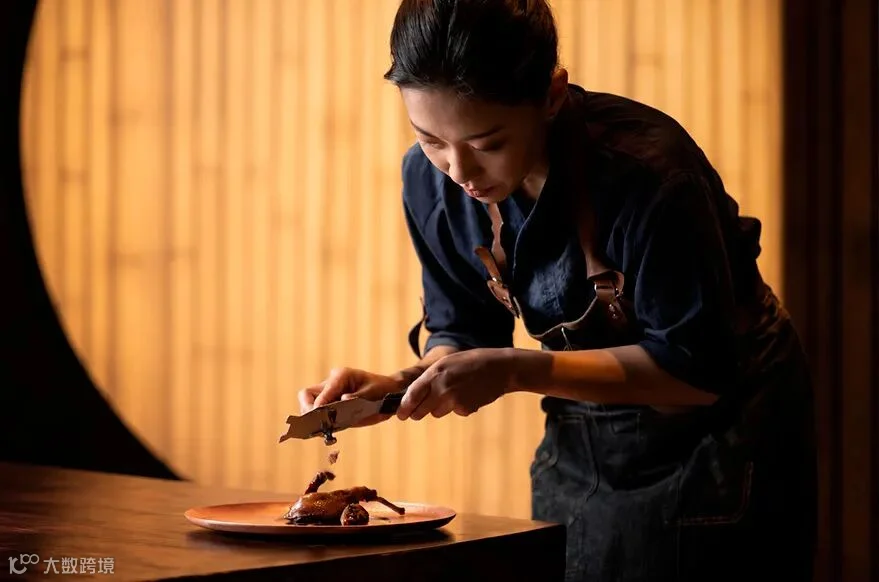
EIGHT (Yongkang Lu)
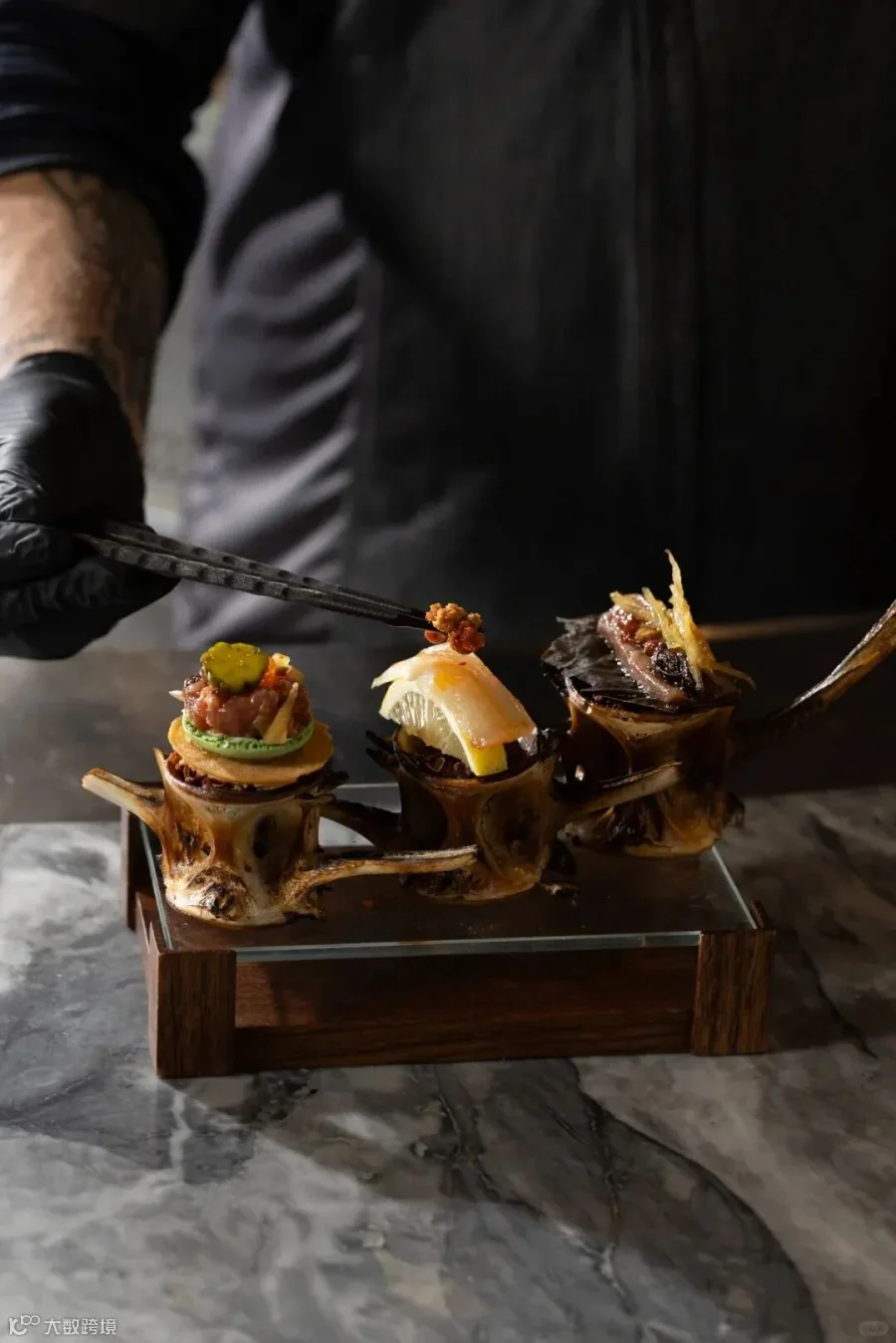
What is it? Chef Gabo's latest project is split between two very different experiences under one roof: an eight-seat chef's table downstairs and a relaxed sharing restaurant upstairs. The food is built around what he calls "Chífané"—his own take on cross-cultural cooking, drawing from the Chinese roots of Peru's Chifa cuisine while mixing in influences picked up through years cooking in South America, Spain and China.
The Chef: Led by Chef Gabo, whose career has taken him from South America to Spain and, for the past decade, China. His cooking naturally borrows from all three, blending Chinese techniques with Mediterranean and Latin American flavours rather than sticking to any single tradition.
The Menu: Downstairs, UNDER serves an eight-seat chef's table with a tasting menu that changes according to what's available. Upstairs, CANTINA takes the same cross-cultural philosophy into a more casual setting, with shareable plates that borrow freely from Chinese, Mediterranean and South American cooking.
The Damage: UNDER Chef's Table tasting menu: RMB 888 per person. CANTINA is available à la carte.
Good For: Groups, date nights, diners who can't decide between a chef's table and something more casual.
Nabi
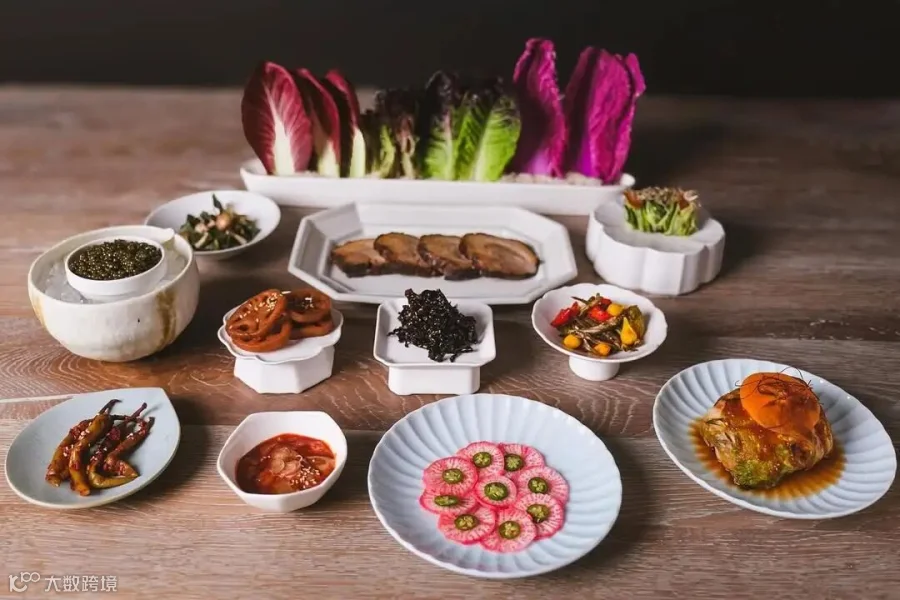
What is it? One of Shanghai's most talked-about chef's tables, serving contemporary Korean cuisine that goes well beyond BBQ and bibimbap. NABI is Chef Tom Ryu's restaurant that he opened after leaving Jeju Sagye. The experience blends regional Korean cooking with seasonal Chinese ingredients, presented in an intimate open-kitchen setting.
The Chef: Tom Ryu is one of the biggest names in Shanghai's Korean dining scene. Raised in a restaurant family rather than classically trained, he opened his first restaurant in Korea in his twenties before moving to China in 2016. After turning Jeju Sagye into one of the city's hardest tables to book, he left to launch his own restaurant group, with NABI as its centrepiece. He's known for treating Korean cuisine as something far broader than its greatest hits, and for going to unusual lengths, including importing his own ingredients, to realise that vision.
The Menu: A seasonal tasting menu that explores Korean regional cooking through a modern lens. Rather than reinventing Korean food for the sake of it, the menu digs into lesser-known traditions, combining Korean techniques with carefully sourced Chinese ingredients. It changes regularly with the seasons, so repeat visits are part of the appeal.
The Damage: RMB 1,388 per person for the 12-course tasting menu, plus a 10% service charge.
Good For: Korean food beyond the usual BBQ, special occasions, and anyone curious why Tom Ryu has such a loyal following.
Ling Long
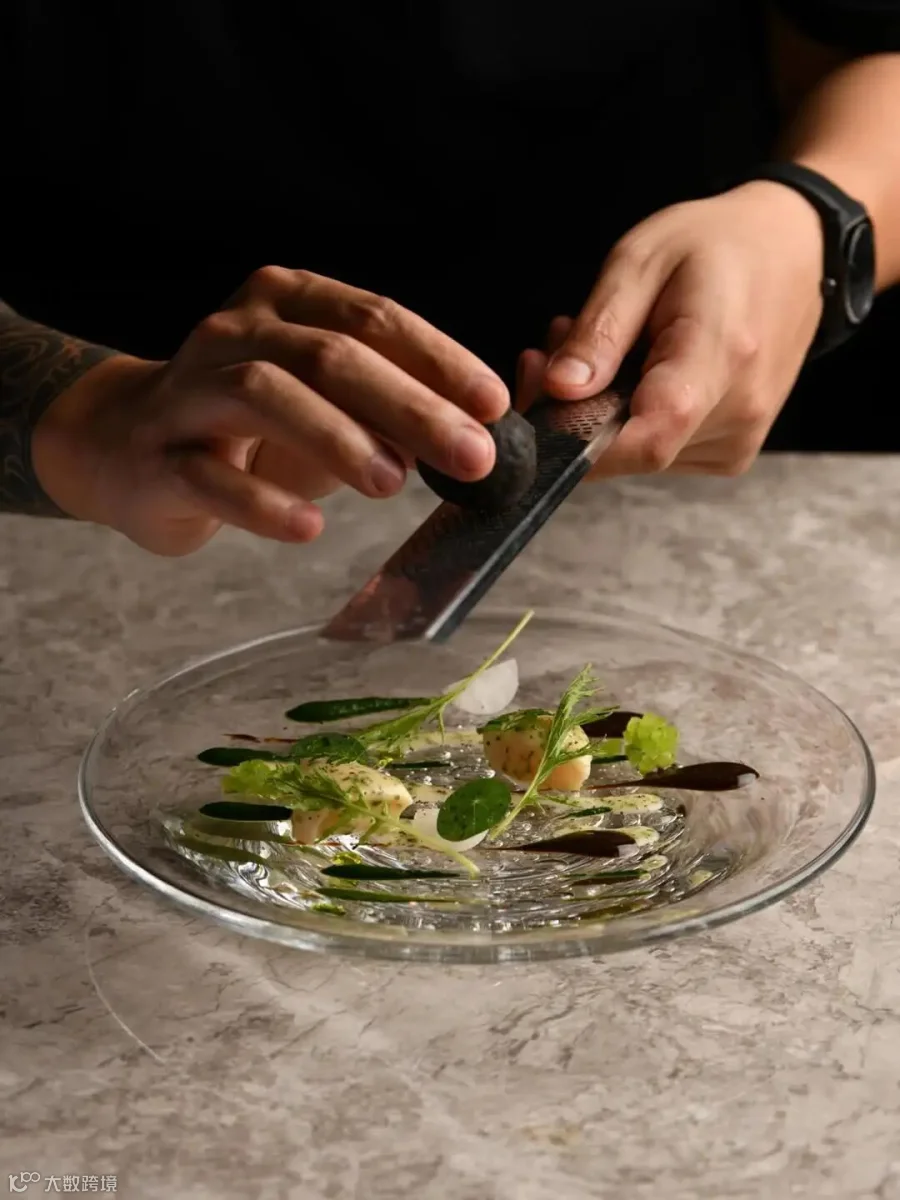
What is it? One of Shanghai's best examples of modern Chinese fine dining. Hidden inside the Waldorf Astoria, Ling Long takes familiar Chinese flavours and reimagines them through the lens of fine dining, pairing regional ingredients and nostalgic references with French technique. The result feels recognisably Chinese rather than simply Western food with local ingredients.
The Chef: Chef Jason Liu has built his reputation around what he calls "Refine Dining", using modern techniques to reinterpret Chinese classics without losing their identity. Rather than chasing novelty for its own sake, many of his dishes start with childhood memories, regional recipes, or familiar street foods before being rebuilt in a fine-dining format.
The Menu: Seasonal tasting menus unfold almost like a story, with courses grouped into different "acts." Expect elegant takes on Chinese classics—beef in oyster sauce, pigeon, fish maw, Taiwanese beef noodle soup—alongside playful desserts inspired by childhood sweets. It's polished and occasionally theatrical, but always rooted in Chinese flavours.
The Damage: RMB 2,180 per person for a 9-course menu, plus a 15% service charge.
Good For: Business dinners, special occasions, and anyone curious what modern Chinese fine dining looks like.
Taian Table
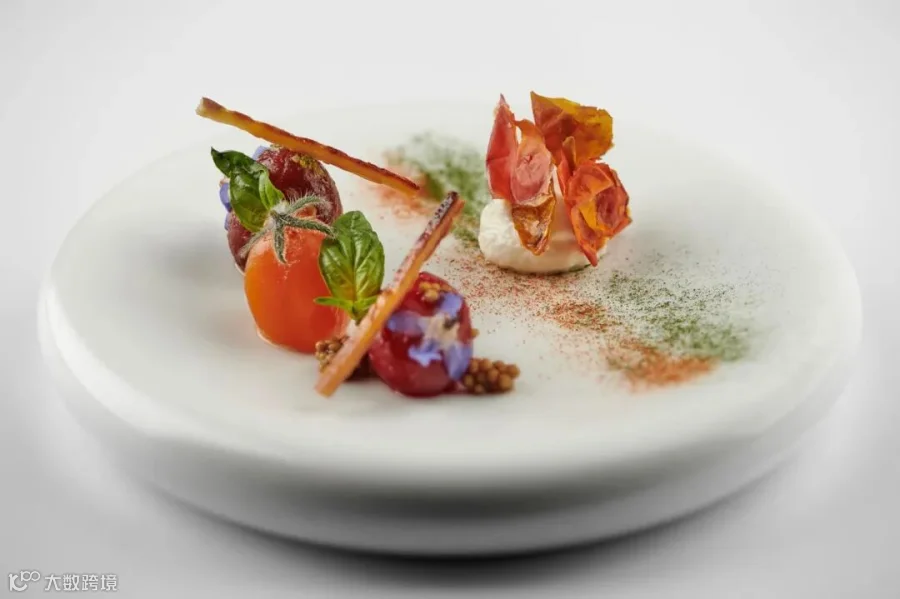
What is it? Shanghai's only remaining three-Michelin-star restaurant (after Ultraviolet's closure). But its significance goes beyond the stars. When Taian Table opened, "fine dining" still mostly meant grand restaurants on the Bund (where Stiller himself once ran the sprawling Stiller's on the Bund). Instead, he stripped the whole thing back to a 14-seat chef's counter, helping popularise the smaller, kitchen-first format that's now commonplace. The seasonal tasting menu is also in near-constant rotation, with Stiller regularly reworking dishes around what's available rather than sticking to a signature lineup.
The Chef: Stefan Stiller arrived in Shanghai after earning a Michelin star in Germany, and was already a familiar name on the city's dining scene through his restaurant Stiller's on the Bund, years before the Michelin Guide came to China. Today, he's one of the country's longest-standing three-star chefs, known for an uncompromising approach to seasonal ingredients and a menu that's constantly evolving.
The Menu: A 10–12 course seasonal tasting menu that changes regularly, blending European techniques with Asian influences.
The Damage: RMB 2,888 pp for a 10-course menu.
Good For: Serious foodies, anniversaries, first-time Michelin experiences, impressing visiting parents.
Obscura
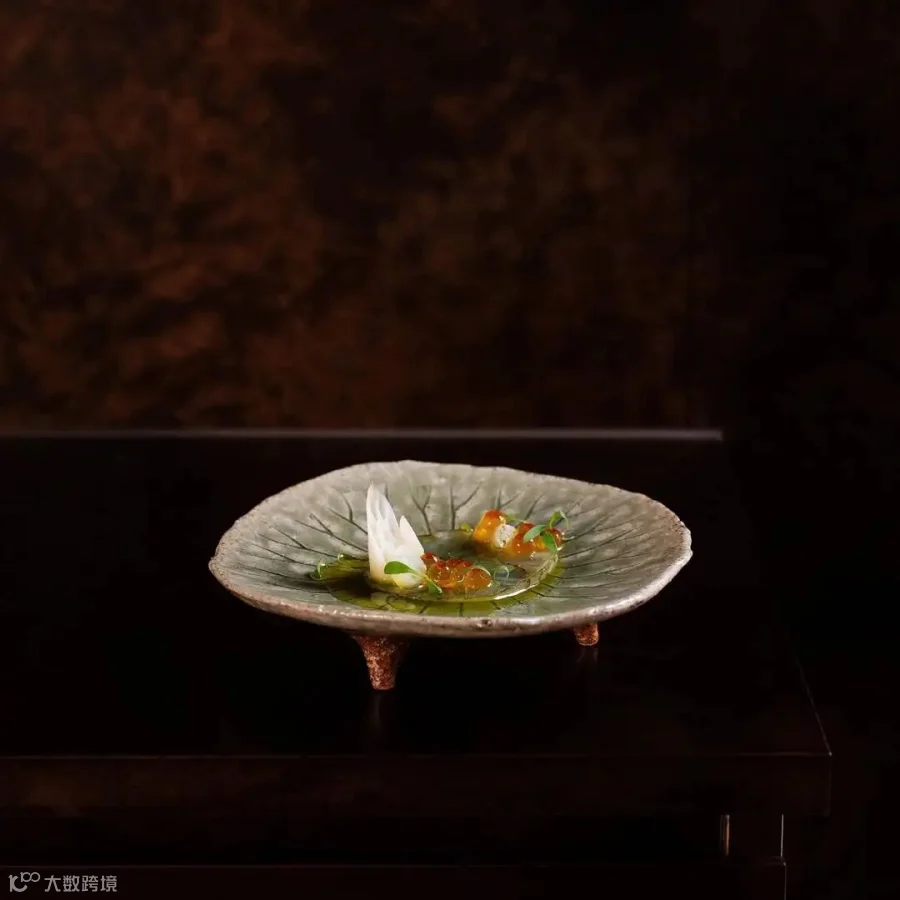
What is it? Obscura is one of the more interesting takes on modern Chinese fine dining in Shanghai. Following a change in ownership and kitchen, the restaurant reinvented itself under Chef Zhang Jian, who builds seasonal tasting menus around flavours and techniques collected from across China rather than focusing on a single regional cuisine. The setting is intimate, with counter seating looking straight into the kitchen.
The Chef: Chef Zhang Jian made his name earning a Michelin star at Yong in Guangzhou before taking over Obscura. Trained in Michelin-starred kitchens including André Chiang's The Bridge and the acclaimed Yu Zhi Lan in Chengdu, he combines classical fine-dining technique with a distinctly Chinese point of view. His own roots are in Sichuan, but his cooking draws inspiration from regional cuisines across the country.
The Menu: Choose between two seasonal tasting menus that reinterpret familiar Chinese flavours through modern technique. Signature ideas include the famous "Eight-Second" geoduck, dishes inspired by regional Chinese classics, and the restaurant's playful "Blind Box," where diners draw a card and the kitchen prepares a surprise course on the spot. Tea pairings are particularly strong if you're skipping wine.
The Damage: RMB 1,780 per person for an 11-course menu, plus a 10% service charge.
Good For: Adventurous eaters, special occasions, and anyone looking for a modern take on Chinese cuisine.
***