

实践城市更新项目中的尺度、愿景与合作
Scale, Vision and Partnership in Practicing Urban Regeneration Projects
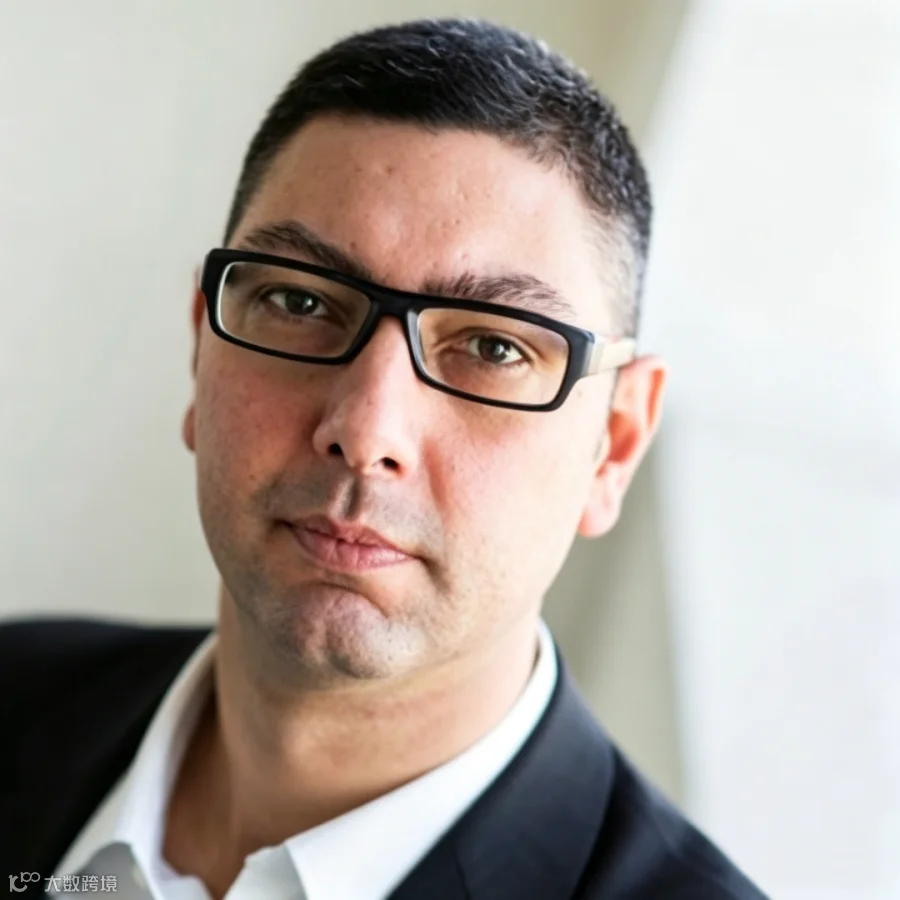
Carlo Castelli
卡洛·卡斯泰利
卡洛·卡斯泰利现任城市土地学会欧洲城市更新理事会联合主席,同时是伦敦政治经济学院全球房地产集团执行委员会成员。他曾为全球多项具有重要影响力的城市项目提供战略咨询与指导,包括爱丁堡市中心转型计划、伦敦梅里迪安水岸更新项目(与Jacobs合作),以及联合国开发计划署为利雅得市制定的能力建设计划。他是一位拥有25年工作经验的建筑师和总体规划师,曾主持和指导多项不同规模的国际和跨学科项目,尤其擅长空间战略以及与社会经济发展、交通建设相关的研究。
Q=Question A=Answer
Q: Thank you for joining us today. We're eager to hear about your experience, expertise, and perspective on urban regeneration.We're particularly interested in the practices you've implemented in your projects and the insights you've developed over the years. Perhaps you could begin with a brief introduction of yourself, and then I'll move on to my questions.
问:感谢您今天接受我们的采访。我们非常期待听到您在城市更新方面的经验、专业知识和见解。特别是您在各类项目中的实践以及多年来形成的独到观点。或许您可以先做一个简要的自我介绍,随后我开始提问。
A:Absolutely. Thank you, Li, for the opportunity. It's a pleasure to be with you and to share some of my experience on urban regeneration, which is one of my great passions—if not the main one. Well, perhaps cities themselves are my main passion, and that's because cities are fundamentally about people coming together. That's why I consider myself so lucky to do what I do. By background, I'm an architect and master planner, and I've spent almost half of my career in each of those camps. I believe this is something we can really capitalize on, a point I'll return to later.
答:非常荣幸,也非常感谢您给予我这次机会。很高兴能够与您交流,并分享我在城市更新领域的一些经验——这无疑是我满怀热情投入的事业,甚至可以说是我最核心的热情所在。事实上,也许我真正热爱的是“城市”本身,因为城市的本质正是人与人相聚、互动、共同生活的场所。因此,我一直觉得能够从事现在的工作非常幸运。从专业背景来说,我是一名建筑师兼总体规划师,这两个领域在我的职业生涯中几乎各占一半时间。我认为,这种跨领域的经验为我们带来了独特的优势,稍后我会再谈到这一点。
I worked as an architect and master planner for many years, but most recently I've been introducing myself as a city solutions expert. I truly believe that urban regeneration and city development are highly interconnected processes, where systems thinking and collaboration are critical to achieving the outcomes we want. For the last 12 to 15 years, I've worked within large, multidisciplinary organizations like AECOM and Jacobs, where I led the Cities team for Europe. About three years ago, I started my own urban consultancy called Urban Purpose, which is focused on an integrated approach and systems thinking. We also strive for what I've nicknamed a "Purpose Case" approach, which looks at quality of life and well-being as core to the success of our projects.
我从事建筑师和总体规划师工作多年,但最近我开始介绍自己是城市解决方案专家。我坚信城市更新和城市发展是高度互联的过程,其中,系统思维和协作对于实现我们期望的结果至关重要。在过去的12~15年里,我在AECOM和雅各布斯这样大型、包含多学科专业部门的机构工作,这期间我负责领导欧洲的城市团队。大约三年前,我创办了自己的城市咨询公司“城市使命”,专注于为城市提供综合方法和系统思维。我们也努力践行我称之为“目标导向”的方法,将生活质量和福祉视为项目成功的核心。
I've been lucky enough to work in many parts of the world. What I do nowadays also involves helping cities and local governments collaborate and learn from each other through capacity development programmes. More recently, I'm leading a programme for the UNDP in partnership with the Regional Municipality of Riyadh in Saudi Arabia. We're helping with capacity development, thought leadership, and international cooperation—bringing best practices in urban development to support the amazing pace of change happening in the city. That was a brief overview, but I thought it was useful to share a bit about my background and my passions.
我很幸运能够在世界各地开展工作。目前,我的工作包括通过能力发展计划支持城市和地方政府相互协作和借鉴。最近,我正在主持一个由联合国开发计划署与沙特阿拉伯利雅得地区市政局合作的项目。我们通过能力建设、思想引领和国际合作,引入全球城市发展的最佳实践,以支持这座城市正在发生的高速转型。这只是一个简要的概述,但我认为分享一下我的个人背景和工作兴趣会对这次访谈有所帮助。
Q: That's an amazing breadth of experience you have, from the UK to Saudi Arabia with the UNDP—truly international. And it clearly connects to your focus on integrated solutions, which is something we also strongly advocate for. So, to dig into that, what is your general understanding of urban regeneration? Not every urban planner or architect focuses on it specifically. In your view, what is it, and how important is it in shaping our cities?
问:您的丰富经验令人惊叹,从英国的项目到联合国开发计划署与沙特阿拉伯合作的项目——真正具有国际性。这显然与您对综合解决方案的重视紧密相连,这也是我们同样强烈倡导的。那么,深入探讨一下,您对城市更新的理解是什么?并非每位城市规划师或建筑师都特别关注它。在您看来,它是什么,它在塑造城市的过程中有多重要?
A:Thank you. And yes, I know we share many common values and methodologies, as we've discussed in the past. I believe regeneration is absolutely critical for tackling the global challenges we face. I always find it helpful to zoom out and take a global perspective. We see China, for instance, taking a lead in diversifying energy sources and in leveraging heritage as a core value for urban regeneration projects. It's fantastic to see these global challenges being addressed from this angle. As we often hear, the world is urban. I frequently say that everything is urban. Arguably, even what happens in the most remote corner of the Amazon is affected by urban dynamics. That's why we must be so deliberate in how we approach regeneration processes.
答:谢谢。是的,我知道我们有许多共同的价值观和方法论,正如我们过去讨论过的。我认为,城市更新对于应对当下面临的全球性挑战至关重要。放宽视野、以全局的角度思考问题很重要。例如,我们看到,中国在能源多元化和将遗产作为城市更新项目的核心价值方面都发挥着引领作用。从这一视角回应全球性挑战真是太棒了。正如我们常听到的,世界正在走向城市化。我常说,其实一切都与城市息息相关。可以说,即便是在亚马逊最偏远角落发生的事件,也会在某种程度上受到城市发展动态的影响。正因如此,在推进城市更新时,我们必须保持深思与审慎的态度。
We're also seeing a fundamental shift in lifestyles, local needs, and community expectations that we must address. This is why it's vital to bridge all scales of intervention at once. Even if you're acting at a master plan level—say, on a 10-hectare site—you must place that project within a regional, sometimes even a national, context, while also being able to drill down to the local details. On the other hand, you need to engage in a process that I believe must strike a balance between top-down and bottom-up. We, as the experts and specialists, have a role, but local communities must be involved as early as possible. It's about co-creation and building a shared vision to tackle urban regeneration.
我们还看到,生活方式、地方需求和社区期望正在发生根本性转变,而我们必须对此作出回应。这就是为什么在城市更新中需要同时关注不同尺度的干预措施。即使你在总体规划层面开展工作,比如在一个10万平方米的场地上开展工作,也必须将该项目置于更大的区域背景下,有时甚至须从国家层面去审视,同时还须深入具体的地方层面。另外,城市更新需要在自上而下与自下而上的模式之间找到恰当的平衡。作为专家和专业人士,我们有各自的重要角色,但地方社区也必须尽早参与其中。这关乎共同创造、共同构建城市愿景,以及在这一过程中形成对城市更新的共同回应。
So, I think urban regeneration is fundamental to our era. We are facing climate change, social inequality, and more, and regeneration can help tackle all these issues in a decisive manner. Furthermore, in a world—and in places like China—where urbanization is happening at a rapid pace due to population growth and migration, we need to learn from our old and existing cities to produce great new ones. Therefore, urban regeneration also holds incredible value as a learning tool.
因此,我认为城市更新是我们这个时代的核心议题。我们面临着气候变化、社会不平等等问题,而城市更新能够为这些问题提供有力且明确的解决路径。此外,在人口增长和迁移不断推动城市迅速扩张的今天,尤其是在中国这样的国家,我们必须从既有城市和历史城市的实践中汲取经验,才能建设出更好的新城市。因此,城市更新不仅是一项行动,还是一种极具价值的重要学习工具。
Q: You've mentioned both "integrated solutions" and "co-creation from the beginning." Could you elaborate on what you mean by an "integrated approach"? Is co-creation a part of that concept, or are they separate ideas?
问:您提到“综合解决方案”和“从一开始就共同创造”,能否更详细地阐述一下“综合方法”的含义?共同创造是不是这一方法的重要组成部分,还是它们属于相互独立的概念?
A:I often frame this as a model of three-dimensional integration.
答:我常常把它概括为一个三维整合模型。
The first dimension is time. You must look at the past to learn from it, but you also need a strong, long-term vision. I can't stress enough the importance of that vision—you have to understand where you want to go in order to know what the first step should be tomorrow.
第一维是时间。我们需要回望过去,并从中汲取经验,同时必须拥有清晰且长远的愿景。愿景的重要性怎么强调都不为过。只有知道自己希望去向何方,才能判断明天该迈出的第一步是什么。
The second dimension is horizontal integration across disciplines. This is a science in itself. Over the years, I've specialized in learning enough about economics, transportation, infrastructure, utilities, and socio-economic dynamics to help the various experts integrate their work. There's often a language barrier; when you specialize, you develop a jargon that doesn't always communicate well with other fields. My role is to help bridge those gaps.
第二维是跨学科的横向整合,这本身就是一门科学。多年来,我刻意学习了足够的经济学、交通、基础设施、公用事业和社会经济动态方面的知识,以便在不同专业之间搭建桥梁。事实上,各领域之间常常存在“语言障碍”,当你深耕某一领域时,难免会形成一套并不总能被其他学科轻易理解的专业话语。而我的角色,就是帮助各专业弥补这些不足,让各专业的工作能够真正整合在一起。
And the third dimension is scale. As I mentioned before, we need to integrate from, at the very least, the regional level all the way down to the local detail. This is essential to ensure the outcomes are successfully achieved on the ground.
第三维是尺度。正如我之前提到的,我们需要在多个层级上实现整合——从区域层面到具体的地方细节。这种多尺度的视角对于确保任何愿景或方案最终顺利落地至关重要。
So, to summarize: the three dimensions are Time, Disciplines, and Scale.
总而言之,这三个维度分别是时间、学科和尺度。
Q: That's a really clear elaboration, thank you. Now, let's turn to the projects you've actually done. I've seen your website, and you have some fascinating urban regeneration projects. Perhaps you could tell us about one or two specific examples? Are there particular projects where you've imprinted these principles—aspects that really convey the messages we've been discussing?
问:这是一个非常清晰地阐述,谢谢。现在我们想把话题转向您亲自参与的项目。我浏览过您的网站,发现您有许多极具吸引力的城市更新案例。您能否向我们介绍一两个具体的项目?是否有某个项目能够清楚地体现您刚才提到的那些原则,并真实地传达我们一直在讨论的理念?
A:I consider myself very lucky to have worked with wonderful teams on truly special and ambitious projects across many parts of the world—that experience is invaluable.
答:我觉得自己非常幸运,能够与出色的团队合作,在世界各地参与一些独特且极具雄心的项目。这些经历对我来说是无价的。
A couple of projects that come to mind. First, Meridian Water in London. I was involved with this project for about three and a half years while at Jacobs. Our engagement began just as the global pandemic hit, which made our strategic use of a digital platform—central to both our and the client's vision—all the more critical. This platform enabled the kind of three-dimensional integration I mentioned earlier, allowing us to move beyond traditional methodologies and manage the complex urban regeneration process in a much more sophisticated way.
我首先想到的项目是位于伦敦的梅里迪安水岸项目。在Jacos公司任职期间,这个项目我参与了大约三年半的时间。我们的合作恰逢全球公共卫生事件爆发,这使得数字平台的战略性运用(这是我们与业主共同愿景的核心)变得尤为关键。正是这个平台促成了我之前提到的三维整合,让我们能够突破传统方法,以更系统、更精细的方式管理高度复杂的城市更新过程。
In terms of scale, Meridian Water is one of London's major regeneration projects. It's an 85-hectare site on the northern edge of the city, projected to deliver around 11,000 homes upon completion. Its ambition lies in its public sector-led model, where the local council has taken leadership. They've set very ambitious targets, including 50% affordable homes and a commitment to ensuring "green open space on your doorstep"—a spatial strategy to distribute access to nature for all residents. It's a truly mixed-use plan that leverages the area's industrial past. It's a fascinating location where a highly urbanized environment meets idyllic natural assets like canals and the River Lea. The goal was a complete reinvention of the place, while fully leveraging these existing territorial assets.
从规模上看,梅里迪安水岸是伦敦重要的城市更新项目之一。该项目位于城市北缘,占地85万平方米,预计建成后将提供约11,000套住房。其特色在于由公共部门主导开发,当地议会在其中发挥了核心领导作用。项目设定了极具雄心的目标,包括提供50%的经济适用房,并承诺确保“家门口的绿色开放空间”,即为所有居民创造公平、可及的自然资源空间。梅里迪安水岸是一个真正的混合用途开发项目,同时深度挖掘并延续了地区的工业遗产。这里是一个极具魅力的场所,高度城市化的环境与运河及Lea河等田园般的自然资产交汇。项目的目标是在全面更新区域的同时,最大化地利用现有环境优势,实现自然与城市的和谐共存。
We had an amazing, highly collaborative team. While I firmly believe that in-person collaboration for a few days at a time achieves enormous progress, we adapted successfully to remote work. The project is a transit-oriented development, situated in the innovation corridor between London and Cambridge—the so-called "Golden Triangle." The funding model was also innovative, with the public sector acting as the master developer, securing investment in enabling infrastructure from central government to attract private sector investment, and delivering the project phase by phase at a great pace.
我们拥有一个出色且高度协作的团队。虽然我坚信每次几天的面对面工作能够带来显著的进展,但我们也成功地适应了远程工作的方式。该项目是一个以公共交通为导向的开发计划,位于伦敦与剑桥之间的创新走廊,俗称“金三角”。其融资模式同样具有创新性:公共部门作为主要开发者,通过中央政府提供的基础设施投资来吸引私人部门参与,并以分阶段的方式快速推进项目交付。
The other project is the Edinburgh City Centre Transformation Plan. We worked with Edinburgh City Council, and the focus was on the "life between buildings," a concept defined by Jan Gehl in his seminal book. So, our scope wasn't the buildings themselves, but the public realm. We worked closely with the Council and with Sustrans—an NGO focused on active travel and well-being, which seconded staff into the Council.
另一个是爱丁堡市中心转型项目。我们与爱丁堡市议会紧密合作,聚焦“建筑之间的生活”,这一理念源自扬·盖尔的开创性著作。因此,我们的工作重点并非建筑本身,而是对城市公共空间的塑造与活化。在此过程中,我们与议会及Sustrans组织密切协作。Sustrans是一家专注于绿色出行与公共健康的非政府组织,他们派遣工作人员常驻议会,与团队共同推动项目实施。
It was an amazing project, establishing a 10-year framework for interventions. We worked in a highly collaborative manner, holding monthly workshops that brought together all consultants, the client, and stakeholders. We ran thematic workshops across the city to truly understand local community needs, expectations, and issues. A key word that emerged was "conflict"—cities inherently have conflicts between different flows of people, vehicles, and deliveries—and we worked effectively with the direct actors to manage these processes.
这是一个卓越的项目,建立了为期十年的干预框架。我们采用高度协作的方式,每月举行一次研讨会,汇集所有顾问、客户和利益相关方的讨论意见。此外,我们在全市范围内举办主题研讨会,深入了解当地社区的需求、期望与存在的问题。在这些讨论中,一个核心关键词是“冲突”,即城市本质上存在不同人流、车流与物流之间的冲突。我们通过与直接参与者的紧密合作,有效管理这些动态过程,确保项目顺利推进。
A particularly interesting outcome from Edinburgh was that we managed to measure and monetize both the economic and well-being benefits of the interventions. The economic benefits were £110 million, but the well-being benefits were £310 million—three times higher. If we factor these well-being benefits into the equation, it could fundamentally change how we approve projects and reshape our entire decision-making process.
爱丁堡项目中一个特别引人注目的成果是,我们成功衡量并量化了干预措施的经济效益与福祉效益。项目的经济效益为1.1亿英镑,而福祉效益则高达3.1亿英镑,几乎是经济效益的三倍。如果将这些福祉效益纳入决策考量,可能会从根本上改变项目的审批方式,并重塑整个决策流程。
Q: Thank you, that's very clear. Now, stepping back, I can see these are complex projects with many factors for success. Based on your experience with these different approaches, what would you say are the key principles for a successful project? And on the other hand, where do projects typically fall short? What are the common factors that you feel need improvement?"
问:感谢您非常清晰的讲解。从更宏观的角度来看,我注意到这些项目都是涉及多重成功因素的复杂工程。基于您在不同实践路径中的丰富经验,您认为一个项目取得成功的关键原则有哪些?另外,项目通常在哪些环节容易出现不足?在您看来,哪些常见因素最需要改进,以提升项目的整体成效?
A:I will say three that are on the top of my mind. The key one, always, is the importance of the vision. I mentioned it before, but I return to it because I really believe it is the fundamental question. If you set out at the beginning of the journey with a very strong vision—which is not easy, it's hard work because it can't be superficial or fluffy—it has to be a vision that can and should be articulated into goals and objectives. These can then begin to inform the subsequent phases of the project: the areas of intervention, the outcomes. So it's fundamental to structure the project for its duration, and I would say forever. In moments where challenges emerge, and there will always be challenges, you can always go back to a strong vision and ask, "What is the North Star? What are we trying to achieve?" That helps to resolve and overcome those challenges. So that's number one.
答:在我看来,一个城市更新项目要取得成功,需要遵循三个关键原则。第一,愿景至关重要。我多次强调这一点,因为我真的相信这是项目成败的根本所在。在项目启动阶段设定一个强有力的愿景并不容易,需要深入思考,努力使其既清晰又具体,并能够转化为可衡量的目标和指标。有了这样的愿景,团队在后续阶段,无论是选择干预领域,还是评估成果,都会有明确的方向。因此,可以说,为项目的整个周期甚至是项目的长期可持续发展构建坚实的结构基础至关重要。当遇到挑战时(挑战总会出现),我们可以回到愿景,自问:“我们的核心目标是什么?我们究竟希望实现什么?”这能够帮助团队理清思路,有效化解困难。
The second one I would like to emphasize, from my experience, is collaboration and cooperation across the value chain of the urban regeneration project. If you set out—and this is part of the vision—what I often do is have what I call a "chattering session," where you really agree with the various actors on the vision you're trying to achieve. Hopefully, that vision will have been co-created across the value chain, with the client and with key stakeholders. This way, the vision, through collaboration, develops a sense of ownership. The more that vision is owned by many people and many stakeholders, the better likelihood of success the urban regeneration project will have in due course.
第二是价值链上的协作与合作。如果从一开始就明确协作目标——这本身就是愿景的一部分——我通常会组织一种称为“愿景共创会”的对话机制。在对话中,各方真正就共同追求的目标愿景达成一致。在理想情况下,这个愿景应贯穿整个价值链,并与客户和关键利益相关者共同塑造。通过这种协作过程,各方对愿景会逐渐产生认同感,认同度越高,项目在推进过程中取得成功的可能性就越大。
The third one, probably, is that multi-scalar approach. Often, expertise is packaged up between urban design, master planning, regional planning, and so on. We have to be able to very easily and smoothly go across scales, often helped by digital platforms from that point of view, and zoom out and in depending on the context, the challenge, or the opportunity that we are chasing.
第三是多尺度方法。城市规划和设计专业通常被划分为城市设计、总体规划、区域规划等不同类型,而成功的项目需要在这些尺度间灵活切换。在这方面,数字平台往往能提供巨大的帮助,使我们能够根据具体背景、面临的挑战或追求的目标,在宏观把握与微观聚焦之间自如切换,从而确保项目各环节协调优化,实现整体效益最大化。
Q: OK, thank you. Moving on to urban regeneration projects, I'm curious about the policy level. For instance, is there public funding? What kind of mechanisms are in place—is it a market-led mechanism, or is the funding from the private sector? How does the public-private partnership actually work in those projects, for example in the UK or other countries?
问:好的,谢谢。关于城市更新项目,我对政策和资金运作层面也很感兴趣。例如,这类项目是否通常获得公共资金支持?现有的运作机制更偏向市场主导,还是主要依靠私营部门的投资?在实际项目中,公私合作关系具体如何运作?尤其是在英国或其他国家,这种合作机制是如何设计和实施的,以确保项目顺利推进并实现长期目标?
A:Yeah, well, first of all, let me emphasise the importance of your question, which is an excellent one. As Alan Mays at the London School of Economics calls them, these should be "renewed partnerships." We've tried them before, and we should learn from previous experiences to do better each time. Public-private partnerships are critical for the success of urban regeneration projects for a number of reasons. Probably the main one is that the public and private sectors come to a place-based project with different sets of skills, expertise, expectations, abilities, and desired outcomes. The clearer these are between the two sectors—the two sides of the story—the better the outcomes we will have and the higher the quality of the collaboration during the process.
答:首先,我要强调您这个问题的重要性,这是一个非常好的问题。正如伦敦政治经济学院的艾伦·梅斯所说,这类项目应当依赖“更新的伙伴关系”。我们在过去曾有过尝试,也积累了一些经验,每一次的实践都让我们学到更多,也促使我们不断改进,使后续项目做得更好。公私伙伴关系对于城市更新项目的成功至关重要,原因有很多。其中最关键的一点是,公共部门和私营部门在参与地方项目时,往往拥有不同的技能、专业知识和能力,以及对成果的期望。这两个部门(项目故事的两大主角)对各自的角色、责任和目标的界定越清晰,项目最终取得的成果就越理想,过程中的协作质量也会越高。
Meridian Water was a great example, but there are plenty in London alone, where I'm based, and across the UK. It's a recurring theme. The one that comes to mind is the London Olympics, which were successfully delivered in 2012. It's also one of the most interesting examples, probably because it embedded the legacy concept for major events into the mindset of planners and experts. In that instance, the public sector took the lead in bidding for the Olympics, winning the hosting rights in 2005. But ever since, up until now, where the regeneration of the whole northeast of London is being achieved using the Olympics as a catalyst, we have had a number of permutations of public and private collaboration.
梅里迪安水岸项目就是一个很好的例子,但在伦敦甚至整个英国,还有许多类似的成功案例。这是一个反复出现的主题。我想到的另一个例子是2012年成功举办的伦敦奥运会,它也是非常引人注目的案例之一。其特别之处在于,大型活动的遗产概念被深度融入规划者和专家的思维,为城市更新和长期发展提供了宝贵经验。在伦敦奥运会的例子中,公共部门在申办奥运会的过程中发挥了主导作用,最终于2005年赢得了奥运主办权。然而,从那时起直到现在,奥运会不仅是一场体育盛事,还被作为推动伦敦东北部整体更新的催化剂。在这一过程中,我们经历了多种形式的公私合作,将公共部门的引导作用与私营部门的投资和专业能力结合起来,推动区域的长期发展和城市更新。
What I think is important is that public-private partnerships don't always need to be formalized in big contracts and stacks of paper. It can also be, and in reality often is, an informal process. For instance, the public sector invests in infrastructure—this could be transport connectivity with new metro lines, rail, or bus lines; it could be utility provision; or it could be green open space. The Olympics, for example, created the largest new park in Europe in the last 150 years. So, these are major moves where the public sector invests and intervenes, and then the private sector comes in, maybe at the same time or later, to deliver certain components or bring specific expertise.
我认为一个关键点是,公私伙伴关系并不总是需要通过大型合同或大量文件来使之正式化。实际上,它往往更多表现为一种非正式的合作过程。例如,公共部门可能投资基础设施建设,包括投资新地铁、铁路或公交线路建设,以改善交通连接,也可能涉及公用事业供应或绿色开放空间的创建。伦敦奥运会就是一个典型案例,它创造了过去150年来欧洲最大的全新城市公园。随后,私营部门介入,可能是同步进行或稍后介入,负责交付特定部分或提供专业技术支持。这种模式充分体现了公共部门引导与私营部门能力互补的合作逻辑。
So, I think it's a very evolving process. By the way, in the UK, this collaboration is often formalized in so-called Development Corporations. These originated in the UK after the Second World War for the New Town programmes in the following decades, but then evolved decisively in the 80s. There has been major policy innovation, to your question. Initially, development corporations were created with new legislation in the 80s. Then, new legislation in the early 2000s enabled the Mayor of London to directly create development corporations—the latest one will look at the Oxford Street regeneration in central London, and so on.
因此,我认为公私合作本质上是一个不断发展的过程。顺便提一下,在英国,这类合作通常以“开发公司”的形式实现正式化。这些开发公司最早起源于第二次世界大战后,用以支持新城镇计划,但在20世纪80年代经历了关键性演变。针对您的问题,值得注意的是,其中曾出现几次重大的政策创新:最初,开发公司由20世纪80年代的新立法设立;到21世纪初,新的立法赋予伦敦市长直接设立开发公司的权力,最近的例子包括伦敦市中心牛津街更新的开发公司。
So, what I'm saying is that from a policy point of view, it has been a very complex process of constant innovation, learning from abroad as well. Australia, for instance, has a big history in development corporations, and these ideas and concepts evolve and cross-pollinate.
因此,我的意思是,从政策角度来看,这是一个非常复杂又需要持续创新的过程,同时还要不断借鉴国外经验。例如,澳大利亚的“开发公司”有着悠久的历史,这些理念和实践不断演变,在国际间被相互借鉴并提供启发。
I think it's particularly interesting right now because the return on investment from public infrastructure spending that can be unlocked through private sector intervention has to be much broader and more innovative than in the past. Value capture and value creation are some of the things I'm actually pushing for and advocating for the most.
我认为,这一话题在当下尤其有趣,因为公共基础设施投资所能带来的回报(通过私营部门的干预得以释放),必须比以往更广泛、更具创新性。价值捕获与价值创造正是我特别关注和积极推动的领域,这也是我在城市更新项目中一直倡导的核心理念之一。
Q: So, from your experience in the UK, Saudi Arabia, and Melbourne, how do you see the regional differences in urban regeneration? Do they have different priorities or focus on certain types of regeneration? For instance, one region might concentrate on industrial transformation, while another might focus on heritage preservation, or purely economic revitalization. What's your impression of these differing approaches?
问:那么,结合您在英国、沙特阿拉伯和澳大利亚的工作经验,您如何看待城市更新中的区域差异?不同地区在城市更新中是否存在不同的优先事项或重点领域?例如,一个地区可能更关注产业转型,而另一个地区可能重点关注遗产保护或纯粹追求经济振兴。您如何评价这些不同的方法,它们各自的优势与局限性是什么?
A:It's a fascinating challenge we face as urban regeneration practitioners, and in a way, it reflects cities themselves. Cities are always a bit the same and yet ever different. When you visit a new city, you can always recognize aspects that are similar to places you already know, but at the same time, it's completely unique. The same is true for urban regeneration projects. There are recurring challenges and opportunities, which is why we can learn and transfer knowledge. This is why institutions like the Urban Land Institute's Urban Regeneration Council, which I have the honour of co-chairing, are so vital. They facilitate the exchange of these lessons across cities, not just in Europe but globally.
答:这是我们作为城市更新从业者面临的一个迷人的挑战,在某种程度上,它也反映了城市本身的独特性。城市总是有些相似之处,但又永远独一无二。当你来到一个新的城市时,你总能发现一些熟悉的元素,但与此同时,它又展现出完全不同的特质。城市更新项目也是如此。在这些项目中常常会出现类似的挑战与机遇,这正是我们能够学习并将经验加以转化并推广到其他城市的原因。这也是为什么我有幸担任联合主席的城市土地学会城市更新理事会如此重要——它促进了各城市之间经验与教训的交流,不仅在欧洲范围内,也扩展至全球。
And yet, there are always local elements and assets. In Italian architectural culture, we call this Genius Loci—from the Latin, meaning the essential spirit of a place, which is utterly unique. That's why I believe it is critically important to understand that essence. It requires dedicating sufficient time and energy to the analytical phase. If you truly understand the place, your interventions will be far more successful.
然而,地方元素和资产总是存在。在意大利的建筑文化中,我们称之为“场所精神”——源自拉丁语,意指某个地方独特而本质的精神。这也是为什么我认为理解这种精髓至关重要。在分析阶段,必须投入充足的时间和精力。只有真正理解这个地方,你的干预才更有可能取得成功。
Too often nowadays, we run towards solutions rather than stepping back to read the place—to really feel it by walking around and understanding its essence; the people, the history. A friend of mine talks about "place-keeping" rather than just "placemaking." Placemaking is important, but place-keeping—recognizing and preserving the values that are already there—is incredibly important as well.
如今,我们常常急于寻找解决方案,却忽略了先退一步去解读这个地方——通过四处走动,真正感受并理解它的精髓,包括这里的人们和历史。我的一位朋友提到“场所守护”,而不仅仅是“场所营造”。场所营造固然重要,但场所守护——识别并保存那些已然存在的价值——同样至关重要。
So, to your question, every time I approach a project, I strongly recommend dedicating the right resources to the analysis and the baseline. We must understand where we are starting from, grasp the essence of the place, and only then build a strong vision upon that foundational context.
因此,针对您的问题,每当我接手一个项目时,我都会强烈建议投入充足的资源进行分析和基线评估。我们必须清楚地了解项目的起点,捕捉这个地方的精髓,然后在此基础上构建一个有力且切实可行的愿景。
Heritage is a prime example of this. China is doing fascinating work in this space, looking at how its heritage should not just be restored to its original splendour, but also adapted to the lifestyles and challenges of the 21st and even the 22nd century that we need to tackle.
遗产是这一方面的典型例子。中国在这方面开展了非常有趣的工作,不仅关注如何将遗产恢复到原有的辉煌,还强调如何使其适应我们在21世纪甚至22世纪面临的生活方式挑战。
Q: So, the focus is on the "sense of place"—to integrate and showcase existing qualities instead of creating something entirely new. Now, I'm also curious about public policy. In Germany, for example, they have had a dedicated urban regeneration fund for the last 50 years. It's at the federal level and provides regular funding for these projects. They follow a principle where the cost is split into thirds: one-third from the national government, one-third from the state (or provincial) government, and one-third from the municipal government. It's a consistent source of funding where you just need to apply.So, what about the UK? What is the role of the public sector there? Do they have similar, regular funds for urban regeneration?
问:因此,关键在于“场所感”——整合并呈现已有的品质,而不是去创造完全新的事物。现在,我对公共政策也很感兴趣。以德国为例,过去 50 年间,他们设立了一个专门的城市更新基金,由联邦政府定期为这些项目提供资金。资金分配遵循1/3原则:1/3由国家政府承担,1/3由州(或省)政府承担,1/3由市政府承担。这就形成了一个稳定的资金来源,项目方只需提出申请即可。那么在英国呢?公共部门扮演着什么角色?是否也存在类似的、定期支持城市更新的资金机制?
A:Yeah, there are a number of funding streams in place, and these can differ depending on the type of project you're working on. Obviously, nowadays the big challenge in the UK is housing provision. The current government has set a target of delivering 1.5 million homes in its first five years, and a key funding stream is dedicated to housing and enabling infrastructure, whether direct or indirect. I think two other things are important to mention. The first goes back to the development corporations we were talking about earlier. These bodies consolidate all planning powers and streamline decision-making in one place.
答:是的,英国有多种资金来源,这些资金来源渠道可能会因项目类型不同而有所不同。显然,目前英国面临的一大挑战是住房供应。现任政府设定了在首个五年任期内交付 150万套住房的目标,并设立了一项关键专项资金,用于支持住房及相关基础设施建设(无论是通过直接投资还是间接资助)。我认为还有另外两点也非常重要。第一点,与我们之前讨论的开发公司有关。这些机构整合了所有的规划权限,将决策过程集中于一处,从而简化了整个流程。
Normally, in any given area, you have multiple layers of governance—central government departments, the Greater London Authority (GLA) in London, and then the local boroughs, which is where planning powers typically sit. With development corporations, like the one for the London Olympics I mentioned—whose boundaries cut across four different boroughs—you can imagine the complexity if every decision had to go through each individual borough.
通常,在任何特定区域,治理结构都是多层次的,既有中央政府部门,也有伦敦这样的大伦敦政府,还有具体的地方区议会,而规划权通常归地方区议会所有。以开发公司为例,比如我之前提到的伦敦奥运会开发公司,它的管辖范围横跨四个不同的区。可以想象,如果每一项决策都必须经过四个区议会的审批,其复杂程度将会非常高。
What a development corporation does is take all those planning powers and centralizes them within a single government corporation. There's a delegation and devolution mechanism where each borough can nominate people to the board, but ultimately, the decision-making and planning processes become much more streamlined, effective, and efficient. So, while it's not just about funding, the funding often comes with those powers, creating a way to streamline both the funding streams and the decision-making.
开发公司所做的是将原本分散的规划权集中到一个单一的政府机构内。它设有授权与下放机制——各区可以提名人员进入董事会,使得最终决策和规划过程变得更加简化、高效。因此,这不仅仅关乎资金问题,还伴随着权力的集中与流动,从而形成一种既能整合资金,又能简化决策的运作模式。
The other thing, very quickly, is that the UK Government is currently launching two major initiatives. One is the new Towns programme, aimed at tackling that housing delivery issue. On the other hand, it is also looking at strategic planning, which is a more multidisciplinary, multi-scalar approach to improve the outcomes of the entire process.
另外一点,简单提一下:英国政府目前正在推进两项重大举措。一是新的城镇规划,旨在解决住房供给不足的问题;二是政府也在推进战略规划,通过一种更加多学科、跨尺度的方法,提升整个规划与实施过程的整体成效。
Q: Thank you so much. And what about the ULI? So what does ULI do, and what's its role? What does ULI want to promote through this council?
问:非常感谢。那么关于城市土地学会,您能介绍一下它的主要职能吗?它在城市发展中发挥怎样的作用?通过城市更新理事会,城市土地学会希望实现哪些目标?
A:Yes, exactly. So, the Urban Land Institute (ULI) is a global organisation. It was originally founded in the US, which is still where the majority of its global members are based. But it's now a truly global network with, I believe, about 45,000 members worldwide. The UK is a very strong foothold for ULI, and I've been a member for a number of years. For the last few years, I've been actively involved—first, for three years in the UK, I co-chaired the Infrastructure and Urban Development Council, and for the last year and a half, I've been co-chairing the Urban Regeneration Council for Europe. What ULI does, effectively, is facilitate knowledge sharing and transfer among its members. It provides leadership by taking initiatives to drive innovation in the land management space, which is very cross-cutting, as I like to say. The other key aspect is networking. ULI organizes events and sessions where the industry comes together to exchange ideas and compare notes on challenges. It's a very integrated environment with people from different backgrounds coming together—from development and investment to planning and engineering. You name it; the whole industry is represented.
答:好的,城市土地学会是一个全球性的组织,最初成立于美国,目前大部分成员仍在美国。但如今,它已经发展成为一个真正的全球网络,全世界大约有45,000名成员。一方面,英国是 ULI 在全球的重要据点,我也已经成为其成员多年。过去几年,我一直积极参与其中。在英国,我联合主持了为期三年的基础设施与城市发展理事会;过去一年半时间,我联合主持欧洲城市更新理事会。ULI 的工作在于有效促进其成员之间的知识共享与转移,它通过各种举措,引领土地管理领域的创新。正如我常说的,这是一个高度交叉的领域。另一方面是人际网络,ULI 组织各类活动和会议,让行业人士聚集一堂,分享想法,并交流与比较各自面临的挑战。这是一个非常综合的环境,汇集了不同背景的人,从开发、投资到规划和工程实施,应有尽有,几乎涵盖了整个行业的各个领域。
The council I have the pleasure of co-chairing with my colleague, Jacopo Fontana, is one of ULI's key structures: the Product Councils. These are for members interested in a particular area—in my case, urban regeneration. We have about 45-50 members from across Europe. We come together a couple of times a year in different European cities. We were in London in June 2024, we'll be in Paris and Berlin, and we've recently been to Copenhagen and Amsterdam. Each time we meet, we focus on a set of topics we're constantly discussing—infrastructure, green and blue spaces, housing, lifestyle—essentially, everything urban regeneration is about. We typically organise a day, with about half a day dedicated to speeches from local leaders and international experts. Then, we go out to see projects in the city. This allows us to learn firsthand what that particular city is doing that's special in terms of urban regeneration, livability, and well-being.
我有幸与同事雅各布 · 丰塔纳(Jacopo Fontana)共同主持的理事会,是ULI的一个关键组成部分——专业理事会。这些理事会面向对特定领域感兴趣的成员,比如我参与的就是城市更新领域。我们有来自欧洲各地的45~50名成员,每年会在欧洲不同的城市聚会几次。2024年6月我们在伦敦聚会,接下来计划前往巴黎和柏林,而最近我们还去了哥本哈根和阿姆斯特丹。每次会议,我们都会集中讨论一系列持续关注的话题,如基础设施、绿色与蓝色空间、住房、生活方式,基本上涵盖了城市更新的方方面面。通常,我们会安排一天的活动,其中大约半天用于聆听当地领导人和国际专家的演讲,其余时间则外出参观城市中的各类项目。这样一来,我们能够亲身体验和深入了解该城市在城市更新、宜居性及提升居民福祉方面的独特实践。
It's a very interesting way to keep your mind challenged and continue learning from your peers. You actually end up making friends; over the years, you develop relationships, and it's become a pleasant congregation of friends who are passionate about what they do. But the key thing is that these members come from every stream of the industry. It really pulls you out of your comfort zone. It's one thing to be amongst architects, which is nice, but learning from investors, developers, and infrastructure experts is invaluable. So, it's a great experience.
这是一种既有趣又充满挑战的方式,它让你的思维不断被激发,同时可以向同行学习。在这个过程中,你还会结交朋友。随着时间的推移,这些关系会逐渐加深,最终汇聚成一个充满热情、志同道合的朋友圈。关键在于,这些成员来自行业的各个层面,能够真正把你从舒适区中拉出来。与建筑师共事的经历固然宝贵,但向投资者、开发商以及基础设施专家学习的经验更是无价之宝。因此,这段经历非常难得,也格外精彩。
本稿件由联合国人居署提供
供稿者:范利 胡心文

【城市更新期刊】
【城市更新2025年第四期】
◆【特稿】
王从春|学科筑基、育人为本、实践赋能:上海大学在城市更新领域的探索
李杰 饶子雄 罗小龙|老年友好型小城镇社区更新机制与效应——以杭州市头蓬社区为例
曹卫东 汪文 董婷 等|城市更新背景下历史街区有机更新与符号化再生模式的影响路径比较
衣霄翔 董旭阳 付朝华|收缩城市空置空间更新中的居民力量及实现机制——德国阿尔滕堡市“ 城市人”项目经验及启示
刘春卉 袁亚琦|存量时代的协商式保障房更新模式——以南京市秦淮区朝天宫街道石榴新村危旧片区改造为例
马清 马宜勃|历史街区交通改善提升的规划实践——以青岛市中山路历史街区为例
胡小丽 游松辉|全龄友好导向下老旧社区公共体育空间的微更新策略探讨
《今日风采 城市更新》
《城市更新》以城市更新为核心议题,着眼城市更新理论的创新与实践,注重城市更新案例作品的推介,探讨更新理论、剖析典型案例、总结实践经验、传递资讯信息,理论与实践相结合,学术性与可读性并重,努力打造高水平的学术交流平台。《城市更新》刊载国内外城市更新领域最新理论和实践成果,重点反映中国城市发展转型与城市更新的思想、理念、方法和实践,服务城市更新学科体系建设,促进城市更新与可持续发展。
投稿邮箱:urbanregeneration@126.com