








Introduction
Recently, many exporters and cargo owners have raised a seemingly reasonable question:
International oil prices declined for a period of time, so why did ocean freight rates not fall accordingly? Why have quotations on some trade lanes continued to rise instead?
From a cost perspective, vessels consume fuel, so a decline in oil prices would appear to lower transportation costs.
However, the ocean freight market is not a simple mathematical equation.
Oil prices influence ocean freight rates, but they have never been the only factor determining them.
The final quotation for a shipment is also affected by space supply and demand, sailing schedules, blank sailings, peak-season surcharges, route risks, port efficiency, and destination-side costs.
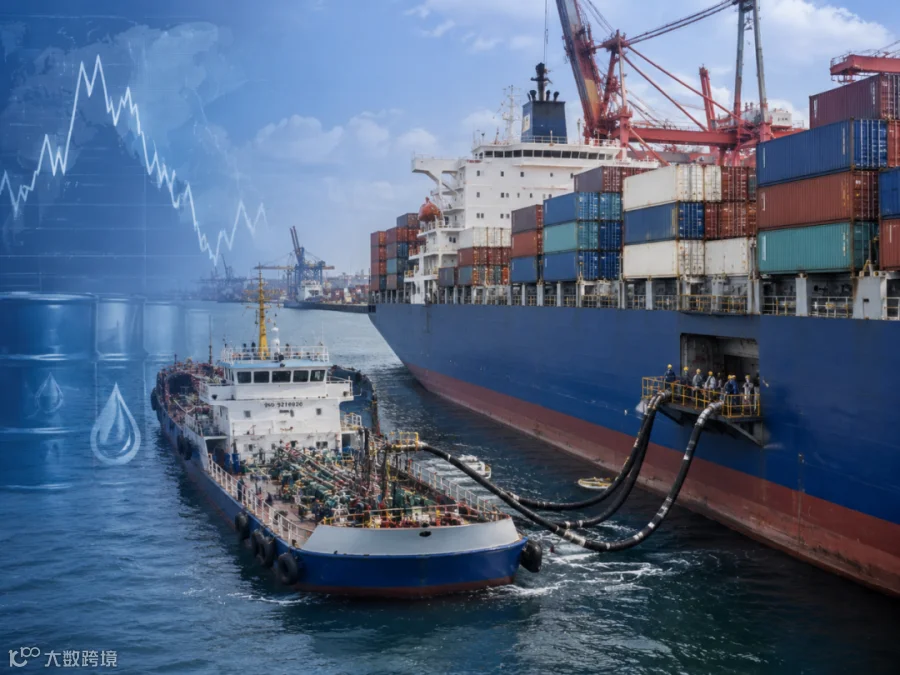
The International Energy Agency noted in its June 2026 report that international crude oil prices fell significantly between May and mid-June. However, as of July 9, Drewry's World Container Index had still risen to USD 4,639 per 40-foot container, its highest level since September 2024, with Asia–Europe routes providing the main upward momentum.
These two developments may appear contradictory, but they can occur at the same time:
Oil prices may decline temporarily, while ocean freight rates continue to rise because of other market factors.
Lower crude oil prices do not
immediately translate into lower fuel
costs for carriers
The core drivers of ocean freight
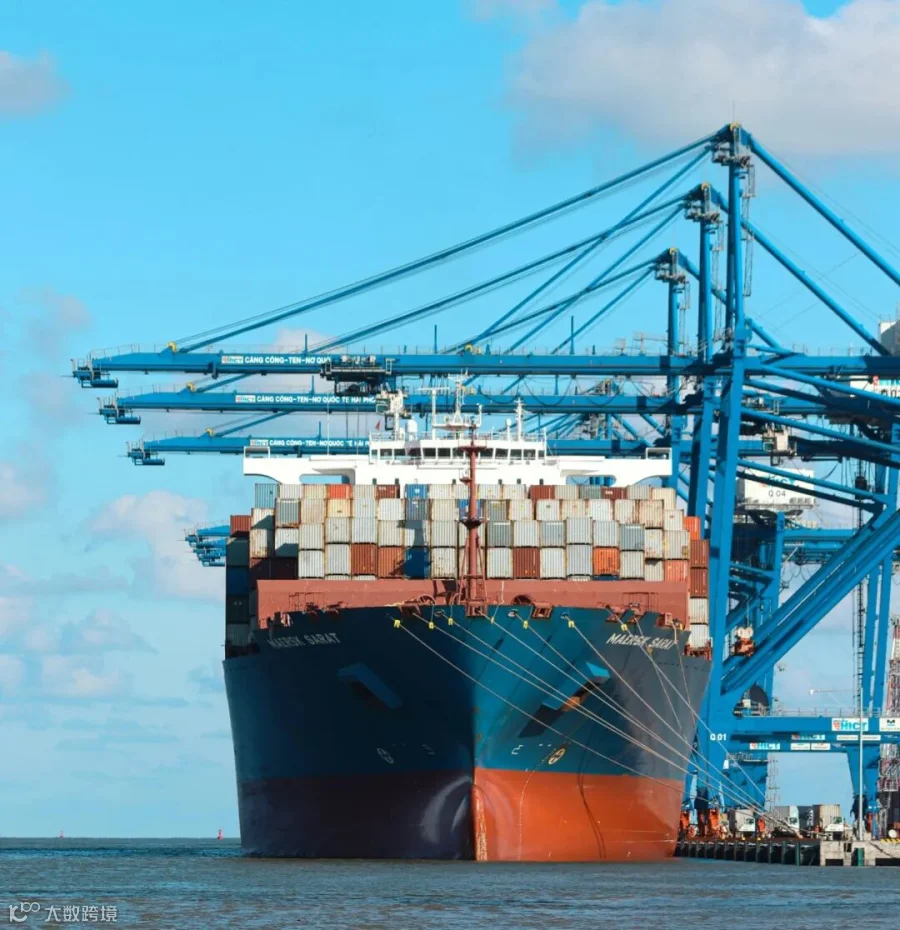
rates are still cargo demand
and available space
A small reduction in fuel cost can be
offset by larger increases in PSS,
GRI, and other charges

Ocean freight rates reflect expectations for the coming weeks, while oil price news reflects the present
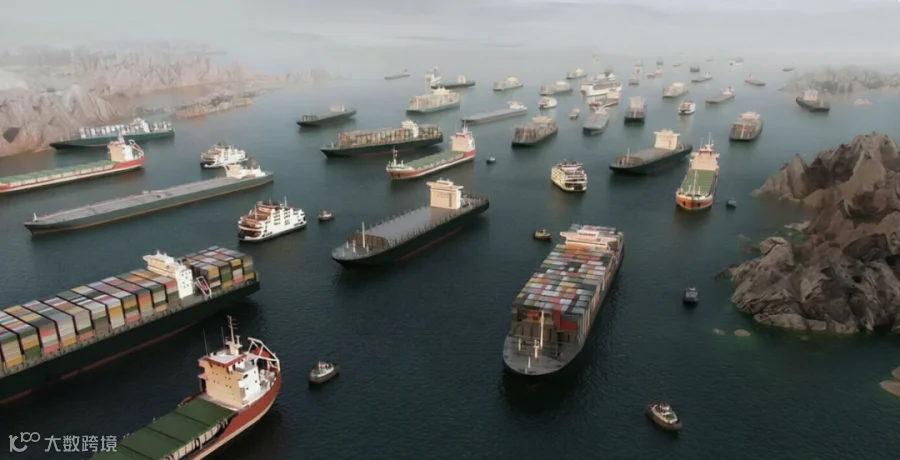
Route risks have not gone away,
so related costs will not
decline immediately
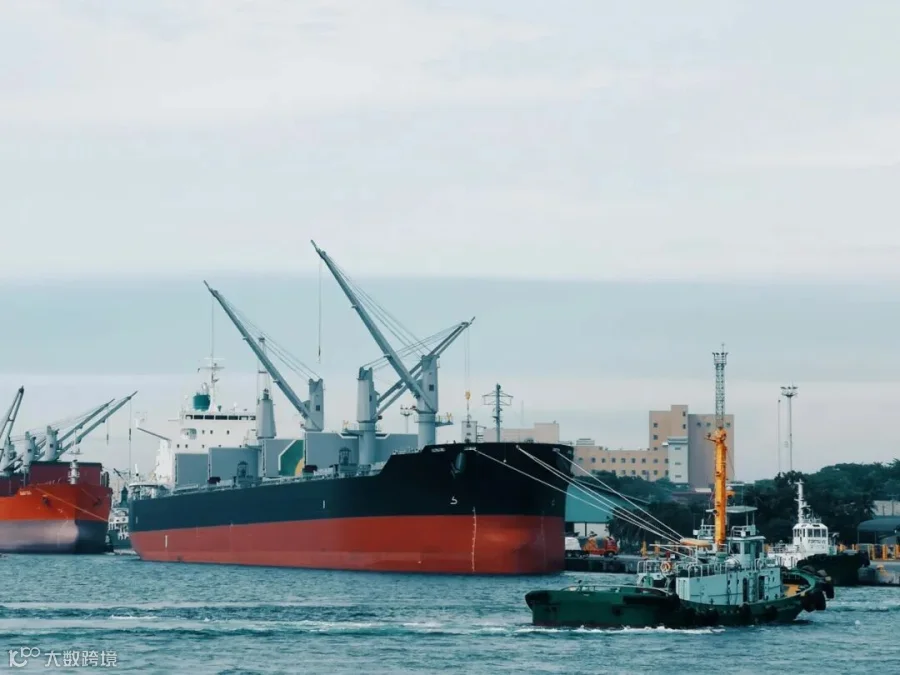
Port, trucking, and rail costs do not
follow oil price trends
A common misjudgment:
waiting for oil prices to fall further,
hoping freight rates will decline

How should exporters assess
whether ocean freight rates have
room to decline?
The key issue is not oil prices alone,
but the overall cost structure
About D.B. Group
As a long-term logistics partner serving international supply chains, D.B. Group focuses not only on international transportation prices themselves, but also on helping clients understand the fuel-related charges, market surcharges, space conditions, sailing arrangements, and destination costs behind each quotation.

In a market environment where prices and route conditions continue to change, D.B. Group places greater emphasis on transparent cost explanations, steady milestone management, and clear contingency options, supporting clients in making more stable and controllable international logistics decisions.