
周誓超律师、赵雅芳律师代理美国籍客户办理北京房产跨境继承,突破程序障碍并完成过户
在跨境继承案件中,即使继承权本身不存在争议,诉讼程序的启动和推进往往面临比国内案件更复杂的障碍,包括适格被告的确定、境外文件的公证认证、法院管辖权的认定等。任何一个环节的缺失,都可能导致案件无法立案或长期停滞。
本案中,美国客户作为法定继承人,拟依法继承其母亲遗留于北京的一处房产。由于继承案件具有明显的涉外因素,且在诉讼启动阶段面临适格被告确定、境外证据文件效力确认、法院程序衔接等多项程序性问题,案件一度难以推进。为此,客户委托周誓超律师、赵雅芳律师提供全程法律服务。
周誓超律师和赵雅芳律师接受委托后,首先面临的核心问题并非继承权的实质争议,而是中国法院对继承诉讼中“适格被告”的程序性要求。在无遗嘱执行人、无其他争议继承人的情况下,律师团队锁定可通过第二顺序继承人作为程序性被告推进诉讼。为此,周律师与赵律师主动协助客户联系其亲属,并通过多次耐心沟通与法律释明,最终说服同意其亲属作为案件当事人参与。这一关键突破为案件的立案和审理奠定了合法程序基础。
与此同时,律师团队协助客户完成境外身份证明、亲属关系证明等文件的公证认证及翻译准备工作,推动案件顺利进入法院审理程序。在案件办理过程中,律师团队不仅完成了继承诉讼方案设计及法院沟通工作,还积极协调后续执行衔接事宜,最终协助客户取得法院出具的生效法律文书,确认其对案涉北京房产依法享有继承权益。
此后,律师团队继续协助美国客户准备不动产登记材料,并配合相关登记部门完成产权转移登记,最终顺利将房产过户至客户名下。
本案的顺利办结,切实保障了外国客户在中国境内继承和处置不动产过程中的合法权益,也体现了律师团队在涉外继承、家事争议解决以及不动产登记衔接方面的专业能力和实务经验。对于存在跨境身份、境外证据及程序障碍的继承案件而言,律师的全流程介入对于实现权利确认与财产落地具有重要意义。
给外国客户处置中国资产的实务建议:
基于本案及团队处理多起跨境继承案件的经验,针对外国客户(包括已取得外国国籍的原中国公民)处置在中国境内的遗产,总结以下实务要点,供参考:
房产继承:即使只有一位继承人(同时涵盖第一顺位和第二顺位),如无法亲自回国办理,中国不动产登记中心通常只接受法院出具的生效判决书或调解书,公证遗嘱或继承权公证书在无诉讼情况下可能无法直接使用。
银行存款继承:即使持有被继承人的银行卡及密码,银行一般也不允许直接支取或销户取款。需先向法院申请调查令,调取被继承人名下账户的详细开户信息及余额,再通过判决书确认继承权后方可办理。
查询被继承人名下其他账户:中国人民银行不接受个人查询申请,仅受理公对公查询。法院通常不主动为当事人全面排查被继承人名下是否还有其他银行账户,实践中仍需要继承人亲自回国,携带相关证明逐家银行柜面查询。
房产过户委托:法院判决确认房产归属后,继承人无需亲自回国办理过户手续,可以委托他人代为办理。授权委托书无需公证及认证,但继承人的有效护照原件及“护照与同一人”的说明文件,需办理海牙认证(Apostille)及中文译本公证,方可被不动产登记中心接受。
出售国内房产:如继承人计划出售继承所得的国内房产,需确保其本人在中国大陆开立有有效的人民币银行账户,否则无法委托第三方代为收款,更无法就“代收房款”事项办理公证,实践中多数公证处亦不予受理该类委托。
资产跨境转移:如继承人希望将国内继承的全部资产合法转移出境,需本人亲自回国,与银行、国家外汇管理局及税务局逐项沟通,申请并取得“资本转移”项下的外汇登记与审批,方可合规办理大额资金出境。

In cross-border inheritance matters, even where the right of inheritance itself is undisputed, the commencement and advancement of litigation often face more complex obstacles than in domestic cases, including the identification of a proper defendant, notarization and authentication of overseas documents, and the determination of court jurisdiction. The absence of any one of these elements may prevent the case from being accepted by the court or cause prolonged delay.
In this case, the U.S. client, as the lawful heir, sought to inherit a property in Beijing left by her mother in accordance with law. Due to the pronounced foreign-related nature of the inheritance matter, and because the case faced multiple procedural issues at the litigation commencement stage, including the identification of a proper defendant, confirmation of the legal validity of overseas evidentiary documents, and coordination with court procedures, the matter was once difficult to move forward. The client therefore engaged Attorneys Larry Zhou and Avon Zhao to provide full-process legal services.
After accepting the engagement, the core issue faced by Attorneys Larry Zhou and Avon Zhao was not any substantive dispute over inheritance rights, but rather the procedural requirement under Chinese courts for a “proper defendant” in inheritance litigation. In the absence of an executor and any other disputing heirs, the legal team identified a viable path to move the litigation forward by designating a second-order heir as a procedural defendant. To this end, the attorneys proactively assisted the client in contacting her relatives and, through repeated patient communication and legal explanation, ultimately persuaded them to agree to participate in the case as parties. This key breakthrough laid a lawful procedural foundation for the filing and adjudication of the case.
At the same time, the legal team assisted the client in completing the notarization, authentication, and translation preparation of overseas documents, including proof of identity and proof of kinship, thereby facilitating the smooth entry of the case into court proceedings. In the course of handling the matter, the team not only completed the design of the inheritance litigation strategy and communications with the court, but also actively coordinated the follow-up implementation steps. Ultimately, they assisted the client in obtaining an effective legal instrument issued by the court confirming her lawful inheritance rights to the Beijing property at issue.
Thereafter, the legal team continued to assist the U.S. client in preparing the materials required for real estate registration and worked with the relevant registration authorities to complete the transfer of title, ultimately and successfully transferring the property into the client’s name.
The successful resolution of this case effectively protected the lawful rights and interests of a foreign client in inheriting and disposing of real property within China, and also demonstrated the legal team’s professional capability and practical experience in foreign-related inheritance matters, family dispute resolution, and coordination with real property registration procedures. For inheritance matters involving cross-border identity issues, overseas evidence, and procedural obstacles, lawyers’ full-process involvement is of great significance in securing both legal confirmation of rights and the practical realization of assets.
Practical Suggestions for Foreign Clients Handling Assets in China
Based on this case and the team’s experience in handling multiple cross-border inheritance matters, we summarize the following practical points for foreign clients, including former Chinese citizens who have acquired foreign nationality, when dealing with estate assets located in China:
Inheritance of Real Property: Even where there is only one heir, including situations involving both first-order and second-order heirs, if the heir cannot return to China in person, China’s real estate registration authorities will generally accept only an effective court judgment or mediation statement. A notarized will or notarized certificate of inheritance may not be directly usable in practice without litigation.
Inheritance of Bank Deposits: Even if the heir possesses the deceased’s bank card and password, banks generally do not permit direct withdrawal of funds or account closure. It is first necessary to apply to the court for an investigation order to obtain detailed account opening information and account balances under the deceased’s name, and only after inheritance rights are confirmed by court judgment can the relevant procedures be completed.
Searching for Other Accounts in the Deceased’s Name: The People’s Bank of China does not accept inquiries from individuals and only handles institution-to-institution inquiries. Courts also generally do not proactively conduct a comprehensive search for all bank accounts held by the deceased. In practice, heirs still need to return to China in person and bring relevant supporting documents to inquire with banks one by one at the counter.
Entrusting Others to Handle Real Property Transfer: After a court judgment confirms ownership of the inherited property, the heir does not need to return to China in person to complete the title transfer and may authorize another person to handle it on his or her behalf. The power of attorney itself does not need to be notarized or authenticated. However, the heir’s valid original passport and a statement confirming “the passport holder and the same person” must be apostilled and accompanied by a notarized Chinese translation before they will generally be accepted by the real estate registration authority.
Sale of Real Property in China: If the heir plans to sell inherited real property in China, the heir must ensure that he or she has a valid RMB bank account opened in China. Otherwise, it is generally not possible to authorize a third party to receive the sale proceeds, nor is it generally possible to notarize an arrangement for “collection of sale proceeds on behalf of another.” In practice, most notary offices will not accept such instructions.
Cross-Border Transfer of Assets: If the heir wishes to lawfully transfer all inherited assets in China out of the country, he or she must return to China in person to communicate with the bank, the State Administration of Foreign Exchange, and the tax authorities on a step-by-step basis, and apply for and obtain the foreign exchange registration and approval required under the “capital transfer” category before a large lawful outbound remittance can be completed.


团队简介

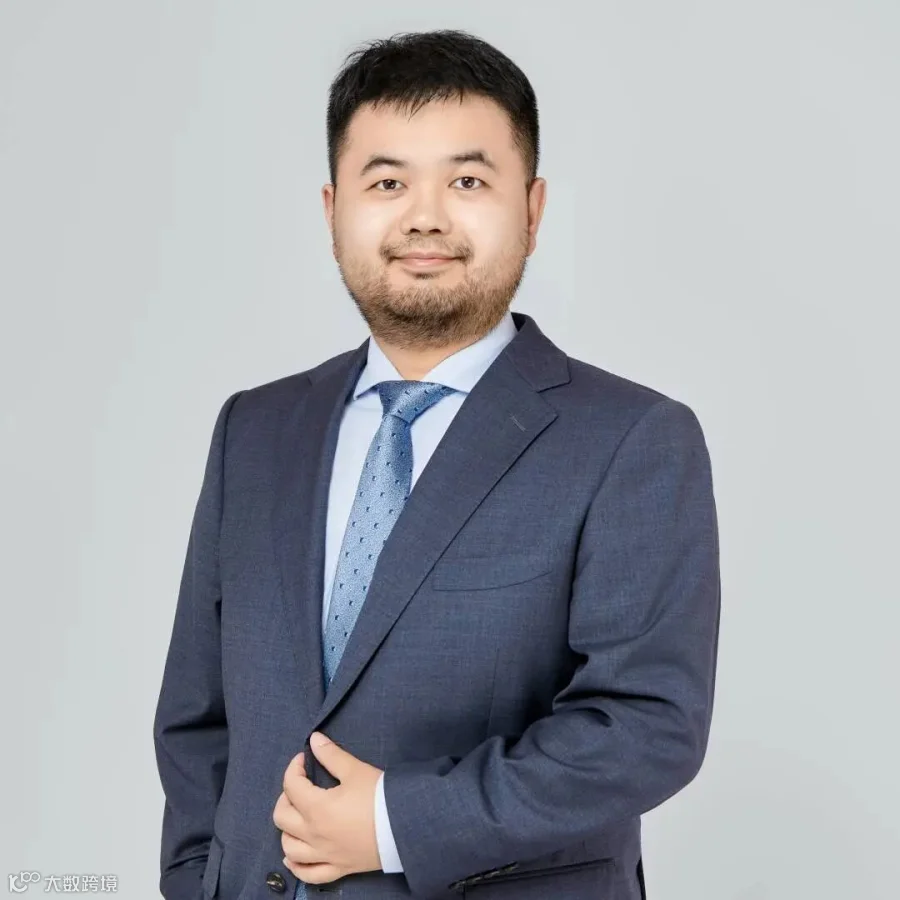
上海兰迪(深圳)律师事务所执行主任/高级合伙人
深圳市涉外律师领军人才
广东进出口商会智库成员
广东国际货代协会法律顾问
广东省涉外律师先锋人才
深圳市前海国际商事调解中心调解员
团队擅长领域:国际贸易纠纷解决、进出口/物流企业法律顾问、海外欠款催收


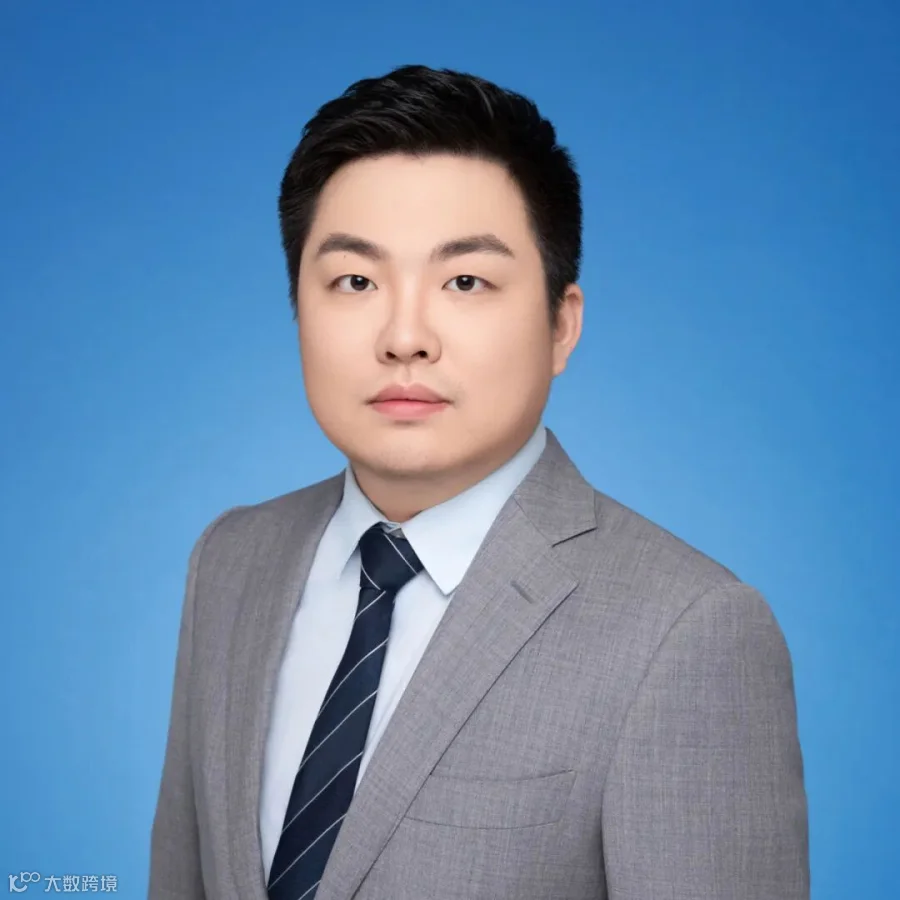
上海兰迪(深圳)律师事务所合伙人
广东省涉外律师先锋人才
深圳市涉外律师新锐人才
法学硕士,中英双语律师
擅长国际贸易、涉外民商事诉讼与仲裁、企业合规等领域的法律业务。

广东省涉外律师新锐人才
中英双语律师
擅长国际贸易及物流、海商海事、企业出海等领域的法律业务。