
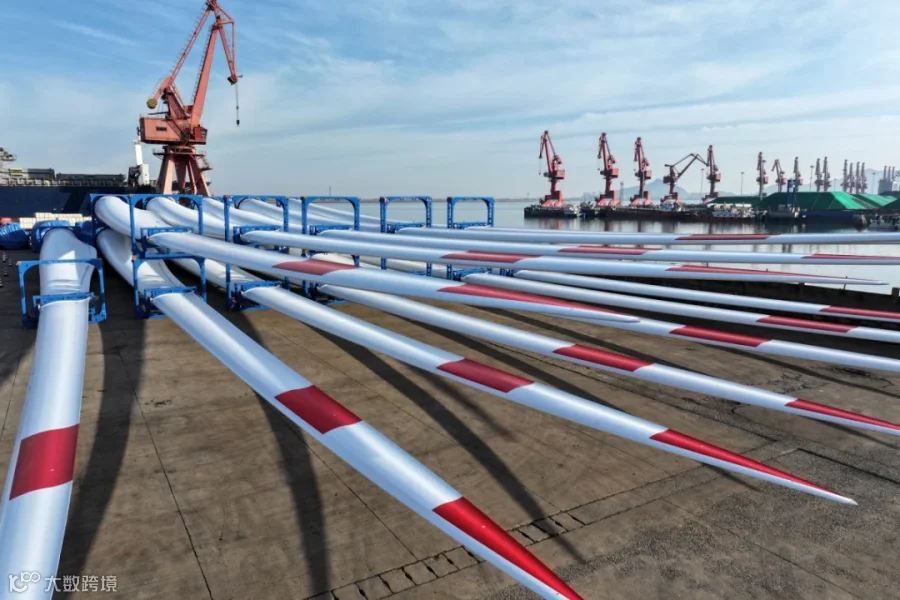
Protectionism will only slow the green energy transition and make the technologies of the future unaffordable for those most in need
By Zhou Xiaoming | Senior fellow at the Center for China and Globalization(CCG), Former Deputy Permanent Representative of China's Mission to the UN Office in Geneva.
“Overcapacity” has become thebuzzword in Washington and Brussels. American and European policymakers insist China churns out far more steel, electric vehicles and green technology than it can absorb, flooding the world with subsidised goods.
Yet the economic data tells a different story: of double standards, protectionist impulses and a habit of moving the goalposts.
Start with steel. Western officials point to China’s massive output as proof of distortion. But China official data puts the capacity utilisation of its ferrous metals sector at 78.1 per cent for 2024 and 79.7 per cent last year, squarely within the range most in the European Union consider as healthy.
Compare that with the EU’s. Crude steel output last year fell to roughly 126 million tonnes, implying a capacity utilisation percentage in the mid-60s. Yet China gets slapped with the overcapacity label and the EU is preparingnew safeguards effective on July 1 to slash duty-free quotas by 47 per cent and double tariffs to 50 per cent.
US political circles adopt an arbitrary alternative metric, branding any output exceeding domestic consumption as overcapacity. Try applying this standard to leading Western manufacturers. Germany produced 4.15 million cars last year and exported 3.17 million of them, over 76 per cent, while 42.2 per cent of cosmetics imported into China originate in the EU.
When the West produces at scale for the world, it iscomparative advantage or innovation. When China does it, the vocabulary flips to dumping and excess capacity. If Washington and Brussels genuinely believe Chinese subsidies violate trade rules, the proper forum is the World Trade Organization. Instead, they bypass the multilateral process, hiding behind claims of economic security and “de-risking” to invent ad hoc standards that apply to one country alone.
18:59
Cyclical capacity gluts have long plagued Western economies: the US automotive sector endured crippling overcapacity crises in the 1920s, while large swathes of the EU steel industry operated below 70 per cent for over a decade after 2000. Such periodic mismatches between supply and demand are inherent in a market-driven industrial evolution.
China’s current industrial scaling follows the same cyclical market dynamics, accelerated by streamlined cost management and evolving global demand patterns. Indeed, China’s government subsidies are providedin line with WTO rules, and are just one of many contributing factors in China’s manufacturing prowess.
The deeper irony is what gets lost in the finger-pointing. Far from threatening global commerce, China’s manufacturing base delivers tangible benefits to consumers worldwide and underpins urgent global decarbonisation goals. Chinese mass production has dismantled the West’s monopoly, turning once-luxury household goods into affordable staples for emerging and advanced economies alike.
Critically, Chinese solar and wind hardware has cut global renewable power equipment costs by as much as 90 per cent over the past decade, enabling developing nations, alongside the US and EU, to hit their legally binding climate pledges. The International Energy Agency’s net-zero road map requires thetripling of global renewable capacity by 2030 – a goal it admits is slipping away not because of oversupply, but because affordable technology, grid infrastructure and critical minerals remain scarce.
Recentvolatility in the Middle East, with oil prices flirting with triple digits and threats to the Strait of Hormuz, underscores the urgency. China’s production of electric vehicles, batteries and renewable energy equipment is not “excess” – it is insurance for a fragile global economy. From Pakistan to the Philippines, Laos to Algeria, nations are importing Chinese photovoltaic components at scale.
09:10
As Nicholas Stern at the London School of Economics has consistently argued, the world’s problem is not too much “green” supply but too little. The binding constraint is affordable kit and grid buildout, not oversupply.
Curiously, Western criticism remains selective. There are no complaints about overcapacity in low-end goods like toys or textiles. The panic sets in when China moves into high-value sectors: batteries, solar, wind turbines and advanced materials. The moment China ceases to be the world’s assembler and becomes its own innovator, the vocabulary shifts from “free trade” to “distortion”, “security” and “overcapacity”.
This is not about protecting consumers – it is about preserving Western oligopolies and hi-tech profits. When the US and EU dominate, it is “innovation”. But when China competes, it is “dumping”.
13:27
To be clear, there are legitimate discussions to be had about industrial policy, market access and the pace of China’s reforms. But we must reject the premise that China’s efficiency is a threat. The overcapacity narrative – detached from utilisation benchmarks, blind to Western idle capacity, and deaf to the world’s desperate need for affordable clean technology – is hardly rigorous analysis. It would be more appropriately termed a smokescreen.
The stakes extend beyond trade. The world faces a dual crisis of climate change and persistent inflation. The danger is not that China produces too much, but that Western protectionist walls will slow the green transition and make the technologies of the future unaffordable for those most in need. In an era of fossil fuel volatility, the world does not need less Chinese manufacturing – it needs more.
It is time to move beyond finger-pointing. Competitive manufacturing raises living standards everywhere. Rather than fabricate myths to justify barriers, Washington and Brussels should focus on strengthening their industries while working with China to accelerate the global shift to clean energy. The alternative – a fragmented, inefficient and costlier transition – is a luxury neither side can afford.
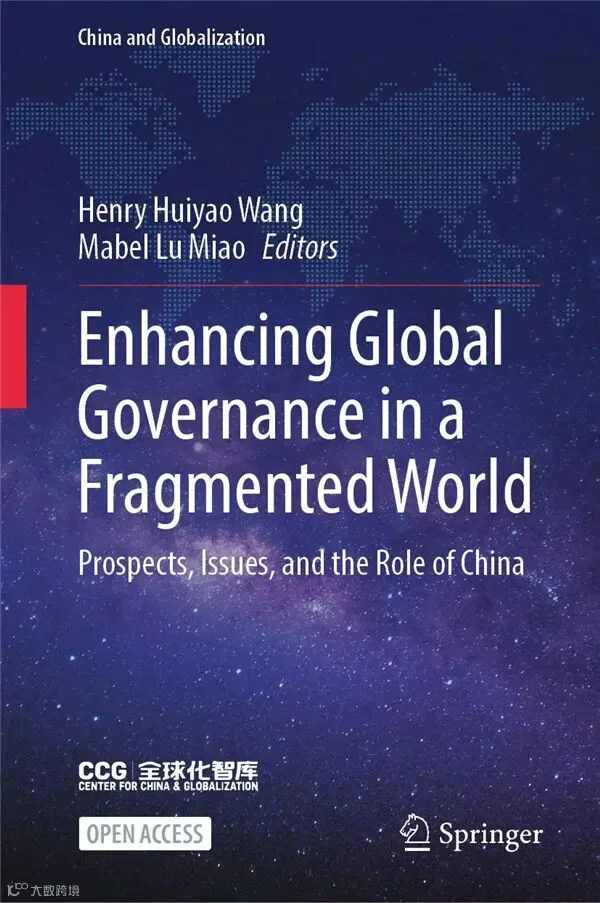
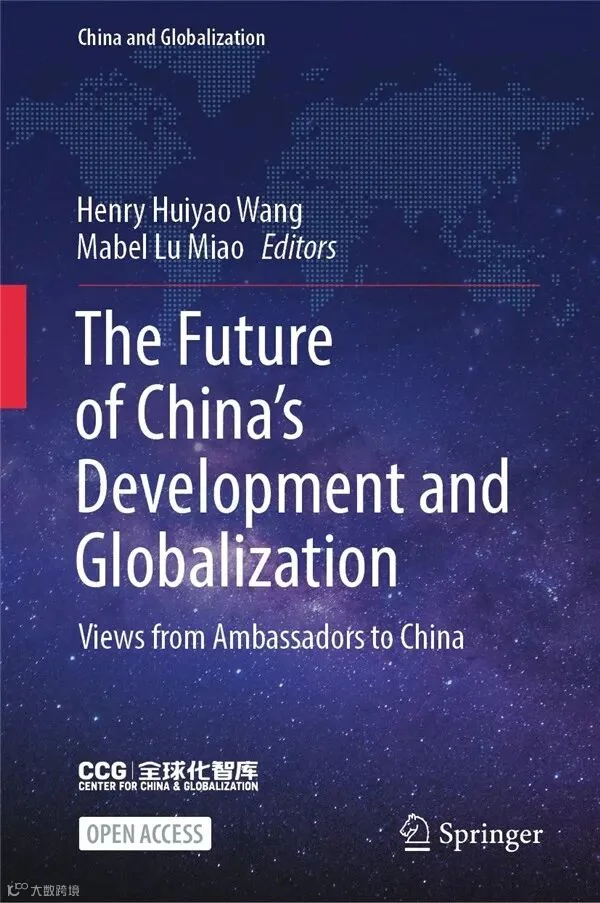
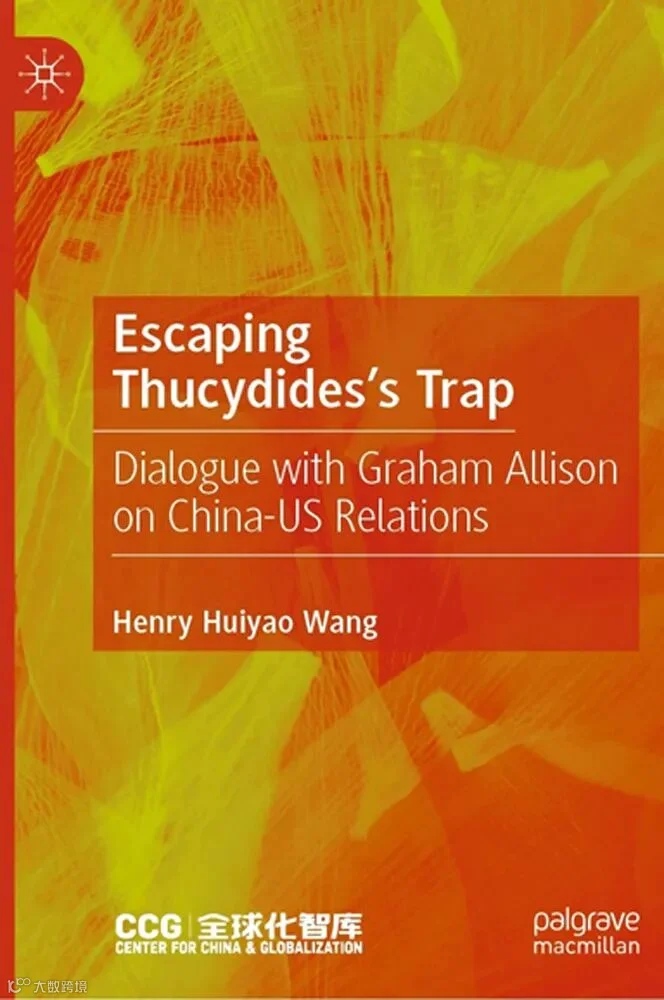
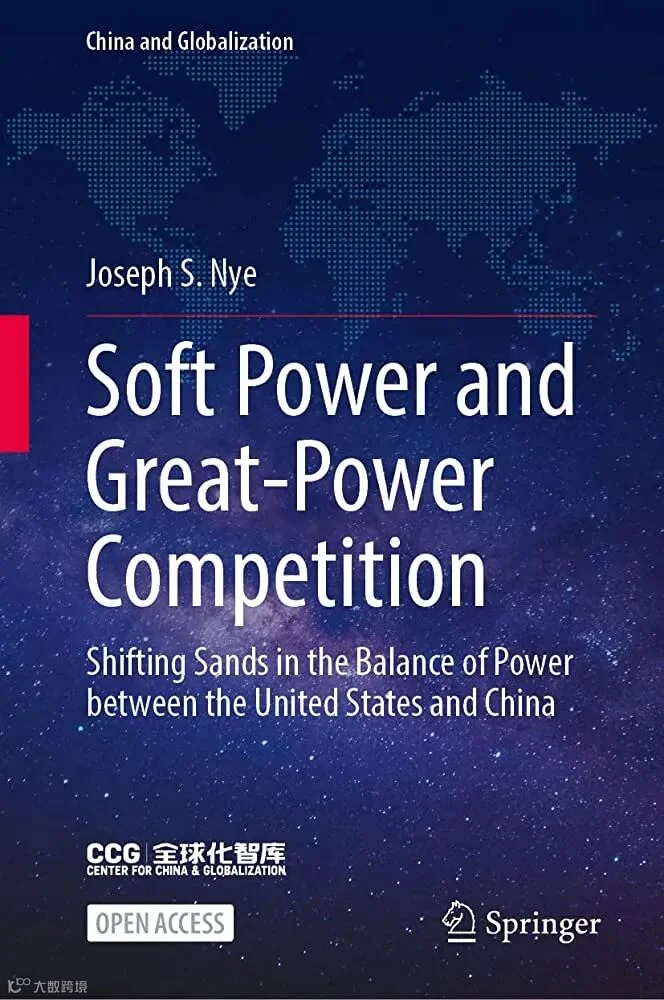
CCG Books
Other CCG News:
CCG’s 12th China and Globalization Forum Held in Beijing
CCG concludes side event within Munich Security Conference 2026
CCG Marks 150th Book Milestone with Seminar on Its Publishing Journey
New Year Message 2026: Reflecting on a Year of Global Dialogue and Growth
Experts call for strategic stability in U.S.-China ties
CCG, Indonesian Embassy Mark 75 Years of China–Indonesia Ties
CCG, Belgian Embassy hold seminar on future of multilateralism
CCG holds the 10th China Global Think Tank Innovation Forum in Beijing
Recent CCG visits in Brazil & Ethiopia
Recent CCG visits in Germany & the UK
Global Talent Summit 2025 Holds in Beijing Sub-Center
300 Participants from 60 Countries Attend CCG Annual Forum
CCG Conducts Track Two Visit to US
CCG hosted the 9th China Global Think Tank Innovation Forum
2024 GYLD Annual Forum successfully held in Beijing
11th China Inbound-Outbound Forum Successfully Held @2024 CIFTIS
60 Countries’ Participants Joined China and Globalization Forum
CCG seminar on global governance & future of China and Africa
Senior Diplomats from 20 countries discuss China's green transition
Text of Pascal Lamy and Chinese trade experts @ CCG VIP Luncheon
Book Launch: Enhancing Global Governance in a Fragmented World
Transcript of CCG session in WTO Public Forum
20 US media leaders attended special dinner held to welcome CCG