



1. 联合利华重申深耕巴基斯坦市场承诺 押注本土制造
Unilever reaffirms long-term commitment to Pakistan, bets on local manufacturing
尽管经济波动导致部分跨国企业收缩在巴业务,消费品巨头联合利华仍坚定将巴基斯坦视为长期制造与增长市场。公司高管在接受《商业记录报》独家专访时强调,将持续投资本土生产与供应链本地化。
联合利华巴基斯坦美妆与健康业务总经理阿迪尔·侯赛因在谈及公司重点新兴市场时明确表示:“巴基斯坦绝对位列其中。”他回顾道:“联合利华在这个地区扎根已久,早于印巴分治与独立之前。我们在拉希姆亚尔汗的工厂始建于 20 世纪 50 年代,甚至可能更早。自创立之初,联合利华就承诺在各品类推进本土化生产。”
此番表态正值多家跨国企业近年因宏观经济持续不稳、货币波动及营商成本高企,重新评估在巴业务之际。2023 年,壳牌巴基斯坦宣布退出,于当年 7 月出售其 77% 股权,理由包括汇率损失、卢比贬值及应收账款逾期。2025 年,宝洁公司宣布作为全球重组计划的一部分,将终止在巴业务。软件巨头微软亦计划在 2025 年 7 月前后关闭在巴所有业务,结束其 25 年的实体办公室运营。
此类现象虽引发对经济影响的广泛担忧,但也有观点认为这多为战略性所有权变更,而非彻底撤资。然而,拥有二十年领导经验、足迹遍及巴基斯坦、海湾合作委员会、欧洲及全球快消巨头的营销专家侯赛因指出,联合利华深厚的本土制造根基,使其区别于高度依赖进口的企业。
“我们绝大多数品类产品均在巴基斯坦制造,”他表示,“例如我负责的所有洗发水和护肤品都在本地生产,进口的主要是原材料。”他透露公司已携手本地供应商降低对进口投入品的依赖,在洗发水关键成分本地化方面已取得进展。“我们与本地厂商合作,目前已实现由他们进口原料并在本地加工后供应给我们。这一模式也正应用于配方中其他多数关键成分。”
但他同时指出,更深层次的本地化需要更稳定的政策环境与更强的产业激励措施。“遗憾的是,不确定的环境与政策断续有时会形成阻碍,本地企业缺乏投资生产此类原材料的政策激励。”侯赛因建议政府采取更战略的进口替代方针,鼓励既能替代进口又能创造出口的产业,并将激励措施与价值创造挂钩,而非单纯建厂。“激励应导向质量生产、技术转移、本地化和出口等实质成果,确保公共支持转化为切实经济效益。”他强调营商成本是关键议题,“公用事业、基础设施和工业投入仍是制造商的重大关切。政府可通过降低投入成本、改善基建和提升运营效率来支持产业增长。”
尽管面临经济挑战,侯赛因仍视巴基斯坦为“极具吸引力的市场”,其人口结构与消费驱动型经济是核心优势。“我们的优势之一在于人口基数庞大,”他说,“近 2.5 亿人口的市场难以忽视。”他认为巴基斯坦消费者韧性强且乐于接受创新。“我注意到巴消费者热衷尝新,始终青睐优质产品,其韧性远超我们预期。”这种韧性在 2023-24 年新冠疫情期间及高通胀阶段尤为明显——尽管购买力下降,消费者大多忠于信赖的品牌。“我们曾预判消费者会放弃我们的产品转向低价替代品,但实际观察到他们选择小包装,或在条件允许时购买大容量经济装,唯独不愿牺牲品牌。”为此,联合利华通过调整产品组合,提供多规格、多价位选项并保持品质稳定来应对。“我不会让你在支出上吃亏,只是分量稍减,但绝不以稀释品质为代价。”侯赛因如此描述高通胀时期的定价策略。
展望未来,侯赛因表示创新仍是增长战略的核心,尤其在面对本土品牌和数字原生护肤企业的竞争时。“创新紧扣消费者需求趋势,助力我们保持市场领先,”他举例说,针对消费偏好变化开发的洋葱洗发水、护发精华和发膜等产品便是明证。尽管承认全球企业对新兴市场和“软货币”市场趋于谨慎,侯赛因强调联合利华因深厚的本土制造根基和长期投资策略,始终以不同视角看待巴基斯坦。“本土存在赋予独特优势:创造就业、发展产业、赋能消费者购买产品。若不在经济中创造这些机会,又何谈贡献?”他认为,书写国家发展新篇章不能仅靠政策或投资,更需企业、机构和创新者携手构建既契合本地实际又具全球竞争力的解决方案。
Consumer goods giant Unilever remains committed to Pakistan as a long-term manufacturing and growth market despite economic volatility that has prompted some multinational companies to scale back their presence, a senior company executive said, highlighting the company's investment in local production and supply chain localisation.
"Pakistan is definitely one of them," said Adil Hussain, General Manager for Beauty & Wellbeing at Unilever Pakistan, in an exclusive interview with Business Recorder, referring to the company's priority emerging markets.
"Unilever has been in this part of the world for a long, long time, pre-partition and pre-independence," he said. "Our Rahim Yar Khan factory is from the 1950s, maybe even older. Unilever has committed to local production across categories since the beginning."
The remarks come at a time when several multinational companies, in recent years, have reassessed their operations in Pakistan amid persistent macroeconomic uncertainty, currency volatility and high costs of doing business.
In 2023, Shell Pakistan announced its exit with the sale of its 77% shareholding in July 2023, citing losses due to exchange rates, rupee devaluation, and overdue receivables. Procter & Gamble (P&G) in 2025 announced that it would discontinue its business operations in Pakistan as part of a global restructuring plan.
Similarly, software giant Microsoft announced it would shut down all operations in Pakistan around July 2025, closing its physical office after 25 years.
This phenomenon sparked widespread concern regarding its impact on the country's economy, though there are also arguments that these are often strategic ownership changes rather than outright withdrawal.
However, Hussain, a marketing expert with two decades of leadership roles spanning Pakistan, the GCC, Europe and global FMCG giants, says that Unilever's long-standing manufacturing footprint distinguishes it from companies that rely heavily on imports.
"Most of the products across the categories are actually manufactured in Pakistan," he said. "For example, all shampoos and skincare products from my side are manufactured in Pakistan. What is imported is the raw materials."
He said the company has been working with local suppliers to reduce dependence on imported inputs, citing progress in localising key shampoo ingredients.
"We've worked with local vendors and reached the stage where they now import the feedstock and process it here before supplying it to us. The same philosophy is being followed for most of the other key ingredients as well in our formulations," he said.
However, he noted that greater localisation would require a more stable policy environment and stronger industrial incentives.
"Unfortunately, what gets in the way sometimes is the uncertain environment and discontinuity in regulations, where the infrastructure for investment by local businesses is not incentivised to make these kinds of raw materials in Pakistan."
Hussain said the government should adopt a more strategic approach to import substitution by encouraging industries capable of both replacing imports and generating exports.
He argued that incentives should be linked to value creation rather than simply establishing factories.
"Instead of rewarding investment simply for setting up facilities, incentives should encourage outcomes such as quality production, technology transfer, localisation and exports. That ensures public support translates into tangible economic benefits.
"The cost of doing business is another critical area. Utilities, infrastructure and industrial inputs remain significant concerns for manufacturers. Governments can support industrial growth by reducing input costs, improving infrastructure and creating a more efficient operating environment," he said.
Despite Pakistan's economic challenges, Adil said the country is a "lucrative market" because of its demographics and consumption-driven economy.
"One of the good things about us is there are many of us," he said. "A population of around 250 million is difficult to ignore."
He described Pakistani consumers as resilient and receptive to innovation.
"What I've noticed is Pakistani consumers love trying new things. They always reward good product quality, and they are much more resilient than we think they are," he said.
That resilience, he said, was evident during the Covid-19 and high-inflation period of 2023-24, when consumers largely stayed loyal to trusted brands despite declining purchasing power.
"We actually thought people would leave our products and downgrade," he said. "But what we saw was people bought smaller packs or, if they could, larger economy packs. They didn't compromise on the brand."
Unilever adapted its product portfolio by offering multiple pack sizes across different price points while maintaining product quality.
"I will not penalise you on cash outlay, but I will give you a little less of it. I promise I will not dilute the quality," he said, describing the company's pricing strategy during periods of high inflation.
Looking ahead, Hussain said innovation would remain central to the company's growth strategy, particularly as competition intensifies from local brands and digital-first skincare companies.
"Innovation has been based on the trends that consumers have been asking for, and that's helping us stay ahead of the market," he said, citing products such as onion-based shampoos, hair serums and hair masks developed in response to evolving consumer preferences.
While acknowledging that global companies have become more cautious toward emerging and "soft currency" markets, Hussain said Unilever continues to view Pakistan through a different lens because of its deep local manufacturing base and long-term investment strategy.
2. 巴头部码头运营商探索建设巴基斯坦首座冷藏液化石油气进口设施
Engro Vopak explores Pakistan's first refrigerated LPG import facility
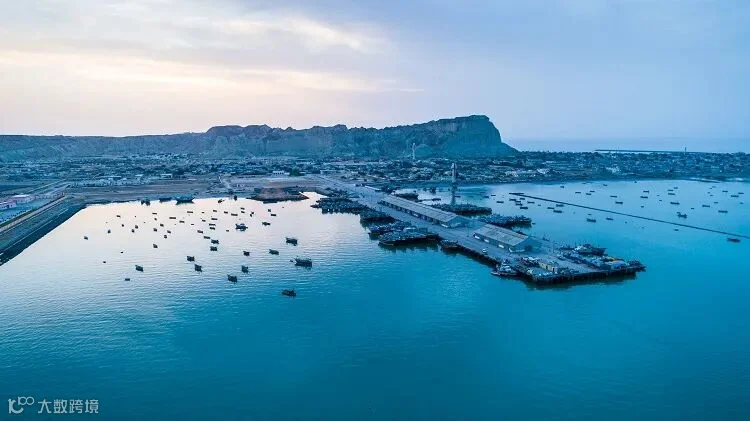
巴基斯坦领先的化学品与气体码头运营商——英格罗沃帕克码头有限公司(EVTL)已启动可行性研究,拟建设该国首个冷藏液化石油气(LPG)进口及储存基础设施。此举旨在应对国内天然气产量下降、LPG 需求持续增长的局面,以加强国家能源安全保障。
公司本周二发布声明称,已携手标普全球能源(S&P Global Energy)启动 LPG 基础设施扩建的可行性评估。通过此项研究,EVTL 将论证建设巴基斯坦首个冷藏 LPG 进口与储存设施的可行性,以强化 LPG 供应链,满足国内日益增长的需求。
声明补充道:"该项目旨在提升接入全球 LPG 市场的能力,实现更大批量货物的装卸作业,扩充仓储容量,并支持构建更具韧性、可靠性与灵活性的 LPG 供应链。"
此次研究启动于 2026 年 6 月与卡西姆港务局(PQA)成功续签《实施协议》之后。根据该协议,EVTL 将投资逾 2 亿美元用于业务扩张。
声明指出,受能源需求攀升与本土天然气产量下滑驱动,巴基斯坦对 LPG 的依赖度日益加深,亟需提升进口与储存基础设施水平。当前市场评估显示,未来数年巴基斯坦可能面临显著的 LPG 供应缺口,因此战略性投资大型基础设施对保障长期能源安全至关重要。
英格罗沃帕克及英格罗液化天然气码头有限公司首席执行官赛义德·阿马尔·沙阿表示:"随着巴基斯坦能源格局演变,强化 LPG 供应链、拓宽全球市场渠道,对满足未来能源需求将愈发关键。结合荷兰皇家沃帕克的全球专业经验与英格罗的工程实力及对本地市场的深刻洞察,我们有充分优势打造能增强能源安全、支撑经济可持续增长的基础设施。许多成熟经济体已普及冷藏 LPG 基础设施,本次研究将为我们借鉴国际实践、同时筑牢国家长期能源安全与韧性提供重要契机。"
EVTL 是巴基斯坦龙头企业英格罗集团与世界最大散装液体储运公司——荷兰皇家沃帕克共同组建的合资企业。该公司成立于 1997 年,在卡西姆港建成了一流的化学品储运基地,目前是巴基斯坦唯一一家集散装液体化学品与 LPG 储运于一体的码头运营商。
Engro Vopak Terminal Ltd, Pakistan's leading chemical and gas terminal operator, has launched a feasibility study for Pakistan's first refrigerated liquefied petroleum gas (LPG) import and storage infrastructure, as the country seeks to strengthen energy security amid rising LPG demand and declining domestic gas production.
The company has partnered with S&P Global Energy to initiate a feasibility assessment for the expansion of its LPG infrastructure, read a statement on Tuesday.
Through this study, EVTL will evaluate the development of Pakistan's first refrigerated LPG import and storage infrastructure to strengthen the LPG supply chain and address the country's growing LPG demand.
"The proposed project aims to improve access to global LPG markets, enable the handling of larger cargo volumes, enhance storage capacity, and support a more resilient, reliable, and flexible LPG supply chain," it added.
The development comes following the successful renewal of its Implementation Agreement with the Port Qasim Authority (PQA) in June 2026, under which EVTL was set to invest more than $200 million in expanding its operations.
As per the statement, Pakistan's growing reliance on LPG, driven by rising energy demand and declining domestic gas production, is increasing the need for enhanced import and storage infrastructure.
"Current market assessments indicate that Pakistan could face a significant LPG supply gap in the coming years, making strategic investments in large-scale infrastructure critical to support long-term energy security," it said.
Syed Ammar Shah, CEO of Engro Vopak and Engro Elengy Terminal Limited, said: "As Pakistan's energy landscape evolves, strengthening LPG supply chains and expanding access to global LPG markets will become increasingly important to meeting future energy demand."
"By combining the global expertise of Royal Vopak of the Netherlands with Engro's engineering skills and understanding of local market dynamics, we are well-positioned to develop infrastructure that will enhance energy security and support sustainable economic growth.
Many mature economies have already adopted refrigerated LPG infrastructure, and this study presents an opportunity to evaluate how Pakistan can align itself with global practices while strengthening the country's long-term energy security and resilience."
EVTL is a joint venture between Engro Corporation, a premier Pakistani conglomerate, and Royal Vopak of the Netherlands, the world's largest bulk liquid storage and handling company. Established in 1997, EVTL was commissioned as a state-of-the-art chemical storage and handling business at Port Qasim.
The JV operates as Pakistan's only integrated bulk liquid chemical and LPG terminal.
3. 中巴深化棉花产业合作 专家呼吁引进新疆技术、共建联合育种体系
Pakistan, China deepen cotton cooperation as experts advocate Xinjiang technology, joint seed development
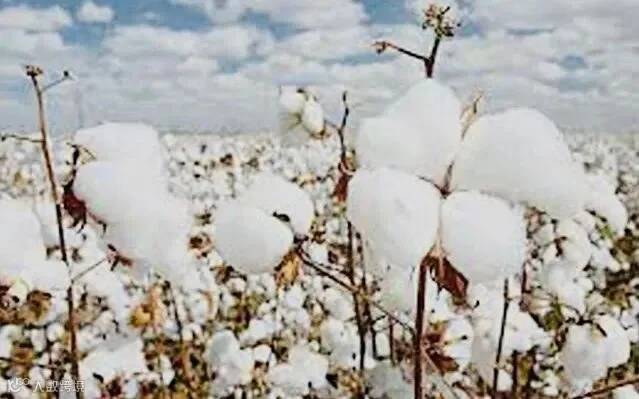
巴基斯坦与中国正准备在棉花科研、种子开发及农业技术转移领域大幅深化合作。行业专家指出,这种双边协作是振兴巴基斯坦棉花产业、夯实其纺织驱动型经济的关键路径。
巴基斯坦中国联合工商会(PCJCCI)商务大使阿迪尔·穆纳瓦尔周一在该机构秘书处会议上表示,巴基斯坦拥有维持全球棉花生产国地位的全部核心要素——优良的种质资源、广阔的种植区域、经验丰富的棉农,以及严重依赖国产棉花的全球最大纺织业集群之一。
但他同时指出,尽管具备这些先天优势,上产季巴基斯坦仅收获 560 万包棉花,创下近三十年来最低产量纪录,凸显出推行科学化种植实践和加大技术干预的紧迫性。
穆纳瓦尔强调,巴基斯坦棉花产业的困境并非源于农业潜力不足,而是田间管理缺乏一致性。他表示,棉花生产根本上依靠科学管理与精准农业驱动,而非随机因素,这使得技术转移与农民教育对巴基斯坦农业的未来愈发重要。
在谈及不断扩大的中巴农业创新合作时,穆纳瓦尔说,巴基斯坦的抗热棉花品种与中国在高产优质棉育种领域的优势形成互补。两国种质资源的结合,为培育更适应巴基斯坦气候条件的改良品种提供了重大机遇。
他解释称,可先将中国棉种引入巴基斯坦进行适应性试验,再筛选出最适合商业化种植的优良品种。双方联合开发新型棉花品系,正是两国农业合作日益深化的生动例证。
穆纳瓦尔进一步透露,新疆农业大学已与巴基斯坦多所高校开展多年的棉花种植研究合作。目前已在费萨拉巴德建立试验田,未来还计划依托中方专业技术,在巴基斯坦测试机械化棉花采收。
在谈到中国农业现代化成就时,他指出,作为中国最大产棉区之一的新疆北部,棉花生产综合机械化率已达约 90%,机采已成为行业标准。
他表示,新疆在抗旱耕作、滴灌系统、节水技术及地膜覆盖等领域的创新成果享誉国际,可在提升巴基斯坦棉花单产的同时,缓解日益严峻的水资源短缺问题,发挥变革性作用。
巴基斯坦中国联合工商会秘书长萨拉赫丁·哈尼夫在会上宣布,预计将在巴基斯坦中央棉花研究所设立一座现代生物技术卓越中心实验室,以加速该国棉花领域的科研与创新进程。
Pakistan and China are poised to significantly deepen cooperation in cotton research, seed development and agricultural technology transfer, with industry experts describing bilateral collaboration as a crucial pathway for revitalising Pakistan's cotton sector and strengthening the country's textile-driven economy.
Speaking during a meeting at the Secretariat of the Pakistan China Joint Chamber of Commerce and Industry on Monday afternoon, PCJCCI Commercial Ambassador Adeel Munawar said Pakistan possesses all the essential ingredients to remain a global cotton producer, including strong genetic resources, extensive cultivation areas, experienced farmers and one of the world's largest textile industries that depends heavily on locally produced cotton.
Despite these inherent strengths, he observed that Pakistan harvested only 5.6 million bales during the previous season, the country's lowest production level in nearly three decades, highlighting the urgent need for science-based farming practices and greater technological intervention.
Munawar stressed that Pakistan's cotton challenges are not rooted in a lack of agricultural potential but rather in inconsistent crop management. According to the commercial ambassador, cotton production is fundamentally driven by scientific management and precision agriculture rather than random chance, making technology transfer and farmer education increasingly important for Pakistan's agricultural future.
Highlighting the expanding China-Pakistan partnership in agricultural innovation, Munawar said Pakistan's heat-resistant cotton varieties complement China's strengths in producing high-yield and premium-quality cotton. The combination of the two countries'germplasm resources provides significant opportunities to develop improved cotton varieties capable of delivering better productivity under Pakistan's climatic conditions.
He explained that Chinese cotton seeds can be introduced into Pakistan for adaptability trials before selecting the most suitable varieties for commercial cultivation. The joint development of new cotton strains, he added, represents a practical example of the growing agricultural collaboration between the two countries.
Munawar further revealed that Xinjiang Agricultural University has been collaborating with Pakistani universities for several years on cotton cultivation research. Experimental fields have already been established in Faisalabad, while future plans include testing mechanised cotton harvesting in Pakistan using Chinese expertise.
Drawing attention to China's achievements in agricultural modernisation, he noted that mechanisation rates in North Xinjiang, one of China's largest cotton-producing regions, have reached approximately 90 percent, with machine harvesting becoming the industry standard.
He said Xinjiang's internationally recognised innovations in drought-resistant farming, drip irrigation systems, water-saving technologies and plastic mulching techniques could play a transformative role in improving Pakistan's cotton productivity while addressing increasing water scarcity.
Speaking on the occasion, PCJCCI Secretary General Salahuddin Hanif announced that a modern biotechnology Centre of Excellence laboratory is expected to be established at the Central Cotton Research Institute to accelerate scientific research and innovation in Pakistan's cotton sector.
