
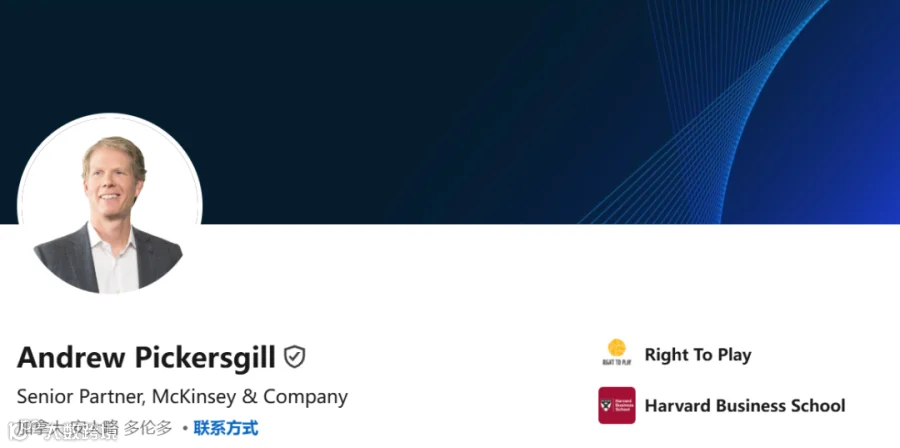
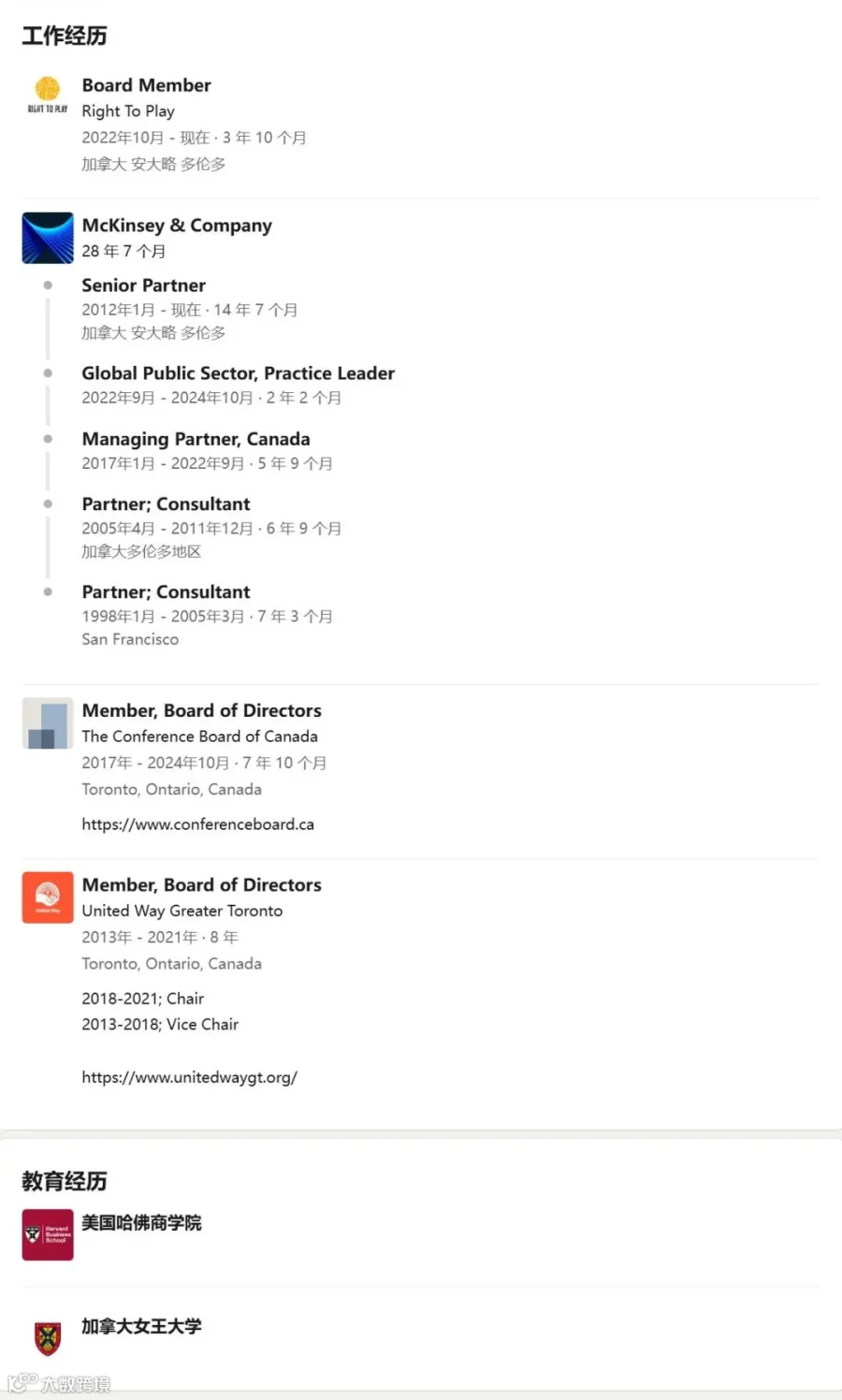
Pickersgill在领英的简历如下:
《华尔街日报》新闻稿原文如下:

McKinsey is shaking up its board and appointing a new chair from within its partner ranks, the latest in a yearslong effort to change how it is managed after several scandals involving past clients.
The elite consulting giant named Andrew Pickersgill, a senior partner in Toronto, to take on the board chair role as of Wednesday. Until now, McKinsey’s global managing partner has held the position while leading day-to-day operations at the same time.
Though the new chair and other board members all hail from within McKinsey, the new structure is meant to establish more independence between the firm’s board and management, McKinsey leaders said. It is also intended to prevent the kind of controversies sparked by previous work with some clients, including opioid manufacturers and work in countries such as China and Saudi Arabia.
Its mandate includes challenging McKinsey’s leaders and asking big-picture questions on the direction of the company, especially in the era of artificial intelligence, Pickersgill said.
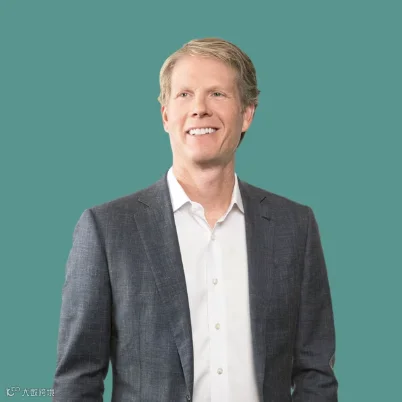
Andrew Pickersgill, a man with blond hair, smiles.
Andrew Pickersgill McKinsey
“We provide governance and oversight,” Pickersgill said. “When the system works well, we build trust in the partnership.”
Bob Sternfels, McKinsey’s global managing partner, will continue to run the firm day to day. Much of his tenure has been spent trying to reorient McKinsey to move past previous crises.
In 2024, the firm agreed to accept responsibility for its role in helping Purdue Pharma boost sales of its OxyContin opioid painkiller as part of a $650 million settlement with the U.S. Justice Department. A McKinsey subsidiary reached a separate Justice Department settlement that same year to resolve allegations that it had paid bribes to officials at two South Africa state-owned companies to win consulting work.
As part of the new changes, McKinsey is also slimming down its board, known internally as its shareholders council. It will include 12 senior partners elected by their peers, plus Sternfels—down from 30 people previously. The board members will step down from other internal, appointed roles at the firm, though they will continue to work with clients.
The origins of the altered structure date to 2023, when McKinsey’s senior partners met in Seoul to discuss how the firm should operate going forward. “We polled everybody to say, ‘So, do we want to go do this?’” Sternfels said. The firm had already put in many more stringent processes for approving new clients. Out of the discussions in Seoul came a multiyear effort to change McKinsey’s governance.
Changing how McKinsey operates is also necessary, the firm’s leaders say, because it is now a sprawling organization: The firm has about 2,700 partners and roughly 40,000 staff worldwide.
McKinsey has resisted becoming a corporation, opting to maintain the relatively flat partnership structure that it has had for much of its 100-year history, Sternfels said. “We want to preserve this idea of one unified global partnership, and so that has required some changes as it continues to scale, and the environment gets harder,” he said.
The board revamp taking effect now represents what McKinsey’s leaders hope will be the last of its governance changes for some time. Pickersgill, a McKinsey veteran of more than 25 years who already served on the board, got his start working on technology projects in the firm’s San Francisco office and later led its public-sector practice. He also chaired the committee that elects McKinsey’s senior partners.
★关注并星标“咨询头条”,不错过每一篇新推送!
操作方法:点击文首蓝字关注【咨询头条】,进入主页后点击右上角菜单栏,设为星标!