







In 2026,
the logic behind logistics
partner selection is changing
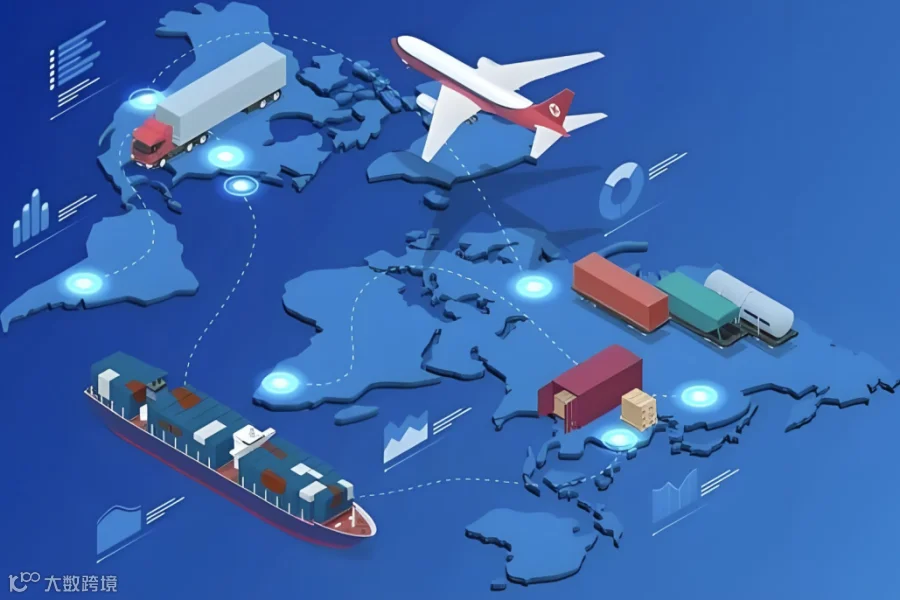
The international logistics environment today is clearly different from just a few years ago:
1. Freight rates fluctuate more frequently
2. Policies and compliance requirements have become more complex
3. Inspections, delays, and exceptions have become routine rather than exceptional
Under these conditions, relying solely on low prices can no longer guarantee stable delivery outcomes.
As a result, more and more trade companies are reassessing logistics cooperation by asking a fundamental question:
If something goes wrong with a shipment, can this partner truly handle it?
Five key factors trade
companies should prioritize

Trade companies should not only
ask whether a freight forwarder
can complete a shipment,
but also require a clear
explanation of how it will be executed.
This includes understanding:
1. Why this specific route is being chosen
2. Which nodes in the process are critical
3. Whether alternative or backup plans are available
If discussions stop at “how much does it cost,” the real risks are usually deferred to a later stage.

Experience in handling
exceptions — Not just smooth operations
A critical question trade companies should ask is:
What difficult situations have you encountered, and how were they handled?
Experienced logistics professionals are generally not afraid to discuss such cases, because they understand that problems themselves are not the issue — lack of experience is.

Willingness to proactively
identify risks — Not just say
"It can be shipped"
In practice, the phrase "it can be shipped" says very little about a forwarder's true capability.
What matters more is whether the forwarder will proactively point out:
1. Where problems are likely to occur
2. Which risks require early expectation management
3. Which scenarios could impact cost or transit time if they arise
Forwarders who are willing to highlight risks in advance are often the most trustworthy long-term partners.

Multiple routing options and contingency
planning — Not just one way forward
When conditions are stable, a single route may be sufficient.
But when disruptions occur, having no alternatives means losing control.
Mature logistics partners typically provide more than one answer, clearly explaining:
1. The primary solution
2. Available backup options
3. When and under what circumstances a switch should be made
This reflects both respect for uncertainty and adequate contingency planning.

Commitment to long-term collaboration
— Not just single-shipment transactions
Some partnerships appear attractive on price, but feel like starting from scratch with every shipment.
In contrast, logistics partners suited for long-term cooperation tend to focus on:
1. Your business rhythm
2. Your tolerance for risk
3. Whether you prioritize cost, speed, or stability
Only under a long-term collaborative framework can true solution capability fully take effect.
Key questions trade
companies should ask
during discussions

When engaging with logistics partners, trade companies are encouraged to ask more non-price-focused questions, such as:
1. If delays occur on this route, how do you usually handle them?
2. Under what circumstances might costs change?
3. Are there alternative solutions, and when would you recommend switching?
4. When an exception occurs, who takes the lead in decision-making?
These questions may seem simple, but they quickly reveal whether a partner has real operational resilience.
Choosing a logistics partner
is essentially choosing
risk management capability

In international logistics, price determines the starting point, but risk management capability determines the final outcome.
As uncertainty continues to shape global trade, more trade companies are realizing that the partners worth working with long term are not those offering the lowest prices, but those who:
· Warn you before problems arise
· Stabilize the situation when problems do occur
This may well be the most important criterion for logistics cooperation in 2026 and beyond.
END