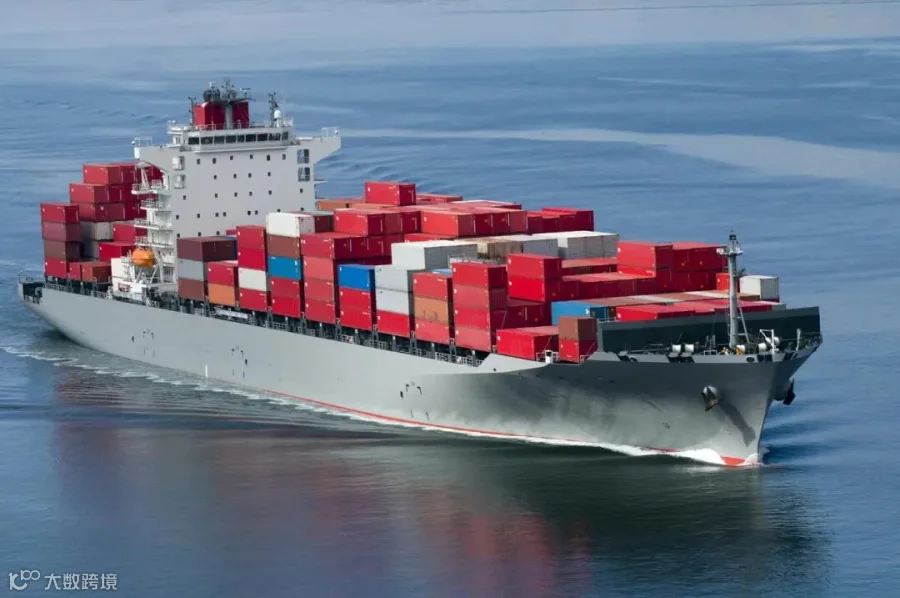







Over the past couple of days, if shipments are moving on U.S. or European lanes, or if there has been news about the "Middle East escalation," the first reaction in many cases is:
Will it impact the shipment currently in transit?
Will services suddenly be suspended, costs increase, or delays occur?
Key points to keep in mind:
· Not all routes will be affected
· But supply-chain uncertainty is clearly rising
· Most importantly: avoid making decisions based on emotion — make them according to actual exposure
First, identify who is truly
"Directly Impacted" this round
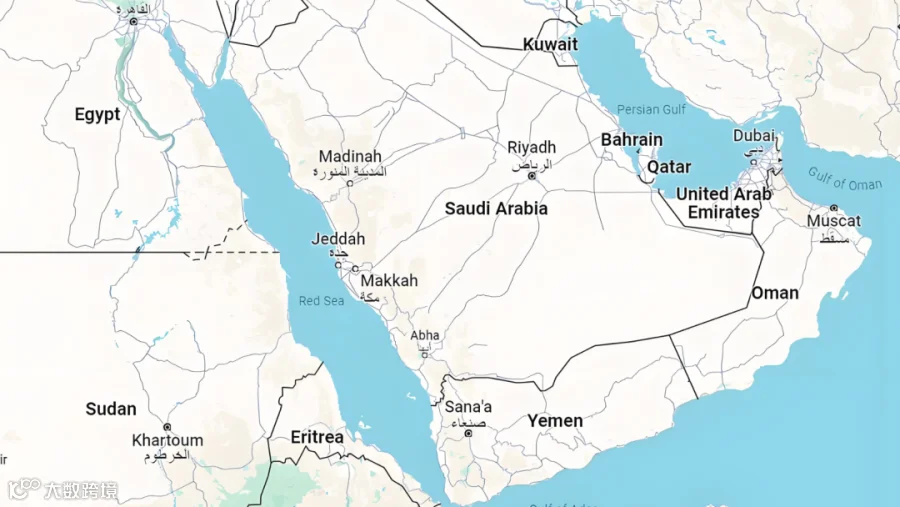
Category A: Cargo directly exposed to high-risk Middle East waters (Highest impact)
Typical characteristics:
·Destination or transshipment port is in or near the Persian Gulf
·Route passes through or near the Strait of Hormuz
Most likely changes:
·Temporary suspension/restriction of acceptance, port changes, or sailing changes
·Higher surcharges and insurance-related costs
·More cautious operations and shorter operating windows
If shipments truly move through the Middle East, they should be managed as a risk event.
Category B: not Middle East-bound, but operating on European lanes with expectations of a Red Sea "Reopening" (Structural impact)
For many professionals involved in Europe-bound trade, the reality is:
Over the past period, many services have already been routing around the area for safety and stability.
If expectations of Red Sea normalization are pushed further out, the impact will be more structural and long-term:
· Europe-lane transit times will be less likely to return to "ideal" levels
· Cost and schedule uncertainty may persist for longer
· Delivery schedules should be managed more conservatively and with wider ranges
This may not cause an immediate disruption, but it can create long-term structural impact.
Category C: air cargo relying on Middle East hubs (Dubai/Doha/Abu Dhabi, etc.) (More volatility)
Most common changes:
· Flight adjustments and re-routing
· Fluctuations in transit time through hubs
· Periodic capacity tightness and stronger price swings
Airfreight is not a universal substitute. The key question is whether routing depends on Middle East transit hubs.

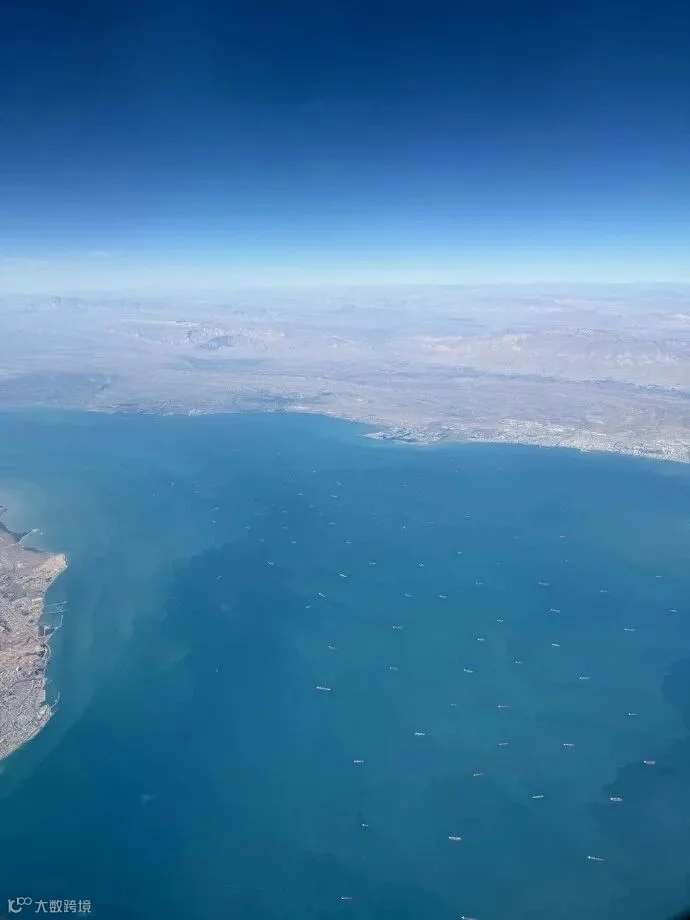
Current situation based
on present operations
Based on the current business structure and booking situation, the following facts are clear:
· Europe-lane bookings are generally progressing normally, with no sign of broad, systemic disruption at this stage
· What needs to be monitored closely are "expectation-level" changes, including:
o Further delays in Red Sea normalization
o Potential pass-through of cost items such as insurance and surcharges
o Temporary adjustments to certain sailings or specific ports
The focus should not be panic — it should be continuous monitoring of supply-chain changes, timely responses to operational needs, and proactive optimization of logistics solutions.
Eight actionable steps for
forwarders and traders
There is no need to read every headline in detail — what matters is executing the right actions.
Ask two questions:
· Are there Middle East destinations or Middle East transshipment points?
· Does air routing rely on Middle East hubs?
If both answers are "no", there is no need to treat this as an event that will immediately impact all shipments.
Avoid scheduling based on the optimistic assumption of a quick return to normal.
For European lanes, use more conservative and range-based delivery communication.
Even without Middle East routing, it is recommended to clarify:
· If carriers adjust schedules, reroute, or change ports, how are costs and responsibilities allocated?
This reduces future disputes and protects trust.
Provide three expectation tiers for trade operations:
· Best-case / most-likely / worst-case
This allows customers to adjust procurement, production, delivery planning, and external communication accordingly.
Especially for high-value and time-sensitive shipments:
· Plan A: wait (worst-case delay and cost ceiling)
· Plan B: change sailing/port, split shipments, or use partial airfreight (trade-offs and additional cost)
A switch may not be needed immediately, but alternatives should be planned in advance.
Even without Middle East routing, for high-value cargo it is recommended to:
· Recheck coverage scope
· Review exclusions
· Confirm with brokers whether add-on coverage is needed
Avoid discovering "not covered" only after an incident occurs.
In many cases, ocean transit is fine, but the last mile can becomes the failure point:
· Appointments, pickup, delivery capacity, warehouse slots
If resources can be booked in advance, secure them earlier to reduce destination-side risk.
There is no need to monitor updates all day, but maintain a consistent cadence:
· Summarize carrier and airline notices every 24 hours
· If changes affect specific shipments, send targeted updates
The goal is simple: don't fall one step behind on information.
Closing: The focus is not on
predicting geopolitical
developments —
but on managing
delivery uncertainty
The direct impact of this escalation on current operations appears limited:
· Middle East exposure is low
· Bookings on European lanes remain normal
However, it reinforces one key reality:
Supply-chain uncertainty will continue to recur, and Red Sea normalization is less likely to happen "as expected."
The priority for international trade professionals is not predicting conflict outcomes — it is building a structured approach to managing delivery uncertainty.